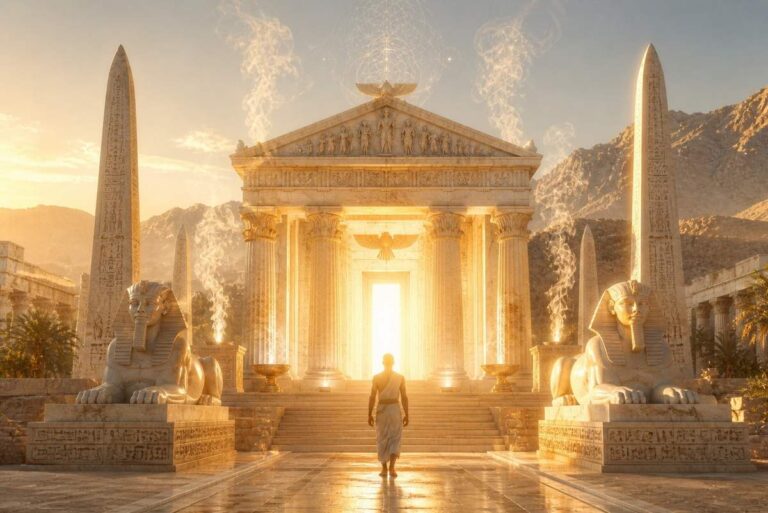
Shadow Work: Excavating the Repressed
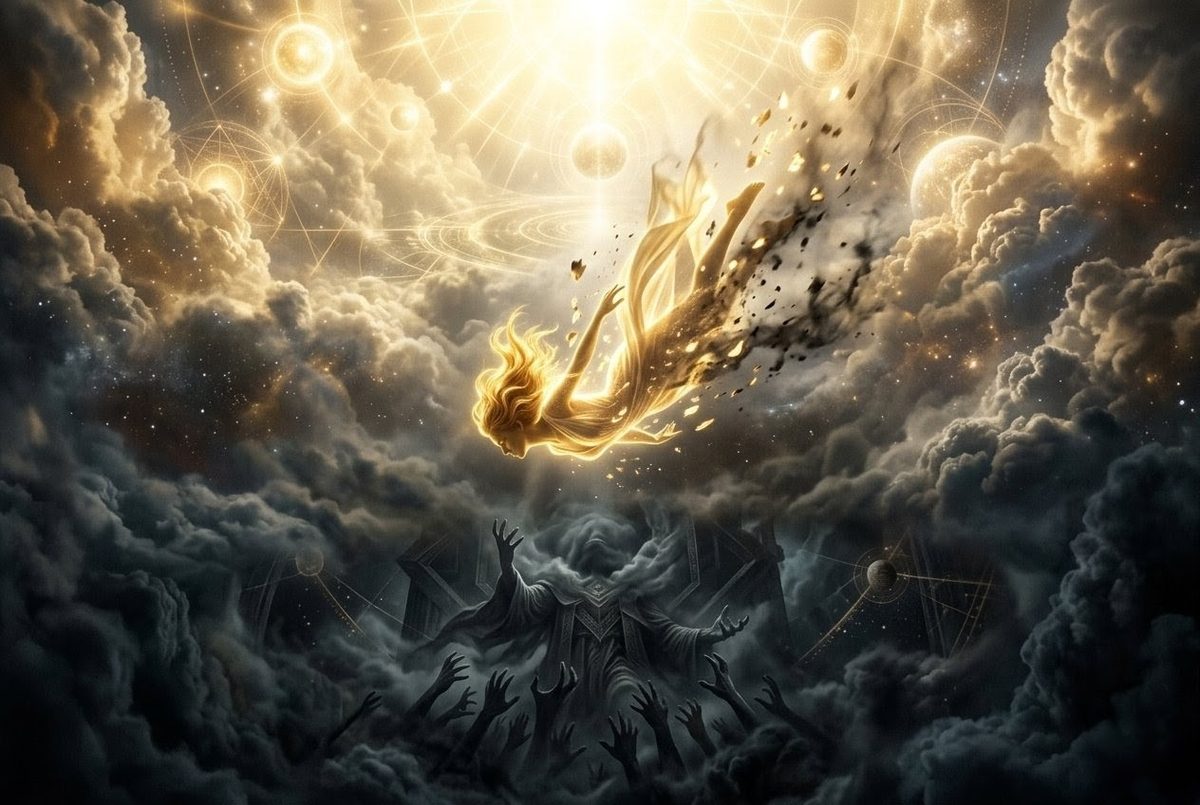
Spiritual awakening does not eliminate the shadow; it illuminates it. The seeker who has tasted the Pleroma must then confront what remains unintegrated in the psyche–that which has been denied, disowned, or buried beneath layers of conditioning. In Gnostic anthropology, this corresponds to the counterfeit spirit or the psychic garments acquired during descent through planetary spheres: aspects of the self that are not truly part of the spiritual essence, yet demand recognition before liberation becomes complete.
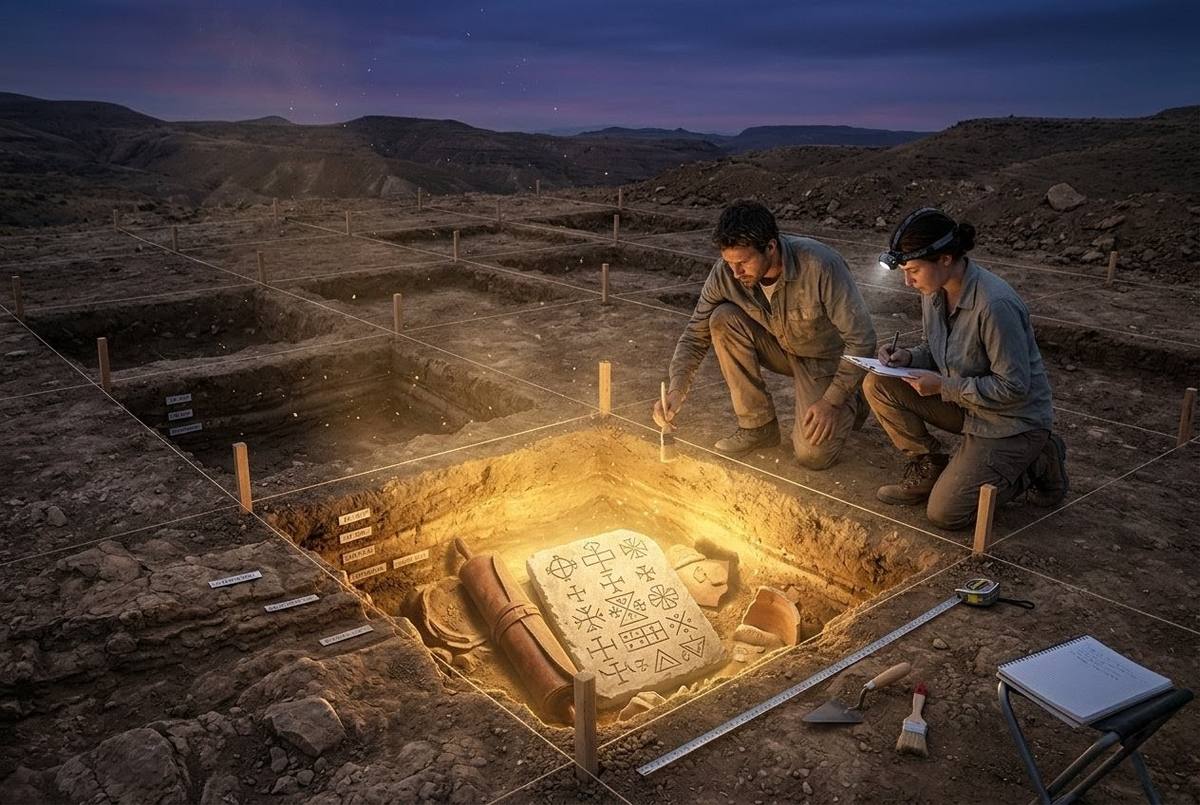
Shadow work, in the tradition of depth psychology and Gnostic practice, involves the deliberate excavation of repressed material–not to wallow in darkness, but to reclaim the energy bound up in unconscious patterns. This article examines the mechanics of shadow formation from a Gnostic perspective, the dangers of unaddressed shadow material in spiritual practice, and methods for integrating the repressed without becoming imprisoned by it.
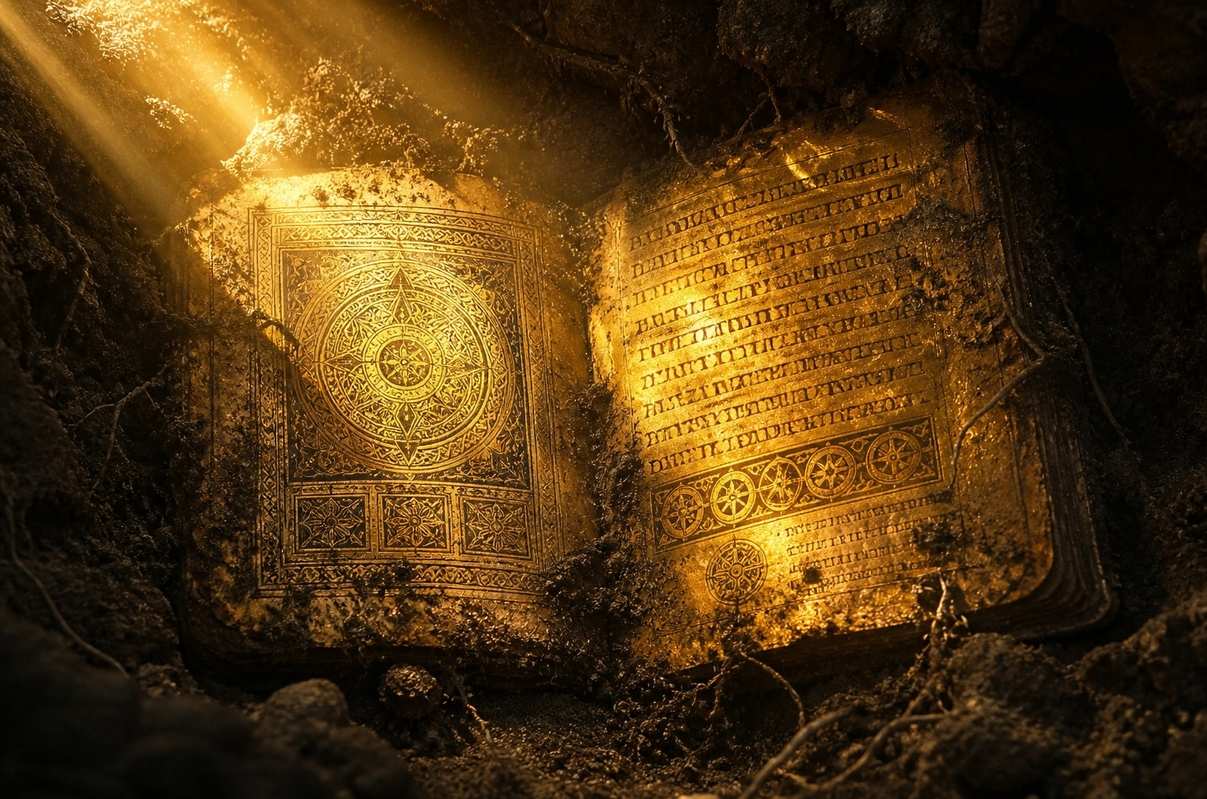
Consider this your official permit from the Bureau of Repressed Materials: an archaeological protocol for excavating the strata of the psyche, cataloguing the finds, and determining which artifacts belong in the permanent collection of the self and which must be released to the dust.
Table of Contents
- The Repressed Returns: Mandatory Inspection
- The Origin of Shadow in Gnostic Cosmology
- Recognising Shadow Projections: The External Filing System
- The Dangers of Spiritual Bypassing: Administrative Evasion
- Methods of Excavation: Gnostic Technologies
- Integration Without Inflation: The Reorganisation
- The Excavated Light
- Frequently Asked Questions
- Further Reading
- References and Sources
The Repressed Returns: Mandatory Inspection
The Department of Psychological Excavation does not recognise statutes of limitations. What has been buried does not remain buried; it surfaces through dreams, projections, and compulsions, demanding mandatory inspection. The modern seeker, having experienced moments of transcendence, often assumes the shadow has been transcended as well. This is administrative error of the highest order.
The Counterfeit Spirit as Bureaucratic Impostor
In Gnostic systems, the counterfeit spirit (antimimon pneuma) represents not evil but misfiled identity–aspects of the self generated through trauma, conditioning, and planetary influence that masquerade as authentic. Like a bureaucratic impostor wearing stolen credentials, the counterfeit spirit operates within the psyche, issuing orders that appear to come from headquarters but actually derive from foreign powers.
Shadow work begins with recognising these impostors–not to destroy them (for they contain energy that belongs to the self), but to revoke their false authority and reassign them to appropriate departments. The aggression misfiled as shame becomes healthy assertion. The vulnerability misfiled as weakness becomes authentic strength.

The Origin of Shadow in Gnostic Cosmology
Sophia’s Fall and the Generation of the Demiurge
The Gnostic creation myth provides a sophisticated framework for understanding psychological shadow. When Sophia falls from the Pleroma, her grief, fear, and confusion generate the demiurge–a deity who is not evil but ignorant, not malicious but incompetent. This mirrors the psychological process whereby unintegrated experiences generate autonomous complexes: sub-personalities that operate outside conscious control, demanding expression through projection, compulsion, and somatisation.
The Bureau of Cosmic Administration did not authorise this fall, yet it generates necessary paperwork. The demiurge, in his incompetence, creates order through rigidity–much as the ego, confronted with unintegrated trauma, generates defence mechanisms that provide temporary stability at the cost of long-term flexibility.
The Tripartite Anthropology: Spirit, Soul, and Body
The Apocryphon of John describes the archons fashioning the material body and soul (psyche) for Adam, while the spiritual spark (pneuma) descends from above. This tripartite anthropology–spirit, soul, and body–suggests that shadow material resides primarily in the soul, the intermediary realm of emotion, memory, and habit. The soul is not evil; it is mixed, containing both the “garments of light” and the “coats of skin” acquired through embodiment.
Shadow forms when aspects of experience cannot be integrated into conscious identity. The child’s natural aggression, unacceptable to parental authority, becomes shadow. The creative impulse, mocked by peers, becomes shadow. The spiritual vision, unintelligible to materialist culture, becomes shadow. These elements do not disappear; they sink into the unconscious, where they continue to influence behaviour through projection–we see in others what we cannot acknowledge in ourselves.
Recognising Shadow Projections: The External Filing System
The primary mechanism of shadow expression is projection. We encounter shadow externally through three characteristic patterns, each representing a different filing error in the Archival Division of the Unconscious:
Negative Projection: The Disowned Qualities
We experience intense irritation, judgement, or hatred toward others who display traits we have disowned in ourselves. The pacifist who secretly admires violence condemns aggression in others; the ascetic who suppresses desire sees corruption everywhere. These projections serve defensive functions, preserving self-image by locating problematic qualities outside the ego.
Psychologically, this represents external filing–taking documents that belong in our own cabinet and misplacing them in others’. The Department of Psychological Excavation requires immediate retrieval of these files. When you find yourself inexplicably triggered by another’s behaviour, suspect a misfiled document. The intensity of your reaction indicates the importance of the buried material.
Positive Projection: The Disowned Potentials
We experience excessive admiration, infatuation, or idealisation of others who embody traits we have denied ourselves. The intellectual who has repressed emotional life falls in love with feeling-types; the conformist who has abandoned creativity worships artists. These projections indicate soul-making possibilities–potentialities seeking integration–but become pathological when they prevent recognition of our own capacities.
This represents outsourcing of essence–hiring contractors to perform functions that belong to our own department. The guru, the lover, the mentor become repositories for our disowned greatness. Shadow work requires reabsorbing these projections, recognising that the gold we see in others is our own, merely displayed in a different mirror.
Somatic Shadow: The Embodied Archive
Unintegrated material manifests through the body–chronic tension, unexplained illness, addictive behaviours, or compulsive patterns that resist rational intervention. The Gnostic texts describe the archons “weaving” the material body; depth psychology describes how early experiences somatise into flesh, becoming literally embodied.
The body serves as the physical filing cabinet of the unconscious. Trauma stored in the shoulders, grief held in the belly, rage locked in the jaw–these are not metaphors but archival records. The Bureau of Repressed Materials maintains extensive physical archives; shadow work requires learning to read the somatic braille of the body.

The Dangers of Spiritual Bypassing: Administrative Evasion
Unaddressed shadow material proves particularly dangerous in spiritual contexts. “Spiritual bypassing”–a term coined by John Welwood in 1984 to describe using transcendent experiences to avoid dealing with psychological wounds–generates characteristic pathologies that the Compliance Office of Shadow Integration vigorously investigates:
Inflation: The Demiurge’s Error
The seeker who has experienced the Pleroma but not integrated shadow may develop grandiose self-conception as a “chosen one,” superior to ordinary humanity. This repeats the demiurge’s fundamental error–mistaking partial insight for comprehensive knowledge. The inflated ego claims authority without the stabilising ballast of integrated shadow, leading inevitably to collapse or exploitation.
This represents a false promotion within the psychic bureaucracy–an ego elevated beyond its competence, issuing orders it lacks the substance to support. Such administrations inevitably fail, often spectacularly, when the unintegrated shadow erupts through the facade of spiritual attainment.
Splitting: The Compartmentalised Self
The practitioner maintains a rigid division between “spiritual” and “ordinary” selves, exhibiting compassion in meditation while behaving destructively in relationships. The Gnostic distinction between pneuma and psyche becomes excuse rather than analysis. This is the shell company of spiritual practice–maintaining a front operation of virtue while the shadow conducts its business in back rooms.
Compulsive Repetition: The Unconscious Enactment
Shadow material, denied conscious expression, enacts itself unconsciously. The teacher who preaches celibacy while exploiting students; the guru who advocates non-attachment while accumulating wealth–these scandals reflect not hypocrisy precisely, but unconscious shadow acting out. The repressed returns not as memory but as behaviour, forcing recognition through the very actions most antithetical to conscious values.
Safety Warning: Shadow work can surface traumatic material that requires professional support. If you experience overwhelming memories, dissociation, or destabilisation during excavation, consult a qualified trauma-informed therapist. The Department of Psychological Excavation recommends having adequate support systems in place before beginning deep shadow work. This work is not a substitute for clinical treatment of mental health conditions.
Methods of Excavation: Gnostic Technologies
Gnostic tradition offers specific technologies for shadow work–methods refined over centuries for navigating the labyrinth of the unconscious:
Anamnesis: Recollection and Recovery
The practice of remembering–recovering memories, dreams, and visions that have been suppressed. The Gospel of Thomas declares: “Know what is in front of your face, and what is hidden from you will be disclosed to you. For there is nothing hidden that won’t be revealed” (logion 5, NHC II,2). This applies internally: conscious attention to what is present (emotions, bodily sensations, intrusive thoughts) reveals what has been hidden.
Anamnesis is the audit–the systematic review of records to identify discrepancies. What have you forgotten? What narratives have you constructed to explain your history that no longer serve? The excavation requires digging through layers of interpretation to reach the raw data of experience.
Active Imagination: Dialogue with the Disowned
Dialogue with shadow figures–whether through journaling, artistic expression, or guided meditation. The Gnostic Apocryphon of John presents elaborate mythological narratives precisely as material for contemplative engagement; similarly, the practitioner may enter into dialogue with rejected aspects of self.
This represents negotiation with internal departments–recognising that shadow figures are not enemies but disenfranchised aspects of the psyche seeking representation. The inner critic, the abandoned child, the raging tyrant–each has testimony to offer if approached with appropriate diplomatic protocol.
Dream Analysis: The Nightly Briefing
Dreams provide unfiltered access to shadow material. Jungian psychology has systematised this into a rigorous method for tracking unconscious content. The nightly briefing from the Bureau of Repressed Materials delivers raw intelligence, uncensored by ego defences.
Shadow figures appear in dreams as pursuers, monsters, or frightening strangers–often representing qualities the dreamer refuses to acknowledge. Learning to engage these figures rather than flee them constitutes essential diplomatic training for the shadow worker.
Confrontation with Archons: Withdrawal of Projections
The Gnostic ascent narrative requires confronting and “stripping off” planetary powers. Psychologically, this corresponds to recognising and withdrawing projections–seeing through the apparent autonomy of shadow figures to reclaim their energy as aspects of oneself. The archons lose power when recognised as internal rather than external–bureaucratic functions rather than cosmic tyrants.
Integration Without Inflation: The Reorganisation
The goal of shadow work is not elimination but integration–making the unconscious conscious, reclaiming disowned aspects of self without becoming dominated by them. This requires discernment: some shadow material represents authentic parts of the self requiring integration; other material represents foreign implants–conditioning, trauma, or cultural programming that should be released rather than incorporated.
The Gnostic concept of metanoia–transformation of mind–captures this process. We do not return to pre-lapsarian innocence; we move forward to integration, carrying the wisdom gained through shadow confrontation. The redeemed archon becomes servant rather than tyrant; integrated aggression becomes healthy assertion; integrated vulnerability becomes authentic connection.
Contemporary depth psychology confirms this necessity. Without shadow work, spiritual practice becomes defensive manoeuvre–higher states used to escape rather than engage with reality. With shadow work, spiritual practice grounds in psychological reality, and psychological work opens toward spiritual possibility.

The Excavated Light
Shadow work is not morbid fascination with darkness but recognition that light and shadow interpenetrate. The Gnostic seeker does not deny the material realm but transforms relationship with it; similarly, the integrated self does not deny shadow but transforms relationship with it. What was repressed becomes resource; what was projected becomes possession.
The excavation is ongoing. As consciousness clarifies, deeper layers of shadow reveal themselves–not as punishment but as invitation. Each integration releases energy previously bound in unconscious conflict, making available for authentic spiritual development. The shadow, fully faced, proves to be not enemy but ally–not obstacle to gnosis but its necessary prerequisite.
The Department of Psychological Excavation never closes. The archaeological survey continues through life, each layer revealing treasures buried for safekeeping. The work requires patience, courage, and the willingness to get dirty. But the rewards–authenticity, energy, and the capacity for genuine relationship–justify the labour. The excavated light shines brighter for having been buried.
Frequently Asked Questions
What is shadow work in Gnostic practice?
Shadow work in Gnostic practice involves excavating repressed psychological material–what Gnostics called the counterfeit spirit or psychic garments–to reclaim energy bound in unconscious patterns. It integrates depth psychology with Gnostic anthropology (spirit, soul, body) to transform disowned aspects of self from obstacles into resources.
How do I recognise my shadow projections?
Shadow projections appear as intense emotional reactions to others–either negative (irritation, judgement toward those displaying traits you deny in yourself) or positive (excessive admiration for those embodying your disowned potentials). Somatic symptoms (chronic tension, illness) also indicate shadow material. When triggered, ask: What misfiled document of mine are they carrying?
What is spiritual bypassing?
Spiritual bypassing uses transcendent experiences to avoid psychological wounds, generating inflation (grandiose self-conception), splitting (rigid division between spiritual and ordinary selves), or compulsive repetition (unconscious enactment of shadow). It represents administrative evasion–attempting to file for enlightenment without completing the prerequisite shadow work.
Is shadow work dangerous?
Shadow work can surface traumatic material requiring professional support. While generally safe with proper preparation, deep excavation may trigger dissociation, overwhelming memories, or destabilisation. Maintain adequate support systems and consult trauma-informed therapists if necessary. Shadow work complements but does not replace clinical mental health treatment.
How is Gnostic shadow work different from Jungian?
Gnostic shadow work shares Jungian foundations (projections, archetypes, active imagination) but adds specific cosmological frameworks: the tripartite anthropology (spirit/soul/body), the concept of counterfeit spirit, and ascent narratives involving archon confrontation. It treats shadow integration as prerequisite for gnosis (direct knowing), not merely psychological health.
Do I need to eliminate my shadow?
No–the goal is integration, not elimination. Shadow contains disowned energy and authentic aspects requiring incorporation. The redeemed archon becomes servant rather than tyrant. Some material (foreign implants, trauma) should be released, but authentic shadow aspects become integrated resources.
How long does shadow work take?
Shadow work is ongoing–an archaeological excavation without bottom. As consciousness clarifies, deeper layers reveal themselves. Each integration releases energy and reveals new material. This is not failure but the natural progression of depth work. The Bureau of Repressed Materials maintains extensive archives; patience is mandatory.
Further Reading
Navigate the territories of integration, spiritual emergency, and the stages of transformation:
- Integration and Grounding: Embodying the Received Tradition — Stabilising insights after shadow excavation and returning to ordinary consciousness.
- Spiritual Emergency and Transformation Crisis — When excavation triggers destabilisation and how to navigate it safely.
- The 3 Stages of Integration After Awakening: Immediate, Short-Term & Long-Term — The timeline of shadow incorporation from hours to decades.
- Return to Ordinary Life After Awakening — Navigating the return from Pleroma to psyche with integration intact.
- Against Spiritual Bypassing: The Refusal to Feel — Recognising administrative evasion and the compulsive avoidance of shadow material.
- Spiritual Inflation: When Recognition Becomes Grandiosity — The demiurge’s error in modern practice and how to deflate safely.
- Recognising Completion vs. Chasing Further Peaks — Knowing when integration suffices and the trap of perpetual seeking.
- Predatory Consciousness and Spiritual Emergency — Recognising when awakening encounters resistance and predatory interference.
- Embodiment Practices: Grounding the Awakening — Somatic techniques for maintaining presence in the physical vehicle.
- Nag Hammadi Library: Complete Reader’s Guide — The definitive map of all 46 tractates and their organisational logic.
References and Sources
This article draws upon primary Gnostic sources, depth psychology, and contemporary trauma research. Sources are grouped by category for clarity.
Primary Sources and Critical Editions
- The Nag Hammadi Library in English. (1988). J. M. Robinson (Ed.). Harper & Row. — Standard critical edition containing the Apocryphon of John (NHC II,1), Gospel of Thomas (NHC II,2), and related Gnostic texts.
- Layton, B. (1989). Nag Hammadi Codex II, 2-7, Volume I. Brill. — Critical edition with detailed commentary on the Gospel of Thomas and Book of Thomas the Contender.
- Waldstein, M. & Wisse, F. (1995). The Apocryphon of John: Synopsis of Nag Hammadi Codices II,1; III,1; and IV,1 with BG 8502,2. Brill. — Critical synopsis with detailed cosmological and anthropological material.
Psychology and Depth Psychology
- Jung, C. G. (1951). Aion: Researches into the Phenomenology of the Self. Princeton University Press. — Jung’s mature work on the shadow, archetypes, and the process of individuation.
- Welwood, J. (1984). Toward a Psychology of Awakening: Buddhism, Psychotherapy, and the Path of Personal and Spiritual Transformation. Shambhala. — The foundational text introducing the concept of spiritual bypassing.
- Van der Kolk, B. (2014). The Body Keeps the Score: Brain, Mind, and Body in the Healing of Trauma. Viking. — Contemporary research on trauma stored in bodily memory and somatic approaches to healing.
Scholarly Monographs and Comparative Studies
- Brakke, D. (2010). The Gnostics: Myth, Ritual, and Diversity in Early Christianity. Harvard University Press. — Scholarly analysis of Gnostic diversity and the historical reality of ascetic and contemplative practice.
- King, K.L. (2003). What Is Gnosticism? Harvard University Press. — Critical examination of the category “Gnosticism” and the diversity of ancient movements.
- Turner, J.D. (2001). Sethian Gnosticism and the Platonic Tradition. Presses Universitaires de Louvain. — Analysis of Gnostic ascent literature and the mechanics of archonic confrontation.
Safety Notice: This article explores psychological and spiritual material related to shadow work, trauma, and repressed content. It does not constitute medical, psychological, or spiritual advice. If you are experiencing overwhelming memories, dissociation, or destabilisation during shadow work, please consult a qualified trauma-informed therapist immediately. Shadow work should complement but never replace clinical mental health treatment. Do not attempt deep trauma processing alone or without adequate support and safety protocols in place.