
What Is Practice & Method? The Operational Pillar of ZenithEye
Practice & Method is the operational pillar of ZenithEye. It is the domain where recognition becomes action, where insight is tested by the body, and where the seeker discovers whether the vision can survive the Monday morning. The pillar gathers the practical disciplines of attention, contemplation, embodiment, inner listening, and transformation into a curated curriculum that respects both ancient rigour and contemporary necessity.
Unlike the historical inquiry of The Living Thread, the phenomenological mapping of States of Knowing, or the structural analysis of The Hidden Agreements, Practice & Method asks a different question: what do you do with what you have seen? It insists that gnosis is not a spectator sport. The Nag Hammadi texts describe the bridal chamber, the five seals, and the ascent through the aeons not as literary fantasies but as operational realities that required specific preparations of the body, the attention, and the community. The pillar restores that operational seriousness to contemporary practice.
Practice & Method is the practical discipline of attention, contemplation, embodiment, inner listening, and transformation. It is where recognition becomes operational reality.
Table of Contents
- What Is Practice & Method?
- The Five Gateways: A Curriculum of Attention
- Embodiment Practices: Grounding the Work
- Contemplative Techniques: The Discipline of Stillness
- Inner Listening and the Discernment of Signal
- Planetary Operations and the Western Esoteric Curriculum
- Why Practice & Method Matters
- Frequently Asked Questions
- Further Reading

What Is Practice & Method?
From Theory to Operation
The distinction between theory and practice is older than philosophy itself. Aristotle distinguished theoria from praxis; the Gnostics distinguished the psychic faith of the believer from the pneumatic knowledge of the initiated. Practice & Method occupies the second term in each pair. It is not interested in what you believe about the nature of reality. It is interested in what you do with your attention at six o’clock on a Tuesday morning when the initial enthusiasm has faded and the body would prefer to remain in bed.
The pillar is organised into four subcategories. The Five Gateways form the core curriculum: attention, breath, sensation, sound, and vision. Embodiment Practices address the somatic dimension of the work, insisting that the body is not an obstacle to spirit but its primary instrument. Contemplative Techniques gather the classical methods of stillness, concentration, and open awareness from Buddhist, Christian, and Sufi sources. And Planetary Operations and Angelic Curriculum preserves the most specialised stream of the Western esoteric tradition, from the heptarchia of John Dee to the crystallomancy of Johannes Trithemius, approached with scholarly precision and practical caution.
The Body as Instrument
A foundational principle of Practice & Method is that the body is not a prison to be escaped but a vehicle to be tuned. The Nag Hammadi texts are often read as dualistic condemnations of the flesh, but a closer reading reveals more nuance. The Gospel of Philip describes the transformation of matter into spirit. The Authoritative Teaching speaks of the soul clothing itself in new garments. The Treatise on Resurrection insists that the resurrection is not an escape from the body but a transformation of it. Practice & Method takes these hints seriously and builds a curriculum around the body as the first and last site of practice.
The Five Gateways: A Curriculum of Attention
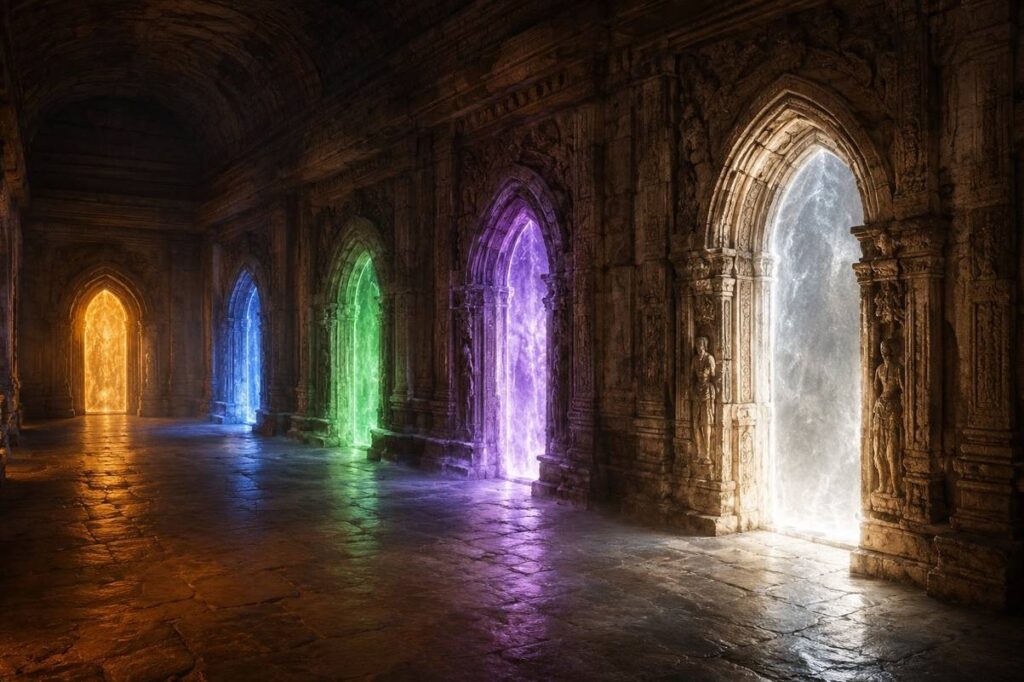
The Five Gateways are the central curriculum of Practice & Method. They are not separate traditions but distinct entry points into a single territory: the direct knowing that occurs when attention is trained, stabilised, and refined. Each gateway uses a different sensory or cognitive modality, yet all five converge on the same recognition.
Gateway One: Attention
The first gateway is the foundation. Without the capacity to direct and sustain attention, no other practice can develop. Attention is the flashlight that illuminates the territory; if the beam flickers, the landscape remains half-seen. The ZenithEye curriculum begins here, with simple techniques of dharana–one-pointed concentration–and progresses to open awareness, where the attention is not fixed on a single object but diffused across the entire field of experience. The goal is not to control attention but to liberate it from its habitual captivity to the default mode network’s self-referential chatter.
Gateway Two: Breath
The second gateway uses the breath as both vehicle and object. Pranayama, the yogic science of breath, provides the framework: techniques of inhalation, retention, and exhalation that alter the autonomic state, shift the balance between sympathetic and parasympathetic activation, and create the physiological conditions for altered awareness. But the gateway is not limited to singular sources. The Gnostic Apocryphon of John describes the divine spark breathed into Adam. The Stoics spoke of pneuma as the breath of the cosmos. The Sufis practise dhikr as breath-linked remembrance. The breath is the universal interface between voluntary and involuntary, between conscious and autonomic, between self and world.
Gateway Three: Sensation
The third gateway turns attention inward to the body itself. Body scanning, somatic awareness, and the cultivation of interoception–the sense of the internal landscape–are the techniques. The gateway insists that the body is not a dumb object but a field of intelligence. The insula, the brain region that maps internal states, becomes the neural correlate of this practice. By attending to sensation without reaction, the practitioner learns to distinguish between raw feeling and the narrative that usually engulfs it. This is the gateway of embodiment, the refusal to treat the body as a mere vehicle for the mind.
Gateway Four: Sound
The fourth gateway uses auditory phenomena as the path. Mantra, nada yoga (the yoga of inner sound), and the Gnostic logos all converge here. The practitioner may use external sound–chanting, singing, the recitation of sacred syllables–or turn attention to the subtle sounds that emerge in deep silence. The gateway recognises that sound is vibration, and vibration is the substrate of manifestation. To work with sound is to work with the generative matrix of reality itself. The Gospel of John opens with the Word; the Upanishads describe Om as the sound of creation. The gateway is not merely auditory; it is cosmological.
Gateway Five: Vision
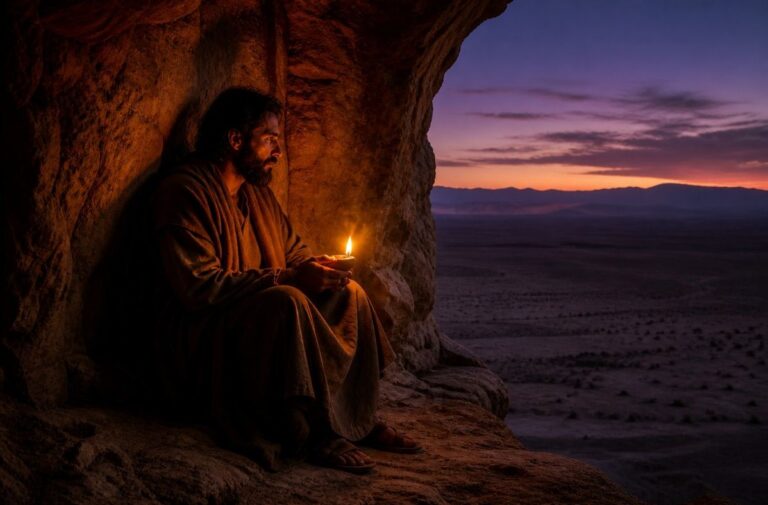
The fifth gateway uses visual phenomena: yantra, mandala, candle-gazing (trataka), and the spontaneous imagery that arises in hypnagogic states. The visual field is the most culturally saturated of the senses, and this gateway deliberately reclaims it from the barrage of advertising, screen, and spectacle. By concentrating on a geometric form, the practitioner trains the visual cortex to stabilise, and the resulting after-images and subtle perceptions become the raw material for visionary practice. The Gnostic ascent texts describe the vision of the aeons, the luminous garments, and the radiant chariots. The gateway does not promise these visions; it simply creates the conditions in which the visual mind becomes transparent to deeper strata of perception.

Embodiment Practices: Grounding the Work
Embodiment Practices are the somatic foundation without which the Five Gateways remain cerebral exercises. This subcategory addresses nervous system regulation, the felt sense, and the reclamation of the body as a site of intelligence rather than a problem to be solved. It includes breathwork as somatic technology, cold exposure as autonomic recalibration, and the slow, patient work of releasing trauma stored in the tissues.
The Gnostic texts speak of the three natures: the hylic, bound to matter; the psychic, capable of faith; and the pneumatic, capable of direct knowledge. Embodiment Practices address the hylic nature not by transcending it but by transforming it. The body becomes pneumatic through attention, breath, and movement. The subcategory also includes the Gateway of Movement–walking meditation, Sufi turning, and the simple discipline of placing one foot in front of the other with full awareness. The goal is not fitness but presence; not performance but participation.

Contemplative Techniques: The Discipline of Stillness
Contemplative Techniques gathers the classical methods of interior silence from the world’s traditions. From Buddhism, it takes shamatha (calm abiding) and vipassana (insight). From Christianity, it takes lectio divina and the apophatic prayer of the Cloud of Unknowing. From Sufism, it takes muraqaba (spiritual vigilance) and the dhikr of the heart. The subcategory is not syncretic in the sense of mixing indiscriminately; it is synthetic in the sense of recognising that the human mind and heart operate under similar conditions across cultures, and that the techniques developed to stabilise them share structural features.
The common thread is the deliberate cultivation of stillness–not as passivity but as receptivity. The still mind is not empty; it is clear. The Gnostic Allogenes describes the ascent to the Unknowable One through successive silences, each deeper than the last. The contemplative practitioner learns that silence is not the absence of sound but the presence of a subtler attention, one that can hear the signal beneath the noise. The subcategory provides techniques for developing this capacity, while insisting that technique alone is insufficient without the ethical foundation of sincerity and the discernment to distinguish between genuine stillness and dissociative withdrawal.
Inner Listening and the Discernment of Signal
Practice & Method culminates in the capacity for inner listening–the discernment of signal from noise in the interior landscape. This is not a technique in the narrow sense but a fruit of sustained practice. The practitioner who has trained attention, regulated the breath, grounded the body, and stilled the mind discovers that the interior world is not a blank but a field of communication. The logos is not only a cosmic principle but an interior voice; the pneuma is not only divine breath but the subtle promptings of intuition.
The subcategory of inner listening addresses the art of distinguishing between the authentic signal and the counterfeit–between the voice of the deeper self and the voice of conditioning, trauma, or spiritual inflation. It draws on the Gnostic teaching of discernment, the Jungian practice of active imagination, and the contemplative tradition of spiritual direction. The goal is not to become a channel for every interior impulse but to develop the discrimination that recognises which impulses lead toward integration and which toward fragmentation. Inner listening is the capstone of Practice & Method because it transforms the practitioner from a student of techniques into a participant in a living dialogue.
Planetary Operations and the Western Esoteric Curriculum
The most specialised stream of Practice & Method is Planetary Operations and Angelic Curriculum. This subcategory preserves the Western esoteric traditions of celestial correspondence and angelic communication, approached with the scholarly precision they demand and the practical caution they require. It examines John Dee’s Heptarchia Mystica, Trithemius’s Steganographia, and the crystallomantic techniques of drawing spirits into crystals–not as historical curiosities but as operational systems that assumed a cosmos alive with intelligence and responsive to ritual action.
The subcategory insists on context. These practices were developed by scholars who had mastered mathematics, languages, and theology before attempting celestial operation. They were not shortcuts but culminations. The modern practitioner who approaches them without the preparatory groundwork risks not only failure but inflation. The subcategory therefore provides the historical and technical background while maintaining a clear boundary: these are advanced practices, not entry-level techniques, and they belong to a specific cultural and cosmological framework that must be understood before it can be operated.
Why Practice & Method Matters
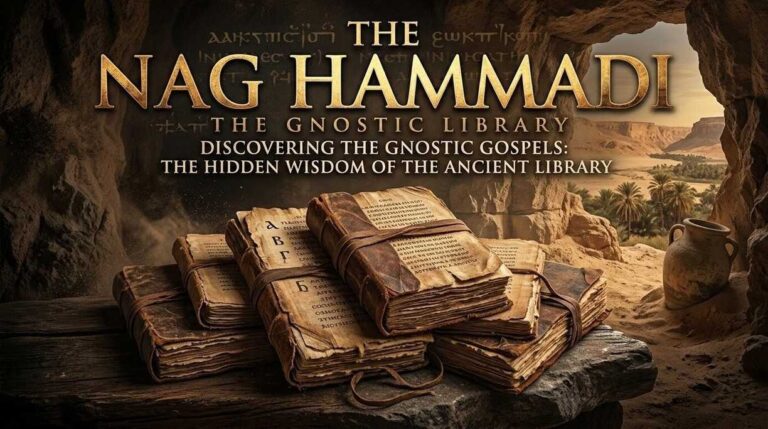
Practice & Method matters because Gnosticism is not a library to be read but a current to be lived. The Nag Hammadi texts were buried not to be preserved as literature but to survive as operational manuals for communities who expected their members to practise what they preached. The five seals were not theological abstractions but initiatory rites. The ascent through the aeons was not a metaphor but a mapped journey. The bridal chamber was not a poetic image but a sacramental practice. To read these texts without practising their implications is to admire the map without walking the territory.
In an age of spiritual consumerism, where techniques are marketed as products and enlightenment is sold as a weekend retreat, Practice & Method is a corrective discipline. It insists that there is no substitute for daily practice, no shortcut around the body, and no bypassing of the shadow. It honours the ancient traditions by taking them seriously enough to practise them, and it honours the contemporary practitioner by providing a curriculum that is rigorous without being rigid, demanding without being cruel. The pillar is the hands of ZenithEye–the part that does the work, holds the flame, and refuses to let it go out.
Frequently Asked Questions
What is Practice & Method in ZenithEye?
Practice & Method is the fifth pillar of ZenithEye, gathering the practical disciplines of attention, contemplation, embodiment, inner listening, and transformation. It is where recognition becomes operational reality through specific techniques and daily discipline.
What are the Five Gateways?
The Five Gateways are the core curriculum of Practice & Method: attention, breath, sensation, sound, and vision. Each gateway uses a different sensory or cognitive modality as an entry point into direct knowing, and all five converge on the same recognition.
Do I need to practise all Five Gateways?
No. The gateways are designed to interlock, but most practitioners begin with one–usually attention or breath–and gradually incorporate others. Creating a personal practice involves assessing your own constitution and selecting the gateways that meet your current needs.
What are embodiment practices?
Embodiment practices are somatic techniques that ground spiritual work in the body. They include breathwork, nervous system regulation, body scanning, interoception, and movement disciplines such as walking meditation. They insist that the body is the primary instrument of knowledge.
What are contemplative techniques?
Contemplative techniques are classical methods of interior silence drawn from Buddhist, Christian, and Sufi traditions. They include calm abiding, insight meditation, lectio divina, apophatic prayer, and spiritual vigilance. The common thread is the cultivation of receptive stillness.
What are Planetary Operations?
Planetary Operations are advanced Western esoteric practices involving celestial correspondence and angelic communication, derived from sources such as John Dee and Johannes Trithemius. They are not entry-level techniques and require extensive preparatory study in history, mathematics, and theology.
Is Practice & Method suitable for beginners?
Yes. The Five Gateways curriculum is designed for practitioners at all levels, offering foundational techniques in attention, breath, and somatic awareness. Advanced practices such as Planetary Operations are clearly marked as specialised and require significant preparation.
Further Reading
Explore these ZenithEye articles to deepen your understanding of the practical disciplines, techniques, and curricula of the Practice & Method pillar:
- The Five Gateways to Direct Knowing — The foundational curriculum article introducing attention, breath, sensation, sound, and vision as operational paths.
- Attention: The First Gateway of Consciousness — Establishing the foundational practice of directed awareness and the reclamation of cognitive sovereignty.
- The Gateway of Breath: Pranayama Techniques — A complete guide to using the breath as a vehicle for autonomic regulation and altered awareness.
- The Gateway of Sensation: Body Scan and Somatic Awareness — Techniques for turning attention inward to the body’s intelligence and cultivating interoception.
- The Gateway of Sound: Mantra and Nada Yoga — Exploring the yoga of inner sound, mantra recitation, and the vibrational substrate of reality.
- The Gateway of Vision: Yantra and Mandala Practice — Using visual forms, geometric concentration, and hypnagogic imagery as pathways to perception.
- Embodiment Practices: Grounding Awakening — Somatic techniques for reclaiming the body as a vehicle of knowledge rather than a prison of matter.
- Contemplative Techniques — A survey of classical methods of interior silence from Buddhist, Christian, and Sufi sources.
- Breathwork: Ancient Technology, Modern Application — The neurobiology and cross-cultural history of breath as a technology for transformation.
- The Art of Inner Listening: Why Your Soul’s Compass Matters — Developing the discernment to distinguish authentic signal from interior noise, trauma, and conditioning.