Codex V: Apocalypses and the James Tradition
Codex V—the codex of apocalypses. Visions of Paul, James, and Adam, plus Eugnostos the Blessed. Gnosticism in its most visionary mode.
Codex V—the codex of apocalypses. Visions of Paul, James, and Adam, plus Eugnostos the Blessed. Gnosticism in its most visionary mode.
Codex IV—the scholar’s codex containing longer versions of Apocryphon of John and Gospel of the Egyptians. Essential for textual comparison and understanding Gnostic textual fluidity.
Codex III—Sethian cosmology meets philosophical dialogue. Features the unique Dialogue of the Saviour, two versions of Apocryphon of John, and the Christianised Sophia of Jesus Christ.
Codex I (The Jung Codex)—the first discovered, containing Valentinian masterpieces including the Tripartite Tractate, Gospel of Truth, and Treatise on the Resurrection.
The Apocryphon of John—the foundational text of Sethian Gnosticism. The fall of Sophia, the birth of Yaldabaoth, the creation of humanity as prison for the divine spark.
Thunder: Perfect Mind—the most literary and mysterious text in the Nag Hammadi Library. A voice speaking in contradictions, claiming every identity, transcending them all.
The Gospel of Thomas—114 secret sayings of Jesus, stripped of narrative, demanding interpretation. The most accessible and radical text in the Nag Hammadi Library.
Codex II contains the Nag Hammadi Library’s crown jewels: Gospel of Thomas, Gospel of Philip, Apocryphon of John, and four other essential texts. Your guide to the most accessible and influential codex.
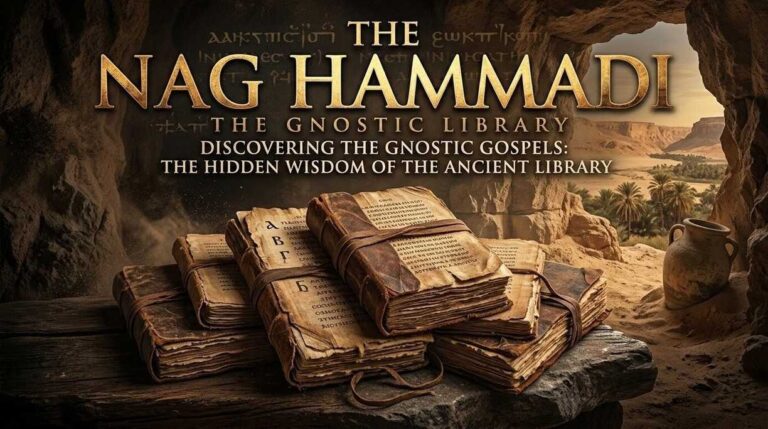
A complete reader’s guide to the Nag Hammadi Library—52 texts discovered in 1945 that revolutionised our understanding of early Christianity. Navigate by codex, theme, or reading path.
The Gospel of Truth—perhaps the most beautiful text in the Nag Hammadi Library. A Valentinian meditation on error and recognition, forgetfulness and return.