Codex III: Sethian Cosmology and the Dialogue of the Saviour
Codex III of the Nag Hammadi Library is a collection of contrasts. Its five tractates preserve an extraordinary diversity of literary forms, theological approaches, and spiritual strategies–from the mythological narrative of the Apocryphon of John (NHC III,1) to the philosophical abstraction of Eugnostos the Blessed (NHC III,3), from the ritual cosmology of the Gospel of the Egyptians (NHC III,2) to the revelation dialogues of the Sophia of Jesus Christ (NHC III,4) and the Dialogue of the Saviour (NHC III,5). No other codex in the library offers such range. Where Codex II presents the crown jewels of Gnostic literature and Codex IV preserves expanded variants, Codex III demonstrates that Sethian and related traditions were capable of generating multiple genres, multiple voices, and multiple modes of addressing the fundamental questions of cosmic origin, human destiny, and the path of return [1].
This diversity makes Codex III invaluable for comparative study. By examining how different texts treat similar themes–creation, fall, salvation, return–we can map the full range of Gnostic theological options. The codex is also notable for its preservation of the Dialogue of the Saviour, found nowhere else in the library, and for its unique version of the Apocryphon of John, which differs significantly from the copies in Codices II and IV. For scholars and prepared readers, Codex III reveals that Gnosticism was not a monolithic system but a dynamic conversation–a set of overlapping traditions that shared common concerns while developing distinctive solutions. This article examines all five tractates, their manuscript context, their literary forms, and their significance for understanding the pluralism of ancient Gnostic spirituality [2].
Table of Contents
- Introduction — The Diversity of Codex III
- The Manuscript and Its Context
- The Tractates of Codex III
- The Diversity of Gnostic Literary Forms
- Reading Codex III: A Guided Approach
- Why Codex III Matters
- Frequently Asked Questions
- Further Reading
- References and Sources
Introduction — The Diversity of Codex III
What is Codex III?
Codex III is one of the most diverse codices in the Nag Hammadi Library, containing five tractates across multiple genres: the Apocryphon of John (NHC III,1)–a second Coptic version of the Sethian creation myth; the Gospel of the Egyptians (NHC III,2)–a ritual cosmological text attributed to Seth; Eugnostos the Blessed (NHC III,3)–a philosophical treatise on divine emanation; the Sophia of Jesus Christ (NHC III,4)–a Christianised revelation dialogue; and the Dialogue of the Saviour (NHC III,5)–a unique question-and-answer text found nowhere else in the library. Written in the Subachmimic Coptic dialect, this codex is essential for understanding the range of Gnostic literary production.
The five territories: Apocryphon of John (creation myth, second witness) → Gospel of the Egyptians (ritual cosmology) → Eugnostos the Blessed (philosophical emanation) → Sophia of Jesus Christ (Christianised wisdom) → Dialogue of the Saviour (eschatological dialogue). Together they map the full spectrum of Gnostic literary and theological imagination [3][4].
The texts of Codex III are departmental briefings from different divisions of the celestial administration. The Apocryphon of John arrives from the cosmological research division, complete with organisational charts of the aeonic hierarchies and personnel files for the archontic middle-management. The Gospel of the Egyptians comes from the ritual operations office, bearing the sonic passwords and baptismal protocols required for celestial transit. Eugnostos the Blessed is the memorandum from the philosophical liaison office, translating metaphysical abstractions into the filing system of divine emanation. The Sophia of Jesus Christ is the revised edition, baptised for Christian readership with a new cover letter from the resurrected Saviour. And the Dialogue of the Saviour is the classified transcript from the eschatological planning committee, preserving protocols for the end of the age that were never released to the other departments [5].
For scholars of ancient religion, Codex III is essential for mapping the diversity of Gnostic expression. It demonstrates that Sethianism was not a single system but a conversation between multiple approaches–mythological and philosophical, ritual and contemplative, Jewish and Christian. For contemplative readers, the codex offers a spirituality that refuses to settle into a single genre, a single voice, or a single method. The path of return is mapped in myth, argued in philosophy, enacted in ritual, and discussed in dialogue. Codex III is the cross-departmental conference of the Nag Hammadi Library–the meeting where every division presents its own briefing, and the attentive reader discovers that the executive headquarters can be approached through multiple entrances [6].
The Manuscript and Its Context
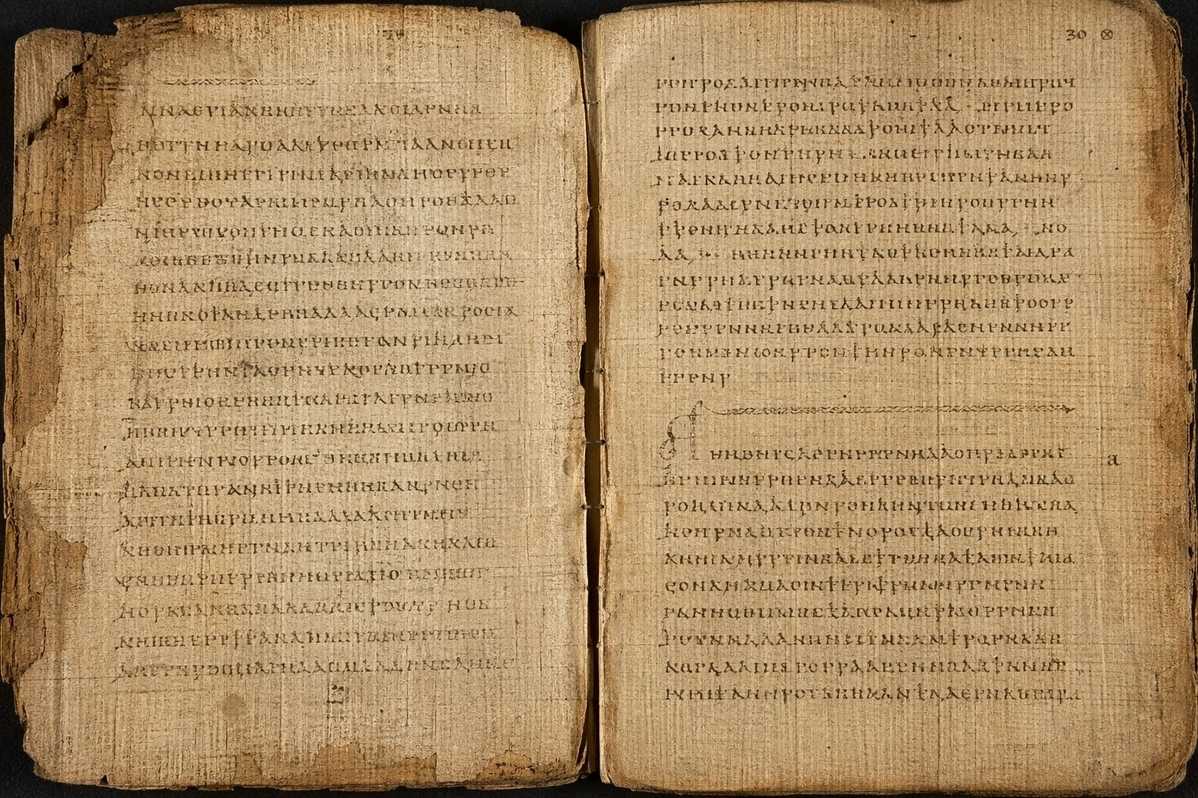
Codex III was discovered in December 1945 near the town of Nag Hammadi in Upper Egypt, buried alongside eleven other codices in a sealed jar at the foot of the Jabal al-Tarif cliffs. The codex contains approximately 140 pages of Coptic text, making it one of the longer volumes in the collection. The texts are written primarily in the Subachmimic dialect, with occasional Sahidic influences that suggest a scribal hand familiar with multiple Coptic variants and possibly working within a bilingual scholastic environment [3]. Paleographical analysis places the copying in the mid-to-late fourth century CE, though the Greek originals of the tractates likely circulated between the second and third centuries [4].
The physical condition of Codex III presents moderate challenges. The Apocryphon of John survives in relatively good condition, though with some lacunae in its opening pages. The Gospel of the Egyptians is fragmentary in its opening sections but becomes more coherent as it proceeds. Eugnostos the Blessed and the Sophia of Jesus Christ are comparatively well-preserved, while the Dialogue of the Saviour shows damage in its concluding pages. The codex was bound in leather over papyrus boards, a standard format for the collection, and its placement within the buried jar suggests deliberate concealment during the ecclesiastical controversies of the fourth century–possibly during the campaign by Bishop Athanasius of Alexandria to suppress non-canonical texts in the 360s CE [7].
The presence of both Eugnostos the Blessed and the Sophia of Jesus Christ in the same codex is of particular textual interest. The Sophia is essentially a Christianised version of Eugnostos–same cosmological content, but framed as secret teaching from Jesus rather than wisdom from a pagan sage. This pairing reveals the missionary strategy of early Gnostic Christians: taking existing philosophical material and baptising it into the Jesus movement. The ancient collectors who assembled Codex III were not troubled by this diversity; they valued both the original philosophical treatise and its Christian adaptation, preserving them side by side as complementary perspectives on the same divine realities [8].
The Tractates of Codex III
The five tractates of Codex III articulate distinct modalities of Gnostic spirituality–from mythological narrative to philosophical abstraction to ritual practice to revelatory dialogue. Together they demonstrate that the Gnostic imagination was not confined to a single genre but could express itself through multiple literary forms, each suited to a different aspect of the tradition’s concerns.
Apocryphon of John (NHC III,1): A Second Witness
The Codex III version of Apocryphon of John is a second Coptic translation from the Greek original, significantly different from the versions preserved in Codices II and IV. Comparison between the copies reveals how scribes adapted and expanded their sources–some passages are abbreviated, others elaborated, and theological nuances shift subtly across the manuscripts. For scholars, this is textual gold: evidence of the fluidity of Gnostic texts in transmission, of how living communities modified their sacred literature to suit changing needs [9].
The Codex III version contains unique material absent from the other copies, including variant descriptions of the divine hierarchies and a distinctive treatment of the fall of Sophia. The text opens with the familiar frame–John grieving on the Mount of Olives after the crucifixion, approached by the Pharisees, then rescued by a vision of the Saviour who reveals the secret history of the cosmos. But the details differ: the aeonic enumerations vary, the archontic genealogies shift, and the concluding hymnody takes a different form. These are not errors but adaptations–the work of translators and copyists who shaped the text for their particular community, adding what they needed and abbreviating what they did not. For general readers, the Codex III version offers no essential doctrinal differences from the Codex II version, but the comparison illuminates how the celestial administration updated its personnel files across different branch offices [10].
Gospel of the Egyptians (NHC III,2): Sethian Cosmology and Ritual
The Gospel of the Egyptians–more properly titled the Holy Book of the Great Invisible Spirit–is a Sethian cosmological text attributed to the divine Seth, third son of Adam, who appears here as a revealer figure transmitting secret knowledge to his descendants. The text is fragmentary in its opening sections but becomes more coherent as it proceeds, presenting an elaborate cosmology involving multiple divine emanations, the fall of Sophia, and the establishment of the spiritual seed in the material world [11].
Primary Source Citation: NHC III,2 40:1-5. “The great Seth wrote this book… which the father of all gave to those who are worthy.”
What distinguishes this text is its emphasis on ritual as the necessary complement to knowledge. Baptism, anointing, and the bridal chamber are not optional extras but essential components of salvation. “He who is baptised in the water of life will be saved.” The text describes the three descents (parousias) of Seth to rescue the elect seed, culminating in the establishment of holy baptism that surpasses the thirteen aeons. The Codex III version is shorter than its Codex IV counterpart–the scribe abbreviated the baptismal hymn and condensed the invocatory sequences–but it preserves the essential structure of the ritual and its cosmological framework. This is the operations manual of the Sethian administration, the handbook that translates cosmological knowledge into ceremonial practice [12].
Eugnostos the Blessed (NHC III,3): Philosophical Emanation
Eugnostos the Blessed is a philosophical treatise on the nature of the divine, presented as teaching from a sage named Eugnostos (“well-knowing”). The text describes the generation of the pleroma in abstract, non-mythological terms–more like Neoplatonic metaphysics than biblical narrative. It is a rare example of Gnostic philosophical theology stripped of mythological personification, presenting the cosmos as the overflow of divine abundance rather than the product of error or fall [13].
Primary Source Citation: NHC III,3 70:1-5. “The unmoveable, eternal, ineffable father exists before all things.”
The text presents a hierarchy of divine emanations: the unbegotten Father, the Self-grown Father, the Immortal Androgynous Man, the divine aeons and powers, down to the material cosmos. Unlike the mythological narratives of the Apocryphon of John, Eugnostos employs negative theology alongside positive description–the Father is ineffable, unnameable, incomprehensible, yet also perfect, blessed, the source of all mind and power. The Codex III version differs from its Codex V counterpart in significant ways, including variations in the description of the divine hierarchy and the process of emanation. Scholars debate whether these differences reflect different Greek originals, distinct translation strategies, or deliberate theological modification. For readers, Eugnostos offers a philosophical entry into Gnostic metaphysics–the filing system of eternity rendered as abstract exposition rather than mythological drama [14].
Sophia of Jesus Christ (NHC III,4): Christianised Wisdom
The Sophia of Jesus Christ is a revelation dialogue in which the risen Jesus appears to his disciples and answers their questions about cosmology, anthropology, and salvation. The text is essentially a Christianised version of Eugnostos the Blessed–same cosmological content, but framed as secret teaching from Jesus rather than wisdom from a pagan sage. This adaptation reveals the missionary strategy of early Gnostic Christians: taking existing philosophical material and baptising it into the Jesus movement, transforming a treatise on divine emanation into a post-resurrection dialogue [15].
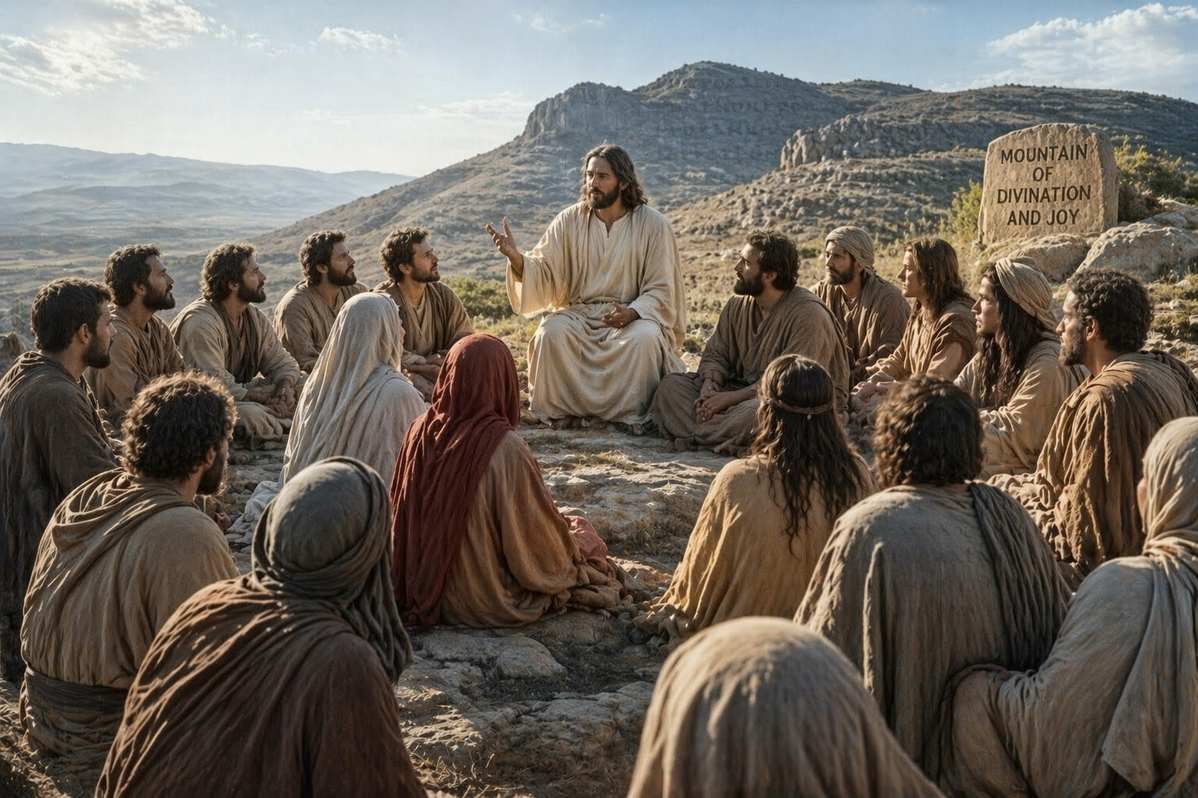
Primary Source Citation: NHC III,4 90:1-5. “After he rose from the dead, his twelve disciples and seven women continued to be his followers… they came to the mountain called ‘Divination and Joy’.”
The text opens with the disciples gathered on a mountain, grieving and perplexed after the crucifixion. Jesus appears in the guise of an angel of light and begins to answer their questions about the origin of the cosmos, the nature of humanity, and the path of return. The cosmological content follows Eugnostos closely–the same hierarchy of emanations, the same account of divine overflow–but the framing transforms its significance. What was philosophical wisdom becomes apostolic revelation; what was abstract metaphysics becomes the secret teaching of the Saviour. The text is notable for its inclusion of Mary Magdalene among the questioners, and for Jesus’ praise of her understanding: “Blessed are you, Mary, for you have understood.” This has made the text significant for feminist theology and for understanding the role of women in early Gnostic circles [16].
Primary Source Citation: NHC III,4 114:15-20. “Blessed are you, Mary, for you have understood.”
Dialogue of the Saviour (NHC III,5): The Unique Jewel
The Dialogue of the Saviour is the unique jewel of Codex III–a text found nowhere else in the library. It presents Jesus in conversation with Matthew, Judas (not Iscariot), and Mary Magdalene, answering their questions about the nature of reality, the path of salvation, and the end of the age. The format is question-and-answer, but the content is dense, technical, and often obscure–full of paradoxical formulations that resist easy interpretation and demand sustained attention from the reader [17].
Primary Source Citation: NHC III,5 120:1-5. “The passibility that is above is the source of the impassibility that is within the passibility.”
The text is rich with practical instruction alongside its cosmological abstraction. “Pray in the place where there is no woman.” “Destroy the works of femaleness.” These troubling passages–which scholars interpret as references to dissolving gender categories rather than misogyny–sit alongside elevated praise of Mary Magdalene, who is called “the one who makes the truth prevail.” The Dialogue thus preserves a complex and sometimes contradictory attitude toward gender that reflects the broader tensions in Gnostic traditions between ascetic renunciation and the valuation of female spiritual authority. The text also contains unique eschatological material, including detailed descriptions of the dissolution of the cosmos and the final gathering of the elect. For advanced readers, the Dialogue offers perspectives on the end of the age found nowhere else in the library–classified intelligence from the eschatological planning division that was never circulated to the other departments [18].
The Diversity of Gnostic Literary Forms
Codex III preserves five distinct literary genres: mythological narrative (Apocryphon of John, Gospel of the Egyptians), philosophical treatise (Eugnostos the Blessed), revelation dialogue (Sophia of Jesus Christ, Dialogue of the Saviour), and secret book (Apocryphon of John). This diversity reveals that Gnosticism was not a single literary tradition but a broad movement capable of generating multiple forms of expression, each suited to a different audience and a different aspect of the tradition’s concerns [19].
The relationship between Eugnostos and the Sophia of Jesus Christ is particularly instructive. The same cosmological content appears in both texts–the same hierarchy of divine emanations, the same account of the generation of the material world–but the framing transforms its meaning. Eugnostos addresses the philosophically inclined reader with abstract metaphysics; the Sophia addresses the Christian community with apostolic authority. This is not plagiarism but adaptation–the same filing system reorganised for a different department, the same intelligence briefings rewritten for a different security clearance. The ancient collectors who placed both texts in the same codex recognised their complementarity: they are different routes to the same destination, different passwords for the same celestial gates [20].
The Dialogue of the Saviour adds yet another dimension. Its question-and-answer format, its eschatological focus, and its complex gender theology distinguish it from every other text in the library. It is not a creation myth, not a philosophical treatise, not a ritual handbook, but a conversation–a record of disciples asking the questions that readers themselves might ask, and receiving answers that are sometimes clear, sometimes cryptic, always demanding further reflection. This is Gnosticism as dialogue rather than doctrine, as process rather than system, as ongoing conversation rather than fixed revelation [21].
Reading Codex III: A Guided Approach
For newcomers to Nag Hammadi, Codex III offers multiple entry points. The Sophia of Jesus Christ is the most accessible of the tractates–its dialogue format, familiar figures, and clear cosmological exposition make it readable even for those without extensive background. The Gospel of the Egyptians follows naturally, providing the mythological narrative that undergirds the Sophia’s philosophical framework. Eugnostos the Blessed is more demanding, requiring some familiarity with Platonic metaphysics, but it rewards attention with its elegant abstraction and systematic exposition [22].
The Apocryphon of John in Codex III should be read comparatively–set alongside the versions in Codices II and IV to understand textual variation and scribal adaptation. The Dialogue of the Saviour is the most challenging text in the codex, requiring background in Gnostic cosmology and eschatology before its paradoxical formulations can be appreciated. Beginners are advised to leave the Dialogue for last, approaching it only after gaining familiarity with the other tractates and with foundational texts from elsewhere in the library [23].
For advanced study, Codex III demands thematic reading. Compare Eugnostos with the Sophia of Jesus Christ to understand how philosophical material was Christianised. Read the Apocryphon of John alongside the Creation Myths collection to map the full range of Sethian cosmogony. Study the Gospel of the Egyptians with the Five Seals article to understand the ritual context of Sethian baptism. And set the Dialogue of the Saviour alongside the Apocalypses collection to trace the development of Gnostic eschatology. Such comparison reveals both the shared concerns and the distinctive contributions that make each text unique [24].
Why Codex III Matters
This codex preserves the diversity of Gnostic literary forms: mythological narrative, philosophical treatise, revelation dialogue, and secret book. No other codex offers such range. For understanding how Gnostic traditions developed and adapted, Codex III is essential. The relationship between Eugnostos and the Sophia of Jesus Christ shows how philosophical material was Christianised for new audiences. The multiple versions of the Apocryphon of John reveal the textual fluidity of living traditions. And the unique Dialogue of the Saviour preserves perspectives on eschatology and gender that are lost elsewhere in the collection [25].
Codex III is not the most accessible entry point for newcomers–that distinction belongs to Codex II with its Gospel of Thomas and Gospel of Truth. But for those seeking depth, diversity, and the full range of Gnostic expression, it is indispensable. It demonstrates that ancient Gnosticism was not a single sect with a fixed creed but a broad movement encompassing multiple literary genres, multiple theological approaches, and multiple strategies for addressing the human condition. The codex stands as the cross-departmental conference of the Nag Hammadi Library–the place where every division of the celestial administration presents its own briefing, and the attentive reader discovers that the path to the executive headquarters can be mapped in myth, argued in philosophy, enacted in ritual, and discussed in dialogue [26].
For historians of religion, Codex III offers crucial evidence for the adaptability and pluralism of ancient Gnostic communities. The preservation of both Eugnostos and its Christianised adaptation in the same codex reveals a community that valued philosophical wisdom alongside apostolic revelation. The inclusion of the Dialogue of the Saviour–found nowhere else–testifies to the collectors’ commitment to preserving unique perspectives, even when those perspectives were difficult or controversial. This is the pluralist archive of Gnostic spirituality, the collection that refuses to reduce the tradition to a single voice and instead preserves the conversation in all its complexity [27].

Frequently Asked Questions
What is Codex III in the Nag Hammadi Library?
Codex III is one of the twelve codices discovered near Nag Hammadi in 1945, known for its extraordinary diversity of literary forms. It contains five tractates: the Apocryphon of John, the Gospel of the Egyptians, Eugnostos the Blessed, the Sophia of Jesus Christ, and the Dialogue of the Saviour. These texts span mythological narrative, philosophical treatise, ritual cosmology, and revelation dialogue.
What are the five tractates of Codex III?
The five tractates are: (1) Apocryphon of John (NHC III,1)–a second Coptic version of the Sethian creation myth; (2) Gospel of the Egyptians (NHC III,2)–a ritual cosmological text attributed to Seth; (3) Eugnostos the Blessed (NHC III,3)–a philosophical treatise on divine emanation; (4) Sophia of Jesus Christ (NHC III,4)–a Christianised revelation dialogue; and (5) Dialogue of the Saviour (NHC III,5)–a unique question-and-answer text found nowhere else in the library.
How does the Codex III Apocryphon of John differ from other versions?
The Codex III version is a second Coptic translation from the Greek original, with significant differences from Codices II and IV. It contains unique material including variant descriptions of divine hierarchies and a distinctive treatment of the fall of Sophia. Scholars consider these variations evidence of textual fluidity–adaptations by scribes for different community needs rather than errors in transmission.
What is the relationship between Eugnostos and Sophia of Jesus Christ?
The Sophia of Jesus Christ is essentially a Christianised version of Eugnostos the Blessed. Both texts share the same cosmological content–the hierarchy of divine emanations and the generation of the material world–but the Sophia frames this wisdom as secret teaching from the risen Jesus to his disciples, while Eugnostos presents it as philosophical instruction from a pagan sage.
What makes the Dialogue of the Saviour unique?
The Dialogue of the Saviour (NHC III,5) is found nowhere else in the Nag Hammadi Library. It presents Jesus in conversation with Matthew, Judas (not Iscariot), and Mary Magdalene, answering questions about reality, salvation, and the end of the age. Its dense, paradoxical formulations and unique eschatological perspectives distinguish it from every other text in the collection.
Why is Mary Magdalene significant in Codex III texts?
Mary Magdalene appears prominently in both the Sophia of Jesus Christ and the Dialogue of the Saviour. In the Sophia, Jesus praises her understanding with the words ‘Blessed are you, Mary, for you have understood.’ In the Dialogue, she is called ‘the one who makes the truth prevail.’ These passages have made Codex III significant for feminist theology and for understanding women’s roles in early Gnostic circles.
How should readers approach the diverse texts of Codex III?
Beginners should start with the Sophia of Jesus Christ for its accessible dialogue format, then the Gospel of the Egyptians for mythological narrative, then Eugnostos for philosophical depth. The Apocryphon of John should be read comparatively across Codices II, III, and IV. The Dialogue of the Saviour requires advanced preparation and is best approached last, after gaining familiarity with foundational Gnostic cosmology.
Further Reading
These links connect Codex III to related resources within the ZenithEye library, providing pathways for deeper exploration of specific texts, textual variants, and the diversity of Gnostic literary forms.
- Nag Hammadi Library: Complete Guide to 46 Gnostic Scriptures — Master index and navigational hub for all forty-six tractates and thematic collections.
- Three Witnesses: The Apocryphon of John Across Codices — Comparative study of the Apocryphon across Codices II, III, and IV, tracing textual development and scribal variation.
- Gospel of the Egyptians: Sethian Cosmogony and Ritual — Detailed individual tractate study exploring the Holy Book of the Great Invisible Spirit and its baptismal ceremonies.
- Eugnostos the Blessed: The Letter of the Wise — In-depth analysis of the philosophical treatise on divine emanation and its non-mythological cosmology.
- Dialogue of the Saviour: Living Knowledge — Examination of the unique question-and-answer text and its eschatological perspectives.
- Codex II: The Crown Jewels — Overview of the codex containing alternative versions of the Apocryphon of John and the Gospel of Truth for comparison.
- Codex IV: The Scholars’ Codex — Comparative codex overview examining expanded versions of Sethian texts and the study of textual fluidity.
- The Five Seals: Sethian Initiation — Ritual context for the baptismal ceremonies underlying the Gospel of the Egyptians and related tractates.
- Creation Myths in the Nag Hammadi Library — Thematic collection positioning the Apocryphon of John and Gospel of the Egyptians within the broader landscape of Gnostic cosmogony.
- The Complete Nag Hammadi Reading Order — Structured path through all forty-six tractates, with guidance on building preparation for the diverse texts of Codex III.
References and Sources
The following sources support the claims and quotations presented in this article. All citations to the Nag Hammadi Library represent direct translations from the Coptic text as established in the standard critical editions.
Primary Sources and Critical Editions
- [1] Robinson, J.M. (Ed.). (1988). The Nag Hammadi Library in English (4th ed.). Brill.
- [2] Meyer, M. (Ed.). (2007). The Nag Hammadi Scriptures: The International Edition. HarperOne.
- [3] Waldstein, M. & Wisse, F. (1995). The Apocryphon of John: Synopsis of Nag Hammadi Codices II,1; III,1; and IV,1 with BG 8502,2. Brill.
- [4] Turner, J.D. (1979). “The Gospel of the Egyptians (NHC III,2 and IV,2).” In Nag Hammadi Codices III,2 and IV,2. NHS 20. Brill.
- [5] Parrott, D.M. (1979). “Eugnostos the Blessed (V,1) and the Sophia of Jesus Christ (III,4).” In Nag Hammadi Codices V,2-5 and VI. NHS 11. Brill.
Scholarly Monographs and Commentaries
- [6] Pearson, B.A. (2007). Ancient Gnosticism: Traditions and Literature. Fortress Press.
- [7] Layton, B. (1987). The Gnostic Scriptures. Doubleday.
- [8] Turner, J.D. (2001). Sethian Gnosticism and the Platonic Tradition. Peeters.
- [9] Williams, M.A. (1996). Rethinking “Gnosticism”: An Argument for Dismantling a Dubious Category. Princeton University Press.
- [10] King, K.L. (2006). The Secret Revelation of John. Harvard University Press.
Comparative Studies and Thematic Analyses
- [11] Schenke, H.-M. (1974). “The Phenomenon and Significance of Gnostic Sethianism.” In The Rediscovery of Gnosticism, Vol. 2. Brill.
- [12] Pagels, E.H. (1979). The Gnostic Gospels. Random House.
- [13] Koester, H. & Pagels, E.H. (1979). “The Dialogue of the Saviour (III,5).” In Nag Hammadi Codices III,2 and IV,2. NHS 20. Brill.
- [14] Mahé, J.P. (1995). “Hermetic Texts in Nag Hammadi.” In La Fable Apocryphe. Brepols.
- [15] Jenott, L. (2011). The Gospel of Judas: Coptic Text, Translation, and Historical Interpretation. Mohr Siebeck.