The Gospel of the Egyptians: Sethian Cosmogony and the Great Seth
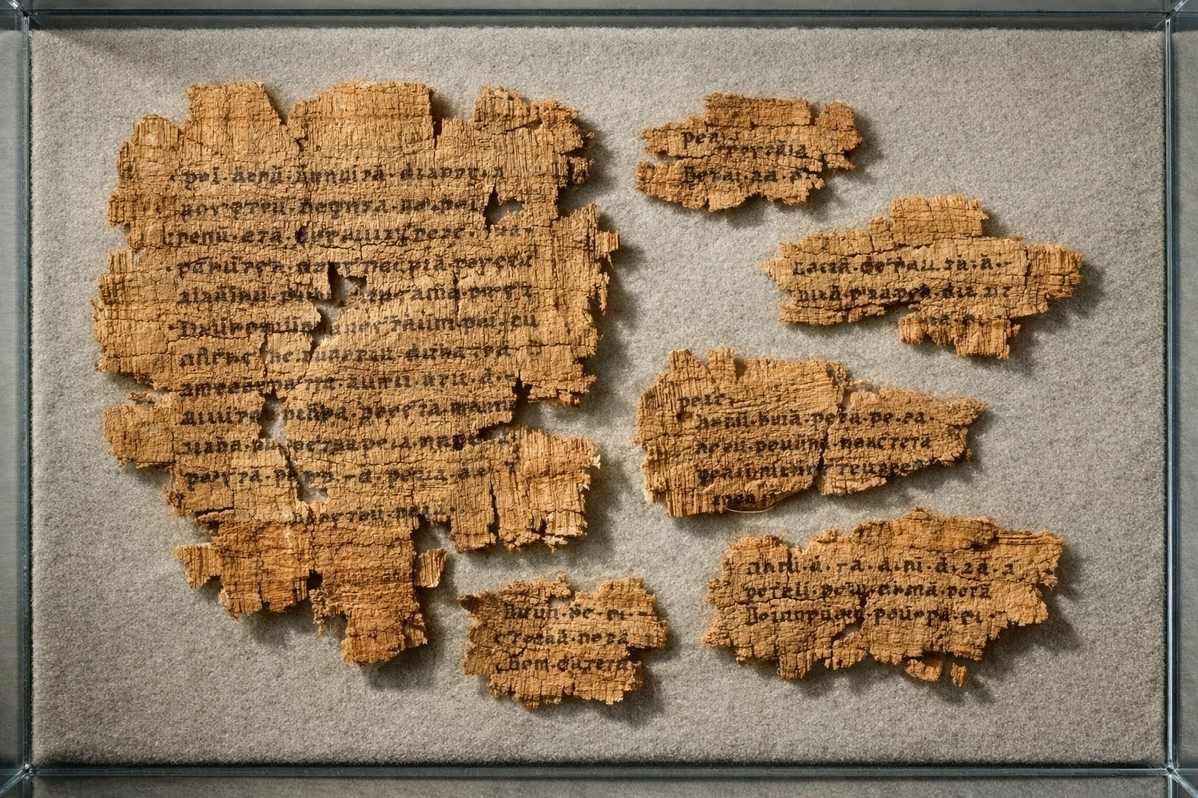
The Holy Book of the Great Invisible Spirit, often called the Gospel of the Egyptians, is one of the most important Sethian texts in the Nag Hammadi Library. Preserved in two fragmentary witnesses, Nag Hammadi Codex III,2 and Codex IV,2, it presents a sacred account of the Great Invisible Spirit, the divine realm, the heavenly Seth, the immovable race and the ritual language of the Five Seals.
This is not a gospel in the New Testament sense of a narrative about the earthly life of Jesus. It is a Sethian holy book: a mythic, liturgical and initiatory text concerned with divine origin, spiritual lineage, sacred names, baptismal imagery and the restoration of those who belong to the light.
The text is difficult, repetitive and richly symbolic. It belongs to the same broad Sethian world as the Apocryphon of John, Trimorphic Protennoia and The Three Steles of Seth, but its emphasis is distinctive. It gives special weight to Seth, the immovable race and the Five Seals as signs of belonging, protection and return.
What is the Holy Book of the Great Invisible Spirit?
The Holy Book of the Great Invisible Spirit, also known as the Gospel of the Egyptians, is a Sethian Gnostic text preserved in Nag Hammadi Codex III and Codex IV. It presents a sacred myth of the Great Invisible Spirit, the divine realm, Seth, the immovable race and the Five Seals.
It is not a biographical gospel about Jesus. It is a holy book of Sethian origin, identity and restoration, combining mythic cosmology, sacred names, liturgical praise and initiatory imagery.
Table of Contents
- Text and Codex Setting
- Why the Holy Book Matters
- The Great Invisible Spirit
- The Divine Realm and the Four Luminaries
- Seth and the Immovable Race
- The Genealogy of Truth
- The Five Seals and Sethian Initiation
- Sophia, Repentance and Restoration
- Eschatology and Final Liberation
- Comparative Context within Sethian Tradition
- Reading the Holy Book Today
- Frequently Asked Questions
- Further Reading
- References and Sources
Text and Codex Setting
The text survives in two Nag Hammadi copies: Codex III,2 and Codex IV,2. Both are fragmentary, but together they preserve enough material to reveal a highly developed Sethian mythic and ritual system. The dual transmission also shows that this text was valued within the communities that copied and preserved the Nag Hammadi codices.
The title Gospel of the Egyptians can mislead modern readers. This is not the lost Greek Gospel of the Egyptians known from early Christian references. In the Nag Hammadi context, the text is more accurately identified by its fuller title, The Holy Book of the Great Invisible Spirit.
Its language is dense, hymnic and repetitive. It does not move like a simple story. Instead, it weaves divine names, cosmic origins, Sethian identity and ritual imagery into a sacred account of where the spiritual race comes from and how it returns.
Codex Note: The Holy Book of the Great Invisible Spirit is preserved in Nag Hammadi Codex III,2 and Codex IV,2. Its two witnesses are fragmentary but complementary, preserving a major Sethian source text on divine origin, Sethian identity and ritual restoration.
Why the Holy Book Matters
This text matters because it gives one of the richest surviving accounts of Sethian sacred identity. It is not only interested in how the cosmos began. It is interested in who belongs to the spiritual lineage of Seth, how that lineage is protected and how it is restored to the divine realm.
Many readers encounter Sethian Gnosticism through the Apocryphon of John, with its dramatic myth of Sophia, Yaldabaoth and the archons. The Holy Book of the Great Invisible Spirit belongs to the same world, but its energy is more liturgical and initiatory. It focuses on praise, sacred naming, heavenly genealogy and the Five Seals.
It also shows that Gnostic traditions were not only speculative philosophies. They could include ritual identity, communal memory and sacred performance. The Five Seals are not presented as decorative symbolism only. They belong to a wider language of transformation, belonging and return.
In the Nag Hammadi source layer, this text is a crucial companion to The Three Steles of Seth. Both centre the immovable race and Sethian identity. The Three Steles gives the hymnic voice of praise; the Holy Book gives the mythic and ritual framework around that identity.
The Great Invisible Spirit
The highest divine reality in the text is the Great Invisible Spirit. This source is beyond ordinary sight, name and measurement. It is described in language of purity, light, holiness and transcendence. Like other Sethian texts, the Holy Book begins by placing the ultimate source beyond the lower world and beyond the powers that govern it.
The invisibility of the Spirit is not weakness or absence. It is transcendence. The Great Invisible Spirit is not one being among many, nor a creator inside the universe. It is the hidden source from which divine fullness and spiritual life proceed.
This is why the text’s theology begins in praise. The source cannot be fully explained, captured or controlled. It can only be named through reverent language, sacred repetition and symbolic description. The highest reality is approached through awe before it is approached through analysis.
Primary Source Theme: The Great Invisible Spirit is praised as holy, hidden, luminous and beyond ordinary naming. The text begins by establishing a divine source higher than the lower cosmic powers.
The Divine Realm and the Four Luminaries
From the Great Invisible Spirit unfolds the divine realm of fullness. As in other Sethian texts, this realm is ordered through luminous powers, sacred names and spiritual regions. The Four Luminaries, Harmozel, Oroiael, Daveithai and Eleleth, are especially important in this wider Sethian map.
The Four Luminaries are not minor decorative beings. They structure the heavenly realm and organise the placement of the spiritual seed. In texts such as the Apocryphon of John and The Three Steles of Seth, they help define the architecture of the Pleroma and the path of return.
In the Holy Book, this divine architecture supports the identity of Seth and the immovable race. The spiritual community does not belong to a vague heaven. It belongs to a named and ordered realm of light, with sacred genealogy and ritual signs that mark its origin.
For readers, this means the text should not be treated as chaotic mythology. It is dense, yes, but not random. Its divine names form a symbolic map of origin, belonging and return.
Seth and the Immovable Race
Seth is central to the text. In the biblical book of Genesis, Seth appears as the son born after Abel’s death. In Sethian Gnostic tradition, he becomes far more than a replacement child. He is the spiritual progenitor of the immovable race, the bearer of a hidden lineage that preserves knowledge of the divine source.
The immovable race refers to those who belong to the spiritual seed. This phrase is not about racial identity in the modern biological sense. It is a mythic and theological expression for a spiritual lineage rooted in the Pleroma rather than in the unstable lower world.
To be “immovable” is to be anchored in origin. The lower world changes, pressures, confuses and forgets. The spiritual seed remembers. Its stability comes not from stubbornness, but from belonging to a higher source.
This theme links the Holy Book closely with The Three Steles of Seth. Both texts imagine the Sethian community as a sacred lineage, not merely a group of readers who share ideas. Identity is liturgical, genealogical and spiritual.
Reading Note: The “immovable race” should be read as a symbolic Sethian identity marker. It describes spiritual origin and belonging, not modern biological race.
The Genealogy of Truth
The text places strong emphasis on sacred genealogy. Seth is not only remembered as a biblical figure. He becomes the channel through which hidden teaching and spiritual identity are transmitted. This genealogy is a genealogy of truth.
In many ancient traditions, genealogy does more than list ancestors. It tells a community who they are, where they come from and what kind of authority they inherit. In the Holy Book, Sethian genealogy becomes a way of saying that spiritual knowledge has a hidden continuity across generations.
This helps explain why names matter so much in Sethian texts. Sacred names, ancestral names and divine names preserve memory. They resist forgetfulness. They keep the spiritual lineage connected to the realm from which it comes.
The genealogy of truth therefore functions as a counter-memory. Against the lower world’s forgetfulness, the text remembers Seth, the immovable race, the Great Invisible Spirit and the path of return.
The Five Seals and Sethian Initiation
The Five Seals are one of the most important ritual themes in Sethian literature. The Holy Book of the Great Invisible Spirit is one of the major sources for this language, linking sealing, baptismal imagery and spiritual restoration to the identity of Seth’s seed.
Modern readers should be cautious about reconstructing the exact ancient ritual too confidently. The evidence is fragmentary, symbolic and debated. Still, the broad meaning is clear: the Five Seals mark transformation, protection, purification and recognition of the spiritual person’s higher origin.
In Sethian thought, the seals do not create the divine spark from nothing. They reveal, protect and confirm what belongs to the light. The initiate is marked as one who does not finally belong to the lower powers.
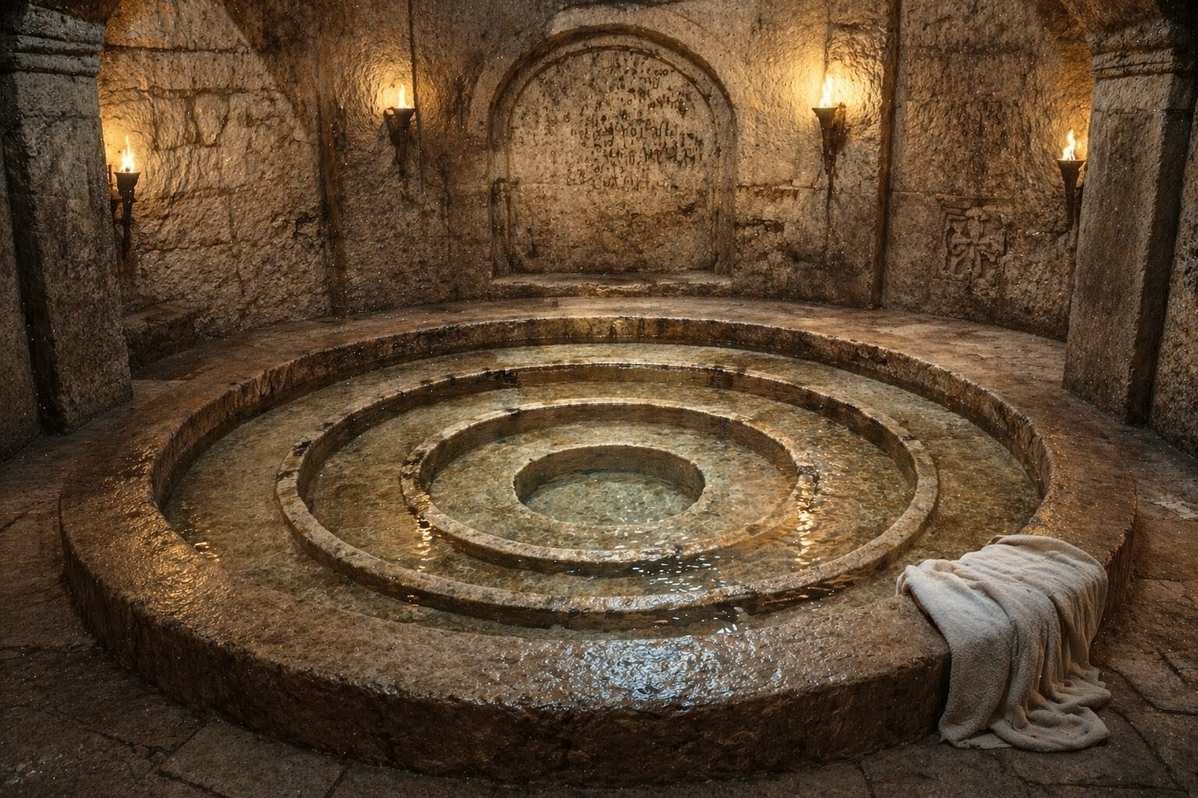
The seals are often associated with baptismal and initiatory imagery: water, anointing, sacred names, garments of light and belonging to the divine realm. The language suggests a ritual world in which myth, body, speech and spiritual identity were joined together.
Primary Source Theme: The Five Seals mark the spiritual person as belonging to the realm of light. They belong to a wider Sethian pattern of baptismal imagery, sacred naming, protection and restoration.
Why the Five Seals Matter
The Five Seals matter because they show that Sethian Gnosticism was not only an intellectual system. It included ritual language and embodied signs of transformation. The soul’s return was not merely thought about. It was marked, spoken, enacted and remembered.
This connects the Holy Book with other Sethian materials, including the Apocryphon of John, Trimorphic Protennoia and The Three Steles of Seth. Across these texts, salvation is not just information. It is recognition sealed into identity.
Sophia, Repentance and Restoration
The Holy Book also belongs to the wider world of Sophia traditions. In Sethian myth, Sophia’s movement outside the harmony of the Pleroma leads to deficiency, the lower world and the emergence of ignorant powers. Different texts handle this drama in different ways.
In the Apocryphon of John, Sophia’s error leads to the birth of Yaldabaoth and the archonic cosmos. In other texts, Sophia’s repentance, grief and restoration receive greater emphasis. The Holy Book participates in this wider pattern of error, recognition and return.
The important point is that deficiency is not the final word. The movement of restoration runs through the text. The spiritual seed can be sealed. The immovable race can remember. The lower powers do not have the last claim over what belongs to the light.
This makes the Sophia motif more than a cosmic backstory. It becomes the pattern of the soul: confusion, recognition, repentance, restoration and return.
Eschatology and Final Liberation
The text also looks towards final liberation. Like many Sethian works, it imagines a conflict between the spiritual seed and the lower powers. This conflict is cosmic, but it is also symbolic: the struggle between ignorance and knowledge, false rule and divine origin, forgetfulness and remembrance.
The eschatological language should not be reduced to literal spectacle. In the logic of the text, final liberation means the exposure of false powers and the restoration of those who belong to the Great Invisible Spirit.
The immovable race is not saved by worldly strength. It is saved by origin, knowledge, sealing and divine belonging. The lower world may rage, deceive or collapse, but the spiritual seed is held by a higher reality.
This gives the text its dramatic spiritual confidence. The lower powers can obstruct, but they cannot finally own what they did not create.
Comparative Context within Sethian Tradition
The Holy Book of the Great Invisible Spirit sits at the heart of the Sethian source layer. It shares major concerns with the Apocryphon of John, especially the distinction between the highest source and the lower rulers. It shares with The Three Steles of Seth a concern with Seth, the immovable race and sacred praise. It shares with Trimorphic Protennoia the language of divine descent, voice and restoration.
Where the Apocryphon of John gives a more expansive creation myth, the Holy Book gives a dense holy-book structure of origin, naming, ritual and eschatological expectation. Where The Three Steles gives communal hymns, the Holy Book gives more mythic and initiatory context for the same Sethian identity.
It also stands near texts such as Zostrianos and Allogenes, though those later works move into more abstract ascent and philosophical language. The Holy Book remains closer to mythic ritual imagination: sacred names, seals, divine genealogy and the preservation of the seed of Seth.
Read together, these texts show that Sethian Gnosticism was not one single tone. It could be mythic, liturgical, ritual, philosophical, visionary and contemplative. The Holy Book is one of the places where those currents gather with unusual intensity.
Reading the Holy Book Today
Read this text slowly and with patience. It can feel strange because it does not behave like modern religious prose. Its repeated names, dense mythic sequences and ritual language are part of its form. It is closer to sacred chant, symbolic genealogy and initiatory instruction than to ordinary explanation.
Modern readers should also resist two opposite errors. One error is to dismiss the text as incoherent mythology. The other is to literalise every image into a rigid cosmic system. A better approach is symbolic, historical and contemplative: ask what the text reveals about origin, identity, ritual belonging and the soul’s relationship to false authority.
The Five Seals can be read historically as part of Sethian ritual language, and symbolically as a pattern of purification, protection and restoration. The immovable race can be read historically as Sethian communal identity, and spiritually as a language for rootedness in the divine source.
The text’s lasting gift is its insistence that spiritual identity can survive confusion, pressure and false rule. What belongs to the Great Invisible Spirit is not finally defined by the lower powers. The seed of light can be remembered, sealed and restored.
Safety Notice: This article explores symbolic, historical and spiritual ideas about archons, hidden powers, seals, spiritual identity, divine origin and final liberation. It is intended for grounded study of ancient texts, not as medical, psychological, legal or spiritual advice. If ideas about hidden control, unseen powers, cosmic systems or spiritual identity become distressing, obsessive or destabilising, please seek support from a qualified mental health professional or appropriate emergency service.
Frequently Asked Questions
What is the Holy Book of the Great Invisible Spirit?
The Holy Book of the Great Invisible Spirit, also known as the Gospel of the Egyptians, is a Sethian Gnostic text preserved in Nag Hammadi Codex III and Codex IV. It presents a sacred myth of the Great Invisible Spirit, Seth, the immovable race, the divine realm and the Five Seals.
Is the Gospel of the Egyptians a New Testament-style gospel?
No. The Nag Hammadi Gospel of the Egyptians is not a narrative gospel about the earthly life of Jesus. It is a Sethian holy book of mythic origin, sacred names, spiritual genealogy and initiatory restoration.
Where is the Holy Book of the Great Invisible Spirit found?
It is preserved in two fragmentary Nag Hammadi witnesses: Codex III,2 and Codex IV,2. These two copies help scholars reconstruct the text’s mythic and ritual content.
What is the Great Invisible Spirit?
The Great Invisible Spirit is the highest divine source in the text. It is described as hidden, luminous, holy and beyond ordinary naming. From this source unfolds the divine realm associated with Sethian cosmology.
What is the immovable race?
The immovable race is a Sethian term for the spiritual lineage associated with Seth. It does not refer to modern biological race. It describes those whose true origin is rooted in the Pleroma rather than in the unstable lower world.
What are the Five Seals?
The Five Seals are a major Sethian ritual and symbolic theme associated with baptismal imagery, purification, protection and restoration. In the Holy Book, they mark the spiritual person’s belonging to the realm of light and the recovery of higher identity.
How is this text related to the Apocryphon of John?
Both texts belong to the Sethian Gnostic tradition and share themes such as the highest divine source, Sophia, lower rulers, Sethian identity and spiritual restoration. The Apocryphon of John gives a more expansive creation myth, while the Holy Book emphasises sacred genealogy, naming and the Five Seals.
How should modern readers approach the Holy Book of the Great Invisible Spirit?
Modern readers should approach it as a dense Sethian source text, not as simple narrative. It rewards slow symbolic reading, especially alongside the Apocryphon of John, the Three Steles of Seth, Trimorphic Protennoia and studies of the Five Seals.
Further Reading
Continue through the related Sethian and Nag Hammadi source layer:
- The Apocryphon of John: the major Sethian creation text, useful for comparing Sophia, Yaldabaoth, the archons and the divine spark.
- The Three Steles of Seth: Sethian hymns of praise centred on the immovable race and the divine realm.
- The Five Seals: a focused study of Sethian initiation, sealing and spiritual restoration.
- Trimorphic Protennoia: the threefold descent of First Thought and the divine voice of restoration.
- Reality of the Archons: a companion source on archonic rule, Eve and spiritual liberation.
- Zostrianos: a major Sethian ascent text through the aeons.
- Allogenes: another Sethian ascent text focused on the unknowable divine source.
- Codex III: context for one of the manuscripts preserving the Holy Book of the Great Invisible Spirit.
- Gnostic Schools: a comparative overview of Sethian, Valentinian, Hermetic and related currents.
- Nag Hammadi Library: Complete Guide to the Gnostic Scriptures: the broader archive guide to the codices, tractates and traditions.
References and Sources
The following sources support the historical, textual and interpretive claims made in this article.
Primary Sources and Critical Editions
- Robinson, James M., ed. The Nag Hammadi Library in English. Harper & Row / HarperSanFrancisco, revised editions.
- Meyer, Marvin, ed. The Nag Hammadi Scriptures. HarperOne, 2007.
- Layton, Bentley. The Gnostic Scriptures. Doubleday, 1987.
- Böhlig, Alexander, and Frederik Wisse. Editions and studies of The Gospel of the Egyptians / The Holy Book of the Great Invisible Spirit in the Coptic Gnostic Library tradition.
- The Holy Book of the Great Invisible Spirit. Nag Hammadi Codex III,2 and Codex IV,2.
Scholarly Monographs and Specialised Studies
- Turner, John D. Sethian Gnosticism and the Platonic Tradition. Presses de l’Université Laval, 2001.
- Schenke, Hans-Martin. “The Phenomenon and Significance of Gnostic Sethianism,” in The Rediscovery of Gnosticism. Brill, 1981.
- King, Karen L. What Is Gnosticism? Harvard University Press, 2003.
- Brakke, David. The Gnostics: Myth, Ritual, and Diversity in Early Christianity. Harvard University Press, 2010.
- Logan, Alastair H. B. Gnostic Truth and Christian Heresy. T&T Clark, 1996.
- Pearson, Birger A. Ancient Gnosticism: Traditions and Literature. Fortress Press, 2007.
- Rasimus, Tuomas. Paradise Reconsidered in Gnostic Mythmaking. Brill, 2009.
Comparative Studies and Context
- Waldstein, Michael, and Frederik Wisse. The Apocryphon of John: Synopsis of Nag Hammadi Codices II,1; III,1; and IV,1 with BG 8502,2. Brill, 1995.
- DeConick, April D. The Gnostic New Age: How a Countercultural Spirituality Revolutionized Religion from Antiquity to Today. Columbia University Press, 2016.
- Williams, Michael Allen. Rethinking “Gnosticism”: An Argument for Dismantling a Dubious Category. Princeton University Press, 1996.
- Painchaud, Louis. Studies on Sethian cosmogonic texts and On the Origin of the World.
- DeConick, April D., Gregory Shaw and John D. Turner, eds. Practicing Gnosis: Ritual, Magic, Theurgy and Liturgy in Nag Hammadi, Manichaean and Other Late Antique Literature. Brill, 2013.
Reading Note: The Holy Book of the Great Invisible Spirit is best read beside The Three Steles of Seth, Trimorphic Protennoia and the Apocryphon of John. Together, these texts reveal the Sethian pattern of divine origin, sacred lineage, descent, sealing, praise and return.