Trimorphic Protennoia: Three Forms of First Thought
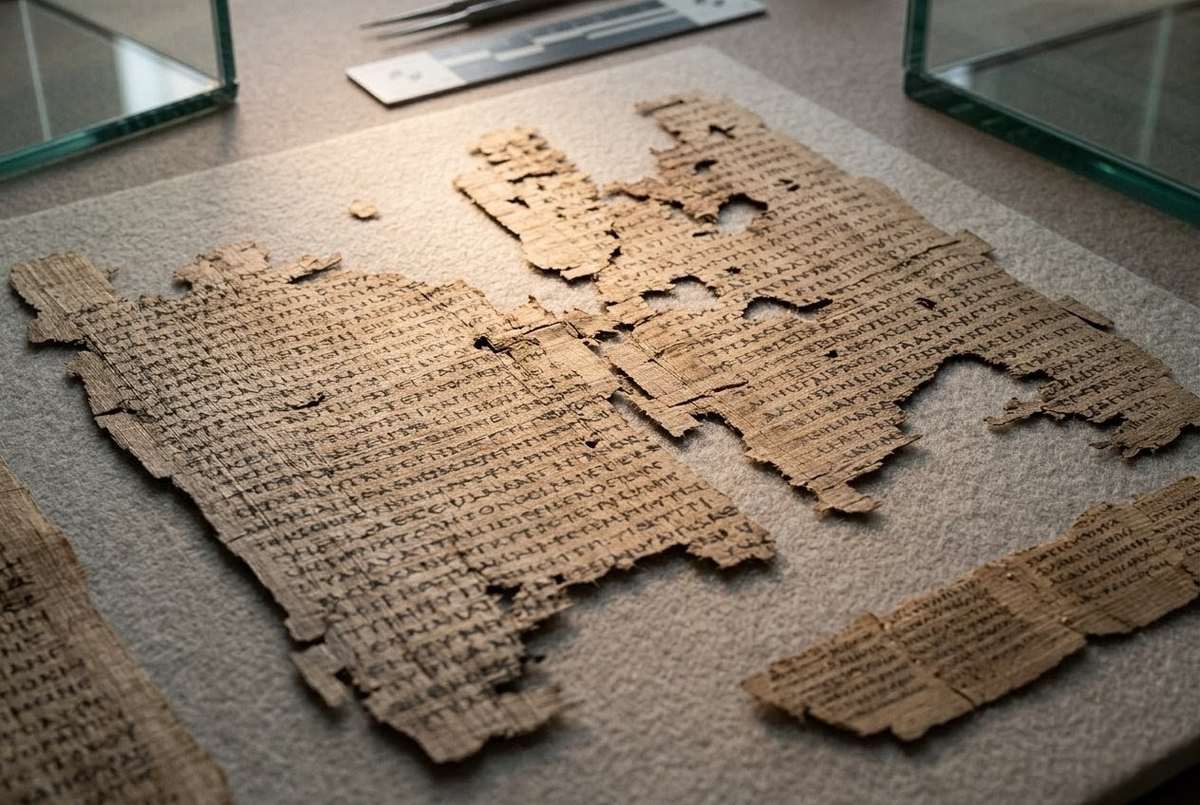
Trimorphic Protennoia, or Three-Formed First Thought, is one of the most difficult and luminous texts in the Nag Hammadi Library. Preserved in Codex XIII, it belongs to the Sethian Gnostic stream and speaks in the first person through a divine feminine voice associated with Protennoia, Barbelo, First Thought and the revelatory Word.
Unlike the Apocryphon of John, which unfolds as a revelation given to John, Trimorphic Protennoia speaks as revelation itself. The divine voice does not merely describe descent into the lower world. She descends through speech. She declares, awakens, conceals herself, reveals herself and calls the spiritual seed back to its origin.
The text is called “trimorphic” because the revelation unfolds in three forms or modes. These are often understood as a threefold descent of divine First Thought: from hidden origin, through generative voice, into saving revelation within the lower realm. The result is not a simple story, but a hymn of descent and return, a ritualised voice that turns cosmology into recognition.
What is Trimorphic Protennoia?
Trimorphic Protennoia means “Three-Formed First Thought”. It is a Sethian Gnostic revelation text preserved in Nag Hammadi Codex XIII. The speaker is a divine feminine voice associated with Barbelo or Protennoia, the First Thought of the Invisible Spirit.
The text describes a threefold descent of divine revelation into the lower world. It uses first-person “I am” language, hymnic repetition and baptismal imagery, especially the Five Seals, to present salvation as awakening, recognition and restoration to the realm of light.
Table of Contents
- Text and Codex Setting
- Why Trimorphic Protennoia Matters
- Protennoia: First Thought and Divine Voice
- The Threefold Descent
- First Descent: Hidden Thought in the Light
- Second Descent: Mother, Voice and Generative Power
- Third Descent: The Word Enters the Lower Realm
- The Five Seals and Sethian Restoration
- The Mirror of Recognition
- Comparative Reading: Apocryphon, Thunder and Protennoia
- Reading Trimorphic Protennoia Today
- Frequently Asked Questions
- Further Reading
- References and Sources
Text and Codex Setting
Trimorphic Protennoia is preserved in Nag Hammadi Codex XIII as its major surviving tractate. The codex is fragmentary, which makes the text demanding to read and interpret, but the surviving material is enough to reveal a highly developed Sethian theology of descent, voice, light and restoration.
The title combines two important ideas. Protennoia means First Thought, a term closely related to the Sethian figure of Barbelo, the first manifestation or thought of the Invisible Spirit. Trimorphic means three-formed. The title therefore points to a divine First Thought appearing or speaking in three modes.
This makes the text especially valuable within the Nag Hammadi collection. It does not merely describe Barbelo from the outside. It allows the divine feminine principle to speak in the first person. The result is not standard narrative theology, but a revelatory hymn in which the speaker is both the message and the messenger.
Codex Note: Trimorphic Protennoia is associated with Nag Hammadi Codex XIII and belongs to the Sethian Gnostic source layer. Its fragmentary state makes careful reading necessary, but its surviving voice is among the most distinctive in the whole collection.
Why Trimorphic Protennoia Matters
The text matters because it gives the divine feminine a direct revelatory voice. In the Apocryphon of John, Barbelo is described as First Thought, Mother-Father and the first emanation of the Invisible Spirit. In Trimorphic Protennoia, that same world of thought becomes first-person proclamation.
This changes the reader’s experience. Instead of hearing about the divine realm from a narrator or revealer, the reader hears the divine voice speak as “I”. The text becomes intimate, hypnotic and liturgical. It is less a map than a voice moving through the map.
Trimorphic Protennoia also matters because it links cosmology with ritual restoration. Its references to descent, awakening and the Five Seals suggest a living world of Sethian initiation, where mythic knowledge, baptismal imagery and spiritual identity were woven together.
For modern readers, the text is a key witness to the contemplative side of Sethian Gnosticism. It is not only about archons and cosmic error. It is about voice, remembrance, divine presence and the hidden light that descends into the depths to awaken what belongs above.
Protennoia: First Thought and Divine Voice
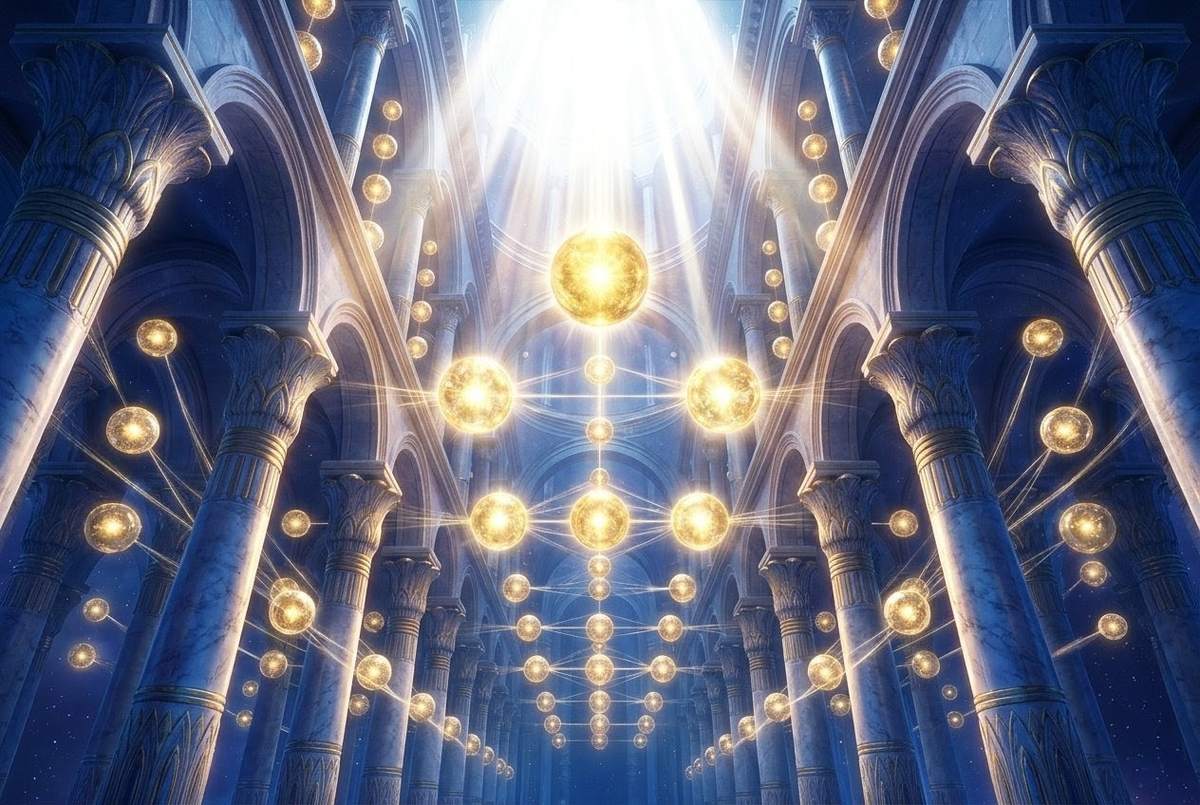
Protennoia means First Thought. In Sethian theology, First Thought is not merely an idea in the mind of God. It is a living divine principle, the first movement of self-disclosure from the hidden source. It is the divine knowing itself, turning towards manifestation without losing its root in the invisible.
This is why the text is closely associated with Barbelo. Barbelo is the first emanation of the Invisible Spirit, the Mother-Father, the womb of the All and the luminous field through which hidden divinity becomes knowable. Trimorphic Protennoia gives this principle voice.
The voice of Protennoia is therefore not simply a character speaking inside a story. It is the voice of divine self-revelation. She speaks from before the lower world, descends into the lower world, hides within it and awakens those who can hear.
The repeated “I am” formulae are central. They create a rhythm of identity rather than a sequence of arguments. The text does not merely say what Protennoia does. It lets the reader encounter her as presence, speech and recognition.
Primary Source Theme: Protennoia speaks as the Thought that dwells in the Light, the First Thought before the All. The divine feminine is presented not as secondary ornament, but as the first movement of revelation from the hidden source.
The Threefold Descent
The structure of the text is built around three descents. These descents do not function like a simple travel story. They are theological movements, modes of revelation and stages of saving activity.
The first descent speaks from the highest light, establishing the priority of First Thought before the lower world. The second descent reveals the generative and maternal dimension of divine manifestation. The third descent moves into the lower realm, where the voice awakens those trapped in ignorance and establishes the way of restoration.
These three forms are not three separate gods. They are three ways the same divine reality is disclosed: hidden thought, generative voice and saving word. The structure is one of descent without loss. Protennoia can enter the lower realm without ceasing to belong to the light.
This makes the text especially important for understanding Sethian salvation. Redemption is not only ascent from below. It begins with descent from above. The divine voice comes first, enters the depths and calls the spiritual seed to remember itself.
First Descent: Hidden Thought in the Light
The first descent establishes Protennoia’s priority. She speaks as the Thought dwelling in the Light, existing before the All. This is a claim of origin, not domination. The lower powers may appear powerful within their own realm, but they are not first. They are derivative.
By speaking from the highest light, Protennoia reveals that true authority belongs to what precedes the lower world. The archons may rule through ignorance, but they do not possess the source. Their authority is local, temporary and limited.
This first movement is contemplative. The reader is asked to look beyond the visible world, beyond the rulers and beyond ordinary thought, towards a divine intelligence prior to division. The first descent does not yet fight the lower order. It establishes that the lower order is not ultimate.
Reading Note: The first descent is about priority. First Thought exists before the world of deficiency, before archonic rule and before the soul’s forgetfulness. Recognition begins by remembering what came first.
Second Descent: Mother, Voice and Generative Power
In the second descent, Protennoia speaks in maternal and generative language. She is associated with womb, voice, formation and manifestation. What is hidden becomes spoken. What is silent becomes audible. What is invisible begins to take form.
This generative language is not merely biological. It is metaphysical. The Mother is the power by which divine potential becomes knowable without abandoning its source. She gives form, but she is not trapped by form. She speaks, but her voice comes from silence.
In the wider Sethian mythic world, this generative dimension helps explain the relationship between the Pleroma and the lower realm. The divine fullness overflows, but the lower world misunderstands and imitates. The Mother’s voice preserves the memory of true origin within a realm that has forgotten where its borrowed light came from.
Primary Source Theme: Protennoia speaks as womb, voice and generative power, bringing the hidden into manifestation. The divine feminine is not passive. She forms, speaks, descends and restores.
Third Descent: The Word Enters the Lower Realm
The third descent brings the revelation into the lower realm. Here the voice becomes saving Word, entering the world of ignorance in order to awaken those who belong to the light. This descent is not a simple invasion from outside. It is a hidden presence working inside the conditions of the lower world.
The text repeatedly emphasises concealment and recognition. Protennoia hides herself within all things, yet the rulers do not know her. She speaks in the depths, but only those with the capacity to hear respond. This is a theology of hidden presence rather than obvious spectacle.
This descent gives the text its intimate power. The divine voice does not remain distant in the Pleroma. It enters the place of confusion, forgetfulness and embodiment. It calls the sleeping element within the human being to wake from the lower world’s spell.
Here, salvation is not imposed from outside. It is awakened from within by a voice that was already secretly present. The Word comes to remind the soul of a name it had forgotten.
Primary Source Theme: Protennoia hides within the lower realm and is not recognised by the rulers. Her descent awakens those capable of hearing the voice beneath the noise of the world.
The Five Seals and Sethian Restoration
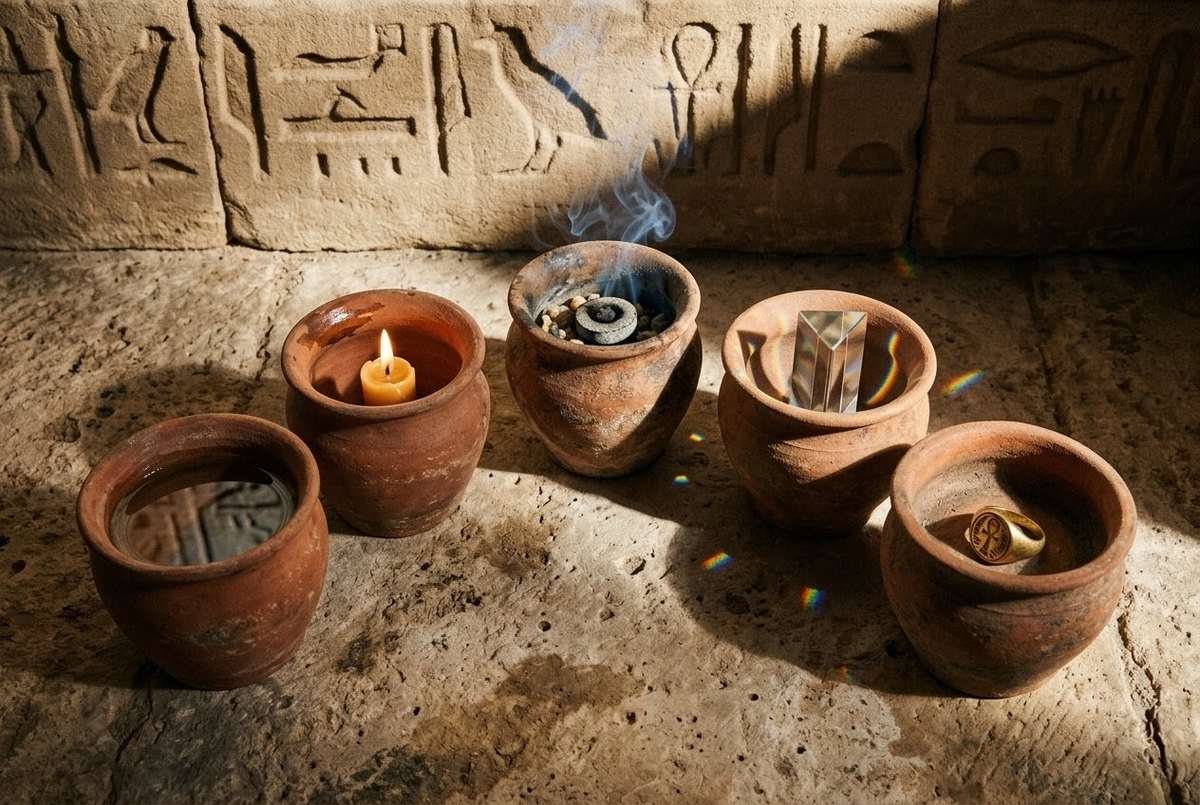
The Five Seals are one of the most important ritual themes associated with Sethian literature. They also appear in relation to the Apocryphon of John and other Sethian materials. In Trimorphic Protennoia, they are linked with the descent of the divine voice and the restoration of those who belong to the light.
The exact historical practice behind the Five Seals is debated, but the general meaning is clear: they represent transformation, purification, protection and return. They mark the spiritual person as belonging to a higher source than the archonic world.
The Five Seals are often discussed as a baptismal or initiatory pattern. In symbolic terms, they strip away false identity and clothe the initiate in light. They do not create the divine spark from nothing. They reveal and restore what was already hidden within the person.
This is why the Five Seals belong naturally in a text about Protennoia’s descent. The voice comes down to awaken. The seals mark the awakened one’s passage back towards the Fullness.
The Mirror of Recognition
Trimorphic Protennoia is not easy to read quickly. Its repetitions, “I am” declarations and shifting identities can feel strange to a modern reader trained to extract information in straight lines. But the text does not work like a textbook. It works like a hymn, a mirror and a ritual voice.
The repetitions are part of the effect. They turn doctrine into atmosphere. They draw the reader into a rhythm of recognition, where the point is not merely to define Protennoia but to hear the divine voice calling from before and beneath ordinary identity.
In this sense, the text functions as a mirror. A reader looking only for tidy narrative may see fragments. A reader willing to read slowly may begin to sense the deeper pattern: the divine voice descends, hides, speaks and awakens the soul to its own forgotten source.

Comparative Reading: Apocryphon, Thunder and Protennoia
Trimorphic Protennoia becomes clearer when read beside other Nag Hammadi texts. With the Apocryphon of John, it shares the Sethian world of the Invisible Spirit, Barbelo, the Pleroma, Sophia, archons and the restoration of the spiritual seed. But the mode is different. The Apocryphon gives a mythic map. Trimorphic Protennoia gives a first-person descent hymn.
It also invites comparison with Thunder, Perfect Mind, another striking divine feminine voice from the Nag Hammadi Library. Thunder uses paradox to break fixed categories: honour and shame, wisdom and ignorance, presence and absence. Trimorphic Protennoia uses descent to reveal how the divine voice moves through levels of reality.
The comparison shows the range of feminine divine language in the Nag Hammadi texts. Sophia falls and seeks restoration. Barbelo emanates from the hidden source. Protennoia speaks as First Thought. Thunder dissolves opposites through paradox. These are not interchangeable figures, but related ways of imagining divine wisdom, manifestation and return.
Within the Sethian tradition, Trimorphic Protennoia is especially powerful because it turns theology into direct address. It does not simply tell us that First Thought exists. It lets First Thought speak.
Reading Trimorphic Protennoia Today
Read Trimorphic Protennoia slowly, preferably after reading the Apocryphon of John. The Apocryphon provides the mythic architecture; Trimorphic Protennoia gives the voice that moves through that architecture.
Do not expect a simple plot. The text moves by declaration, descent, repetition and recognition. Its language is intentionally layered. It is trying to speak from before ordinary division, then through the very world produced by division.
For a modern reader, the safest and richest approach is symbolic and contemplative. The archons can be read as powers of ignorance, false identity and lower compulsion. The descent of Protennoia can be read as the arrival of a deeper voice within consciousness. The Five Seals can be read as ritual language for restoration, cleansing and return to one’s true source.
The text’s lasting power lies in its confidence that the divine voice has not abandoned the depths. First Thought descends. The Word enters. The hidden light is called by name. What has forgotten itself can awaken.
Safety Notice: This article explores symbolic, historical and spiritual ideas about archons, hidden powers, divine descent, spiritual awakening and restoration. It is intended for grounded study of ancient texts, not as medical, psychological, legal or spiritual advice. If ideas about hidden control, unseen powers, cosmic imprisonment or spiritual identity become distressing, obsessive or destabilising, please seek support from a qualified mental health professional or appropriate emergency service.
Frequently Asked Questions
What is Trimorphic Protennoia?
Trimorphic Protennoia, meaning Three-Formed First Thought, is a Sethian Gnostic text preserved in Nag Hammadi Codex XIII. It presents a divine feminine voice associated with Barbelo or First Thought speaking in three modes of descent, revelation and restoration.
What does Protennoia mean?
Protennoia means First Thought. In Sethian Gnostic theology, it refers to the first movement of divine self-disclosure from the hidden source. Protennoia is closely related to Barbelo, the first emanation of the Invisible Spirit and the divine feminine principle of revelation.
Why is Trimorphic Protennoia called three-formed?
It is called three-formed because the revelation unfolds through three modes or descents. These can be understood as hidden divine thought, generative voice and saving word entering the lower realm to awaken those who belong to the light.
Who is Barbelo in Trimorphic Protennoia?
Barbelo is the divine First Thought of the Invisible Spirit, often described in Sethian texts as Mother-Father, womb of the All and first emanation. In Trimorphic Protennoia, this divine feminine principle speaks directly through first-person revelation.
How is Trimorphic Protennoia related to the Apocryphon of John?
Both texts belong to the Sethian Gnostic world and share themes such as Barbelo, the Pleroma, divine descent, the archons and restoration. The Apocryphon of John gives a mythic map through a revelation to John, while Trimorphic Protennoia gives a first-person descent hymn spoken by First Thought itself.
What are the Five Seals in Trimorphic Protennoia?
The Five Seals are associated with Sethian baptismal or initiatory restoration. In symbolic terms, they mark purification, protection, awakening and return to the realm of light. They reveal and restore the spiritual identity that was hidden within the lower world.
Is Trimorphic Protennoia a Christian text?
Trimorphic Protennoia belongs to the Sethian Gnostic tradition and uses language that overlaps with early Christian, Johannine and Platonic thought. It is not conventional orthodox Christian writing, but it belongs to the wider world of ancient Gnostic revelation texts associated with the Nag Hammadi Library.
How should modern readers approach Trimorphic Protennoia?
Modern readers should approach it slowly and symbolically. It is not a simple narrative but a hymnic revelation text. It rewards contemplative reading, especially after reading the Apocryphon of John, because it gives voice to the divine First Thought moving through the same Sethian universe.
Further Reading
Continue through the related Nag Hammadi source layer and the wider Sethian map:
- The Apocryphon of John: the foundational Sethian creation text, providing the mythic map behind Barbelo, Sophia, Yaldabaoth and the archons.
- Three Steles of Seth: a related Sethian hymn of ascent and praise.
- The Five Seals: a focused study of Sethian initiation, baptismal symbolism and spiritual restoration.
- Reality of the Archons: a companion text exploring archonic rule, Eve and spiritual awakening.
- Thunder, Perfect Mind: another divine feminine revelation text from the Nag Hammadi Library.
- The Feminine Divine in the Nag Hammadi Library: Sophia, Barbelo, Protennoia, Thunder and other feminine divine figures.
- Gnostic Schools: a comparative overview of Sethian, Valentinian, Hermetic and related currents.
- The Nag Hammadi Library: Complete Guide to the Gnostic Scriptures: the broader archive guide to the codices, tractates and traditions.
References and Sources
The following sources support the historical, textual and interpretive claims made in this article.
Primary Sources and Critical Editions
- Turner, John D. Trimorphic Protennoia, in the Coptic Gnostic Library editions of the Nag Hammadi materials.
- Robinson, James M., ed. The Nag Hammadi Library in English. Harper & Row / HarperSanFrancisco, revised editions.
- Meyer, Marvin, ed. The Nag Hammadi Scriptures. HarperOne, 2007.
- Layton, Bentley. The Gnostic Scriptures. Doubleday, 1987.
- Waldstein, Michael, and Frederik Wisse. The Apocryphon of John: Synopsis of Nag Hammadi Codices II,1; III,1; and IV,1 with BG 8502,2. Brill, 1995.
Scholarly Monographs and Studies
- Turner, John D. Sethian Gnosticism and the Platonic Tradition. Presses de l’Université Laval, 2001.
- King, Karen L. The Secret Revelation of John. Harvard University Press, 2006.
- Brakke, David. The Gnostics: Myth, Ritual, and Diversity in Early Christianity. Harvard University Press, 2010.
- Logan, Alastair H. B. Gnostic Truth and Christian Heresy: A Study in the History of Gnosticism. T&T Clark, 1996.
- Schenke, Hans-Martin. Studies on the phenomenon and significance of Sethian Gnosticism.
- Williams, Michael Allen. Rethinking “Gnosticism”: An Argument for Dismantling a Dubious Category. Princeton University Press, 1996.
- Pearson, Birger A. Ancient Gnosticism: Traditions and Literature. Fortress Press, 2007.
Comparative and Thematic Studies
- Buckley, Jorunn Jacobsen. Female Fault and Fulfilment in Gnosticism. University of North Carolina Press, 1986.
- Pagels, Elaine. The Gnostic Gospels. Random House, 1979.
- DeConick, April D. The Gnostic New Age: How a Countercultural Spirituality Revolutionized Religion from Antiquity to Today. Columbia University Press, 2016.
- Hanegraaff, Wouter J. Western Esotericism: A Guide for the Perplexed. Bloomsbury, 2013.
- Dunderberg, Ismo. Beyond Gnosticism: Myth, Lifestyle, and Society in the School of Valentinus. Columbia University Press, 2008.
Reading Note: Trimorphic Protennoia is best read after the Apocryphon of John. The Apocryphon gives the Sethian mythic structure; Trimorphic Protennoia gives the voice of First Thought moving through that structure, descending into the lower world to awaken what belongs to the light.