Codex III: The Mixed Philosophical and Mythological Collection
Codex III: The Crossroads of Myth and Philosophy

Codex III stands at the crossroads of the Nag Hammadi library–a gathering place where the thundering mythologies of Sethian Gnosticism meet the cool abstractions of Platonic philosophy, where Christian revelation converses with pagan wisdom, where the lion-faced demiurge shares parchment with the uncontainable Unbegotten. If you want to understand the full range of Gnostic thought, begin here. This codex contains multitudes, offering a complete filing system for the transformation of consciousness.
The diversity is deliberate. The scribes who assembled Codex III were not confused collectors throwing together whatever came to hand. They were curators of consciousness, gathering texts that approached the same truths from different angles–mythological, philosophical, dialogical, liturgical. The result is a portable library, a complete curriculum in gnosis that fits in a jar buried in the Egyptian sand–a security clearance manual for the elect.
What is Codex III?
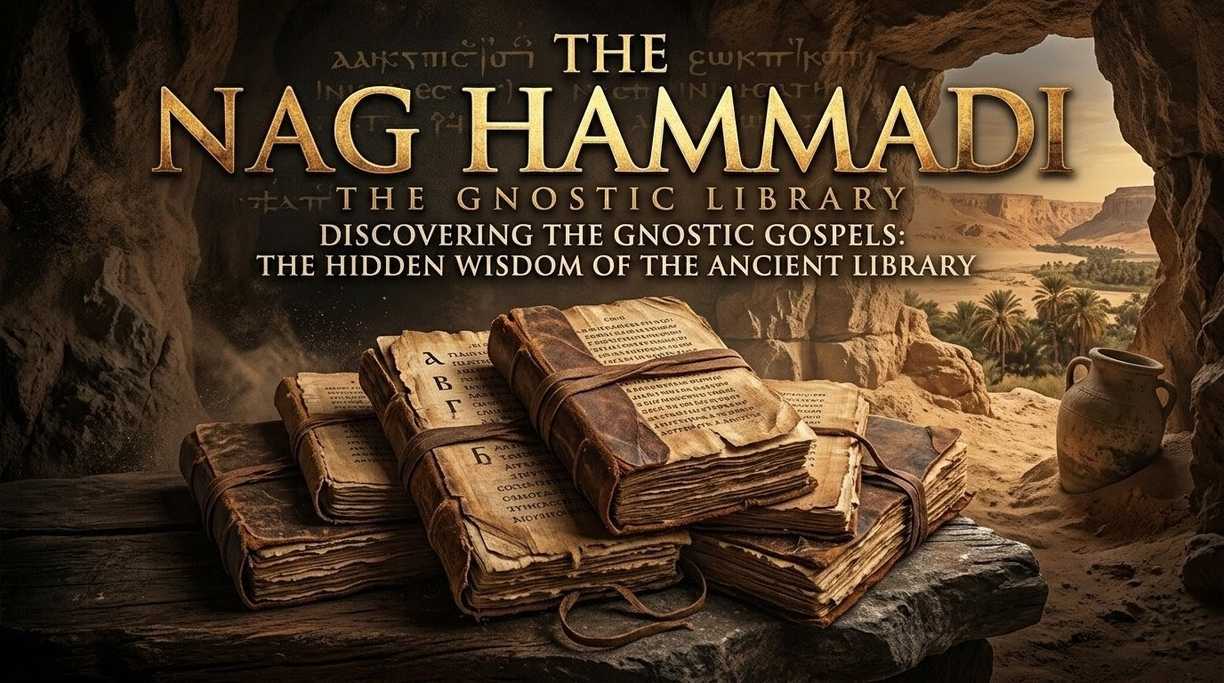
Nag Hammadi Codex III (NHC III) is the third volume in the thirteen-codex library discovered in 1945. Dating to the mid-fourth century CE, it contains six tractates that demonstrate the intellectual cosmopolitanism of Gnostic communities in Upper Egypt. The codex uniquely pairs pagan philosophical texts (Eugnostos) with their Christian adaptations (Sophia of Jesus Christ), while preserving the longest version of the Apocryphon of John. It functions as a pedagogical sequence–from ritual preparation through cosmological foundation to practical application.
The Manuscript and Its Significance
Like its companion volumes, Codex III dates to the mid-fourth century CE, copied by skilled Coptic scribes in Upper Egypt. The manuscript comprises seventy-four leaves (148 pages) of papyrus, bound in leather covers that have partially survived. The scribal hand exhibits professional quality–careful, consistent, and elegant–suggesting this volume held particular importance for its community. This was not a rough draft but a master copy, intended for serious study rather than casual perusal.
The physical arrangement reveals sophisticated pedagogical intent. The codex opens with a brief ritual invocation, moves through extensive cosmological narratives, pauses to compare pagan and Christian philosophical approaches, and concludes with practical teaching dialogue. This progression mirrors the Gnostic path itself: preparation, revelation, intellectual refinement, and finally embodied wisdom. The codex functions as a complete training manual for the spiritual bureaucrat–one who must navigate the complex administrative protocols between material and pleromatic jurisdictions.
Primary Source: NHC III,1 1:1-5: “Your light, give me your light, that I may see the truth…” — The opening invocation establishing the codex’s ritual purpose.
The Six Tractates: A Complete Curriculum
1. The Prayer of the Apostle Paul (III,1)
The codex opens with a breath. This brief invocation–barely a page–serves as ritual preparation, a tuning of the instrument before the symphony begins. “Your light, give me your light, that I may see the truth.” The prayer asks for the Five Seals, the Sethian baptismal rite that initiates the ascent through planetary spheres. It functions as the security clearance check before accessing classified materials.
It is significant that the codex begins with Paul. The apostle who claimed to have been caught up to the third heaven, who spoke of mysteries hidden from the foundation of the world, who carried the gnosis to the Gentiles–this is the patron of what follows. The Prayer of Paul authorises the reader to proceed, to enter the hidden knowledge, to become worthy of the revelation. He is the gatekeeper who stamps the personnel file “cleared for access.”
2. The Apocryphon of John (III,2) — The Long Version
Here we encounter the foundational text of Sethian Gnosticism in its longest and most complete form. The version in Codex II may be more famous, but the Codex III Apocryphon contains additional material–elaborations on the nature of the archons, expansions of the creation narrative, details of the Saviour’s descent that illuminate the rescue operation in vivid colour. This is the comprehensive operations manual for cosmic navigation.
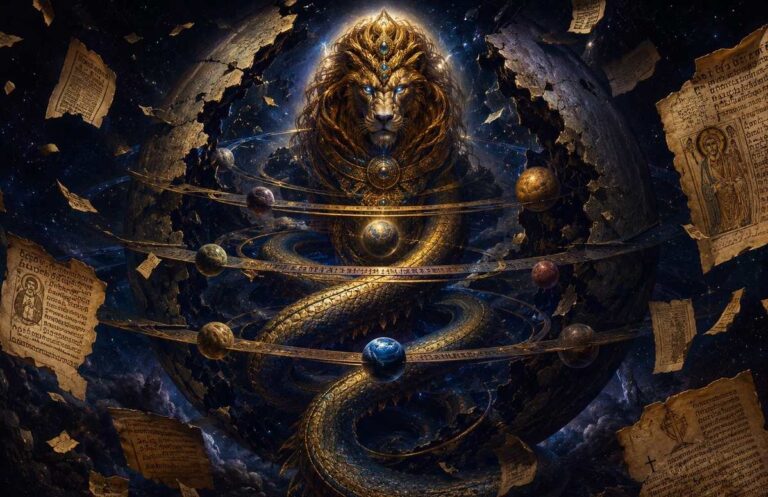
This is the full myth: the Invisible Spirit, the emanation of Barbelo, the fall of Sophia, the birth of Yaldabaoth–the lion-faced serpent who creates the material world in ignorance of his own mother. The story of Adam, the breathing of the spirit, the establishment of the race of Seth. The entire cosmic drama unfolds with mythological precision and symbolic density–the complete filing system of divine and demonic administration.
Read this version slowly. The additions are not padding; they are depth charges. The archons have more dialogue. Sophia’s suffering is more detailed. The rescue feels more urgent. This is the Apocryphon as it was meant to be read–not as philosophy but as cosmogonic epic, as the true story of how we came to be here and how we might get out. It exposes the administrative malpractice of the archonic regime while providing the exit visas necessary for departure.
3. The Gospel of the Egyptians (III,3)
A Sethian text of extraordinary complexity, also known as the Holy Book of the Great Invisible Spirit. This is liturgy disguised as narrative, ritual poetry describing the eternal realm and the process of salvation. The text introduces figures unique to its cosmology–Sakla, the great demon; Nebruel, the false god; the Great Seth himself, the spiritual ancestor of the elect. These are the departmental heads of the pleromatic executive headquarters.
The Gospel of the Egyptians is not a gospel in the canonical sense. It contains no sayings of Jesus, no passion narrative, no resurrection appearances. It is a revelation of the divine structure, addressed to those who are already initiated into the mysteries. “I have come to you, O unrevealed and ineffable ones,” it begins, and proceeds to map the geography of the invisible–the classified intelligence files of the eternal realm.
This is the most difficult text in the codex–dense with proper names, layered with allusions to rituals we no longer possess, presuming knowledge of a symbolic system that must be reconstructed from fragments. But it rewards patience. The Gospel of the Egyptians offers a vision of cosmic order that makes the chaos of the material world intelligible as a temporary disruption of eternal harmony–a bureaucratic bungle in an otherwise orderly filing system.

4. Eugnostos the Blessed (III,4)
Now the tone shifts dramatically. Where the preceding texts thunder with mythology, Eugnostos speaks with philosophical calm. This is a pagan letter–no Jesus, no Christian elements, no apocalyptic urgency–describing the structure of the divine realm in terms that would be at home in a Platonic academy. It is the executive briefing from headquarters without the departmental colour-coding.
Eugnostos addresses his disciples as “those who are his” and offers a metaphysical description of the Unbegotten Father, the Self-Begetter, the Immortal Human, and the twelve aeons. The style is measured, systematic, rational. The divine emerges through orderly emanation, not through catastrophic fall. This is the administrative protocol before the crisis intervention.
The presence of this text in Codex III is a confession of intellectual cosmopolitanism. The Gnostics who compiled this codex were not sectarian exclusivists. They recognised truth regardless of its source. Eugnostos’s pagan wisdom illuminates the same realities that the Christian texts approach through revelation–proof that the executive headquarters operates through multiple communication channels.
5. The Sophia of Jesus Christ (III,5)
Here we find the Christian adaptation of Eugnostos–the same philosophical content reframed as revelation from the resurrected Jesus. The transformation is instructive. Where Eugnostos wrote as a teacher addressing students, the Sophia presents Jesus on a mountain answering questions from Matthew, Philip, and Thomas. The same filing system, different authorisation protocols.
The content remains philosophical–the structure of the divine realm, the nature of the unbegotten, the generation of the aeons–but the authority is now prophetic rather than rational. Jesus speaks what Eugnostos reasoned; revelation confirms what philosophy discovered. The pairing of these two texts in Codex III suggests that the Gnostics saw philosophy and revelation as convergent paths to the same truth–complementary routes to the executive headquarters.
Primary Source: NHC III,4 90:15-20 // III,5 107:5-10: Parallel passages demonstrating the transformation of philosophical description into Christian revelation.
6. The Dialogue of the Saviour (III,6)
The codex closes with a teaching text–Jesus in conversation with his disciples, primarily Mary Magdalene, Matthew, and Judas (not Iscariot). The dialogue format allows for questions and answers, for the clarification of difficult points, for the personal interaction that transforms information into knowledge. This is the final training seminar after the orientation manuals have been distributed.
Mary Magdalene emerges as the disciple who truly understands. When the others are confused, she speaks the word of recognition. This is consistent with other Gnostic texts that privilege Mary as the recipient of secret teachings denied to the male apostles. “The master made her worthy,” the text implies, and we do well to attend to her words–she has the highest security clearance in the department.
The Dialogue summarises and synthesises. It touches on the nature of the body (“the lamp is the body, the light is the spirit within you”), the process of ascent (“when you lay aside the garment of shame”), and the ultimate destiny of the elect (“you will become lights in the light”). It serves as conclusion to the codex, gathering its diverse threads into practical instruction–the final exit briefing before departure.
The Architecture of the Codex
Codex III is not a random collection. It follows a trajectory from ritual preparation (Paul’s Prayer) through cosmological foundation (Apocryphon of John, Gospel of the Egyptians) to philosophical elaboration (Eugnostos, Sophia of Jesus Christ) to practical application (Dialogue of the Saviour). The reader is prepared, informed, enlightened, and instructed–a complete onboarding process for the spiritual bureaucrat.
The movement from myth to philosophy is particularly significant. The Apocryphon and Gospel of the Egyptians present the structure of reality through narrative–stories of falls and rescues, births and transformations. Eugnostos and Sophia present the same structure through description–analysis of emanations, definitions of divine attributes. The Dialogue synthesises both approaches in personal teaching. This is the complete curriculum: imagination engaged, intellect satisfied, will directed.

Textual Redundancy and Variation
It is worth noting that Codex III contains copies of texts also found elsewhere in the library. The Apocryphon of John appears in three versions across the collection; Eugnostos and Sophia appear in Codex V as well. This redundancy is not accident but emphasis–a backup system for essential classified materials.
The Gnostics who buried these texts wanted to ensure survival. But they also wanted to show variation, development, the living tradition. The Codex III Apocryphon is longer than the Codex II version; it contains material that illuminates the shorter text. Reading both versions together reveals the flexibility of the tradition, the ongoing interpretation that keeps revelation alive–the filing system under constant revision as new intelligence arrives.
The pairing of Eugnostos and Sophia in the same codex invites comparative study. Readers can track exactly what changes when philosophical wisdom is Christianised–where the authority shifts from reason to revelation, where the teacher becomes the Saviour, where contemplation becomes communion. This is the Gnostic method: truth transcends its packaging, but the packaging affects how we receive it.
Reading Codex III Today
Approach this codex as a complete course of study. Do not rush from text to text. Let each settle into your understanding before proceeding. The Apocryphon of John requires time–its mythology is complex, its symbols dense. The Gospel of the Egyptians requires persistence–its difficulties are the price of its depth. Eugnostos requires openness–can you receive wisdom from a pagan? The Sophia requires discernment–what changes when the same content is spoken by Jesus?
The Dialogue of the Saviour offers the key: “Do not lay down any rules beyond what I appointed for you, and do not give a law like the lawgiver lest you be constrained by it.” The texts are not chains but wings. Use them to ascend, not to build prisons. The filing system serves the traveller, not the other way around.
Codex III contains everything necessary for salvation: the prayer that opens, the myth that explains, the philosophy that clarifies, the dialogue that instructs. What remains is your engagement, your recognition, your return. The executive headquarters awaits your application–but you must fill out the forms correctly.

Frequently Asked Questions
What is Codex III in the Nag Hammadi Library?
Codex III is the third volume in the thirteen-codex Nag Hammadi Library discovered in 1945. Dating to the mid-fourth century CE, it contains six tractates including the longest version of the Apocryphon of John, the Sethian Gospel of the Egyptians, the pagan philosophical letter Eugnostos the Blessed, its Christian adaptation the Sophia of Jesus Christ, and the Dialogue of the Saviour. It serves as a complete curriculum from ritual preparation to practical wisdom.
What texts are contained in Codex III?
Codex III contains: (1) The Prayer of the Apostle Paul–a brief ritual invocation; (2) The Apocryphon of John (long version)–the foundational Sethian creation myth; (3) The Gospel of the Egyptians–Sethian liturgical text on the eternal realm; (4) Eugnostos the Blessed–pagan philosophical letter on divine emanation; (5) The Sophia of Jesus Christ–Christian adaptation of Eugnostos; (6) The Dialogue of the Saviour–teaching dialogue featuring Mary Magdalene.
Why does Codex III contain both Eugnostos and the Sophia of Jesus Christ?
Codex III uniquely preserves both Eugnostos the Blessed (pagan philosophy) and the Sophia of Jesus Christ (Christian revelation) together. This pairing allows readers to compare how the same metaphysical content–divine emanation, the Unbegotten Father, the twelve aeons–transforms when spoken by a pagan teacher versus the resurrected Jesus. It demonstrates Gnostic intellectual cosmopolitanism: truth transcends its source.
What is special about the Apocryphon of John in Codex III?
The Codex III version of the Apocryphon of John is the longest and most complete of the three surviving versions. It contains additional material not found in Codex II, including elaborations on archonic nature, expanded creation narratives, and more detailed descriptions of the Saviour’s descent. Scholars debate whether this represents the original fullness or later expansion, but it provides the most comprehensive single witness to Sethian cosmology.
What is the Gospel of the Egyptians about?
The Gospel of the Egyptians (NHC III,3) is a Sethian liturgical text describing the eternal realm and salvation process. Despite its name, it contains no sayings of Jesus but rather reveals the divine structure through figures like Sakla, Nebruel, and the Great Seth. It functions as ritual poetry for the already-initiated, mapping the geography of the invisible realm and the race of Seth’s destiny.
How does the Dialogue of the Saviour conclude Codex III?
The Dialogue of the Saviour (NHC III,6) serves as the practical conclusion to Codex III’s curriculum. Featuring Mary Magdalene as the primary interlocutor who understands what the male disciples miss, it synthesises the codex’s mythological and philosophical content into teaching on the body as lamp, ascent through laying aside the garment of shame, and destiny as lights in the light. It transforms information into embodied knowledge.
How should one read Codex III for spiritual insight?
Read Codex III sequentially as a designed curriculum: begin with the Prayer of Paul for ritual preparation, proceed through the Apocryphon and Gospel of the Egyptians for cosmological foundation, compare Eugnostos and Sophia for philosophical refinement, and conclude with the Dialogue for practical application. Do not rush–each tractate builds upon the previous, creating a complete formation in Gnostic perspective from imagination through intellect to will.
Further Reading
- The Apocryphon of John — The foundational Sethian creation myth exploring the fall of Sophia and the birth of Yaldabaoth, available in three versions across the Nag Hammadi library.
- Eugnostos the Blessed — The pagan philosophical source text describing the Unbegotten Father and divine emanation without Christian elements.
- The Sophia of Jesus Christ — The Christian adaptation of Eugnostos, comparing the philosophical and revelatory approaches to the same metaphysical structure.
- The Complete Nag Hammadi Reading Order — A comprehensive guide to all forty-six tractates organised by codex and suggested reading pathways.
References and Sources
The following sources support the claims and quotations presented in this article. All citations to the Nag Hammadi Library represent direct translations from the Coptic text as established in the standard critical editions.
Primary Sources and Critical Editions
- [1] Robinson, J.M. (Ed.). (1977). The Nag Hammadi Library in English. Harper & Row. — Standard English translation of Codex III tractates.
- [2] Waldstein, M. & Wisse, F. (1995). The Apocryphon of John: Synopsis of Nag Hammadi Codices II,1; III,1; and IV,1 with BG 8502,2. Brill. — Critical edition comparing all three versions.
- [3] Meyer, M. (2007). The Nag Hammadi Scriptures. HarperOne. — Scholarly translation with introductions to Codex III texts.
- [4] Layton, B. (1987). The Gnostic Scriptures. Doubleday. — Critical edition with theological analysis.
- [5] Funk, W.P., Schenke, H.M., & Bethge, H.G. (1999). Nag Hammadi Deutsch, Band 1. Walter de Gruyter. — German critical edition with line numbering.
Scholarly Monographs and Specialist Studies
- [6] Turner, J.D. (2001). Sethian Gnosticism and the Platonic Tradition. Presses Universite Laval. — Analysis of Sethian texts in Codex III.
- [7] King, K.L. (2006). The Secret Revelation of John. Harvard University Press. — Comprehensive study of the Apocryphon and its contexts.
- [8] Painchaud, L. (1995). L’ecrit sans titre: Traite sur l’origine du monde. Presses Universite Laval. — Methodological approach to Sethian cosmology.
- [9] Perkins, P. (1984). Gnosticism and the New Testament. Fortress Press. — Contextualisation within early Christianity.
- [10] Williams, M.A. (1996). Rethinking “Gnosticism”: An Argument for Dismantling a Dubious Category. Princeton University Press. — Theoretical framework for understanding NHC III texts.
Comparative Studies and Thematic Analyses
- [11] Smith, C.R. (1985). “The Identification of the Name ‘Peter’ in the Acts of Peter.” Nag Hammadi and Gnosticism, 129-135.
- [12] Marjanen, A. (1996). The Woman Jesus Loved: Mary Magdalene in the Nag Hammadi Library. Mohr Siebeck. — Analysis of feminine authority in the Dialogue of the Saviour.
- [13] Ehrman, B.D. (2003). Lost Scriptures: Books that Did Not Make It into the New Testament. Oxford University Press.
- [14] Koester, H. (1990). Ancient Christian Gospels. SCM Press. — Comparative analysis of Gnostic gospel literature.
- [15] Attridge, H.W. (1985). “The Gospel of the Egyptians.” In Nag Hammadi Codex III,2-3. Brill.