Zostrianos: The Complete Journey Through the Thirteen Aeons
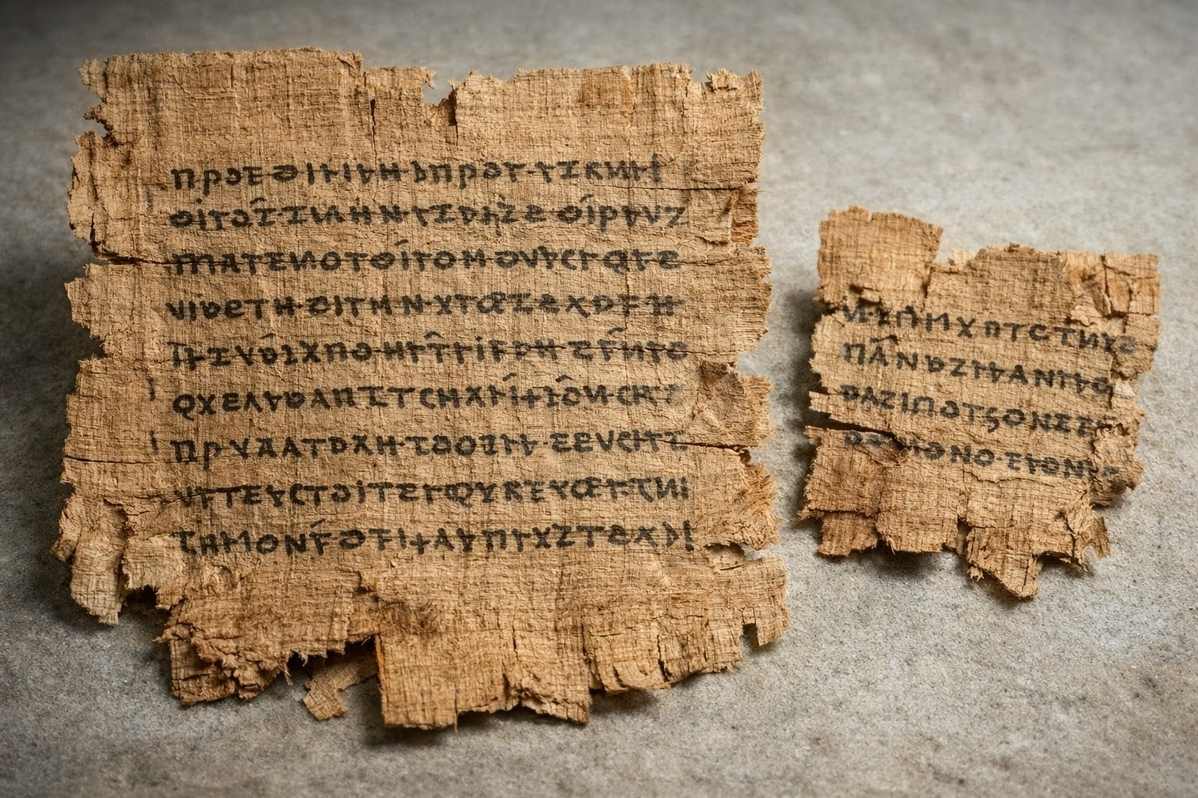
Zostrianos is the longest text in the Nag Hammadi Library and one of the most demanding works of Sethian ascent literature. Preserved as the first tractate of Codex VIII, it gives an extended visionary journey through divine realms, baptisms, aeons, luminous powers and increasingly subtle levels of reality.
This is not a simple creation myth like the Apocryphon of John, nor a liturgical hymn like The Three Steles of Seth. Zostrianos belongs to the more philosophical and contemplative branch of Sethian literature, where ascent, purification and knowledge are described through a highly layered map of being.
For modern readers, the text can feel difficult because it combines visionary narrative, ritual language and Platonising metaphysics. Yet its central concern is clear: the soul awakens from distress, turns away from the lower world, receives purification and rises through the aeonic structure towards the hidden source beyond ordinary thought.
What is Zostrianos?
Zostrianos is a Sethian Gnostic ascent text preserved in Nag Hammadi Codex VIII,1. It is the longest tractate in the Nag Hammadi Library and presents a visionary journey through multiple aeons, baptisms, angelic powers and divine levels of reality.
The text belongs to the Platonising Sethian tradition, alongside works such as Allogenes and Marsanes. It is best read as a complex spiritual map of purification, ascent, contemplative knowledge and return.
Table of Contents
- Text and Codex Setting
- Why Zostrianos Matters
- The Crisis That Begins the Ascent
- Who Is Zostrianos?
- The Thirteen Aeons
- Baptisms, Purifications and Passing Through
- The Triple-Powered One
- Kalyptos, Protophanes and the Hidden Source
- Return, Teaching and Transmission
- Platonising Sethianism
- Comparative Reading: Allogenes, Marsanes and the Five Seals
- Reading Zostrianos Today
- Frequently Asked Questions
- Further Reading
- References and Sources
Text and Codex Setting
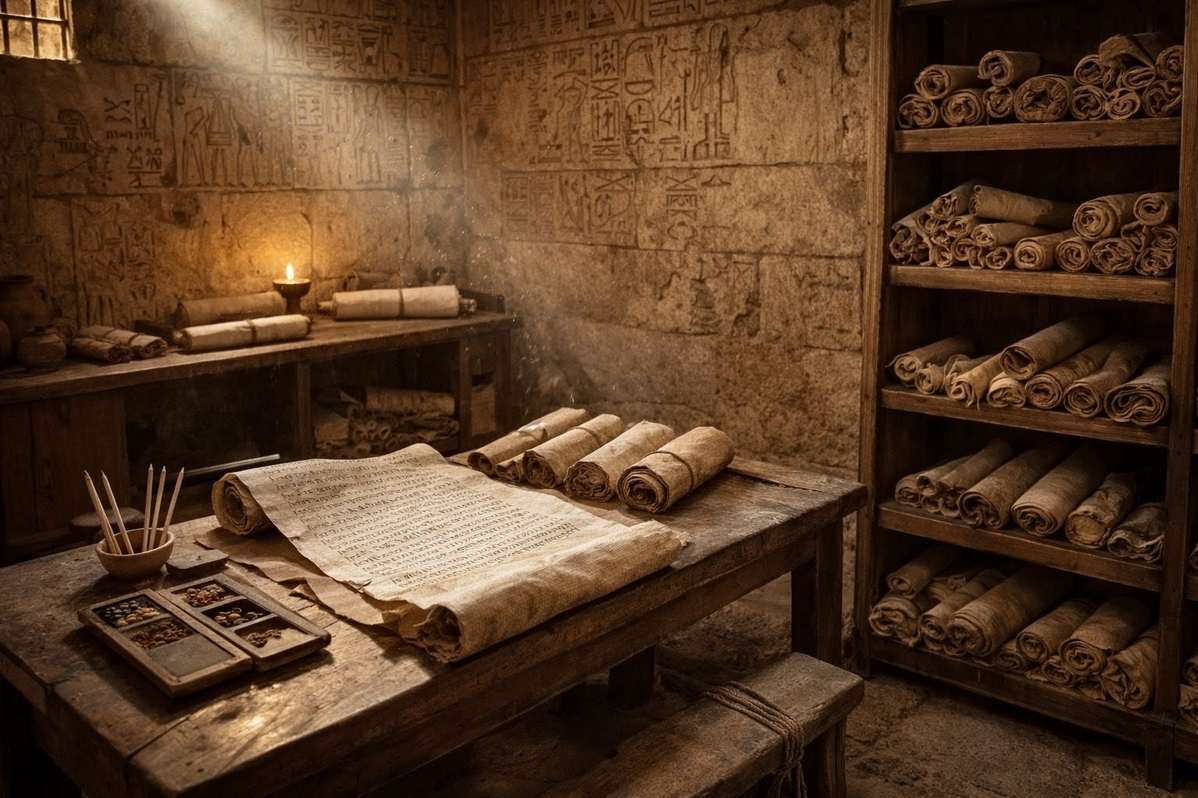
Zostrianos is preserved in Nag Hammadi Codex VIII as its first tractate. It is usually identified as NHC VIII,1. The work is notable for its length, complexity and advanced philosophical vocabulary. In the Nag Hammadi collection, it stands as one of the most elaborate surviving examples of Sethian ascent literature.
The text is fragmentary in places and often difficult to follow. It assumes a symbolic world that includes aeons, baptisms, angelic guides, heavenly realms, the Autogenes, the Triple-Powered One and the hidden divine source beyond ordinary knowing. Readers should expect density rather than simple narrative flow.
Its length is part of its importance. Unlike shorter ascent texts that gesture towards divine realms, Zostrianos gives a sustained account of progression through layered realities. It is less a story told quickly than a full visionary itinerary.
Codex Note: Zostrianos is preserved as Nag Hammadi Codex VIII,1 and is commonly treated as the longest text in the Nag Hammadi Library. It belongs to the Platonising Sethian source layer.
Why Zostrianos Matters
Zostrianos matters because it shows Sethian Gnosticism at its most technically contemplative. Earlier and more mythic texts such as the Apocryphon of John explain the origin of the lower world, Sophia’s fall, Yaldabaoth and the archons. Zostrianos asks a different question: how does the soul ascend through the structure of reality?
The text is also important because it shows deep engagement with Platonic metaphysics. Its language of existence, vitality, mentality, hiddenness, self-generation and divine levels shows that Sethian thought was not only mythological. It could also be philosophically sophisticated, contemplative and abstract.
At the same time, Zostrianos does not abandon ritual language. It repeatedly speaks of baptisms, purifications and transformations. This blend of ritual and philosophy is what gives the text its strange power. The ascent is not merely intellectual. It is purification of being.
Within the wider Nag Hammadi reading path, Zostrianos is best approached after the core Sethian texts: the Apocryphon of John, Trimorphic Protennoia, The Three Steles of Seth, the Holy Book of the Great Invisible Spirit and the Five Seals tradition. Those texts provide the mythic and ritual background needed to enter this higher philosophical terrain.
The Crisis That Begins the Ascent
The ascent begins in distress. Zostrianos is not presented as someone casually exploring heavenly geography. He begins from crisis, dissatisfaction and a deep recognition that ordinary life does not answer the soul’s highest question.
This opening pattern is important. In many Gnostic texts, awakening begins when the soul becomes unable to accept the lower world as final. Distress is not merely weakness. It becomes the pressure that turns consciousness towards the eternal.
Zostrianos turns away from the world and the flesh, but this should not be reduced to simple hatred of the body. In the logic of the text, he refuses to let the lower order define his identity. His movement is one of spiritual reorientation: from the unstable realm below towards the higher reality above.
The ascent therefore begins before any cosmic geography appears. It begins as an inner turning. The soul becomes dissatisfied with the surface and seeks the hidden source behind appearance.
Primary Source Theme: Zostrianos begins in distress and turns inward towards the eternal realm. The visionary ascent begins as a crisis of ordinary identity and a movement towards deeper reality.
Who Is Zostrianos?
The figure of Zostrianos is linked with the ancient name Zoroaster, or a Zoroastrian-like wisdom figure, though the text itself belongs to the Sethian Gnostic and Platonising world of the Nag Hammadi Library. This kind of attribution gives the work an aura of ancient wisdom, prophetic authority and secret transmission.
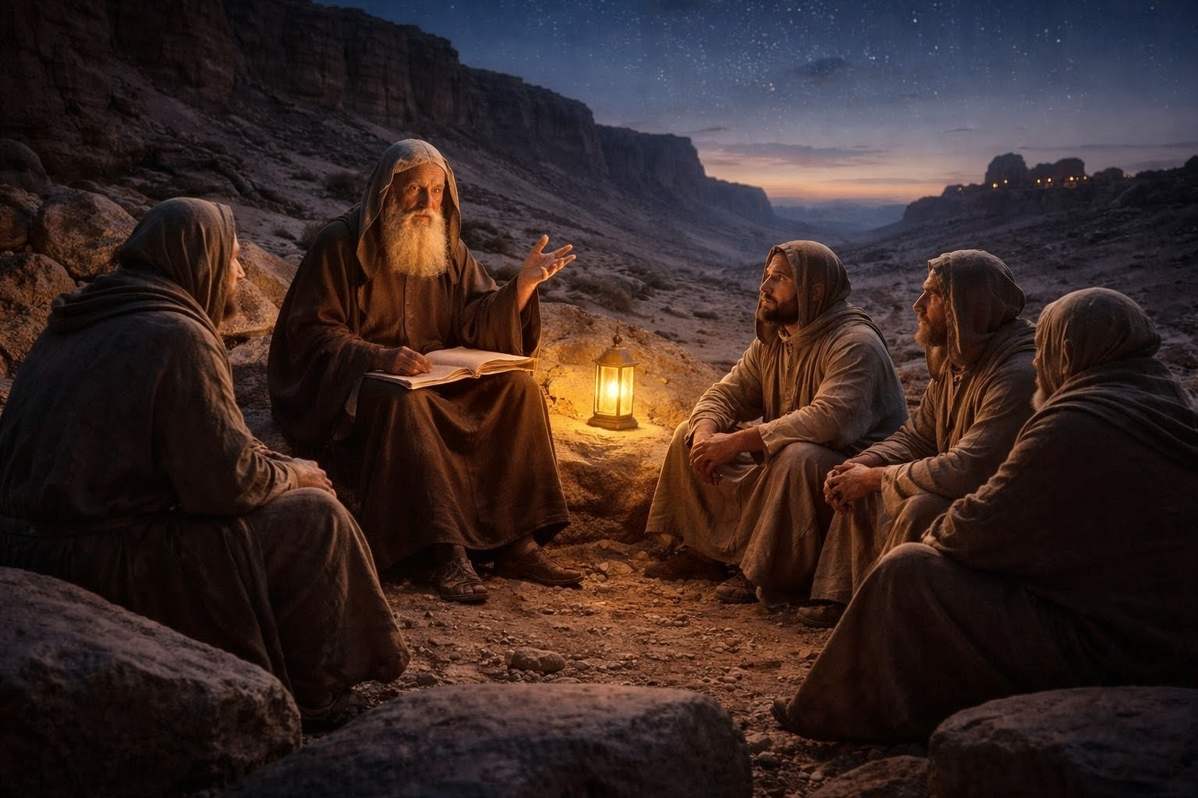
The text frames Zostrianos as one who has ascended, seen and returned to instruct others. He is not simply a private mystic. He becomes a transmitter of ascent knowledge, someone whose journey becomes teaching.
This frame matters because many ancient revelatory texts use authoritative figures to anchor difficult teachings. By placing the ascent in the mouth of Zostrianos, the text presents its complex cosmology as a report from one who has passed through the realms and returned with knowledge.
Whether read historically, mythically or literarily, Zostrianos functions as the traveller of the soul. He represents the one who does not remain trapped in distress, but follows the thread upward through purification, instruction and vision.
The Thirteen Aeons
One of the most striking features of Zostrianos is its elaborate ascent through aeonic levels. The text presents a journey through thirteen aeons, followed by higher or more subtle realities beyond the standard aeonic structure.
An aeon is not simply a period of time. In Gnostic and Platonising language, an aeon can mean a divine realm, power, level or mode of reality. In Zostrianos, the aeons form a layered ascent map. The soul moves through them by receiving purification, instruction and increasingly refined knowledge.
The lower levels are associated with the world of change, mixture and psychic limitation. The higher levels move towards spiritual reality, self-generation and divine mind. The ascent is therefore not merely upward in space. It is inward and upward in being.
The thirteenth aeon marks an important threshold. It is associated with the Autogenes, the Self-Generated One, and with a higher degree of luminous identity. Beyond this threshold, the text moves towards the more abstract divine realities of the Triple-Powered One and the hidden source.
Reading Note: The thirteen aeons in Zostrianos are best read as a layered map of purification and knowledge. They are not merely places, but levels of spiritual transformation.
Baptisms, Purifications and Passing Through
The ascent in Zostrianos is repeatedly linked with baptisms and purifications. These are not presented as a single ordinary baptism. They appear as progressive transformations connected with different levels of ascent.
This is why the text is important for understanding the wider Sethian language of the Five Seals and heavenly baptism. Purification is not only an entry rite. It is a repeated process by which the soul becomes able to enter subtler and higher realities.
Modern readers should be careful here. We should not assume that every baptism in Zostrianos corresponds to a fully recoverable physical ritual. The text may preserve ritual memory, visionary symbolism, contemplative practice or a blend of all three.
The core meaning is transformation. Each baptism marks a change in the soul’s state. What is heavy is washed away. What is confused is clarified. What is lower is refined so that the soul can receive higher knowledge.
The Triple-Powered One
Beyond the thirteen aeons, Zostrianos turns towards one of the most difficult figures in Platonising Sethian theology: the Triple-Powered One. This figure is associated with a threefold divine structure often described through terms such as existence, vitality and mentality.
These terms belong to a more philosophical layer of Gnostic language. They are not mythic characters in the same way as Sophia or Yaldabaoth. They point towards modes of being, life and mind near the highest knowable level of reality.
The Triple-Powered One stands near the boundary between what can be known and what remains hidden. In this sense, Zostrianos becomes less narrative and more contemplative as it ascends. The higher it rises, the less ordinary language can carry.
This is one of the reasons the text can feel obscure. It is trying to speak about levels of reality that, by their nature, exceed ordinary description. Myth gives way to metaphysics; metaphysics gives way to silence.
Primary Source Theme: The Triple-Powered One marks a high contemplative threshold in the ascent, where being, life and mind become increasingly subtle and the soul approaches the hidden divine source.
Kalyptos, Protophanes and the Hidden Source
The higher levels of Zostrianos include names such as Kalyptos and Protophanes. These belong to the rarefied language of Platonising Sethianism, where divine reality is described through hiddenness, first manifestation and the mystery of how the unknowable becomes knowable.
Kalyptos means hidden or concealed. Protophanes suggests first manifestation or first appearance. Together, such figures express a central tension in mystical theology: the highest source is beyond knowledge, yet it somehow becomes present enough to be approached.
This movement from hiddenness to manifestation is crucial. The soul does not simply climb a ladder towards a larger object. It is drawn towards a reality that cannot be possessed by ordinary thought. The nearer the source becomes, the more language fails.
For this reason, the final ascent is not conquest. It is surrender of lower knowing into higher recognition. The soul does not master the hidden source. It is transformed by approaching what cannot be reduced to concept.
Return, Teaching and Transmission
One of the most important features of Zostrianos is the pattern of return. The ascent is not only for private escape. The one who ascends returns to teach, transmit and guide others.
This matters because it complicates the idea that Gnosticism is only world-rejecting withdrawal. In Zostrianos, ascent becomes responsibility. Vision becomes instruction. The one who has passed through the realms brings back a report for those still seeking the path.
This is the rhythm of many revelatory traditions: crisis, ascent, vision, return, teaching. The soul rises beyond ordinary limits, not to abandon all others, but to carry knowledge back into the world of confusion.
In that sense, Zostrianos is not only a traveller. He becomes a witness. His authority comes from having undergone the journey and returned with a map, however difficult that map may be.
Platonising Sethianism
Zostrianos belongs to the group often called Platonising Sethian texts. These works preserve Sethian themes, but they also engage deeply with Platonic and Neoplatonic language about being, intellect, life, unity, hiddenness and ascent.
This does not mean Zostrianos is simply Platonism with Gnostic names attached. The text remains Sethian in its concern with ascent, baptism, the Autogenes, the divine seed and restoration beyond the lower world. But it expresses those concerns through a philosophical vocabulary that is more abstract than earlier mythic texts.
This makes the text historically important. It shows Sethian thought in conversation with the highest philosophical currents of late antiquity. Gnostic myth did not remain static. It could become contemplative metaphysics.
For readers, this means Zostrianos requires a slower pace. It asks for patience with abstraction. It is not trying to entertain. It is trying to map the mind’s ascent through being itself.
Comparative Reading: Allogenes, Marsanes and the Five Seals
Zostrianos should be read beside Allogenes and Marsanes. These texts share the same advanced Sethian-Platonic atmosphere, with strong interest in the unknowable source, higher intellect and contemplative ascent.
Allogenes is especially useful for comparison because it also explores ascent towards the unknowable divine. Marsanes develops related philosophical and visionary material. Together, the three texts show the Sethian tradition at its most rarefied and intellectually demanding.
Zostrianos also belongs near the Five Seals tradition because of its repeated baptismal and purification language. The exact relationship between ritual practice and visionary ascent remains debated, but the shared pattern is unmistakable: the soul must be transformed in order to pass through higher reality.
In the wider ZenithEye reading route, Zostrianos is best approached after the foundation has been laid. Read the Apocryphon of John for the Sethian mythic map, the Five Seals article for ritual restoration, then Zostrianos for the advanced ascent through increasingly subtle realms.
Reading Zostrianos Today
Read Zostrianos slowly. It is not a beginner’s text. It does not explain every name as it appears, and it does not always pause to make its structure comfortable. The reader enters a dense landscape of aeons, baptisms, angelic beings and abstract divine principles.
The safest modern approach is historical, symbolic and contemplative. Historically, the text belongs to Platonising Sethianism. Symbolically, it maps the soul’s purification through layered reality. Contemplatively, it describes the movement from distress into higher knowledge.
Its value does not lie in forcing every aeon into a modern chart. Its value lies in seeing how seriously ancient Sethian thinkers imagined transformation. The soul does not merely learn a doctrine. It is baptised, refined, instructed, stripped, elevated and returned with knowledge.
The heart of the text is ascent through recognition. Zostrianos begins in distress, turns towards the eternal, rises through the layered worlds and returns as a teacher. The journey is difficult, but the pattern is beautiful: the soul that remembers its origin becomes capable of guiding others through the hidden architecture of return.
Safety Notice: This article explores symbolic, historical and spiritual ideas about ascent, divine realms, baptisms, archons, hidden powers and spiritual transformation. It is intended for grounded study of ancient texts, not as medical, psychological, legal or spiritual advice. If ideas about cosmic systems, hidden control, spiritual ascent or unseen powers become distressing, obsessive or destabilising, please seek support from a qualified mental health professional or appropriate emergency service.
Frequently Asked Questions
What is Zostrianos?
Zostrianos is a Sethian Gnostic ascent text preserved as Nag Hammadi Codex VIII,1. It is the longest tractate in the Nag Hammadi Library and presents a visionary journey through aeons, baptisms, divine powers and higher levels of reality.
Why is Zostrianos important?
Zostrianos is important because it gives one of the most elaborate surviving accounts of Sethian ascent. It combines ritual language, visionary journey and Platonising metaphysics, showing how Sethian Gnosticism developed into highly technical contemplative theology.
What are the thirteen aeons in Zostrianos?
The thirteen aeons are layered levels of reality through which Zostrianos ascends. They represent stages of purification, instruction and transformation, leading towards the Autogenes and higher divine realities beyond ordinary knowing.
What is the Triple-Powered One?
The Triple-Powered One is a high divine principle in Platonising Sethian theology, often associated with existence, vitality and mentality. It stands near the boundary between the knowable divine realm and the hidden source beyond ordinary thought.
Is Zostrianos connected to the Five Seals?
Zostrianos is connected to the wider Sethian language of baptism, purification and ascent. While it should not be flattened into a simple Five Seals manual, its repeated baptisms and transformations belong to the same ritual-symbolic world of spiritual restoration.
How is Zostrianos related to Allogenes and Marsanes?
Zostrianos, Allogenes and Marsanes are often grouped as Platonising Sethian texts. They share advanced philosophical language about the unknowable source, divine intellect, ascent and the subtle structure of reality.
Is Zostrianos a Christian text?
Zostrianos belongs to the Sethian Gnostic tradition preserved in the Nag Hammadi Library. It contains themes that overlap with early Christian, Jewish, Platonic and Gnostic thought, but it is not a conventional orthodox Christian writing.
How should modern readers approach Zostrianos?
Modern readers should approach Zostrianos slowly, historically and symbolically. It is a difficult ascent text, not a simple narrative. It is best read after the Apocryphon of John, Trimorphic Protennoia, the Five Seals and other Sethian foundation texts.
Further Reading
Continue through the related Sethian ascent and Nag Hammadi source layer:
- Allogenes: a companion Platonising Sethian ascent text focused on the unknowable divine source.
- Marsanes: another advanced Sethian text exploring metaphysics, ascent and divine structure.
- The Five Seals: the ritual-symbolic background of Sethian baptism, sealing and restoration.
- Hypsiphrone: a fragmentary text associated with ascent and seal imagery.
- The Apocryphon of John: the major Sethian creation text and mythic background to the ascent tradition.
- Trimorphic Protennoia: the threefold descent of First Thought and divine voice of restoration.
- The Holy Book of the Great Invisible Spirit: a major Sethian source for the Great Invisible Spirit, Seth, the immovable race and the Five Seals.
- Ascent Literature in the Nag Hammadi Library: the broader context of heavenly ascent, archons and spiritual passage.
- Gnostic Schools: a comparative overview of Sethian, Valentinian, Hermetic and related currents.
- Nag Hammadi Library: Complete Guide to the Gnostic Scriptures: the broader archive guide to the codices, tractates and traditions.
References and Sources
The following sources support the historical, textual and interpretive claims made in this article.
Primary Sources and Critical Editions
- Zostrianos. Nag Hammadi Codex VIII,1.
- Funk, Wolf-Peter, Madeleine Scopello and John D. Turner, eds. Zostrien (NH VIII,1). Bibliothèque copte de Nag Hammadi, Section “Textes” 24. Presses de l’Université Laval / Peeters, 2000.
- Robinson, James M., ed. The Nag Hammadi Library in English. Harper & Row / HarperSanFrancisco, revised editions.
- Meyer, Marvin, ed. The Nag Hammadi Scriptures. HarperOne, 2007.
- Layton, Bentley. The Gnostic Scriptures. Doubleday, 1987.
Scholarly Monographs and Studies
- Turner, John D. Sethian Gnosticism and the Platonic Tradition. Presses de l’Université Laval, 2001.
- Burns, Dylan M. Apocalypse of the Alien God: Platonism and the Exile of Sethian Gnosticism. University of Pennsylvania Press, 2014.
- Brakke, David. The Gnostics: Myth, Ritual, and Diversity in Early Christianity. Harvard University Press, 2010.
- Rasimus, Tuomas. Paradise Reconsidered in Gnostic Mythmaking. Brill, 2009.
- King, Karen L. The Secret Revelation of John. Harvard University Press, 2006.
- Williams, Michael Allen. Rethinking “Gnosticism”: An Argument for Dismantling a Dubious Category. Princeton University Press, 1996.
- Pearson, Birger A. Ancient Gnosticism: Traditions and Literature. Fortress Press, 2007.
Comparative and Thematic Studies
- DeConick, April D., Gregory Shaw and John D. Turner, eds. Practicing Gnosis: Ritual, Magic, Theurgy and Liturgy in Nag Hammadi, Manichaean and Other Late Antique Literature. Brill, 2013.
- Turner, John D. “Ritual in Gnosticism,” in Gnosticism and Later Platonism. Society of Biblical Literature, 2000.
- van den Broek, Roelof. Gnostic Religion in Antiquity. Cambridge University Press, 2013.
- Logan, Alastair H. B. The Gnostics: Identifying an Early Christian Cult. T&T Clark, 2006.
- Waldstein, Michael, and Frederik Wisse. The Apocryphon of John: Synopsis of Nag Hammadi Codices II,1; III,1; and IV,1 with BG 8502,2. Brill, 1995.
Reading Note: Zostrianos is best read after the major Sethian foundation texts. The Apocryphon of John gives the mythic map, the Five Seals give the ritual-symbolic background, and Zostrianos gives the advanced ascent through increasingly subtle levels of reality.