Hypsiphrone: The Mysterious Ascent Text and the Five Seals
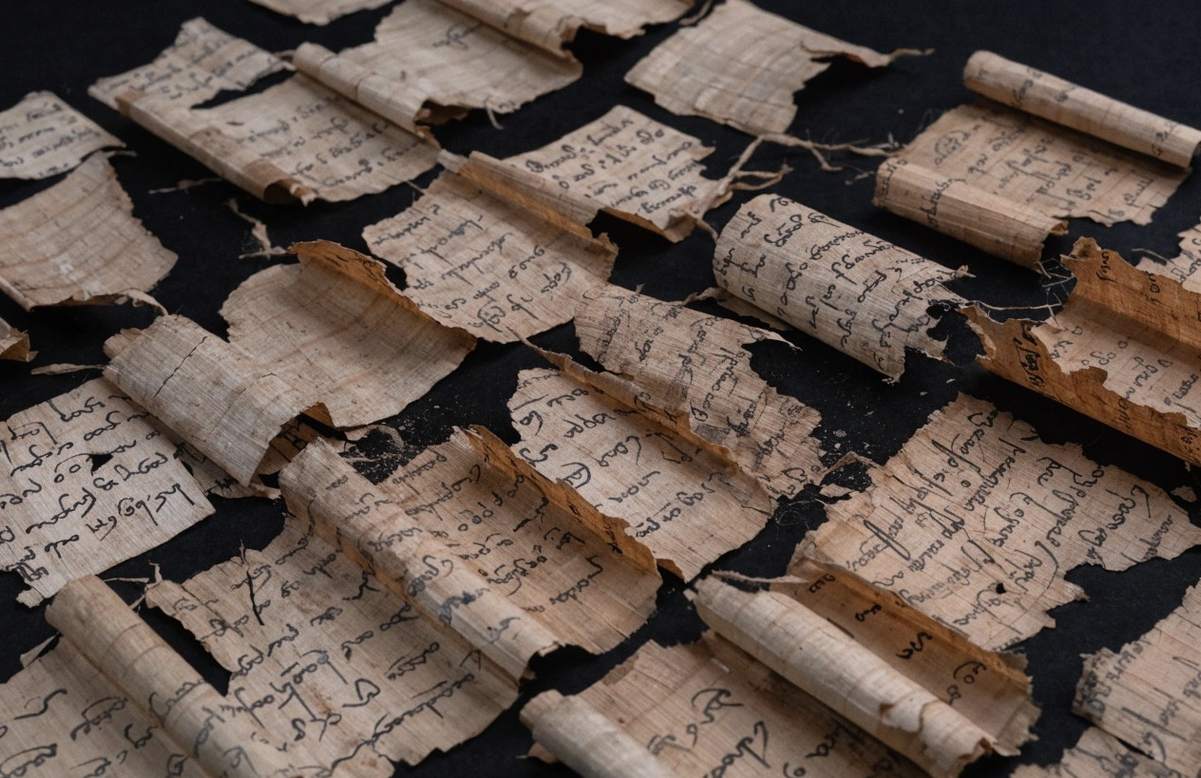
Hypsiphrone is one of the most enigmatic fragmentary texts in the Nag Hammadi Library. Preserved as Nag Hammadi Codex XI,4, it survives only in damaged form, leaving modern readers with partial phrases, broken scenes and a tantalising outline of visionary ascent.
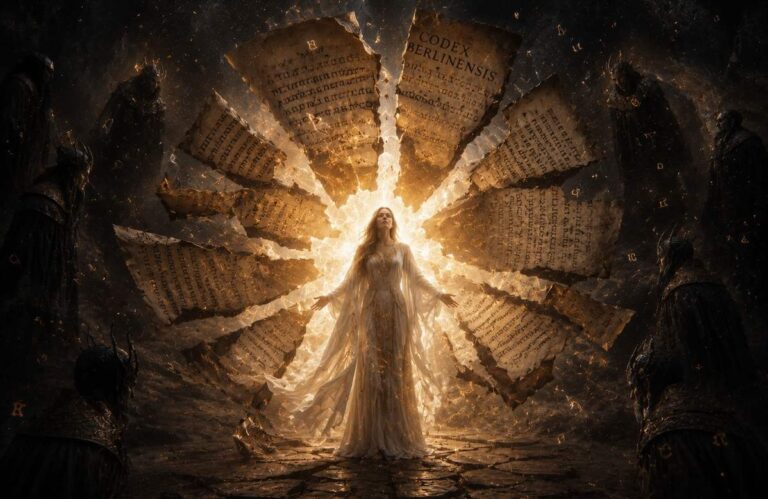
The name Hypsiphrone means something like “high-minded one”, “lofty-minded one” or “she of elevated thought”. The surviving text appears to centre on a feminine figure who seeks, ascends, receives revelation and is associated with light, transformation and return.
Because the manuscript is so fragmentary, Hypsiphrone must be read with caution. It should not be treated as a complete manual of the Five Seals or as a fully preserved ascent ritual. Its value lies in what it still reveals through the damage: the soul seeking its root, the feminine figure as visionary subject, and the ancient Gnostic concern with ascent beyond the lower world.
What is Hypsiphrone?
Hypsiphrone is a short, damaged Nag Hammadi text preserved in Codex XI,4. Its title means “high-minded one” or “lofty-minded one”, and the surviving fragments suggest a visionary ascent involving seeking, dialogue, light and spiritual transformation.
The text is important because it adds a rare feminine voice or figure to the Nag Hammadi ascent tradition, while also reminding readers how much of the ancient Gnostic archive survives only in fragments.
Table of Contents
- Text and Codex Setting
- Why Hypsiphrone Matters
- The Meaning of the Name Hypsiphrone
- The Feminine Visionary Figure
- Seeking, Finding and Spiritual Distress
- Hypsiphrone and the Five Seals Question
- The Garment of Light
- Heavenly Dialogue and Revelation
- Sethian Links and Ascent Traditions
- The Problem of Fragmentary Evidence
- Hypsiphrone and the Feminine Divine
- Reading Hypsiphrone Today
- Frequently Asked Questions
- Further Reading
- References and Sources
Text and Codex Setting
Hypsiphrone is preserved in Nag Hammadi Codex XI as its fourth tractate. Codex XI contains a mixture of important but often difficult materials, including texts associated with Valentinian, Sethian and broader Gnostic currents.
The text itself is extremely damaged. Only a small portion survives, and many lines are broken or uncertain. This means that any interpretation must remain modest. We can identify themes, patterns and affinities, but we cannot reconstruct the full work with confidence.
The surviving fragments suggest a visionary and ascent-oriented text. We glimpse a figure who seeks, undergoes distress, encounters revelation and is associated with light and transformation. The full ritual or mythic setting is no longer recoverable in detail.
Codex Note: Hypsiphrone is Nag Hammadi Codex XI,4. Because the text survives only in damaged fragments, it should be read as partial evidence for ascent and revelatory traditions rather than as a complete preserved system.
Why Hypsiphrone Matters
Hypsiphrone matters because it gives us a rare fragment of Gnostic ascent literature centred on a feminine figure. In a library where many revealer figures are male, this text joins a smaller but important group of works where feminine voice, thought or agency becomes central.
It also matters because of its place near the advanced Sethian and Platonising materials of Codex XI. Read beside Allogenes, Trimorphic Protennoia, the Five Seals tradition and ascent literature more broadly, Hypsiphrone becomes a small but bright shard of the same larger concern: how the soul recognises its higher origin and returns towards light.
The text’s fragmentary condition is part of its meaning for modern readers. It reminds us that the Nag Hammadi Library is not a neat cabinet of complete doctrines. It is a damaged survival. Some texts arrive as full mythic maps; others arrive as broken windows, still letting in a strange dawn.
Hypsiphrone gives us just enough to see a pattern: seeking, distress, revelation, light, ascent and feminine spiritual intelligence. That is not everything. But it is enough to matter.
The Meaning of the Name Hypsiphrone
The name Hypsiphrone comes from Greek elements connected with height and mind. It can be understood as “high-minded”, “lofty-minded” or “she of elevated thought”. This is not merely a decorative title. It tells the reader what kind of figure the text is presenting.
Hypsiphrone is associated with elevated consciousness. Her name points towards a mind raised beyond ordinary perception, a soul capable of seeking what lies above the lower world.
In Gnostic literature, names often function as theological signals. They reveal a figure’s role, destiny or spiritual state. Hypsiphrone’s name suggests that the central movement of the text is not simply travel through space, but elevation of awareness.
The “high mind” is not arrogance. It is vision lifted beyond the lower field of confusion. It is thought turned upwards, not to escape responsibility, but to recover origin.
The Feminine Visionary Figure
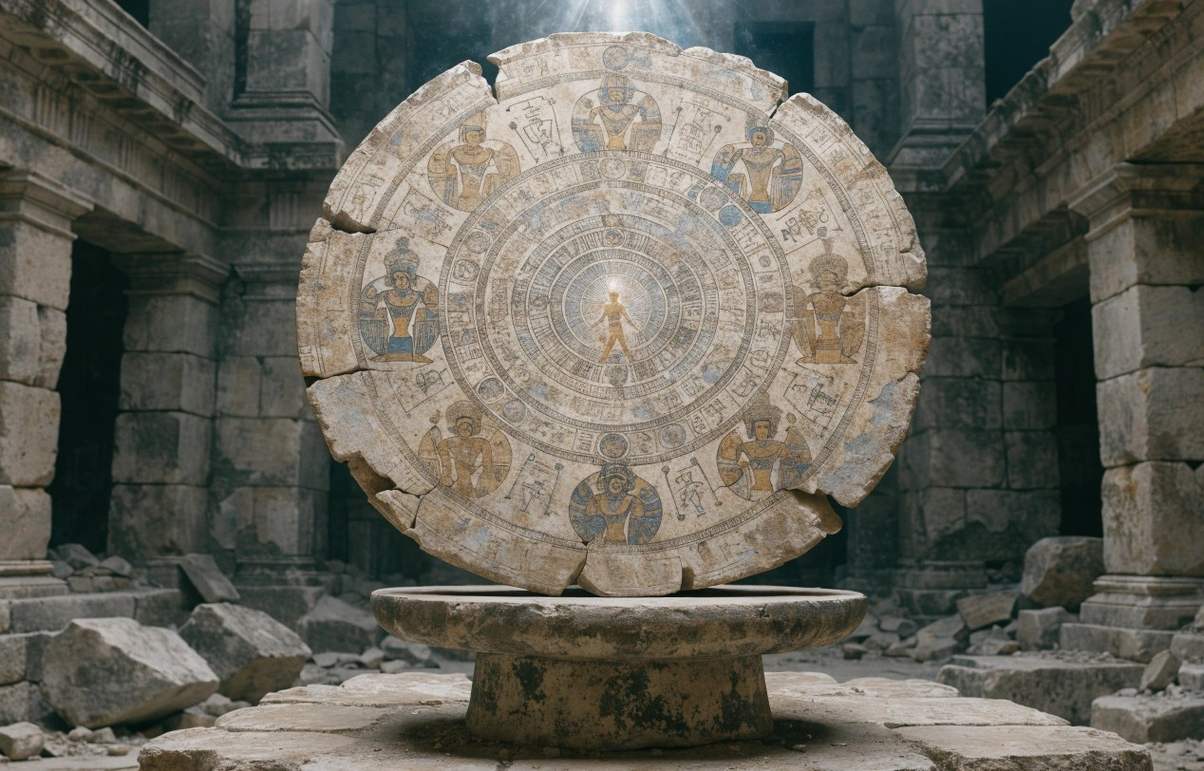
The feminine identity of Hypsiphrone is one of the most important features of the text. She appears not as a passive figure waiting to be explained by others, but as a seeker and visionary subject.
This places her near a wider Nag Hammadi pattern in which feminine figures carry revelation, resistance, thought or divine voice. Thunder: Perfect Mind, Trimorphic Protennoia, The Thought of Norea and Sophia traditions all show that the feminine in Gnostic literature can be cosmic, intellectual, revelatory and spiritually authoritative.
Hypsiphrone’s fragmentary state prevents us from knowing exactly how her story unfolded. But the fact that the text is named for her matters. Her elevated mind becomes the centre of attention. Her seeking becomes the thread of the surviving work.
This does not make Hypsiphrone simply a modern symbol dropped into ancient clothing. It makes her a surviving witness to the fact that ancient Gnostic imagination could place feminine spiritual intelligence at the heart of ascent.
Reading Note: Hypsiphrone is best approached as a feminine visionary figure within a fragmentary ascent text. The surviving evidence is incomplete, but her name and role still point towards elevated thought and spiritual seeking.
Seeking, Finding and Spiritual Distress
The surviving material suggests a movement of seeking. Hypsiphrone is connected with distress, searching and the desire to recover origin. This pattern is familiar in Gnostic literature: the soul awakens not because the world satisfies it, but because the world fails to answer its deepest question.
Spiritual distress in such texts is not merely personal sadness. It can become the pressure that begins the ascent. The soul becomes unable to live entirely inside forgetfulness. It starts asking where it came from, what it is, and how it returns.
Hypsiphrone’s seeking therefore belongs to a larger Gnostic rhythm: exile, distress, question, revelation, recognition and return. The fragments do not preserve every step, but the pattern glimmers through.
To seek is already to refuse captivity to the surface. To find is not merely to collect information, but to recover a deeper identity hidden beneath the lower world’s noise.
Hypsiphrone and the Five Seals Question
Hypsiphrone is often discussed near the Sethian language of ascent, sealing and the Five Seals. This connection makes sense within the broader Nag Hammadi environment, especially because Codex XI also preserves advanced revelatory and ascent-related materials.
However, the evidence must be handled carefully. The text’s damaged condition means we cannot turn Hypsiphrone into a complete Five Seals manual. We can speak of affinities, echoes and possible ritual context, but not a fully preserved sequence.
In Sethian sources, seals often mark belonging, protection, transformation and passage beyond lower powers. They can be connected with baptismal imagery, sacred names, garments of light and ascent through cosmic levels.
Hypsiphrone’s importance lies in showing that this language of ascent and luminous transformation may have been broader and more varied than the better-preserved texts alone reveal. She is one small surviving thread in a wider ritual and visionary fabric.
Source Note: Because Hypsiphrone is fragmentary, its relationship to the Five Seals should be described cautiously. It belongs near the Sethian ascent and sealing atmosphere, but it should not be treated as a complete ritual manual.
The Garment of Light
The garment of light is one of the most evocative images in Gnostic and ascent literature. It represents transformed identity, luminous belonging and the recovery of the soul’s higher form.
In the world of Hypsiphrone, the garment of light signals that the seeker is no longer defined only by the lower condition. The soul is clothed in a reality appropriate to the divine realm. It wears what it truly is.
This image appears across ancient spiritual literature. A garment can represent identity, protection, glory, recognition or restoration. To receive a luminous garment is to be marked as belonging to a higher order.
For Hypsiphrone, the garment of light suggests that ascent is not merely movement from one place to another. It is transformation of the self. The seeker becomes able to inhabit light because she has remembered her relation to it.

Heavenly Dialogue and Revelation
The surviving fragments suggest dialogue or encounter with heavenly beings. This is a common pattern in revelatory literature: the seeker asks, receives, recognises and is guided beyond the limits of ordinary understanding.
Such dialogue should not be reduced to simple instruction. In Gnostic texts, revelation often changes the one who receives it. The dialogue is not only informational. It is transformative.
Hypsiphrone’s encounter with higher beings suggests that the ascent is relational. The soul is not abandoned to make its way alone. Guidance appears when the seeker turns towards origin and becomes ready to receive.
This pattern connects Hypsiphrone to texts such as Allogenes, where the angelic revealer Youel instructs the visionary, and Zostrianos, where ascent unfolds through encounters with higher powers and levels of reality.
Sethian Links and Ascent Traditions
Hypsiphrone is usually read in relation to Sethian ascent traditions. This does not mean every detail of the text can be confidently assigned to a fully reconstructed Sethian system. But its themes make the association understandable.
The text’s concern with seeking, ascent, light, possible sealing imagery and spiritual transformation places it near the same atmosphere as Trimorphic Protennoia, Allogenes, Zostrianos and the Five Seals tradition.
Sethian texts often combine divine origin, cosmic exile, lower powers, revelation and return. Hypsiphrone appears to participate in this pattern, though in a shorter and more damaged form.
Its value is therefore not that it gives a complete system. Its value is that it extends the range of known ascent material, showing that the Nag Hammadi world included smaller visionary fragments alongside the great metaphysical cathedrals.
The Problem of Fragmentary Evidence
The greatest challenge with Hypsiphrone is the fragmentary evidence. Much is missing. The beginning, transitions, full ritual context and exact sequence of events cannot be fully recovered.
This matters because damaged texts are easy to overinterpret. A single phrase can become too heavy when we try to make it carry an entire lost system. Responsible reading means leaving some gaps open.
Yet fragments are not worthless. They preserve traces of ancient imagination: the elevated mind, the seeker, the light, the ascent, the feminine figure and the possibility of spiritual return.
Reading Hypsiphrone is therefore a practice in disciplined imagination. We must listen closely, but not ventriloquise the missing lines. The silence of the papyrus is part of the surviving text.
Scholarly Caution: Hypsiphrone is valuable precisely because it is incomplete. It offers evidence for a wider ascent tradition, but its gaps should not be filled too confidently.
Hypsiphrone and the Feminine Divine
Hypsiphrone belongs naturally beside other Nag Hammadi texts that centre feminine figures, voices or powers. These include Thunder: Perfect Mind, Trimorphic Protennoia, The Thought of Norea and the many Sophia traditions woven through Gnostic myth.
Each of these texts works differently. Thunder speaks in paradoxical divine voice. Protennoia descends as First Thought. Norea resists violation by the lower powers. Sophia falls, suffers, repents and is restored. Hypsiphrone, as far as the fragments allow us to see, seeks and ascends as the high-minded one.
This pattern matters because it complicates any simple claim that ancient Gnostic spirituality only imagined men as knowers and women as passive symbols. The Nag Hammadi Library preserves multiple feminine forms of revelation, resistance and ascent.
Hypsiphrone’s voice is damaged, but not erased. She remains part of the archive’s feminine constellation, a shard of high thought still visible against the broken sky of Codex XI.
Reading Hypsiphrone Today
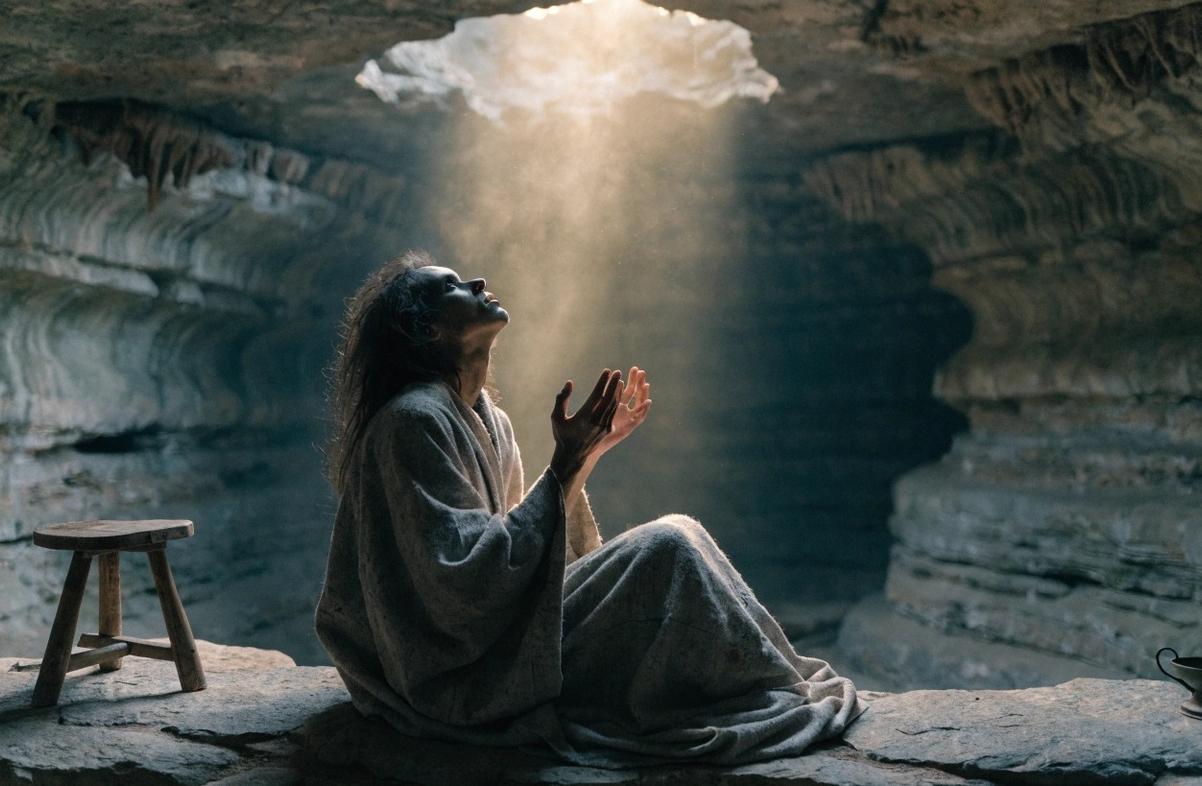
Read Hypsiphrone slowly and humbly. It is not a complete text, and it should not be forced into a complete system. Its power lies in partialness: the half-seen figure, the broken ascent, the garment of light glimpsed through manuscript damage.
For modern readers, the text offers three useful lenses. Historically, it is a fragment of Nag Hammadi Codex XI and belongs near ascent and revelatory traditions. Symbolically, it speaks of the high mind seeking its origin. Spiritually, it suggests that distress can become the beginning of ascent when the soul turns towards the light.
Hypsiphrone is not as complete as Zostrianos, not as philosophically precise as Allogenes, and not as metaphysically dense as Marsanes. But it has its own importance. It is a small door into the lost diversity of Gnostic ascent literature.
The article’s final invitation is simple: do not despise fragments. Sometimes the broken piece carries the light more tenderly than the intact monument.
Safety Notice: This article explores symbolic, historical and spiritual ideas about ascent, seals, heavenly beings, hidden identity and spiritual transformation. It is intended for grounded study of ancient texts, not as medical, psychological, legal or spiritual advice. If ideas about hidden powers, cosmic systems, spiritual ascent or unseen realities become distressing, obsessive or destabilising, please seek support from a qualified mental health professional or appropriate emergency service.
Frequently Asked Questions
What is Hypsiphrone?
Hypsiphrone is a short and fragmentary Nag Hammadi text preserved in Codex XI,4. Its title means high-minded one or lofty-minded one, and the surviving fragments suggest a visionary ascent involving seeking, light, dialogue and spiritual transformation.
What does the name Hypsiphrone mean?
The name Hypsiphrone comes from Greek elements connected with height and mind. It can be understood as high-minded, lofty-minded or she of elevated thought. The name points towards a figure associated with raised awareness and spiritual seeking.
Where is Hypsiphrone found in the Nag Hammadi Library?
Hypsiphrone is found in Nag Hammadi Codex XI as tractate 4. The text is badly damaged, so interpretation must remain cautious and fragmentary.
Is Hypsiphrone a Sethian text?
Hypsiphrone is often read in relation to Sethian ascent and sealing traditions, especially because of its themes of ascent, light and transformation. However, because the text is fragmentary, it is safer to describe it as related to Sethian ascent material rather than as a fully reconstructable Sethian system.
Does Hypsiphrone teach the Five Seals?
Hypsiphrone is associated with the wider Sethian language of ascent and sealing, but its damaged condition means it should not be treated as a complete Five Seals manual. It is better read as fragmentary evidence for a broader ritual and visionary atmosphere.
What is the garment of light in Hypsiphrone?
The garment of light is a symbol of restored spiritual identity, luminous transformation and belonging to the higher realm. In ascent literature, receiving or wearing such a garment often marks the soul’s return to its true condition.
Why is Hypsiphrone important?
Hypsiphrone is important because it preserves a rare fragment of feminine visionary ascent in the Nag Hammadi Library. It also shows that the ancient Gnostic archive included smaller, damaged ascent texts alongside larger works such as Zostrianos, Allogenes and Marsanes.
How should modern readers approach Hypsiphrone?
Modern readers should approach Hypsiphrone slowly and cautiously. It is best read as a fragmentary witness to seeking, ascent, feminine spiritual intelligence and luminous transformation, not as a complete ritual handbook.
Further Reading
Continue through the related ascent, feminine divine and Nag Hammadi source layer:
- The Five Seals: the wider Sethian ritual-symbolic background of sealing, ascent and luminous restoration.
- Trimorphic Protennoia: the threefold descent of First Thought and one of the key texts for Sethian restoration language.
- Allogenes: the apophatic ascent of the Stranger towards the Unknowable One.
- Zostrianos: the long Sethian ascent through aeons, baptisms and higher divine realities.
- Marsanes: the fragmentary Platonising Sethian text on matter, soul, spirit and silence.
- Thunder: Perfect Mind: a major Nag Hammadi text of paradoxical feminine divine voice.
- The Thought of Norea: a Sethian text centred on feminine resistance and spiritual identity.
- Ascent Literature in the Nag Hammadi Library: the wider context of heavenly ascent, archons and spiritual passage.
- The Feminine Divine in the Nag Hammadi Library: the broader constellation of Sophia, Norea, Protennoia, Thunder and related figures.
- Nag Hammadi Library: Complete Guide to the Gnostic Scriptures: the broader archive guide to the codices, tractates and traditions.
References and Sources
The following sources support the historical, textual and interpretive claims made in this article.
Primary Sources and Critical Editions
- Hypsiphrone. Nag Hammadi Codex XI,4.
- Robinson, James M., ed. The Nag Hammadi Library in English. Harper & Row / HarperSanFrancisco, revised editions.
- Meyer, Marvin, ed. The Nag Hammadi Scriptures. HarperOne, 2007.
- Layton, Bentley. The Gnostic Scriptures. Doubleday, 1987.
- Critical editions and studies of Nag Hammadi Codices XI, XII and XIII in the Coptic Gnostic Library tradition.
Scholarly Monographs and Studies
- Turner, John D. Sethian Gnosticism and the Platonic Tradition. Presses de l’Université Laval, 2001.
- Brakke, David. The Gnostics: Myth, Ritual, and Diversity in Early Christianity. Harvard University Press, 2010.
- King, Karen L. What Is Gnosticism? Harvard University Press, 2003.
- Williams, Michael Allen. Rethinking “Gnosticism”: An Argument for Dismantling a Dubious Category. Princeton University Press, 1996.
- Pearson, Birger A. Ancient Gnosticism: Traditions and Literature. Fortress Press, 2007.
- Buckley, Jorunn Jacobsen. Female Fault and Fulfilment in Gnosticism. University of North Carolina Press, 1986.
Comparative and Thematic Studies
- DeConick, April D., Gregory Shaw and John D. Turner, eds. Practicing Gnosis: Ritual, Magic, Theurgy and Liturgy in Nag Hammadi, Manichaean and Other Late Antique Literature. Brill, 2013.
- Waldstein, Michael, and Frederik Wisse. The Apocryphon of John: Synopsis of Nag Hammadi Codices II,1; III,1; and IV,1 with BG 8502,2. Brill, 1995.
- King, Karen L. The Thunder: Perfect Mind. Polebridge Press, 2000.
- Marjanen, Antti. The Woman Jesus Loved: Mary Magdalene in the Nag Hammadi Library and Related Documents. Brill, 1996.
- van den Broek, Roelof. Gnostic Religion in Antiquity. Cambridge University Press, 2013.
Reading Note: Hypsiphrone is best read after the larger Sethian ascent texts. Zostrianos, Allogenes and Marsanes give the great ascent structures; Hypsiphrone gives a smaller, damaged, feminine fragment of the same upward longing.