Breathwork: Ancient Technology, Modern Application for Altered States
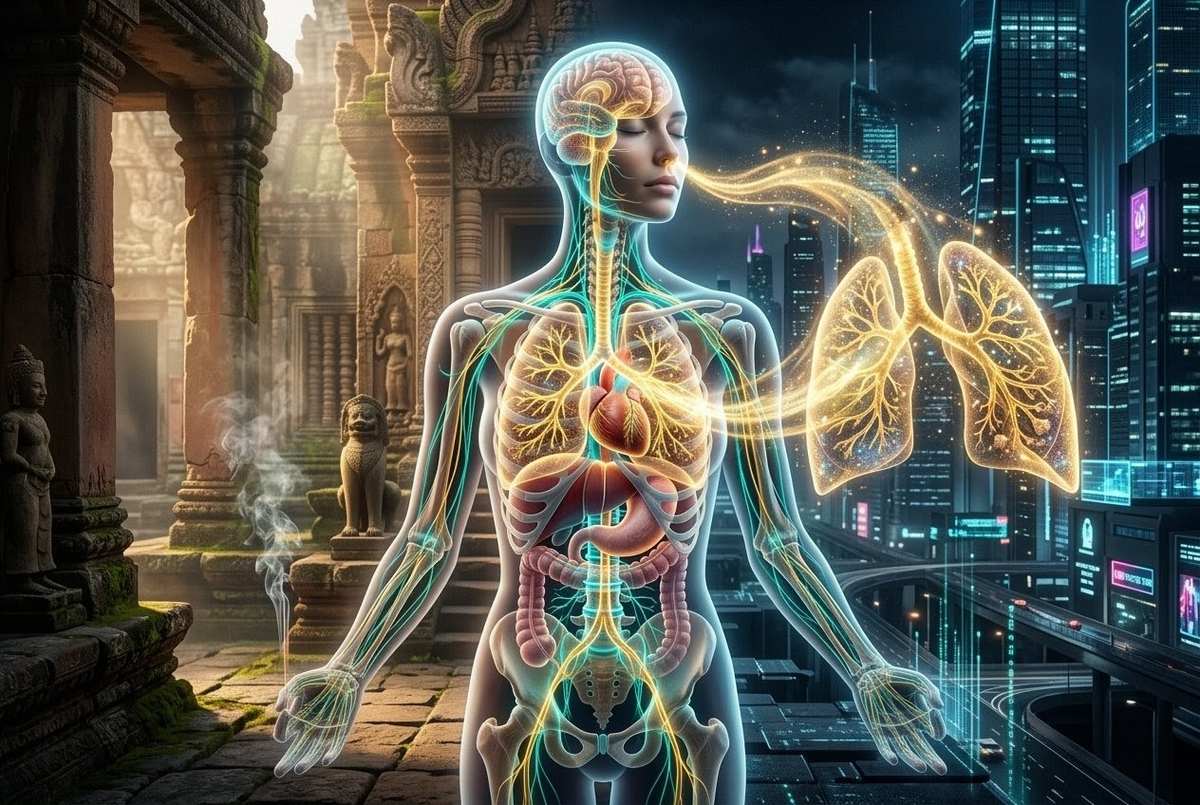
You are breathing now. The process is automatic, unconscious, maintained by structures deeper than intention. The breath continues whether noticed or not. This is the foundation. The breath is the one physiological process that is both automatic and voluntary–the bridge between the systems you control and the systems that control you.
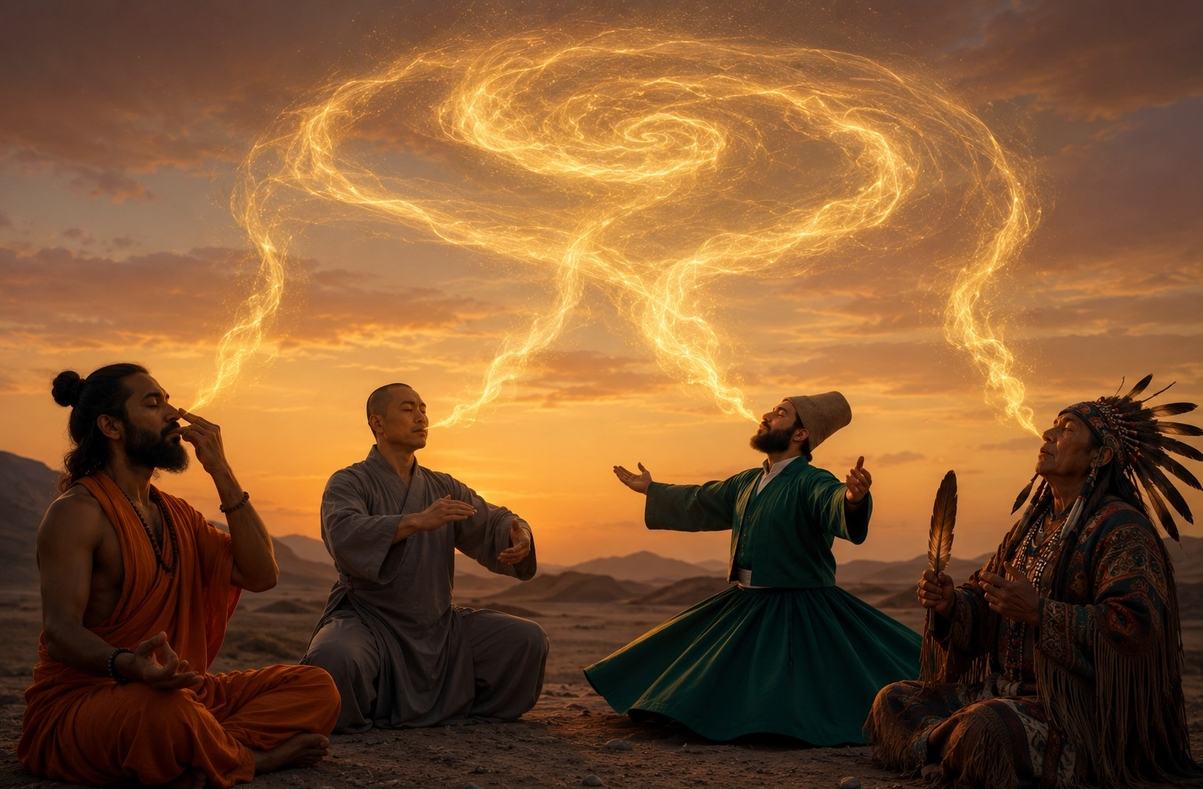
The deliberate modification of breath is ancient technology, refined over millennia not by mystics alone, but by pragmatists who discovered that consciousness itself has a respiratory interface. The yogic pranayama. The Taoist qigong. The Sufi dhikr. The shamanic preparation. The childbirth technique. The martial arts discipline. Each tradition discovered what you can discover: the breath, changed, changes consciousness. Not as metaphor. As mechanism.
The modern application strips away doctrinal scaffolding. The technique, isolated, produces effect. The effect, repeated, becomes reliable. The reliability, tested, becomes method. The method requires no belief–only the willingness to override the autonomic bureaucracy and seize the controls of your own nervous system.
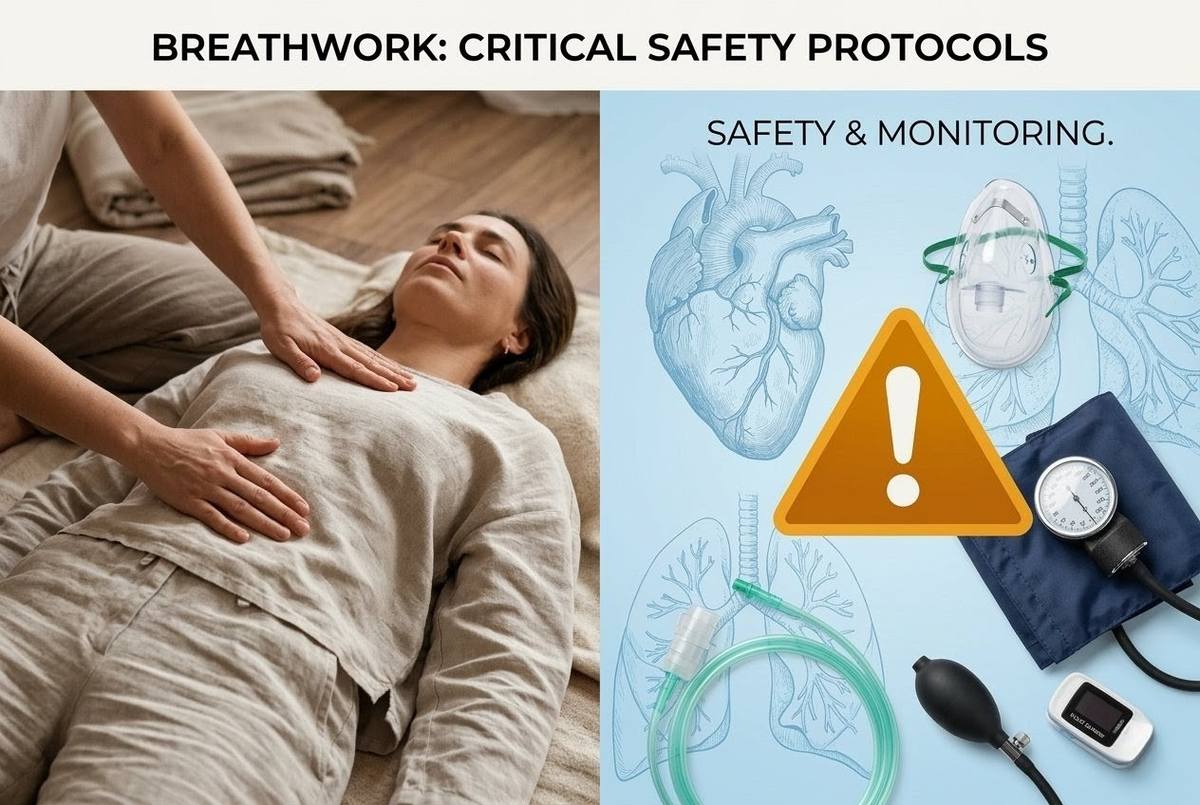
Table of Contents
- The Neurobiology of Breath: Hacking the Autonomic Nervous System
- The Chemistry of Alteration
- The Ancient Arsenal: A Cross-Cultural Technology
- The Modern Methods: Stripped Doctrine, Pure Mechanism
- The Documented Dangers: When the Machine Fights Back
- The Commercial Paradox: When the Thread Becomes Product
- Integration Protocols: Stabilising the Breathwork State
- The Thread Extended
- Frequently Asked Questions
- Further Reading
- References and Sources
The Neurobiology of Breath: Hacking the Autonomic Nervous System
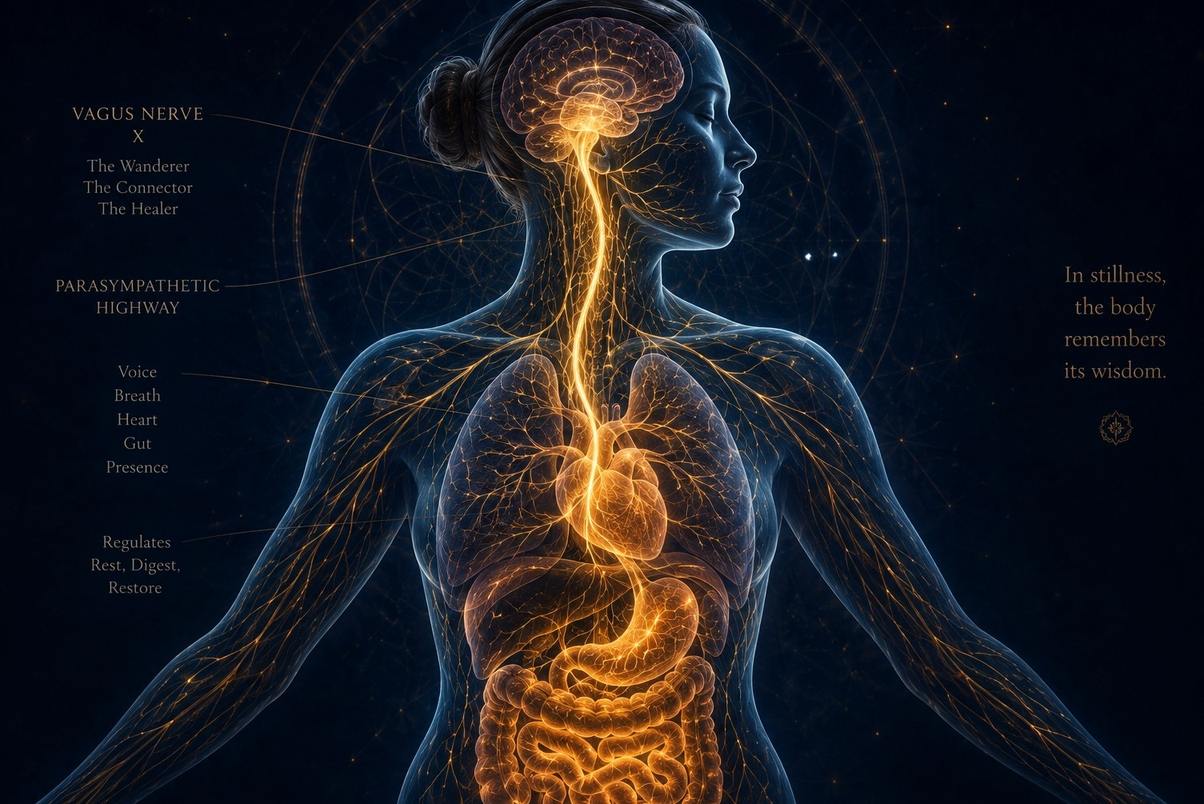
The breath regulates the autonomic nervous system with precision that pharmaceuticals envy. The inhale, sympathetic–activation, readiness, the stress response. The exhale, parasympathetic–rest, digestion, recovery. The balance between them determines state. But this is merely the surface. Beneath lies the polyvagal architecture described by Stephen Porges: the vagus nerve, wandering from brainstem to viscera, functions as the body’s internal surveillance system, constantly asking “safety or threat?”
When you modify the breath, you are not merely “calming down” or “energising up.” You are submitting a formal request to the limbic system to change its threat-assessment protocols. Slow, extended exhalations signal the ventral vagal complex to initiate social engagement and restoration. Rapid, thoracic inhalations trigger the sympathetic adrenal axis, flooding the system with catecholamines. The breath is the only voluntary entry point into this otherwise automated bureaucracy.
Chemoreception and the Brainstem Gatekeeper
The medulla oblongata houses the central chemoreceptors, neurons that sample cerebrospinal fluid for CO2 concentration and pH. Peripheral chemoreceptors in the carotid bodies monitor blood oxygen, CO2, and acidity. Together they form the respiratory control centre, adjusting rate and depth without your consent. Yet because the diaphragm and intercostal muscles are under voluntary control, you can temporarily override this ancient firmware. The override, practised, becomes skill. The skill, refined, becomes sovereignty.
Baroreceptors in the aortic arch and carotid sinuses add another layer. These pressure sensors detect arterial stretch and modulate heart rate via the vagus nerve. Slow breathing increases baroreceptor sensitivity, producing greater heart rate variability (HRV)–a marker of autonomic flexibility and emotional regulation. High HRV correlates with resilience; low HRV predicts anxiety, depression, and cardiovascular mortality. The breath, slowed, is therefore not merely a spiritual practice but a cardiac and neurological tuning protocol.
The Chemistry of Alteration
Rapid breathing, sustained, reduces carbon dioxide through hyperventilation. The blood alkalinises (respiratory alkalosis). Cerebral vasoconstriction follows, potentially reducing blood flow by 30–40% in extreme cases. The brain, deprived of optimal perfusion, produces altered experience–tingling in extremities (tetany), visual disturbances, emotional lability, and involuntary motor responses. This is not spiritual. This is biochemical. The spiritual interpretation is optional. The effect is mandatory if the pattern persists.
Yet within this physiological stressor lies a paradoxical benefit: the controlled stress of breathwork induces hormesis–adaptive resilience. The temporary hypocapnia followed by restoration trains the nervous system to tolerate distress without dissociation. The capacity to remain present through intensity transfers to life outside the practice. The breathwork trains what the Thread requires: the stability to witness chaos without becoming it.
Slow breathing, extended (4-7-8 patterns or lower), activates the parasympathetic through baroreceptor sensitivity. Heart rate variability (HRV) increases–a marker of autonomic flexibility and emotional regulation. The coherence between cardiac and cerebral rhythms emerges. The consciousness, no longer defending against threat, becomes available. The available consciousness is the condition for recognition.
The retention–breath held, in or out–creates pressure. The pressure, sustained, produces adaptation. Hypoxic (low oxygen) and hypercapnic (high CO2) states trigger the mammalian dive reflex, redistributing blood flow to vital organs and stimulating the release of erythropoietin and neuroprotective compounds. The practitioner learns that suffocation panic is a negotiable contract, not an absolute command. In yogic kumbhaka, this is formalised as a science: the Bohr effect–where increased CO2 shifts the oxygen-haemoglobin dissociation curve, improving oxygen delivery to tissues–is exploited deliberately to enhance cellular respiration.
The Ancient Arsenal: A Cross-Cultural Technology
Before the pharmaceutical industrial complex patented altered states, breath was the primary technology for consciousness modification. The sophistication of these systems reveals deep empirical understanding of neurophysiology, centuries before the terminology existed.
Yogic Pranayama (India): The science of “life-force extension” includes Nadi Shodhana (alternate nostril breathing) to balance hemispheric dominance and nasal cycle airflow, Bhastrika (bellows breath) for sympathetic activation and metabolic stimulation, and Kumbhaka (retention) to build CO2 tolerance and stimulate the carotid bodies. The yogis understood that breath is the lever that moves prana–the body’s bioelectric field–and that the nostrils, alternately dominant every 90–150 minutes, mirror cerebral hemispheric rhythms.
Taoist Qigong (China): Embryonic breathing (Tai Xi) reverses the respiratory pattern–abdomen expands on exhale, contracts on inhale–retraining the diaphragm and activating the enteric nervous system (the “second brain”). The microcosmic orbit circulates energy through the governor and conception vessels, mapping precisely onto the vagus nerve’s trajectory. The Taoist practitioner does not “breathe air” but “breathes energy,” recognising that the mechanical and subtle processes are inseparable.
Sufi Dhikr (Islamic Mysticism): Rhythmic repetition of sacred phrases combined with specific breathing patterns (often 3:1 or 5:1 ratios) induces trance states through entrainment of heart and respiratory rhythms. The dhikr is not prayer as petition, but as physiological technology for dissolving the ego-boundary. The breath becomes the metronome by which the self is rhythmically dismantled.
Shamanic Preparation (Global): From the Amazon to Siberia, shamans use hyperventilation, tobacco smoke inhalation, and breath suspension to destabilise ordinary consciousness and access “non-ordinary” reality. The breath prepares the neural substrate for the reception of information outside consensus parameters. It is the original threshold technology–the key that turns the lock between worlds.
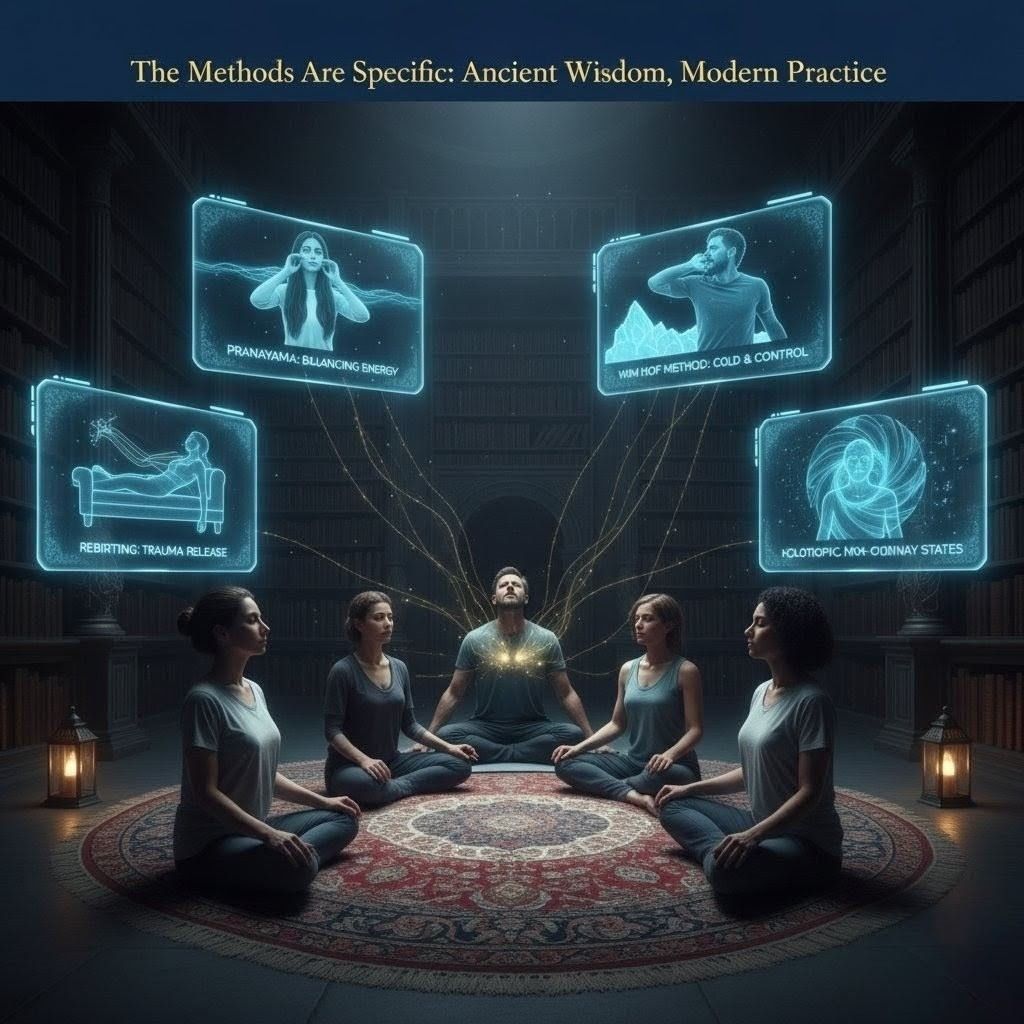
The Modern Methods: Stripped Doctrine, Pure Mechanism
Contemporary breathwork distils these ancient technologies into reproducible protocols, often severing them from their metaphysical contexts. This is neither desecration nor enlightenment–it is simply adaptation to a secular age that still requires altered states but no longer tolerates the theological paperwork.
Holotropic Breathwork
Developed by Stanislav Grof following the prohibition of LSD research in the 1960s, Holotropic employs rapid, continuous breathing with evocative music to induce non-ordinary, psychedelic-like states. The technique induces respiratory alkalosis, potentially triggering the release of endogenous psychoactive compounds and activating limbic memory networks–though the precise neurochemical cascade remains under active investigation. The “holotropic” (moving toward wholeness) aspect refers to the technique’s capacity to access perinatal matrices–birth trauma and pre-verbal imprinting that conventional therapy cannot reach. The risk is real: without proper containment, the practitioner may access material they lack the integration to process.
The Wim Hof Method
Hyperventilation followed by extended retentions and cold exposure. The science is robust: voluntary activation of the sympathetic nervous system through breath, coupled with cold-induced thermogenesis, modulates immune response. In the landmark 2014 study at Radboud University by Kox and Pickkers, trained practitioners suppressed the inflammatory cytokine response to endotoxin administration–reducing TNF-alpha, IL-6, and IL-8 while increasing anti-inflammatory IL-10. Hof had previously demonstrated similar suppression in a 2011 case study. This is not wellness culture. This is autonomic sovereignty–voluntary influence over physiological processes previously deemed inaccessible to conscious control.
Classical Pranayama (Modern Application)
Systematic yogic science adapted for clinical settings. Nadi Shodhana (alternate nostril) balances hemispheric activity and is prescribed for anxiety disorders. Kapalabhati (skull-shining breath) detoxifies through lymphatic pumping and abdominal massage. Ujjayi (ocean breath) increases peripheral CO2, improving oxygen delivery to tissues via the Bohr effect. These are not esoteric practices but neurological tuning protocols increasingly integrated into trauma therapy and psychiatric care.
Rebirthing and Continuous Circular Breathing
Developed by Leonard Orr in the 1970s, this method eliminates the pause between inhale and exhale, creating a continuous loop that disrupts the body’s defensive armouring. The technique accesses early-life impressions and stored birth trauma by overwhelming the psychological defences that maintain compartmentalisation. The practitioner may experience tetany (muscle spasm), emotional flooding, or somatic recall. The danger lies in the intensity: without a skilled facilitator, the nervous system may become dysregulated rather than integrated.
Box Breathing and Tactical Applications
Used by Navy SEALs and high-performance athletes, this 4-4-4-4 pattern (inhale, hold, exhale, hold) rapidly downregulates the stress response while maintaining alertness. Popularised by Mark Divine and others, it is not transcendent but functional–a tool for maintaining operational consciousness under extreme duress. The technique demonstrates that breath control is not merely for mystics but for anyone requiring sovereignty over their physiological state.
The Documented Dangers: When the Machine Fights Back
The breath is not harmless. The modification, sustained, produces real change. The change, unmanaged, produces harm. The archonic machine prefers homeostasis; it resists modification through panic, dissociation, and somatic distress.
Physiological Distress
Hyperventilation can produce tetany–painful muscle contraction, the hands “clawing,” lips sealing into a pucker. This results from acute hypocalcemia induced by respiratory alkalosis (low CO2). Without preparation, this leads to panic, which amplifies the hyperventilation in a feedback loop. The practitioner believes they are dying; in reality, they are merely experiencing the body’s emergency protocols responding to false alarms.
Physical Injury
Extended retention can lead to hypoxic blackouts. If the environment is unsafe (e.g., water, heights), the results can be fatal. The “fainting” is not loss of will but cerebral hypoxia–oxygen starvation of the brain. Additionally, forceful breathing techniques can cause pneumothorax (collapsed lung) in susceptible individuals or retinal damage in those with glaucoma. Practitioners with cardiovascular disease, epilepsy, or pregnancy should avoid intensive hyperventilation protocols entirely.
Psychological Retraumatisation
Intense emotional release can open traumatic wounds that the practitioner is not equipped to close. Breathwork bypasses the prefrontal cortex, accessing limbic and brainstem memories pre-dating language. Without a container–skilled facilitation, safe environment, and integration protocols–the practitioner may experience flashbacks, dissociation, or destabilisation lasting weeks. The practice requires container. A trained guide, a safe environment, and a plan for integration. The Thread does not require recklessness; it requires the wisdom to know when to push and when to yield.
The Commercial Paradox: When the Thread Becomes Product
The ancient technology, stripped of doctrine, becomes available. In a contemporary context, our attention is fragmented and our bodies are sedentary. Breathwork addresses this not as a cure, but as practice–a reactivation of voluntary capacity in an automated world.
However, commercialisation is a risk. The expensive workshop or the “purchased” certificate can turn the Thread into a commodity. When the Thread becomes a product, it produces not recognition but simulation–the appearance of transformation without the substance. Discernment is required. The method matters less than direction. The breath, modified, produces altered state. The altered state, approached with intention, produces recognition. The recognition–that the automatic can be voluntary, that the unconscious can be conscious–is the Thread.

Integration Protocols: Stabilising the Breathwork State
Altered states are worthless without integration. The breathwork session is merely the download; the waking life is the installation. Without grounding, the practitioner risks what Peter Levine calls the “window of tolerance” breach–either hyperarousal (anxiety, panic, mania) or hypoarousal (dissociation, numbness, shutdown). Post-practice protocols include:
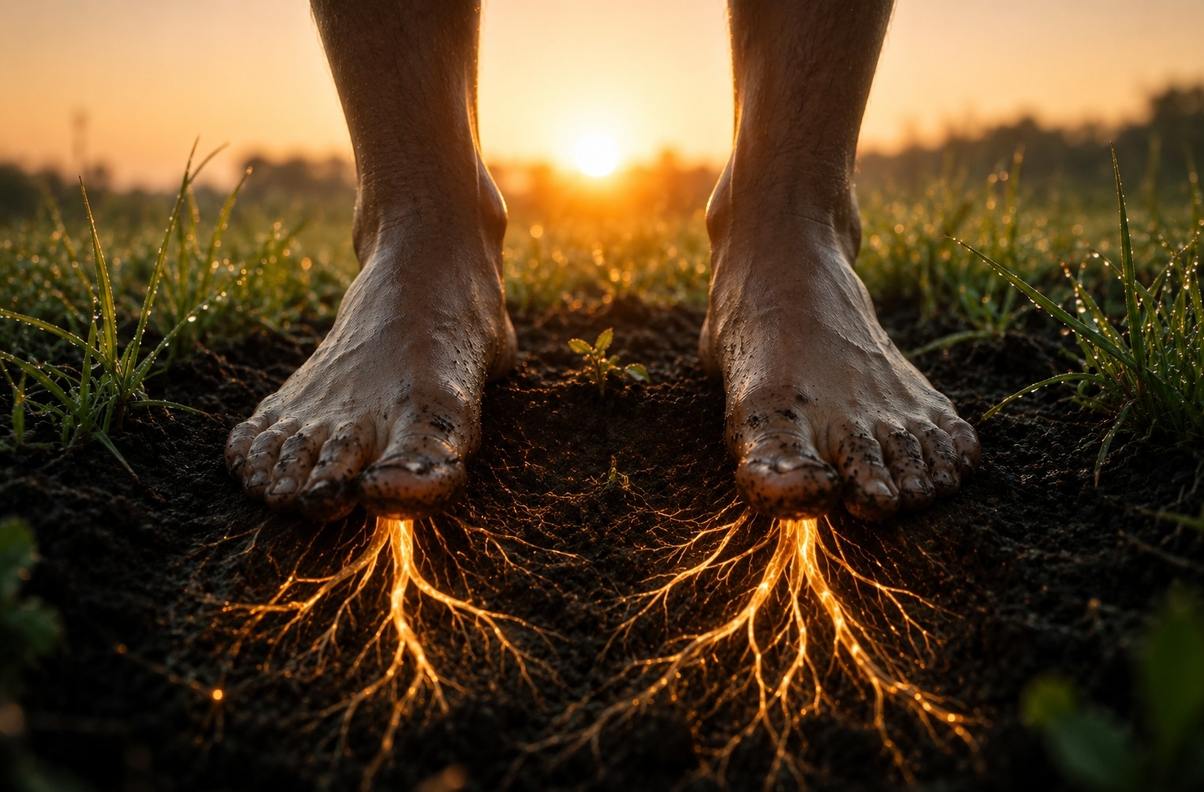
- Grounding: Physical contact with earth, protein-rich food, and avoidance of stimulants for 24 hours. Barefoot standing on soil or grass activates somatosensory pathways that anchor consciousness in the body.
- Journaling: Immediate documentation of insights before the default mode network reasserts its narrative dominance. Write without editing; the first words are often the truest.
- Movement: Shaking, dancing, or walking to discharge residual sympathetic arousal. Pendulation–gentle oscillation between sensation and rest–trains the nervous system in self-regulation.
- Silence: Refraining from verbal processing for a defined period, allowing the non-verbal insights to anchor. Speech too soon can collapse the liminal into the literal.
- Somatic tracking: Noticing bodily sensations without interpretation. The body often knows the meaning of the session before the mind has language for it.
The Thread Extended
The breath, modified, produces state. The state, approached with intention, produces recognition. The recognition–that the automatic can be voluntary, that the unconscious can be conscious–is the Thread.
The technique is not the Thread. The effect is not the Thread. The Thread is direction–the continued orientation toward recognition and the willingness to serve what cannot be owned.
You breathe. The practice begins. The Thread continues regardless.
Read With Discernment
This article touches material where experience, interpretation and symbolic language can easily blur. Read slowly, compare sources, and keep your own discernment intact.
- Editorial Principles — how ZenithEye separates source, interpretation and lived experience.
- Start Here — the reader guide for the wider archive.
- States of Knowing — altered states, dreams, consciousness, perception and direct experience.
- The Transformation — integration, grounding, spiritual emergence and return to ordinary life.
Frequently Asked Questions
How does breathwork alter consciousness physiologically?
Breathwork alters consciousness through three primary mechanisms: respiratory alkalosis (reducing CO2 causes cerebral vasoconstriction and altered perception), autonomic regulation (balancing sympathetic/parasympathetic tone through the vagus nerve), and baroreceptor stimulation affecting heart rate variability and emotional regulation. Rapid breathing induces temporary hypocapnia, while retentions create hypoxic or hypercapnic states that trigger the mammalian dive reflex and neurochemical adaptation.
Is breathwork safe for beginners to practice alone?
Basic breathwork such as slow diaphragmatic breathing or 4-7-8 patterns is generally safe for solo practice. However, advanced techniques–Holotropic breathwork, extended retentions, or forceful hyperventilation protocols–require trained facilitation. Risks include tetany (muscle spasms), hypoxic blackouts, and psychological destabilisation. Never practice water-based breathwork, extended retentions, or intensive hyperventilation alone.
What is the difference between Wim Hof Method and traditional pranayama?
The Wim Hof Method uses forceful hyperventilation followed by breath retention and cold exposure to activate the sympathetic nervous system and modulate immune response, as demonstrated in controlled endotoxin studies at Radboud University. Traditional pranayama emphasises subtle energy management through techniques like alternate nostril breathing (Nadi Shodhana) to balance hemispheric activity and cultivate parasympathetic dominance. Both modify physiology but with different intentions, mechanisms, and risk profiles.
Can breathwork really release trauma stored in the body?
Yes. Breathwork accesses the limbic system and brainstem–areas storing pre-verbal and somatic trauma–bypassing the prefrontal cortex. Techniques like Rebirthing or Holotropic breathing can trigger somatic recall (involuntary movements, emotional release) as the body discharges stored survival stress. However, this requires proper containment and integration support; without it, the practice risks retraumatisation rather than resolution.
What is tetany in breathwork and is it dangerous?
Tetany is involuntary muscle contraction (clawed hands, locked jaw, cramping feet) caused by acute hypocalcemia from respiratory alkalosis (low CO2). While uncomfortable and alarming, it is not dangerous in itself and typically resolves within minutes of returning to normal breathing. It indicates the nervous system is highly activated and often precedes emotional release or breakthrough.
How often should I practice breathwork for altered states?
For beginners, 10–20 minutes of gentle technique, 3–4 times weekly. Intense techniques such as Holotropic breathwork or extended retentions should be limited to 1–2 times weekly with integration days between. Daily practice of gentle techniques (coherent breathing, box breathing, Nadi Shodhana) builds autonomic flexibility. Listen to your nervous system–persistent fatigue, anxiety, or insomnia indicate over-practice and require rest.
Can breathwork replace meditation or psychedelics for spiritual exploration?
Breathwork serves as a bridge–more direct than meditation for beginners, more controllable than psychedelics, but less predictable than either. It produces genuine non-ordinary states but requires the same respect and preparation as psychedelic work. It complements rather than replaces other practices, offering a somatic route to insight that bypasses cognitive defences while keeping the practitioner consciously present.
Safety Notice: This article explores advanced breathwork and altered-state techniques. It does not constitute medical, psychological, or spiritual advice. Intensive breathwork is contraindicated for individuals with cardiovascular disease, epilepsy, glaucoma, a history of psychosis, or pregnancy. If you experience chest pain, severe dizziness, or prolonged psychological distress during or after practice, discontinue immediately and consult a trauma-informed healthcare professional. Breathwork complements but does not replace clinical mental health treatment.
Further Reading
- The Gateway of Breath: Pranayama Techniques — Systematic protocols for the yogic science of breath control and nervous system regulation.
- States of Knowing: What Happens When Consciousness No Longer Belongs to You — The phenomenology behind the physiological practice of breathwork and altered states.
- The Physiology of Mystical Experience — The complete neuroscience of what breathwork and contemplative practice produce in the brain.
- Kundalini Phenomena: The Physiology of Awakening Energy — When breath releases dormant energetic potential and somatic activation.
- Five Gateways to Direct Knowing — Breath as the first and most accessible gateway to altered states and direct recognition.
- Nervous System Regulation: The New Meditation — How bottom-up physiological practices reshape trauma, stress, and spiritual capacity.
- Integration Practices After Peak Experience — Essential protocols for grounding and stabilising after intense breathwork or non-ordinary states.
- Spiritual Emergency and the Transformation Crisis — Recognising when altered-state work triggers destabilisation and how to respond safely.
- Embodiment Practices: Grounding the Awakening — Somatic techniques for returning to the body after breathwork and energetic activation.
- Hypnagogia: The Threshold State at Sleep Onset — Exploring liminal consciousness and the borderlands where breathwork meets the dream state.
References and Sources
The following sources informed the physiological, historical, and practical claims in this article. They are grouped by category for clarity.
Primary Research and Clinical Studies
- Kox, M., et al. (2014). “Voluntary activation of the sympathetic nervous system and attenuation of the innate immune response in humans.” Proceedings of the National Academy of Sciences, 111(20), 7379–7384. (Radboud University endotoxin study with trained Wim Hof Method practitioners.)
- Pickkers, P., et al. (2011). “The Iceman: Wim Hof demonstrates voluntary influence over the autonomic immune response.” Radboud University Nijmegen Medical Centre. (Initial case study demonstrating cytokine suppression during endotoxemia.)
- Porges, S. W. (2011). The Polyvagal Theory: Neurophysiological Foundations of Emotions, Attachment, Communication, and Self-Regulation. W. W. Norton & Company.
- Ma, X., et al. (2017). “The Effect of Diaphragmatic Breathing on Attention, Negative Affect and Stress in Healthy Adults.” Frontiers in Psychology, 8, 874.
Scholarly Monographs and Foundational Texts
- Grof, S. (1988). The Adventure of Self-Discovery: Dimensions of Consciousness and New Perspectives in Psychotherapy and Inner Exploration. SUNY Press. (Holotropic breathwork methodology and perinatal psychology.)
- Iyengar, B. K. S. (1966). Light on Pranayama: The Yogic Art of Breathing. Crossroad. (Classical yogic breath control techniques and their physiological effects.)
- Levine, P. A. (2010). In an Unspoken Voice: How the Body Releases Trauma and Restores Goodness. North Atlantic Books. (Somatic experiencing, window of tolerance, and pendulation.)
- Orr, L. (1977). Rebirthing in the New Age. Celestial Arts. (Foundational text on continuous circular breathing and birth trauma release.)
Comparative and Historical Studies
- Eliade, M. (1964). Shamanism: Archaic Techniques of Ecstasy. Princeton University Press. (Cross-cultural breath and ecstatic preparation techniques.)
- Sviri, S. (2002). The Taste of Hidden Things: Images on the Sufi Path. Blue Dolphin Publishing. (Sufi breathing practices and dhikr as physiological technology.)
- Chia, M. (1983). Awaken Healing Energy Through the Tao: The Taoist Secret of Circulating Internal Power. Aurora Press. (Taoist embryonic breathing and microcosmic orbit.)