The Discourse on the Eighth and Ninth: A Hermetic Guide to Celestial Ascent
The Discourse on the Eighth and Ninth—a practical guide to mystical ascent through planetary spheres. Hermetic spirituality in action, with method and technique.

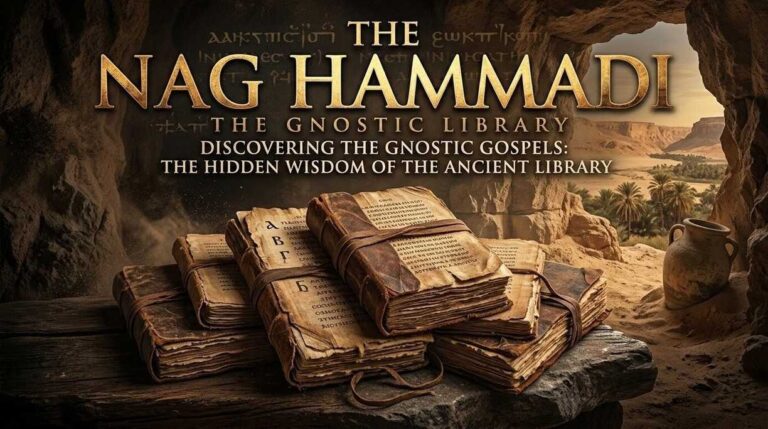
The Nag Hammadi Library gathers ZenithEye articles on the Coptic codices discovered near Nag Hammadi and the Gnostic, apocryphal and contemplative texts they preserve. This archive route explores individual tractates, codex structure, Sethian and Valentinian traditions, ascent literature, feminine divine symbolism, reading paths and the wider significance of these texts for modern seekers, scholars and readers of gnosis.
The Discourse on the Eighth and Ninth—a practical guide to mystical ascent through planetary spheres. Hermetic spirituality in action, with method and technique.
The Gospel of Philip—Valentinian Christianity at its most sensual. Sacramental theology, mystical eroticism, and the bridal chamber as highest mystery.
Codex XIII—Trimorphic Protennoia, the most complete expression of the feminine divine in Nag Hammadi. Three forms of First Thought: Father, Mother, Son.
Codex XII—the most damaged codex, containing Sentences of Sextus and fragments. Of interest mainly to scholars studying textual transmission.
Codex XI—Valentinian technical texts and Allogenes. Advanced theological and mystical speculation for specialist readers.
Codex X—Marsanes, the most technically demanding text in the library. Sethian Platonism at its most abstract and philosophically sophisticated.
Codex IX—fragmentary and obscure texts including Melchizedek, Thought of Norea, and Testimony of Truth. Specialist material with unique perspectives.
Codex VIII—Zostrianos, the longest text in the library, describing heavenly ascent through multiple realms. Plus the Letter of Peter to Philip.
Codex VII—Sethian technical theology at its most challenging. Critique of martyrdom, crucifixion interpretation, and rare Gnostic ritual texts.
Codex V—the codex of apocalypses. Visions of Paul, James, and Adam, plus Eugnostos the Blessed. Gnosticism in its most visionary mode.