The Psychic Vampire: 7 Signs of Energy Parasitism & How to Stop It
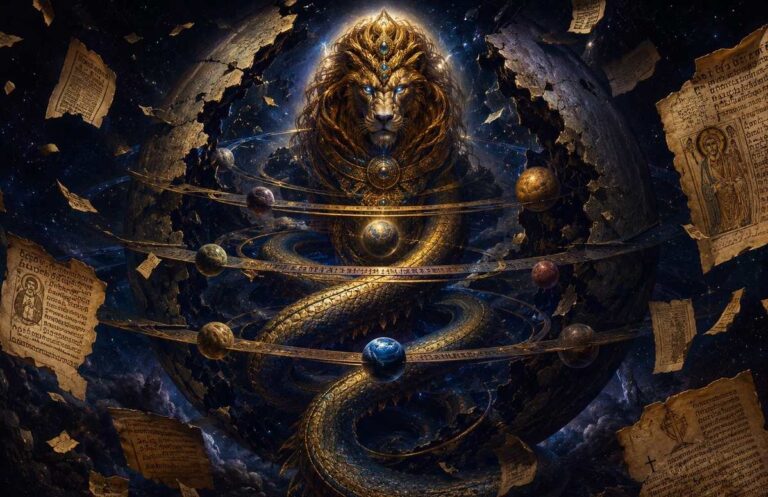
Among the more unsettling figures that populate the shadow-corners of occult literature, the psychic vampire remains both the most immediately recognisable and the most poorly understood. Unlike the cinematic blood-drinker with its cape and fangs, this entity leaves no physical trace. Its feeding is subtler, occurring through the medium of attention, emotion, and the invisible currencies of social interaction–the archonic bureaucracy of the heart.
Table of Contents
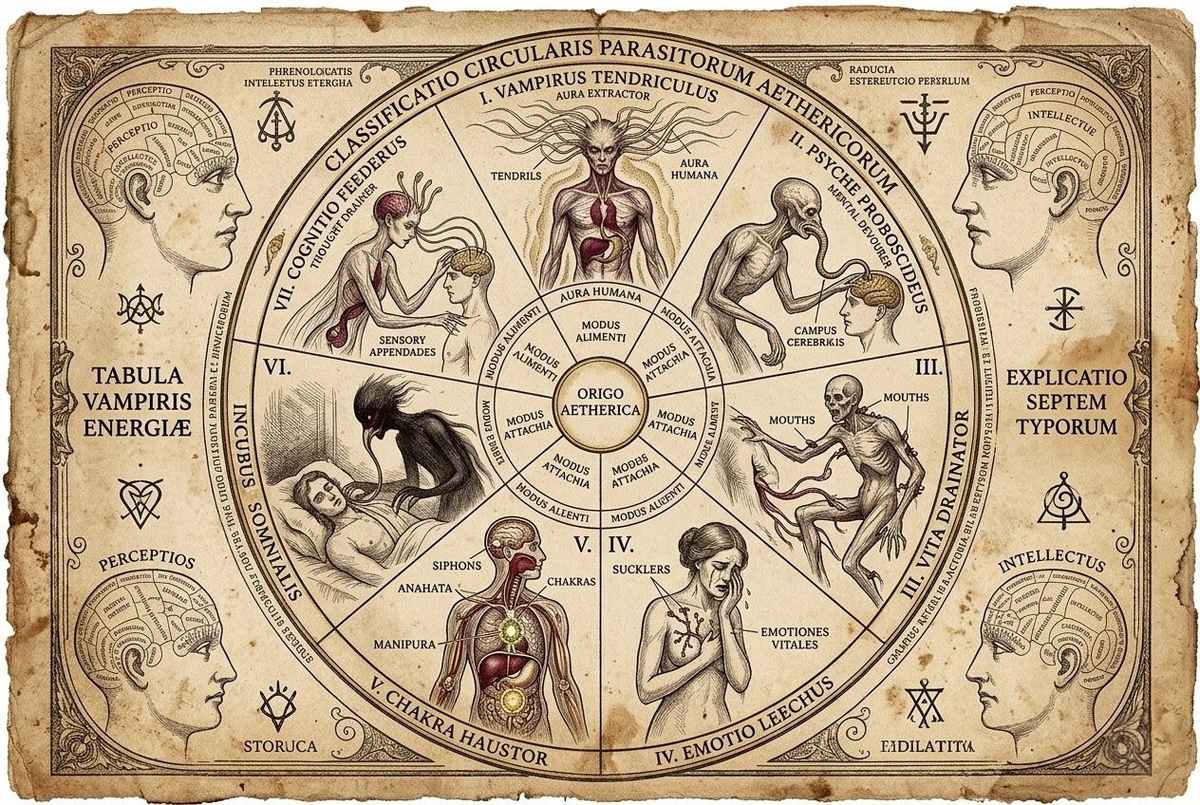
- The Taxonomy of Predation: Seven Species of Drain
- The Mechanism of Feeding: How the Valve Works
- The Mark of the Victim: Who Gets Fed Upon
- Defences and Countermeasures: Reclaiming Sovereignty
- Discernment, Not Paranoia
- Frequently Asked Questions
- Further Reading
- References and Sources

The Taxonomy of Predation: Seven Species of Drain
We must distinguish here between the deliberate psychic vampire–one who has cultivated, consciously or unconsciously, the ability to extract vital force from others–and the accidental variety, whose parasitism stems from psychological wounds so profound that they create a constant suction on the energetic field of anyone within range. The former is predator; the latter, more pathetic than terrifying, is merely a broken vessel that cannot hold its own charge.
The Deliberate Predator
This individual has developed what esoteric psychologists term directional attention–the capacity to focus their will upon another’s auric field with surgical precision. They are not necessarily occultists; many occupy corner offices or political podiums, having stumbled upon the mechanics of domination through instinctive psychopathy. Their feeding is transactional and methodical, resembling a corporate acquisition more than a demonic possession.
The Wounded Vacuum
Here we find the narcissist, the borderline, the trauma survivor whose energy body has developed leaks so catastrophic that they become gravitational wells. They do not hunt; they haemorrhage, and the empathetic rush to staunch the wound, donating vitality they can ill afford to lose. These are the bureaucratic casualties of the psychic realm–paper-pushers of their own destruction, endlessly filing forms for emotional subsidies they cannot repay.
Historical Classifications
Historical sources offer various classifications that map eerily onto modern psychological profiles. Dion Fortune, that stalwart of early twentieth-century occultism, described the “psychic vampire” in her 1930 work Psychic Self-Defence, noting the exhaustion that follows interaction with certain individuals and distinguishing true psychic vampirism from mental conditions such as folie a deux that produce similar symptoms. The Theosophists spoke of “elementaries” and “shells”–discarnate entities that attach to the living to siphon vitality. The Chinese tradition recognises the jiangshi, the hopping corpse that steals qi; the Mapuche tradition of Chile knows the chonchon, the detached sorcerer’s head that flies by night to feed on the sleeping.
These are not mere superstitions but archaic recognition protocols for energetic phenomena that modernity dismisses as “toxic relationships” or “emotional labour.”
The Mechanism of Feeding: How the Valve Works
How does this extraction function? Contemporary energetic models suggest that human beings constantly exchange bio-electric and subtle field information during interaction. Healthy exchange is reciprocal–a flow rather than a theft. The vampire, however, has developed (or been cursed with) a field that operates like a one-way valve.
The Emotional Open Sesame
The feeding typically occurs during emotional intensity. The vampire provokes drama, crisis, or intimate confession not from malice necessarily, but because these states create openings in the victim’s field. Anger, pity, sexual arousal, fear–all serve as potentised mediums through which vitality can be siphoned. You leave the interaction feeling drained, confused, somehow less than you were, while the vampire appears energised, flushed with an unearned vitality.
The victim experiences a peculiar sensation of being unzipped–a loosening of the auric boundaries that normally maintain sovereign integrity. The vampire simply holds the receptacle beneath the leak.
— Traditional occult observation
The Cord Formation
Extended feeding creates what clairvoyant traditions describe as etheric cords–tubular structures of astral matter that anchor the vampire to the victim’s solar plexus or sacral centre. These function as drinking straws of the subtle body, often persisting long after the social interaction has ended. Victims may report dreaming of the predator, experiencing intrusive thoughts, or feeling an inexplicable pull to contact them despite conscious recognition of the harm.

The Mark of the Victim: Who Gets Fed Upon
Certain characteristics predispose individuals to vampiric attack. Those with poor energetic boundaries–often the product of traumatic childhoods–leak life-force constantly and attract parasites as surely as a wound attracts flies. The empathic, the overly generous, those who cannot say no: these are the cattle of the psychic realm.

The Unwitting Collaborator
More disturbing is the recognition that vampirism often operates in chains. The victim of a powerful vampire frequently becomes a minor predator themselves, extracting energy from those weaker to replace what was stolen from them. This is the occult equivalent of the abused becoming abuser–a transmission of trauma that operates on levels psychology alone cannot address.
We see this in office hierarchies, in family systems, in spiritual communities where the wounded healer becomes the wounding healer. The feed must continue, regardless of who holds the drinking vessel.
The Empath as Livestock
Particularly vulnerable are those with heightened sensitivity–untrained empaths who have not yet learned to modulate their openness. They function as psychic all-you-can-eat buffets, broadcasting availability through the subtle planes. Their gift, unguarded, becomes the cross they bear, attracting predators who sense the abundance of unclaimed resource.

Defences and Countermeasures: Reclaiming Sovereignty
Recognition constitutes the primary defence. Once the mechanism is understood, the glamour dissipates. The vampire relies upon your unconscious participation; withdraw consent, and the feed collapses.
The Art of the Refusal
Simple in theory, excruciating in practice: learn to say no without justification. The vampire depends upon your politeness, your desire to be “nice,” your fear of social awkwardness. Practice the phrase: “That doesn’t work for me.” No explanation. No apology. Watch the predator’s confusion–they have no protocol for denied access.
Cord-Cutting and Auric Sealing
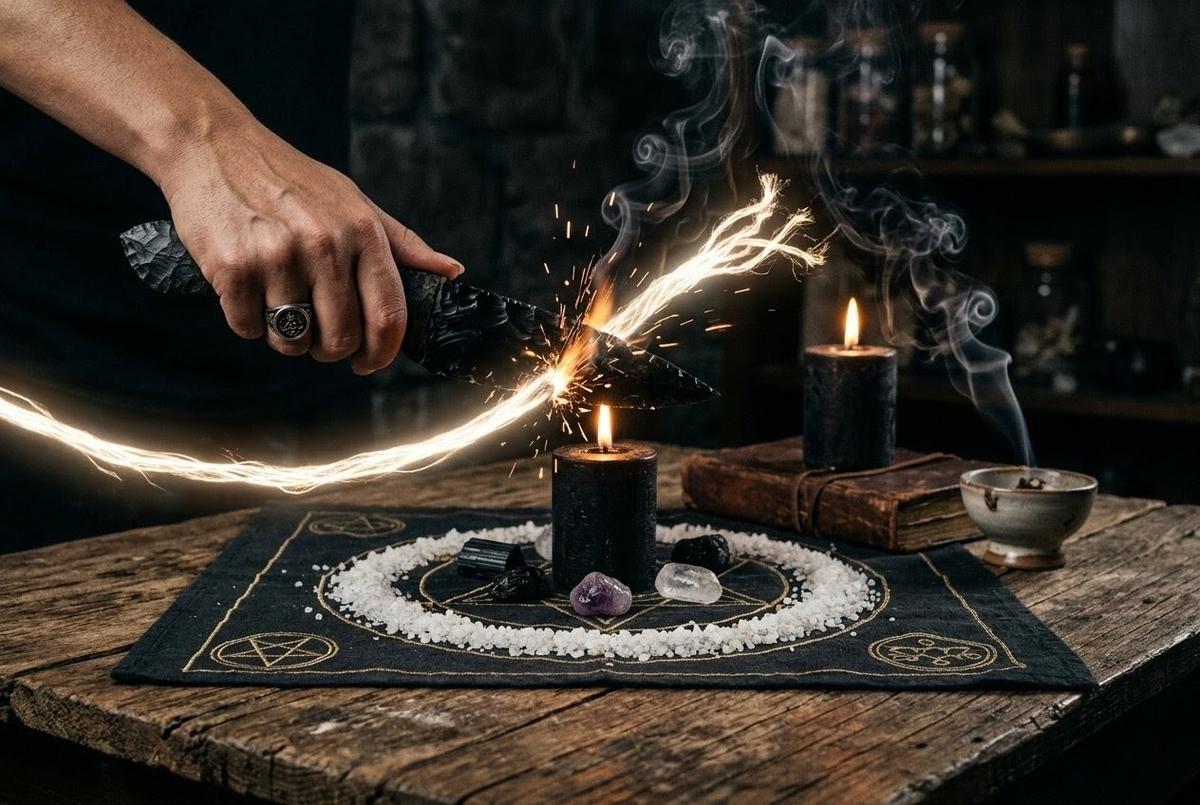
For established parasitic connections, visualisation techniques prove effective. The “flame in the belly” method–imagining solar plexus fire that sears incoming cords–can sever attachments formed through prolonged contact. Regular salt baths, boundary affirmations, and the wearing of certain minerals (black tourmaline, obsidian) serve as auric bureaucratic barriers, requiring energetic paperwork the lazy predator refuses to file.
Discernment, Not Paranoia
It is crucial to distinguish between genuine vampirism and the ordinary disappointments of human relating. Not everyone who exhausts you is a predator; some are simply mismatched, grieving, or unskilled. Paranoia itself becomes a form of vampirism–the ego feeding on its own fear, growing fat on imagined persecution.
The question remains: when you identify the vampire, what then? Compassion without contact; recognition without retribution. The wounded vacuum may heal; the deliberate predator rarely does. Your responsibility extends only to closing your borders, not policing theirs.
Remember: the vampire cannot feed where no opening exists. The hunger that wears human skin finds its meal only where the skin has already been broken.

Frequently Asked Questions
Can a psychic vampire feed without physical proximity?
Yes, once an etheric cord is established through prior intimate contact, feeding can continue remotely, often manifesting as intrusive thoughts or sudden inexplicable exhaustion when the predator thinks of the victim. This is why cord-cutting remains essential even after physical separation.
Is psychic vampirism the same as narcissistic abuse?
They overlap significantly, though vampirism operates specifically on energetic levels. All deliberate psychic vampires display narcissistic traits, but not all narcissists possess the refined energetic sensitivity to constitute true vampires. Fortune distinguished true psychic vampirism from conditions like folie a deux that produce similar exhaustion symptoms.
Can someone be a vampire unconsciously?
Absolutely. The wounded vacuum type typically has no conscious awareness of their energetic impact, merely experiencing relief when others are present and distress when alone. Fortune noted that many psychic vampires are themselves being vampirised–by other people or by internal parasitic obsessions–appearing shrivelled and diminished.
How do I know if I am the vampire?
Examine whether relationships leave you energised while others appear drained; notice if you provoke crises to maintain attention; observe whether you feel entitled to others’ emotional labour. Self-recognition is the first step toward energetic sobriety. Fortune observed that breaking the vampire-victim circuit requires substituting wholesome energy for the unhealthy magnetism.
Can psychic vampires be healed?
The accidental variety can develop containment through therapy and energetic training. Deliberate predators rarely seek help, as their condition serves them. Protection focuses on victim empowerment rather than predator rehabilitation. Fortune found that breaking contact has positive effects on the victim, though some dependent victims require gradual weaning.
Are there protection rituals that actually work?
Yes, techniques involving salt, boundary visualisation, and mineral shielding prove effective. The key component is the operator’s conviction and consistency rather than the specific tradition employed. The flame-in-the-belly method, cord-cutting visualisations, and regular auric hygiene form the core of practical defence.
How is this related to archonic theory?
Both describe non-corporeal forces that harvest human energy. Psychic vampires can be understood as human archons–embodied agents of the same predatory consciousness that operates on cosmic scales. The archons administer through bureaucratic obstruction; the psychic vampire administers through emotional extraction. Both optimise for retention rather than liberation.
Further Reading
These links connect psychic vampirism to related resources within the ZenithEye library, offering context on predatory consciousness, entity interactions, protection rituals, and the psychological dimensions of archonic intrusion.
- Predatory Consciousness: The Hunger That Wears Cosmic Skin — Exploring archonic predation as a universal pattern extending beyond human interactions into the metaphysical architecture of reality.
- Entities and Their Hunting Grounds — Mapping the territories where non-corporeal predators gather and feed, from liminal spaces to digital environments.
- Sexual Energy Harvesting by Entities — Examining the specific mechanisms of sacral chakra predation and erotic energetic vampirism across occult traditions.
- Archons: The Ruling Powers That Shape Reality — Understanding the cosmic bureaucracy that manages human energy on a civilisational scale, from Gnostic texts to algorithmic governance.
- Seven Ancient Protection Rituals That Actually Work — Practical defensive techniques for sealing the aura, severing parasitic cords, and establishing energetic sovereignty.
- The Mental Plane Explained — Understanding the architecture where psychic feeding and defence primarily occurs, and how thought-forms become weapons or shields.
- The Gnostic Theory of Consciousness — Psychological frameworks for understanding the divided self that permits vampiric attachment and the path to integrated sovereignty.
References and Sources
The following sources support the claims and frameworks presented in this article. Primary occult texts, scholarly commentaries, and cultural sources are grouped by category.
Primary Occult and Esoteric Sources
- Fortune, D. (1930). Psychic Self-Defence. Rider & Co. (Foundational text on psychic vampirism, energy defence, and auric protection)
- Fortune, D. (n.d.). On energy vampires. In The Cosmic Doctrine and collected writings. (Fortune’s “bullfrog and sucked-out orange” analogy and the “swift downward swoop”)
- LaVey, A. S. (1969). The Satanic Bible. Avon Books. (Popularised the term “psychic vampire” in the 1960s)
- Belanger, M. (2004). The Psychic Vampire Codex: A Manual of Magick and Energy Work. Weiser Books. (Modern systematic framework for energy work and vampiric ethics)
- Blavatsky, H. P. (1888). The Secret Doctrine. Theosophical Publishing House. (Elementaries, shells, and astral parasites)
Cultural and Folkloric Sources
- De Groot, J. J. M. (cited in Wikipedia). The religious system of China. (Historical analysis of jiangshi folklore and corpse-driving practices)
- Mapuche folklore tradition. Chonchon–the detached sorcerer’s head (Mapudungun: chonchon or tue tue), known across Chilean and Argentinian indigenous tradition.
Safety Notice: If you suspect you are in a relationship with a deliberate psychic vampire exhibiting controlling or abusive behaviours, prioritise physical safety above energetic techniques. Contact appropriate domestic violence resources. Energetic defence complements but never replaces material protection measures. If you experience chronic exhaustion, depression, or emotional depletion after specific interactions, consult a qualified mental health professional. The concepts discussed here are frameworks for understanding interpersonal dynamics; they do not replace clinical assessment of narcissistic abuse, emotional manipulation, or trauma bonding.