The Dialogue of the Saviour: The Living Knowledge
The Dialogue of the Saviour: Fragmentary Wisdom and Eschatological Urgency (NHC III,5)
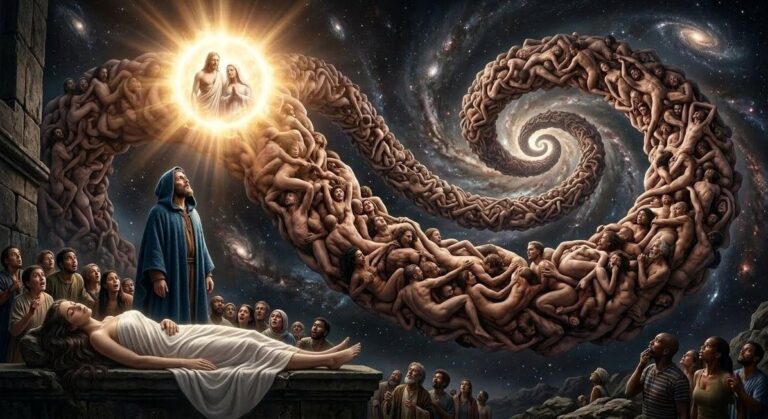
The Dialogue of the Saviour (NHC III,5) preserves a fragmentary yet precious record of post-resurrection conversations between Jesus and his disciples—Judas, Matthew, and Mary Magdalene [1]. Unlike the systematic theology of Valentinian treatises or the complex cosmological mythography of Sethian ascent texts, this tractate presents intimate spiritual direction focused on the immediate possibility of salvation through knowledge. The text operates as a classified briefing for the spiritually prepared, offering urgent warnings about the approaching consummation of the age while mapping the bureaucratic structure of reality from which the elect must extricate themselves.
Scholarship has recognised the Dialogue as crucial evidence for the diversity of early Christian dialogue literature, demonstrating that Gnostic traditions included not merely cosmic speculation but practical soteriological instruction [2]. The prominence of Mary Magdalene as primary interlocutor provides significant evidence for women’s leadership in early Gnostic circles, while the text’s sayings traditions offer parallels to the Gospel of Thomas within a framework of eschatological urgency. For historians of religion, the Dialogue offers rare insight into how early Christian communities transformed sayings material into frameworks for immediate spiritual transformation [3].
What Is the Dialogue of the Saviour?
The Dialogue of the Saviour (NHC III,5) is a second-century Coptic text discovered among the Nag Hammadi codices in Upper Egypt in 1945. Presenting post-resurrection conversations between Jesus and disciples including Mary Magdalene, Judas, and Matthew, the text combines sayings traditions similar to the Gospel of Thomas with urgent eschatological expectation. It addresses the nature of reality, the path to salvation, and the approaching consummation of the age, functioning as a technical manual for navigating the ontological deficiency of material existence [4].
Table of Contents
- The State of Deficiency and Ontological Realism
- The Sayings of Light: Knowledge as Security Clearance
- Mary Magdalene: The Perfected Disciple
- The Consummation of the Age
- Literary Form and Theological Distinctives
- Why the Dialogue of the Saviour Matters
- Frequently Asked Questions
- Further Reading
- References and Sources
The State of Deficiency and Ontological Realism
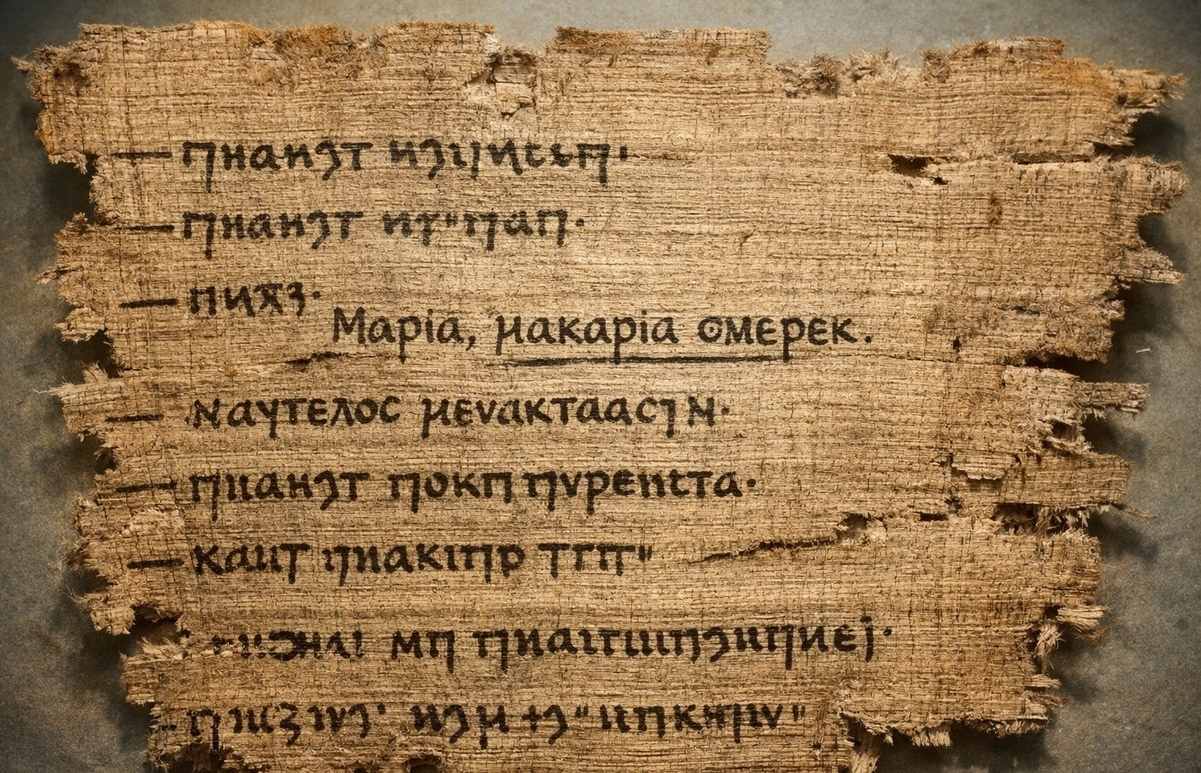
Jesus opens the surviving portion with a stark assessment of the human condition: “The defiled are defiled, the pure are pure. The good are good, and the evil are evil” (NHC III,5 120:18-20) [5]. This is not crude moral dualism but phenomenological realism—one’s spiritual state determines one’s perceptual reality. The material world operates as an administrative hierarchy where status determines access clearance.
Central to the text is the concept of ysterema (deficiency)—the ontological gap between the divine pleroma and the material realm. “The deficiency is filled with light, and the darkness passes away” (NHC III,5 121:4-6) [6]. The saviour’s mission functions as an executive intervention, filling the administrative lack with luminous knowledge and dissolving the shadowed constraints of the cosmic filing system. This is soteriology framed as the correction of fundamental errors in the ontological ledger.
Primary Source Citation: “The defiled are defiled, the pure are pure. The good are good, and the evil are evil… The deficiency is filled with light, and the darkness passes away.” — NHC III,5 120:18-20; 121:4-6 [5]
The Sayings of Light: Knowledge as Security Clearance
The Dialogue preserves sayings traditions parallel to those in the Gospel of Thomas yet distinct in emphasis. “Whoever does not know the root of the darkness will not be able to see the kingdom” (NHC III,5 126:15-17) [7]. Here knowledge functions as necessary security clearance—one cannot access the executive headquarters without understanding the origin of the problem: the primordial fall, the mixture of light and darkness, and the subsequent material manifestation.
One particularly troubling saying commands: “Pray in the place where there is no woman” (NHC III,5 144:15-16) [8]. Such statements appear to reflect ascetic tendencies identifying the feminine with matter, body, and earthbound existence. However, the simultaneous elevation of Mary Magdalene within the text complicates straightforward misogynistic readings. The “woman” to be abandoned likely represents the feminine principle within the male psyche—the attachment to material generation—rather than biological women. The text employs bureaucratic metaphors of exclusion while paradoxically granting Mary full administrative access to the highest teachings.
The Invisibility of Divine Operations
“The works of the Father are not visible, but they are revealed to those who are worthy” (NHC III,5 132:18-19) [9]. This theme of hiddenness pervades the text—truth operates not through public proclamation but private revelation, not through institutional channels but through personal recognition. The divine functions as an invisible executive whose directives only appear to those possessing appropriate clearance levels.
Mary Magdalene: The Perfected Disciple
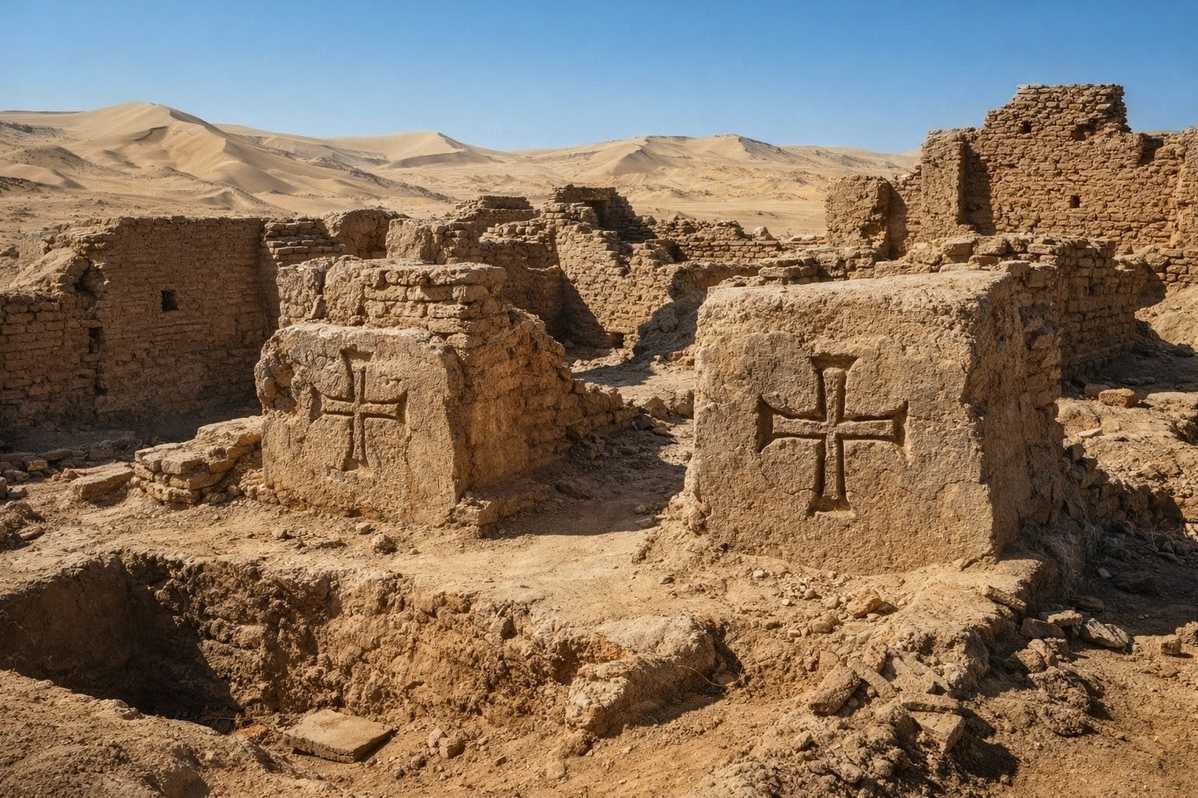
Mary Magdalene emerges as the preeminent interlocutor, asking questions that elicit the deepest teachings and receiving direct commendation: “Mary, you are blessed, for you have understood the truth” (NHC III,5 139:11-13) [10]. Her inquiries concern practical soteriology: “Tell me, Lord, what I must do to inherit the kingdom” (NHC III,5 137:4-5) [11].
Jesus responds with instructions regarding consciousness transformation: “Cease from the works of the flesh, and do not touch the impure things of the world” (NHC III,5 137:8-10) [12]. The elevation of Mary here provides crucial evidence for women’s leadership in early Gnostic circles. Unlike some traditions that merely include women as secondary figures, the Dialogue presents Mary as the ideal recipient of esoteric knowledge—the disciple whose understanding has achieved full clearance status within the divine bureaucracy.
Primary Source Citation: “Mary, you are blessed, for you have understood the truth… Tell me, Lord, what I must do to inherit the kingdom.” — NHC III,5 139:11-13; 137:4-5 [10]
The Consummation of the Age: Eschatological Urgency
The text concludes its surviving portions with urgent warnings: “The time has come for the consummation of the age. The archons will weep, and the powers will mourn, for the light has escaped them” (NHC III,5 142:5-9) [13]. This is not world-destruction but world-transcendence—the gathering of spiritual seed from material soil, the dissolution of the temporary admixture, the return to primordial unity.
“The fire will burn the works of darkness, and the light will gather its own to itself” (NHC III,5 143:2-4) [14]. The eschatology is dualistic—separation rather than transformation. Light and darkness maintain distinct ontological categories; the goal is not the redemption of the material but the extraction of the spiritual. The archons—those middle-management powers that govern the cosmic filing system—face obsolescence as the true executives reclaim their personnel.

Literary Form and Theological Distinctives
The Dialogue belongs to the genre of post-resurrection dialogues—similar to the Sophia of Jesus Christ but more intimate, more urgent. Where the Sophia presents cosmic revelation in question-and-answer format, the Dialogue offers practical spiritual direction focused on immediate transformation [15]. It represents what scholars term “sayings Gnosticism”—traditions that privilege logia over mythological narrative, practical knowledge over cosmological speculation.
The fragmentary nature creates interpretive challenges. Lacunae interrupt the argumentative flow, and the sayings often appear cryptic without broader context. Yet this damage also preserves the text’s urgency—it reads like intercepted classified communications, partially redacted but still transmitting vital intelligence about the nature of reality.
The Dialogue within the Nag Hammadi Corpus
Scholars debate the text’s exact classification. It contains elements parallel to the Gospel of Thomas—shared sayings, similar formats—yet lacks Thomas’s pure logia collection structure [16]. It engages questions of cosmology without fully developing the Sethian metaphysical systems found in the Apocryphon of John. It maintains an eschatological urgency distinct from the Valentinian speculative theology of the Tripartite Tractate.

Why the Dialogue of the Saviour Matters
This text preserves a distinctive voice within early Christian diversity—less systematic than Valentinian treatises, less mythological than Sethian ascents, focused instead on the immediate encounter between enlightened teacher and prepared disciple. It suggests that Gnosticism included robust traditions of intimate spiritual direction, not merely cosmic speculation about aeons and archons [17].
The prominence of Mary Magdalene adds to mounting evidence for women’s leadership in early Gnostic circles. The text does not merely include her as a token presence but highlights her understanding as paradigmatic—she represents the ideal disciple who has achieved full security clearance within the divine administrative structure. For understanding the variety of Gnostic literary forms and the practical soteriology of sayings traditions, this fragmentary yet precious text remains essential reading [18].
Frequently Asked Questions
What is the Dialogue of the Saviour and where was it found?
The Dialogue of the Saviour (NHC III,5) is a Coptic text discovered among the Nag Hammadi codices in Upper Egypt in 1945. It presents post-resurrection conversations between Jesus and disciples including Mary Magdalene, Judas, and Matthew, focusing on salvation through knowledge and the coming consummation of the age.
Why is the Dialogue of the Saviour fragmentary?
Like many Nag Hammadi texts, the Dialogue survives only in partial form. The beginning and ending are lost, and significant lacunae interrupt the middle of the manuscript. This damage likely occurred through natural decomposition of the papyrus over sixteen centuries before its modern discovery and conservation.
What makes Mary Magdalene significant in this text?
Mary Magdalene functions as the primary interlocutor receiving the deepest teachings and direct praise from Jesus: ‘Mary, you are blessed, for you have understood the truth.’ Her prominence provides evidence for women’s leadership in early Gnostic circles and challenges patriarchal assumptions about religious authority.
How does the Dialogue relate to the Gospel of Thomas?
The Dialogue preserves sayings parallel to those in the Gospel of Thomas but embedded within a dialogue framework with eschatological urgency. While Thomas collects isolated logia, the Dialogue contextualises similar teachings within conversations about the end times and the nature of spiritual deficiency.
What does the text mean by deficiency (ysterema)?
The deficiency (Greek:ysterema) refers to the ontological gap between the divine pleroma (fullness) and the material world. It represents the lack or absence characterising embodied existence. The saviour’s mission involves filling this deficiency with light, thereby dissolving the darkness and separation that define material reality.
Is the Dialogue of the Saviour Gnostic?
While containing typically Gnostic elements–dualistic cosmology, secret knowledge for salvation, archonic powers, and the elevation of Mary Magdalene–the text resists simple classification. It lacks the developed mythological systems of Sethian or Valentinian traditions, focusing instead on practical spiritual direction and sayings of Jesus.
What is the consummation of the age mentioned in the text?
The consummation refers to the eschatological separation of light from darkness, spirit from matter. Unlike apocalyptic literature predicting worldly destruction, the Dialogue envisions world-transcendence–the gathering of spiritual seed back to the divine pleroma, rendering the archonic administration obsolete.
Further Reading
- The Gospel of Thomas: 114 Hidden Sayings — Parallel sayings tradition with similar logia structure but distinct theological emphases.
- The Sophia of Jesus Christ: Divine Wisdom Revealed — Post-resurrection dialogue format treating cosmological revelation rather than eschatological urgency.
- The Gospel of Mary Magdalene — Continued exploration of Mary Magdalene’s leadership role in early Gnostic Christianity.
- The Apocryphon of John: Gnostic Creation — Comprehensive Sethian cosmology contrasting with the Dialogue’s practical focus.
- The Tripartite Tractate: Valentinian System — Systematic theology representing a different trajectory within Nag Hammadi traditions.
- Sayings Gospels Collection — Broader context for the logia traditions preserved in the Dialogue.
- The Thunder, Perfect Mind — Alternative voice of divine feminine wisdom within the Nag Hammadi corpus.
- The Feminine Divine in Nag Hammadi — Comprehensive examination of women’s roles and feminine theological principles.
- Codex III: Sethian Cosmology — The manuscript context containing the Dialogue alongside the Apocryphon of John and Eugnostos.
- Gnostic Schools: Sethians, Valentinians, Hermetics — Taxonomy of traditions helping situate the Dialogue’s ambiguous classification.
References and Sources
The following sources support the claims and quotations presented in this article. All citations to the Nag Hammadi Library represent direct translations from the Coptic text as established in the standard critical editions.
Primary Sources and Critical Editions
- [1] Robinson, James M., ed. The Nag Hammadi Library in English. 4th ed. Leiden: Brill, 1996. 235-47. [Standard critical edition with translation]
- [2] Layton, Bentley. “The Dialogue of the Savior.” In The Gnostic Scriptures, 246-53. Garden City: Doubleday, 1987. [Translation with introduction and notes]
- [3] Meyer, Marvin W., ed. The Nag Hammadi Scriptures: The International Edition. New York: HarperOne, 2007. 271-80. [Comprehensive translation with scholarly annotation]
- [4] Turner, John D. “The Dialogue of the Savior.” In Nag Hammadi Codices III,3-4 and V,1. NHS 25. Leiden: Brill, 1989. [Critical edition with Coptic text]
- [5] Schenke, Hans-Martin. “The Dialogue of the Saviour.” In New Testament Apocrypha, edited by Wilhelm Schneemelcher, 348-56. Louisville: Westminster John Knox, 1991. [Canonical collection translation]
Scholarly Monographs and Articles
- [6] Emmel, Stephen. “The Dialogue of the Saviour.” In The Coptic Gnostic Library. Leiden: Brill, 2000. [Technical codicological study]
- [7] Marjanen, Antti. The Woman Jesus Loved: Mary Magdalene in the Nag Hammadi Library. Leiden: Brill, 1996. [Comprehensive study of Mary’s role in Gnostic texts]
- [8] King, Karen L. The Gospel of Mary of Magdala. Santa Rosa: Polebridge, 2003. [Analysis of Magdalene literature and Gnostic women’s leadership]
- [9] Pasquier, Anne. L’Evangile selon Marie. Quebec: Presses de l’Universite Laval, 1983. [Critical edition of related Magdalene literature]
- [10] Valantasis, Richard. The Gospel of Thomas. London: Routledge, 1997. [Comparative analysis of sayings traditions]
Comparative Studies and Thematic Analyses
- [11] Davies, Stevan L. The Gospel of Thomas and Christian Wisdom. New York: Seabury, 1983. [Historical context of sayings Gospels]
- [12] Williams, Michael A. Rethinking “Gnosticism”: An Argument for Dismantling a Dubious Category. Princeton: Princeton University Press, 1996. [Theoretical framework for Gnostic diversity]
- [13] Logan, Alastair H.B. Gnostic Truth and Christian Heresy. Edinburgh: T&T Clark, 1996. [Doctrinal classification of Gnostic systems]
- [14] Morard, Francoise. “L’Apocalypse d’Adam du Codex V de Nag Hammadi.” Quebec Studies in Religion 4 (1983): 269-87. [Comparative Sethian literature analysis]
- [15] Wisse, Frederik. “The Nag Hammadi Library and the Heresiologists.” Vigiliae Christianae 25 (1971): 205-23. [Patristic context and reception history]