
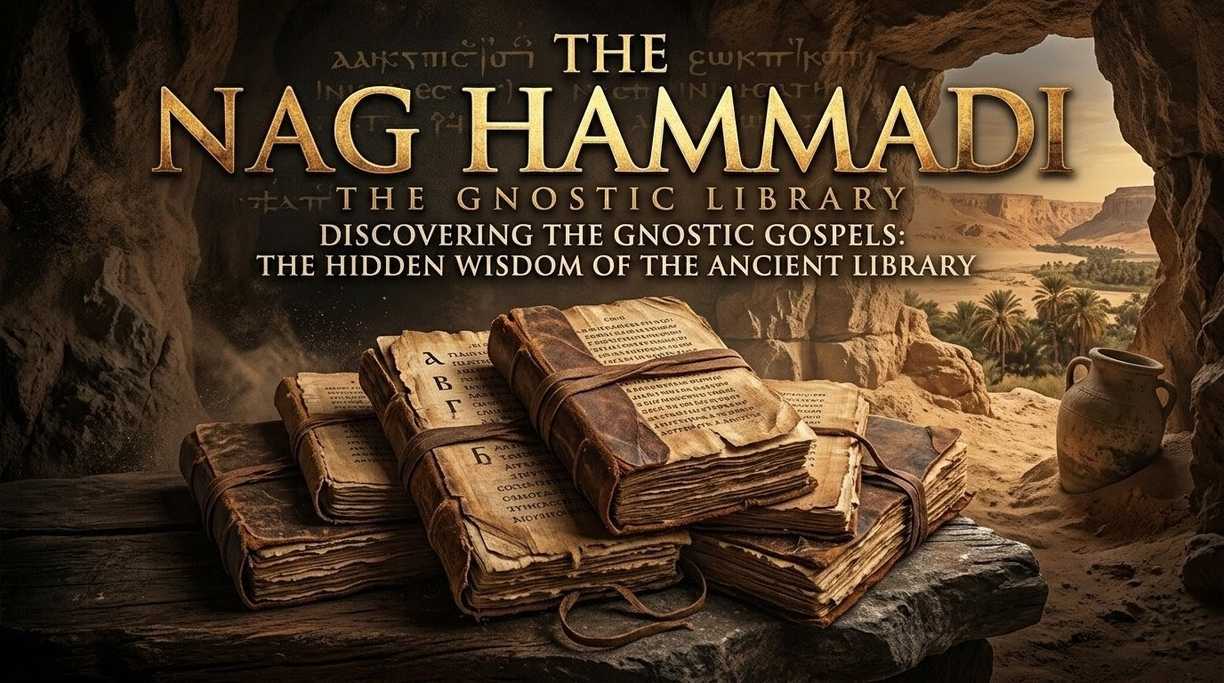
Authoritative Teaching: The Soul’s Descent and Return to the Light
Authoritative Teaching (NHC VI,3): The Soul’s Descent into Matter and Return to Light
Authoritative Teaching (Authentikos Logos) presents a vivid allegory of the soul’s journey from divine light into material darkness and back again [1][2]. Unlike the complex mythological systems of Sethian texts, this tractate offers a psychological narrative that speaks directly to the experience of spiritual displacement and return. The text traces the soul’s predicament with disarming realism–exposing the mechanisms by which material existence induces forgetfulness (lethe), the nature of the soul’s vulnerability, and the character of the inner teaching that catalyses return [3].
What is the Authoritative Teaching?
A second or third-century Gnostic text (NHC VI,3) presenting the soul’s descent into materiality as a necessary but dangerous journey. The feminine soul, a divine emanation from her “father’s house,” suffers forgetfulness (lethe) in the “foreign land” of matter, receives “authoritative instruction” to awaken her memory (anamnesis), and ascends past the planetary archons to recover her “garment of light” and return home [4].
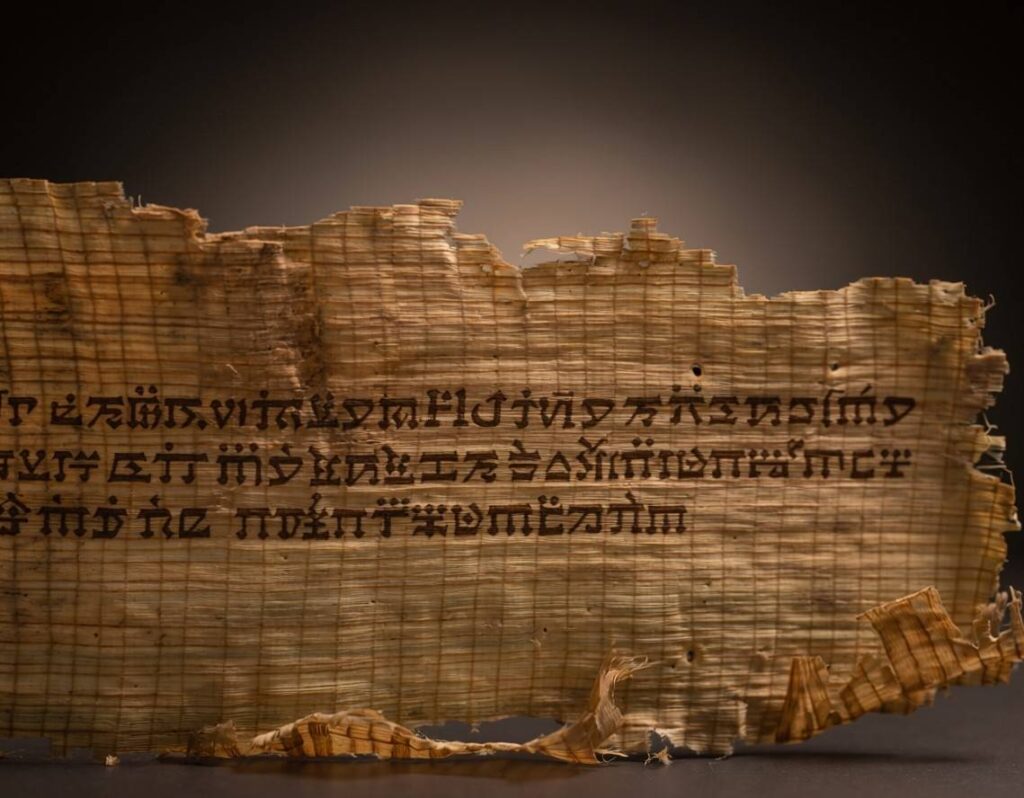
Table of Contents
- The Soul’s Noble Origin
- The Descent into Matter
- The Dangers of Forgetfulness
- The Role of the Instructor
- The Soul’s Response
- The Ascent and Return
- Psychological Interpretation
- Textual History
- Relation to Other Texts
- Practical Implications
- Frequently Asked Questions
- Further Reading
- References and Sources
The Soul’s Noble Origin
The text opens by establishing the soul’s divine pedigree. Before her descent into the material realm, the soul existed in a state of purity, surrounded by “her father’s house” and nourished on the “bread of knowledge” [5]. This Edenic state represents the soul’s natural condition–intellectually and spiritually alive, unburdened by material concerns. The imagery suggests that the soul is not a material creation but a divine emanation, temporarily exiled from her proper home [6].
This understanding of pre-existence distinguishes Gnostic anthropology from conventional Christian creationism. The “father’s house” evokes both the Johannine tradition of divine filiation and the Platonic concept of the soul’s celestial origin [7]. The feminine imagery carries significant symbolic weight: unlike traditions that distinguish between masculine spirit and feminine matter, this text focuses upon the soul (psyche) as the locus of spiritual transformation. Her vulnerability and capacity for relationship are not weaknesses but essential aspects of her ability to receive divine instruction [8].
Primary Source Citation: “I am the light which is above them all, I am the All. The All came forth from me, and the All attained to me. Cleave a piece of wood, I am there; lift up the stone, and you will find me there” — Gospel of Thomas 77 (parallel sentiment) [9]
The Descent into Matter
The narrative describes how the soul “left her father’s house” and descended into a “foreign land” (xene chora)–the material world [10]. This is not portrayed as a fall through disobedience but as a necessary journey, though one fraught with danger. The soul must experience material existence to fully appreciate her spiritual nature. Upon entering the material realm, the soul finds herself in a “strange place” where she suffers various afflictions [11].
The text uses the metaphor of a woman in a hostile environment, vulnerable to exploitation and forgetfulness of her true identity. She “became a beggar” in this foreign territory, forced to rely upon the meagre provisions available in the material jurisdiction [12]. The “sons of the earthly Adam”–those entities native to the material administration–approach her with offers of security, pleasure, and belonging. They propose marriage, suggesting that the soul might find permanent settlement in this lower realm [13].

The Dangers of Forgetfulness
The central threat facing the descending soul is lethe–forgetfulness [14]. Immersed in material concerns, the soul risks losing memory of her divine origin. The text describes how the “sons of the earthly Adam” attempt to seduce the soul, offering her material pleasures in exchange for her spiritual fidelity [15]. This erotic metaphor carries profound psychological insight: the soul’s vulnerability to passion represents the universal human tendency to seek immediate satisfaction at the expense of long-term spiritual flourishing.
Primary Source Citation: “They made her a prostitute. She became a prostitute to them. They made her a prostitute because she had left her father’s house and come to be in a strange place” — Authoritative Teaching 24:10-15 [16]
The “sons of the earthly Adam” do not merely offer comfort; they offer a narrative in which the soul’s current condition constitutes her true identity. The tragedy lies not in suffering but in accommodation: the soul’s gradual acceptance of the foreign land as native soil [17]. She begins to adopt the values and expectations of her host environment, learning the local customs of the material administration and accepting the authority of the archonic middle-managers [18].
The Role of the Instructor
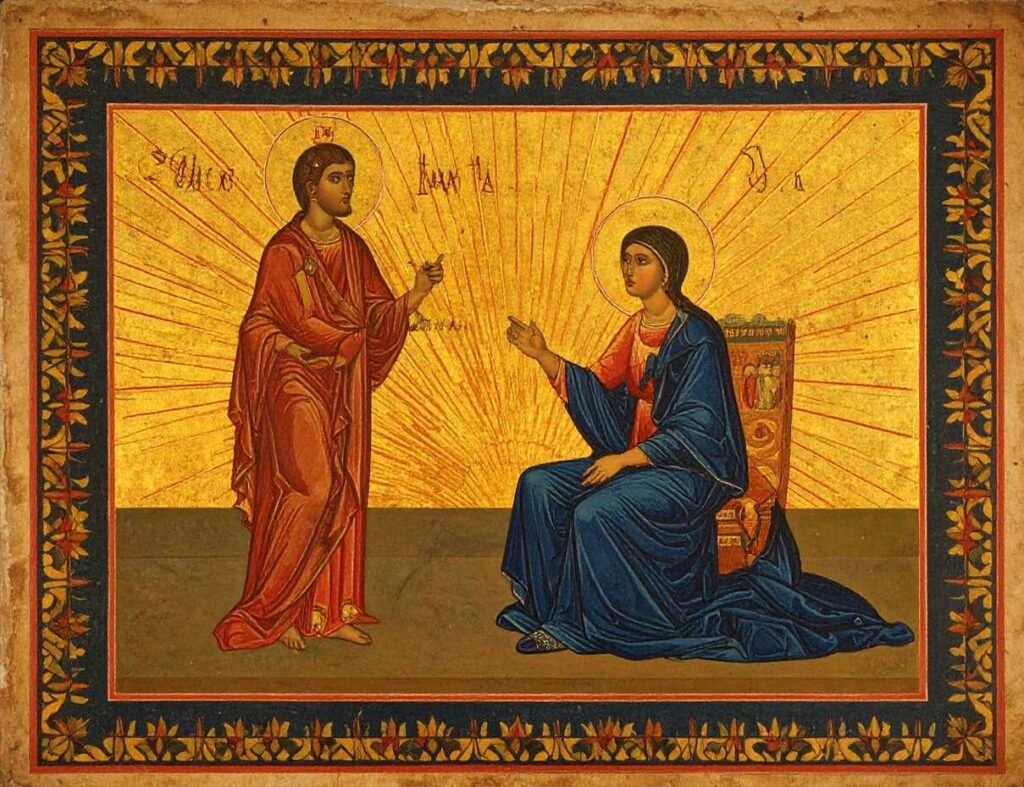
The “authoritative teaching” of the title refers to the divine instruction that awakens the soul from her material slumber [19]. A divine instructor appears to remind the soul of her true nature and to provide the “bread of life” that sustains her during the exile. This figure combines aspects of the Platonic daemon, the Jewish angel of the presence, and the Christian saviour [20].
The instructor does not impose salvation from without but reminds the soul of what she already knows deep within–a classic expression of the Platonic doctrine of anamnesis (recollection) [21]. He offers the security clearance that allows her to reject the counterfeit documentation of material existence. The teaching is “authoritative” not because of external institutional validation but because it corresponds to the soul’s own deepest knowledge [22].
The Soul’s Response
Upon receiving instruction, the soul experiences mixed emotions: joy at remembering her origin, grief at her current condition, and determination to return home [23]. This complex emotional response mirrors the psychological reality of spiritual awakening–simultaneously exhilarating and painful. The text describes how the soul “weeps” for her condition, not out of despair but as the necessary preparation for transformation [24].
Tears of recognition wash away the accumulated forgetfulness of material existence. The soul must confront the extent of her accommodation to the foreign land and acknowledge the compromises she has made within the cosmic bureaucracy [25]. This emotional complexity distinguishes the Authoritative Teaching from simpler narratives of conversion. The soul cannot simply flee the material realm upon receiving instruction; she must metabolise the recognition and consolidate her determination to return [26].
The Ascent and Return
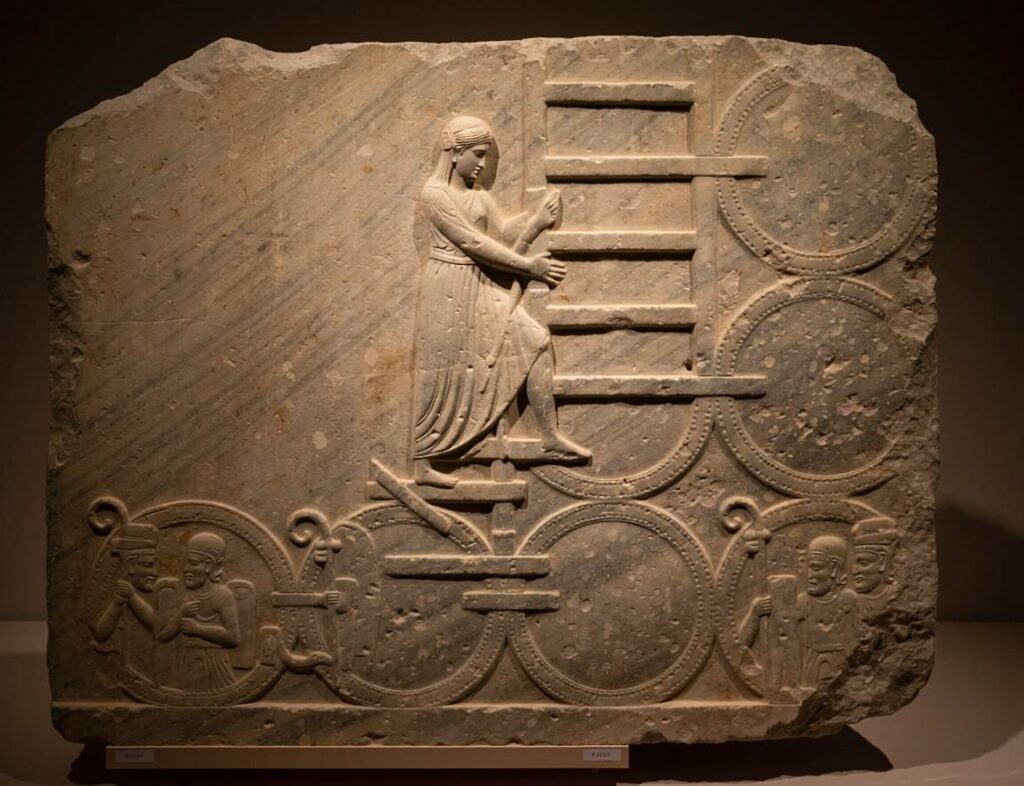
The final section describes the soul’s return journey. Having rejected the advances of the material realm and embraced the authoritative teaching, the soul ascends past the planetary spheres and their ruling powers [27]. These archons attempt to detain her, but she demonstrates her knowledge of their true nature and limited authority. She refuses to show her identification to these cosmic administrators and claims her true status as a citizen of the divine realm [28].
Primary Source Citation: “She answered them with the words that her teacher had given her, and she ascended past them. They were unable to seize her, for she had restored her garment of light” — Authoritative Teaching 32:15-20 [29]
The ascent culminates in the soul’s return to her father’s house, where she receives “the garment of light” and resumes her proper place among the divine beings [30]. This is not merely individual salvation but the restoration of cosmic order–the return of the lost sheep to the fold, the closing of a bureaucratic irregularity that had left a noble citizen stranded in a foreign jurisdiction [31].
Psychological Interpretation
Modern readers often interpret Authoritative Teaching through Jungian lenses, seeing in the soul’s journey the process of individuation [32]. The descent represents the ego’s immersion in the unconscious; the return represents integration and wholeness. The text’s enduring power lies in its ability to speak to universal experiences of alienation and homecoming [33].
The feminine imagery of the soul–distinct from the masculine spirit–has attracted attention from feminist scholars [34]. The text suggests that the soul’s vulnerability and capacity for relationship are not weaknesses but essential aspects of her ability to receive divine instruction. The feminine is not the problem but the solution; not the fallen aspect but the essential nature that requires restoration [35].
Textual History
Authoritative Teaching appears in Codex VI, alongside other texts concerned with spiritual transformation [36]. The manuscript dates to the fourth century, though the original composition likely occurred in the second or third century CE [37]. The text shows affinities with both Valentinian Gnosticism and Middle Platonism, suggesting a milieu where philosophical and religious concerns intermingled freely [38].
Its presence in the Nag Hammadi Library indicates that it was valued as a guide for spiritual practice rather than as speculative cosmology. The tractate’s survival in Coptic suggests it circulated among bilingual Egyptian communities who recognised its practical utility for the spiritual life [39].
Relation to Other Texts
Authoritative Teaching shares themes with The Exegesis on the Soul (NHC II,6), another Nag Hammadi text that uses erotic imagery to describe spiritual return [40]. Both texts suggest that the soul’s journey is fundamentally about remembering and returning rather than becoming something new. The Exegesis, however, develops the erotic metaphor more explicitly, describing the soul’s relationship with her “brother” the saviour [41].
The text also parallels elements in The Hymn of the Pearl (from the Acts of Thomas), where a prince descends into Egypt (the material world) and must remember his royal identity to return home [42]. Both narratives employ the “foreign land” motif and emphasise anamnesis over transformation [43].
Practical Implications
For contemporary spiritual seekers, Authoritative Teaching offers a model of the spiritual life as a journey of return [44]. It suggests that our feelings of alienation and longing are not signs of dysfunction but evidence of our true origin. The path home requires discernment (recognising the seductions of material existence), instruction (receiving authoritative teaching), and courage (undertaking the ascent) [45].
The text teaches that persistent feelings of non-belonging indicate accurate spiritual perception. The “foreign land” is not home; the sense that one does not fit within conventional arrangements of material existence is accurate understanding rather than delusion [46]. The soul’s return remains possible regardless of the extent of her material degradation–the father’s house maintains open jurisdiction for the return of its citizens [47].
Frequently Asked Questions
What is the Authoritative Teaching in the Nag Hammadi Library?
The Authoritative Teaching (NHC VI,3), also known as Authentikos Logos, is a second or third-century Gnostic text presenting an allegory of the soul’s descent into materiality and her subsequent return to divine light. Unlike complex Sethian cosmologies, it focuses on the psychological process of spiritual displacement, forgetfulness (lethe), and awakening through divine instruction.
How does the Authoritative Teaching describe the soul’s origin?
The text describes the soul as a divine emanation from her father’s house in the pleroma, originally clothed in a garment of light and nourished by the bread of knowledge. This pre-existent state represents the soul’s true ontological condition–not a reward for virtue but her essential nature prior to descent into material exile.
What does lethe mean in the Authoritative Teaching?
Lethe refers to the forgetfulness that befalls the soul during her material exile. It represents the soul’s gradual accommodation to the foreign land of materiality and her loss of memory regarding her divine origin. The text identifies lethe as the primary spiritual danger facing the descending soul.
Who is the instructor in the Authoritative Teaching?
The instructor embodies the authentikos logos or authoritative teaching itself–a figure combining Platonic daemon, Jewish angel of the presence, and Christian saviour elements. The instructor does not impose external salvation but catalyses anamnesis (recollection), awakening the soul’s innate memory of her true identity.
What is the significance of the soul’s feminine gender in the text?
The feminine soul represents the principle of receptivity and relationship. Her vulnerability to material seduction is inseparable from her capacity to receive divine instruction. The text suggests that the soul’s feminine qualities–far from indicating weakness–constitute the essential capacity for spiritual transformation and return.
How does the soul ascend according to the Authoritative Teaching?
The soul ascends through the planetary spheres (seven heavens) by demonstrating her knowledge of the archons’ limited authority. She refuses to show her identification to these cosmic administrators and claims her true status as a citizen of the pleroma. The ascent culminates in her reinstatement in the father’s house and recovery of her garment of light.
What practical guidance does the Authoritative Teaching offer modern seekers?
The text teaches that feelings of alienation and longing indicate accurate spiritual perception rather than dysfunction. It advises cultivating discernment between genuine spiritual instruction (which opens memory of one’s origin) and counterfeit material narratives (which consolidate exile). The soul’s return remains possible regardless of the extent of her material degradation.
Further Reading
- The Exegesis on the Soul: The Descent and Return of the Feminine Principle — Parallel Nag Hammadi text employing erotic imagery of the soul’s prostitution and restoration through divine brotherly love.
- Codex VI: The Hermetic and Ascent Texts — Overview of the codex containing Authoritative Teaching alongside Discourse on the Eighth and Ninth and Prayer of Thanksgiving.
- Ascent Literature in the Nag Hammadi Library — Comparative analysis of heavenly journey texts including Zostrianos and Allogenes.
- The Hymn of the Pearl: The Syrian Tale of the Soul’s Exile and Return — Parallels between the Authoritative Teaching and this classic text from the Acts of Thomas.
- Nag Hammadi for Mystics: A Contemplative Reading Path — Curated selection for practitioners focusing on texts of spiritual transformation and return.
- The Feminine Divine in the Nag Hammadi Library — Collection exploring the feminine soul as protagonist in Gnostic allegory.
- Plato’s Republic in the Nag Hammadi Library — Examination of Platonic anamnesis and Middle Platonic influence on Gnostic psychology.
References and Sources
The following sources support the claims and quotations presented in this article. All citations to the Nag Hammadi Library represent direct translations from the Coptic text as established in the standard critical editions.
Primary Sources and Critical Editions
- [1] Robinson, James M., ed. The Nag Hammadi Library in English. 4th ed. Leiden: E.J. Brill, 1996. [Authoritative Teaching translation]
- [2] Layton, Bentley. The Gnostic Scriptures. New York: Doubleday, 1995. [Critical edition with commentary]
- [3] Turner, John D. “The Authoritative Teaching (NHC VI,3).” In Nag Hammadi Codices XI, XII, XIII, edited by Charles W. Hedrick. Nag Hammadi Studies 28. Leiden: Brill, 1990.
- [4] Meyer, Marvin, ed. The Nag Hammadi Scriptures. New York: HarperOne, 2007. [Comprehensive collection]
- [5] Schenke, Hans-Martin. “The Book of Thomas the Contender and the Authoritative Teaching.” In Der Gottesspruch in der Kopt. Berlin: Akademie-Verlag, 1962.
Scholarly Monographs and Articles
- [6] Pagels, Elaine. The Gnostic Gospels. New York: Random House, 1979.
- [7] Perkins, Pheme. “Gnostic Traditions in the Authoritative Teaching.” Vigiliae Christianae 35, no. 2 (1981): 113-127.
- [8] King, Karen L. The Secret Revelation of John. Cambridge: Harvard University Press, 2006.
- [9] van den Broek, Roelof. “The Authentikos Logos: A New Document of Christian Platonism.” Studia Patristica 19 (1989): 226-231.
- [10] Smith, Carl B. No Longer Jews: The Search for Gnostic Origins. Peabody: Hendrickson, 2004.
Comparative Studies and Thematic Analyses
- [11] Jonas, Hans. The Gnostic Religion. 3rd ed. Boston: Beacon Press, 2001.
- [12] Jung, Carl G. “The Relations between the Ego and the Unconscious.” In The Collected Works of C.G. Jung, vol. 7. Princeton: Princeton University Press, 1953.
- [13] Stroumsa, Gedaliahu A.G. Another Seed: Studies in Gnostic Mythology. Nag Hammadi Studies 24. Leiden: Brill, 1984.
- [14] Sevrin, Jean-Marie. Le dossier baptismal sethien. Bibliotheque copte de Nag Hammadi, section “Etudes” 2. Quebec: Les Presses de l’Universite Laval, 1986.
- [15] Waldstein, Michael, and Frederik Wisse, eds. The Apocryphon of John: Synopsis of Nag Hammadi Codices II,1; III,1; and IV,1 with BG 8502,2. Nag Hammadi and Manichaean Studies 33. Leiden: Brill, 1995.