The Book of Thomas the Contender: Flesh, Soul, and the Saved
The Book of Thomas the Contender (NHC II,7) preserves a secret post-resurrection dialogue between Jesus and his twin brother Didymus Judas Thomas—a conversation that transforms the reader’s understanding of flesh, soul, and the seven stages of spiritual development. This is not casual sibling banter but urgent esoteric instruction about the athletic contest against embodiment itself.
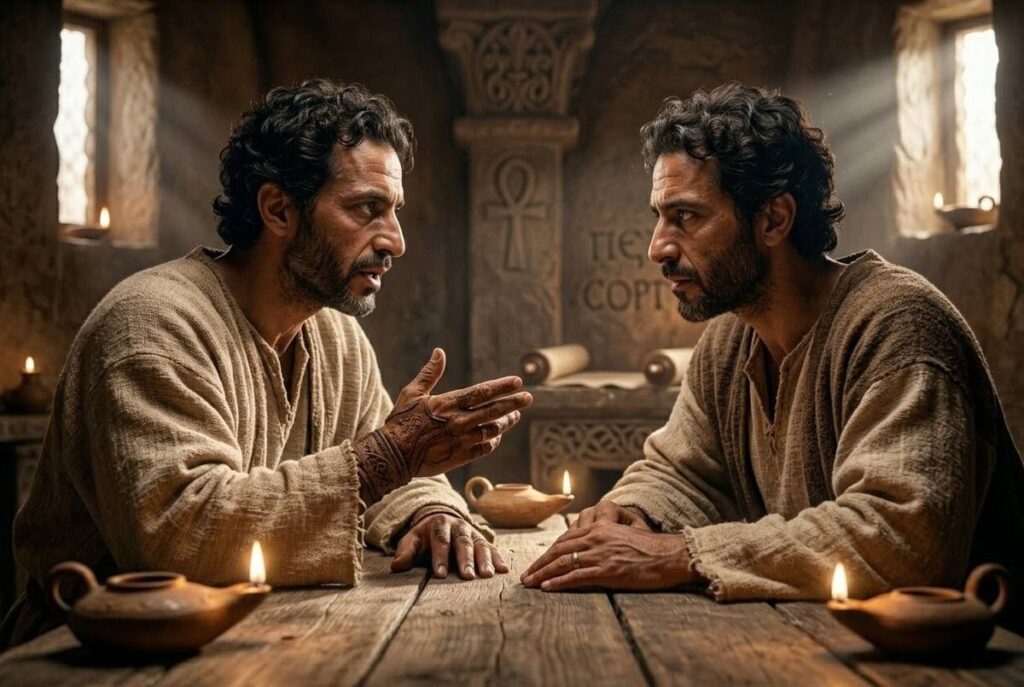
Table of Contents
The Dialogue Between Twin Brothers
What is the Book of Thomas the Contender?
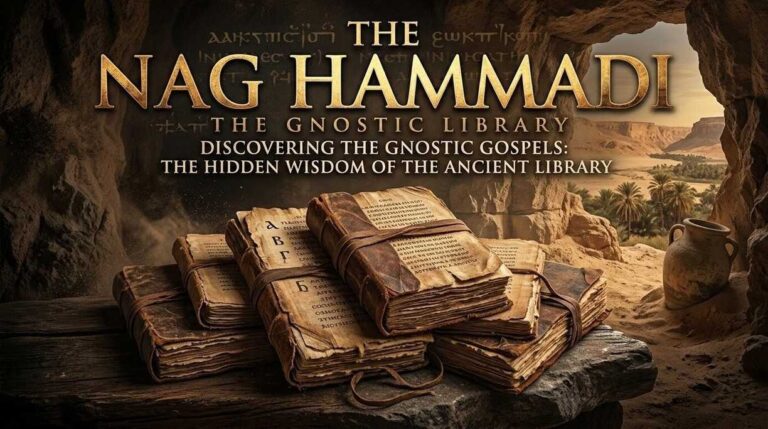
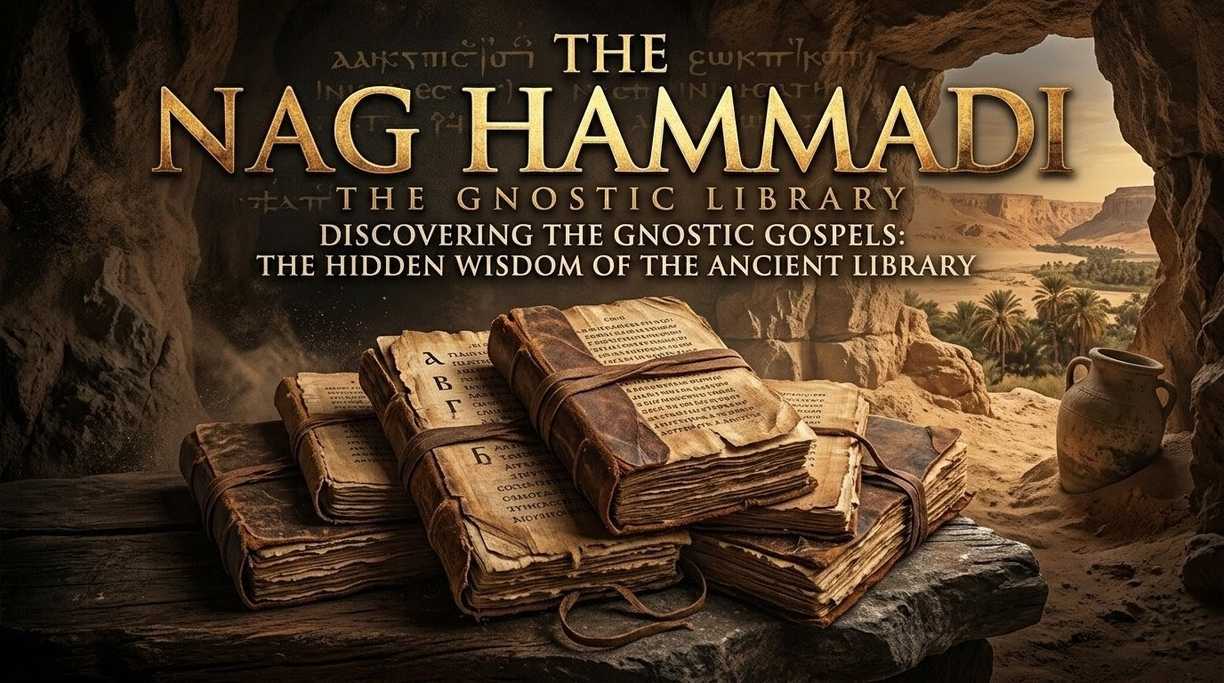
The Book of Thomas the Contender (also known as the Book of Thomas the Athlete or Fighter) occupies a unique position within the Nag Hammadi Library. Preserved in Codex II immediately following the Gospel of Thomas, this text presents itself as a secret dialogue between Jesus and his twin brother Didymus Judas Thomas—referred to here as “Didymus Judas Thomas”—occurring between the resurrection and ascension.
Primary Source Citations: The Book of Thomas the Contender (NHC II,7) 138:1-145:19. The text is written in Coptic, though scholars infer Greek original composition. It belongs to the literary genre of post-resurrection revelatory discourses, alongside the Dialogue of the Saviour and the Apocryphon of James.
Unlike the cryptic sayings collection of its companion text, the Book of Thomas offers a sustained theological argument about the nature of the soul, the dangers of the flesh, and the means by which the elect achieve immortality. Its literary form resembles the Dialogue of the Saviour and the Apocryphon of James, belonging to the genre of post-resurrection revelatory discourses—a format that legitimises esoteric teachings by placing them in the mouth of the resurrected Christ during the forty days before ascension.
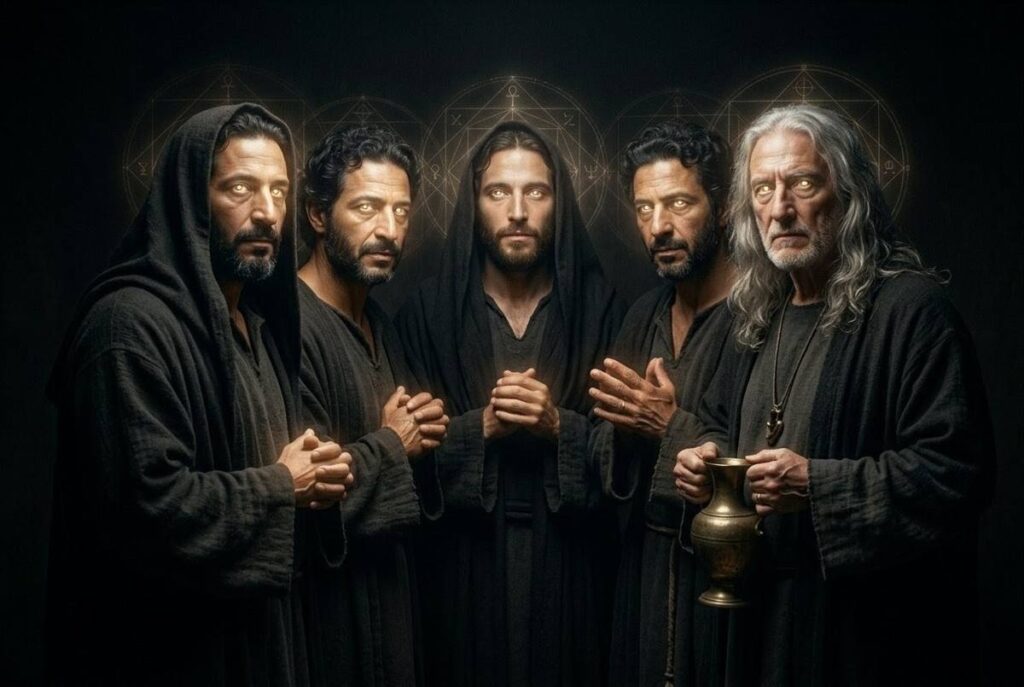
The twin motif operates on multiple levels. Didymus (Greek for “twin”) serves as both literal fraternal relationship and metaphorical device: Jesus addresses the reader’s own “twin” nature—the spiritual self that mirrors the divine while currently trapped in fleshy bureaucracy. This is ontological identity theft prevention—the recognition that your true self has an identical twin in the pleroma.
The Flesh as Contender
The text’s title carries dual significance that reveals its central concern. “Contender” (Greek: athletes) refers both to Thomas as a spiritual wrestler and to the flesh itself as the opponent against which the soul must struggle. This is not gentle yoga but Olympic combat—the opening sections establish a stark dualism where the flesh is described through a triad of imprisoning metaphors: a garment that binds the soul, a corpse that corrupts, and a prison that obscures true knowledge.
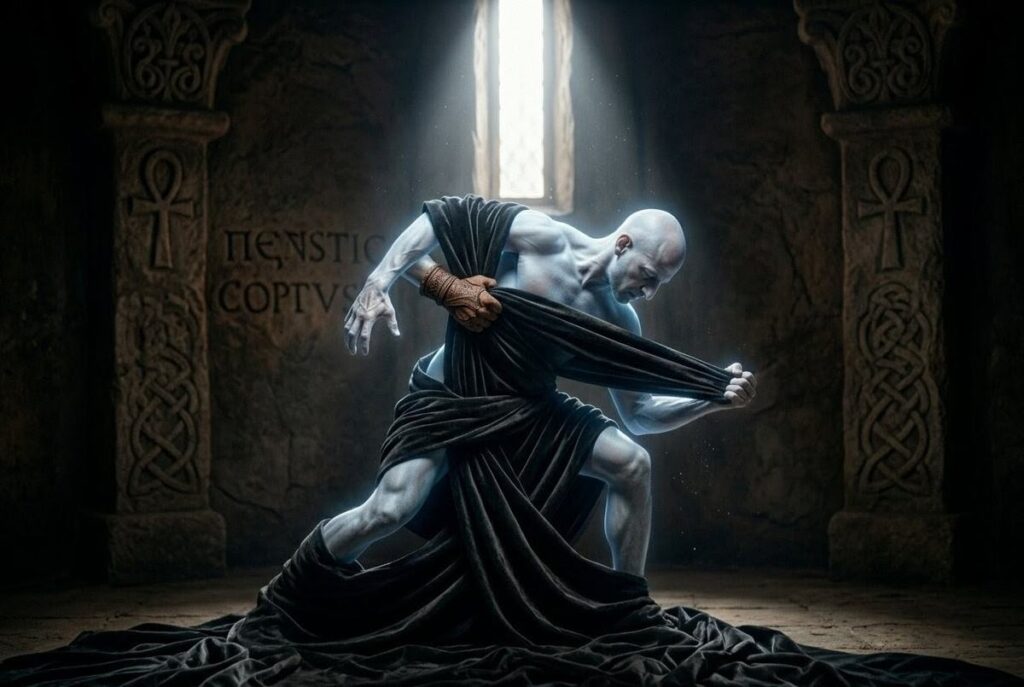
Jesus delivers to Thomas one of the most symmetrical condemnations in Gnostic literature: “Woe to the flesh that depends upon the soul; woe to the soul that depends upon the flesh.” (138:16-18). This is not a one-sided rejection of embodiment but a recognition of toxic co-dependence—the problem lies not in the mere existence of flesh but in the dependence or entanglement between soul and matter. Both parties suffer when locked in this embrace.
The athletic metaphor extends throughout the text. The soul is an athlete training for cosmic competition, and the flesh is both the equipment that weighs it down and the opponent that seeks to pin it to the mat. Victory requires not destruction of the body—this would be mere suicide, not salvation—but transformation of the relationship between spirit and matter. The goal is to wrestle the flesh into submission, to make it serve rather than dominate.
The Seven Stages of Spiritual Development
What are the seven stages in the Book of Thomas?
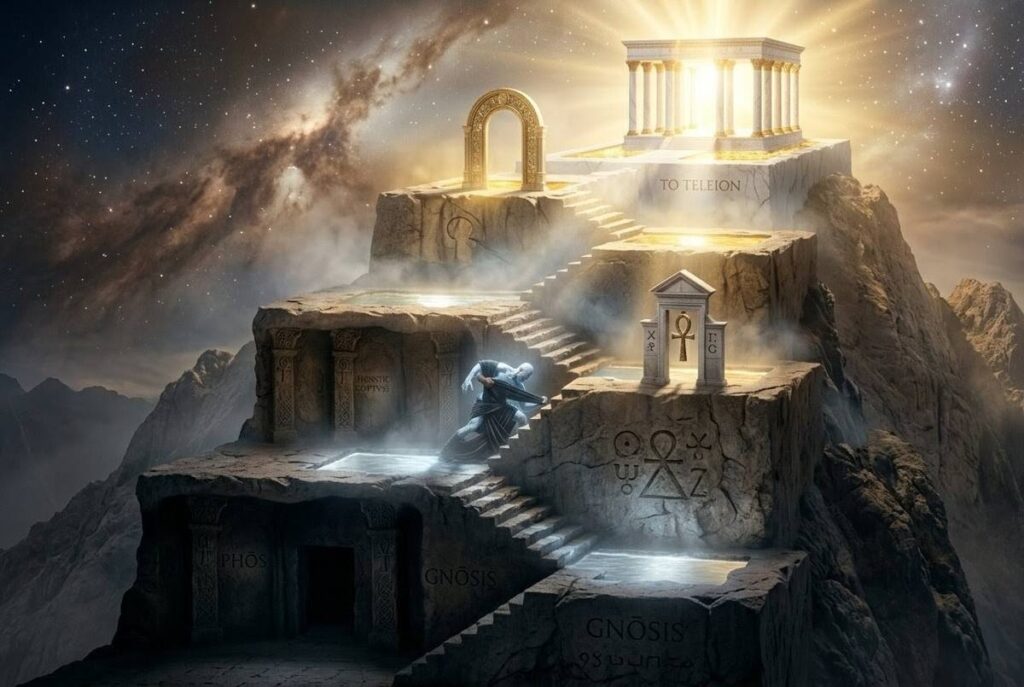
Central to the text is a detailed schema of spiritual progression through seven stages, each associated with specific virtues and insights. This hebdomadal structure reflects widespread Pythagorean and Platonic influence, organising spiritual life into an ascent from simple belief to direct participation in divine reality.
Primary Source Citations: The seven stages appear in Book of Thomas the Contender 140:2-141:10. The sequence parallels the seven heavens/planetary spheres found in other ascent texts, and reflects Pythagorean numerology where seven represents completion.
The seven stages function as both developmental psychology and bureaucratic map—each level requiring different competencies and offering different clearances:
First Stage: Faith
Faith represents the initial recognition of the truth—the moment when the soul first suspects that the official story (the archontic press release, if you will) might be fabrication. This is not blind belief but the first courageous step toward self-knowledge, the recognition that there is something to be known beyond the sensory apparatus.
Second Stage: Hope
Hope provides the confident expectation of liberation that sustains the practitioner through the dark nights of doubt. In the Thomasine system, hope is not wishful thinking but the logical anticipation based on the recognition of one’s true identity as a child of the light. If you are light, you will eventually shine—this is not optimism but physics.
Third Stage: Love
Love forms the bond that connects the elect to the divine and to one another. This is not romantic attachment (which the text would likely view as another flesh-trap) but the recognition of shared pneumatic substance—the realisation that all children of the light belong to a single family reunion waiting to happen.
Fourth Stage: Understanding
Understanding brings intellectual comprehension of cosmic structures—the ability to read the administrative flowchart of reality. At this stage, the initiate comprehends the hierarchy of archons, the nature of the pleroma, and the mechanics of ascent. This is the MBA of spiritual development: you now understand how the business operates.
Fifth Stage: Insight
Insight delivers direct perception of spiritual realities—moving from theoretical knowledge to experiential confirmation. Where understanding reads the map, insight stands on the territory. This stage corresponds to the activation of the spiritual senses, the capacity to perceive what remains invisible to the fleshy eye.
Sixth Stage: Wisdom
Wisdom represents the integration of knowledge with practice—when insight becomes instinct. The wise no longer need to consult the manual; they embody the instructions. This is the stage of effortless right action, where vigilance has become so internalised that it operates below conscious intention.
Seventh Stage: Perfection
Perfection achieves final unification with the light—the complete dissolution of distinction between knower and known. This is not moral perfection (the absence of error) but ontological completion (the full presence of what one truly is). The perfected have ceased to be children of the light and have become light itself.
The Eschatology of the Elect
The Book of Thomas presents a pronounced elitism typical of Gnostic soteriology, though this elitism carries different implications than worldly hierarchies. Not all souls will be saved; only those who recognise their true nature as “children of the light” and who undergo the necessary purification will escape the cycle of reincarnation. This is not cruelty but cause-and-effect—some seeds fall on prepared soil, others on rock.
The text warns of eternal consequences that make archontic taxation seem generous: those who fail to acquire self-knowledge during their earthly opportunity will face dissolution or continued embodiment in inferior realms. The window for recognition is finite; the opportunity for escape is not guaranteed to recur. This is the urgency behind the text’s repeated exhortations to vigilance—the cosmic alarm clock is ringing, and the snooze button eventually breaks.
Yet this elitism carries ethical imperatives rather than privileges. The elect must practise vigilance (Greek: agrypneia), guarding against the deceptions of the flesh and the counterfeit spirits that mimic true revelation. The text preserves distinctively Syrian Christian traditions about Thomas’s missionary work, suggesting connections to early Thomasine communities in Mesopotamia—communities that understood themselves as the advance guard of the coming light.
Relationship to Thomasine Traditions
The Book of Thomas shares theological DNA with the Gospel of Thomas, particularly in its emphasis on self-knowledge as salvation. However, it develops this theme with greater systematic rigour, connecting individual transformation to cosmic structures and eschatological destiny. Where the Gospel offers scattered pearls, the Book of Thomas strings them into a necklace.
The figure of Thomas as twin (didymus) serves as more than biographical detail—it functions as a literary device that invites the reader to recognise their own doubled nature. You, too, have a twin: the divine image that stands in the pleroma, mirroring your earthly struggle while remaining untouched by it. The dialogue is addressed not merely to the historical Thomas but to the didymus in every reader.
Scholars debate whether the text represents a second-century composition or a later development of Thomasine traditions. Its presence in Codex II alongside the Gospel of Thomas and the Gospel of Philip suggests that ancient readers understood these texts as complementary expressions of a single theological school—perhaps even a community library representing the collected wisdom of Syrian Gnostic Christians.
The Woe of Entanglement
Jesus’ symmetrical warning to Thomas—“Woe to the flesh that depends upon the soul; woe to the soul that depends upon the flesh”—deserves careful parsing. This is not a simple condemnation of embodiment but a diagnosis of pathological relationship. When the flesh depends upon the soul, it drains the spiritual resources needed for ascent. When the soul depends upon the flesh, it accepts imprisonment as home.
The Thomasine solution is neither asceticism nor indulgence but discrimination—the capacity to recognise which dependencies serve liberation and which serve continued sleep. The flesh is not evil; it is dangerous. It is a tool that tends to grab the hand that wields it. The athlete must train the body while remaining its master, not its servant.
The Book of Thomas the Contender thus stands as a manual for spiritual athletes—the twin brothers and sisters who recognise their true lineage and commit to the seven-stage training regimen that leads from faith to perfection. In the contest against the flesh, there are no spectators, only contenders. And the prize is nothing less than the retrieval of your true name from the archontic filing system.
Frequently Asked Questions
What is the Book of Thomas the Contender?
The Book of Thomas the Contender (NHC II,7) is a Nag Hammadi text presenting a secret dialogue between Jesus and his twin brother Didymus Judas Thomas. Written as a post-resurrection revelatory discourse, it addresses the nature of the soul, dangers of the flesh, and the seven stages of spiritual development from faith to perfection.
Who is Didymus Judas Thomas?
Didymus Judas Thomas is the full name of the apostle Thomas—’Didymus’ meaning ‘twin’ in Greek. The Book of Thomas the Contender presents him as Jesus’ literal twin brother, using this relationship as a literary device to address the reader’s own ‘twin’ nature—the spiritual self that mirrors the divine.
What are the seven stages of spiritual development in the Book of Thomas?
The Book of Thomas outlines seven progressive stages: (1) Faith—initial recognition of truth, (2) Hope—confident expectation of liberation, (3) Love—bond connecting elect to divine, (4) Understanding—intellectual comprehension of cosmic structures, (5) Insight—direct perception of spiritual realities, (6) Wisdom—integration of knowledge with practice, and (7) Perfection—final unification with the light.
What does ‘contender’ or ‘athlete’ mean in the title?
The title’s ‘Contender’ (Greek: athletes) carries dual meaning—referring both to Thomas as a spiritual wrestler and to the flesh itself as the opponent against which the soul must struggle. The text presents spiritual life as an athletic contest against the flesh that binds and corrupts the soul.
What is the relationship between the Book of Thomas and Gospel of Thomas?
Both texts belong to Thomasine Christian traditions and share theological DNA, particularly the emphasis on self-knowledge as salvation. However, while the Gospel of Thomas presents cryptic sayings, the Book of Thomas offers sustained systematic theology. They appear together in Codex II, suggesting ancient readers viewed them as complementary expressions of a single school.
What does the Book of Thomas teach about flesh and soul?
The text presents a stark dualism where the flesh is described as a garment that binds, a corpse that corrupts, and a prison that obscures true knowledge. Jesus warns: ‘Woe to the flesh that depends upon the soul; woe to the soul that depends upon the flesh.’ However, the goal is transformation of the soul-flesh relationship, not destruction of the body.
Where was the Book of Thomas the Contender discovered?
The Book of Thomas the Contender was discovered in 1945 as part of the Nag Hammadi Library in Upper Egypt. It appears in Codex II, positioned immediately after the Gospel of Thomas and before the Gospel of Philip, suggesting an ancient editorial intention to group related Thomasine and Valentinian materials together.
Further Reading
To explore related themes of Thomasine theology, dualistic anthropology, and the broader Nag Hammadi context:
- The Gospel of Thomas: A Guide to the Hidden Sayings – Compare the cryptic sayings collection with this sustained dialogue between twin brothers.
- The Gospel of Thomas: 114 Keys to Hidden Wisdom – Explore the thematic connections and numbering significance between these twin texts.
- The Gospel of Thomas Commentary: Hidden Sayings Revealed – Deep dive into the shared theological DNA of Thomasine Christianity.
- Dialogue of the Saviour: Living Knowledge in Question and Answer – Examine another post-resurrection dialogue from the same Codex II context.
- The Apocryphon of James: Secret Teachings and Spiritual Predestination – Compare the secret dialogue genre and eschatological themes.
- The Apocryphon of James: Secret Book of James – Explore another post-resurrection discourse with similar literary form.
- The Gospel of Philip: Sacrament, Eros, and the Bridal Chamber – Discover how Philip’s Valentinian theology contrasts with Thomas’s ascetic dualism.
- Codex II: The Crown Jewels of the Nag Hammadi Library – Understand the editorial context that placed these texts together in the ancient collection.
- Nag Hammadi Library: The Complete Guide to Gnostic Scriptures – Navigate the full collection including all Thomasine materials.