Apocryphal Gospels: The Literary Context of Hidden Wisdom
The apocryphal gospels of the Nag Hammadi Library (NHC I,3; II,2,3,4; VI,2) constitute a distinct literary department within the archives of ancient Christianity—texts that bypassed the canonical filing system to preserve hidden wisdom (apocryphon) for those with sufficient clearance. Unlike the narrative gospels of the New Testament, with their fixation on passion-resurrection sequences and messianic bureaucratic protocols, these diverse compositions—ranging from sayings collections to revelation dialogues, from poetic meditations to Valentinian exposés—explore the ontological status of the Saviour, the pre-existence of souls, the nature of divine wisdom (sophia), and the sacramental mechanisms of salvation. They presuppose an audience already initiated into basic Christian mythos, ready to penetrate deeper mysteries that the public proclamation deliberately obscured.
Table of Contents
Beyond the Canonical: The Literary Landscape of Secret Knowledge
The apocryphal gospels represent far more than alternative versions of Jesus’ biography—they constitute a distinct literary genre: the literature of hidden wisdom designed for those ready to receive teachings beyond public proclamation. Where canonical texts functioned as official press releases from the apostolic administration, these apocrypha served as classified internal memoranda, circulated among communities who understood that the real message required decoder rings not available at the standard baptismal checkout counter.
What are Apocryphal Gospels?
Apocryphal gospels (Greek: apocryphon = “hidden thing”) are non-canonical texts claiming to preserve secret teachings of Jesus or revelation given to specific disciples. In the Nag Hammadi Library, these include sayings collections (Thomas), revelation dialogues (Mary, Philip), and poetic meditations (Truth). Unlike canonical gospels focused on passion-resurrection, apocrypha explore pre-existence of souls, divine wisdom (sophia), and sacramental soteriology. They presuppose initiated audiences capable of penetrating deeper mysteries through hermeneutical insight rather than literal reading.
The Genre of Hidden Wisdom
The literary diversity within this category is staggering. The Gospel of Thomas offers 114 raw sayings without narrative framework; the Gospel of Mary presents a post-resurrection dialogue challenging patriarchal authority; the Gospel of Philip explores sacramental theology through Valentinian lenses; the Gospel of Truth abandons narrative entirely for poetic meditation on restoration. What unifies them is not form but function: all claim to reveal what Jesus taught privately to those capable of receiving it—the classified appendix to the public edition.
Presuppositions of the Initiated Reader
These texts presuppose an audience already initiated into basic Christian mythos, ready to penetrate deeper mysteries. One does not read the Gospel of Philip without familiarity with Valentinian aeonology; one does not grasp Thomas without understanding the hermeneutical demand for “interpretation”; one does not appreciate Mary without recognising the challenge to Petrine authority structures. This is advanced coursework, not remedial education—these archives assume you have already passed the prerequisite exams.
Primary Source Citations: Gospel of Thomas (NHC II,2) 114 sayings, prologue 32:1-10; Gospel of Mary (NHC II,5) 18:1-19:35 (Mary’s vision and conflict with Andrew/Peter); Gospel of Philip (NHC II,3) 63:34-64:9 (bridal chamber), 75:14-25 (exchange of perfect lights); Gospel of Truth (NHC I,3) 18:1-33 (error as deficiency). All texts represent second-third century CE Christian diversity.
The Sayings Gospel: Thomas and the Living Jesus
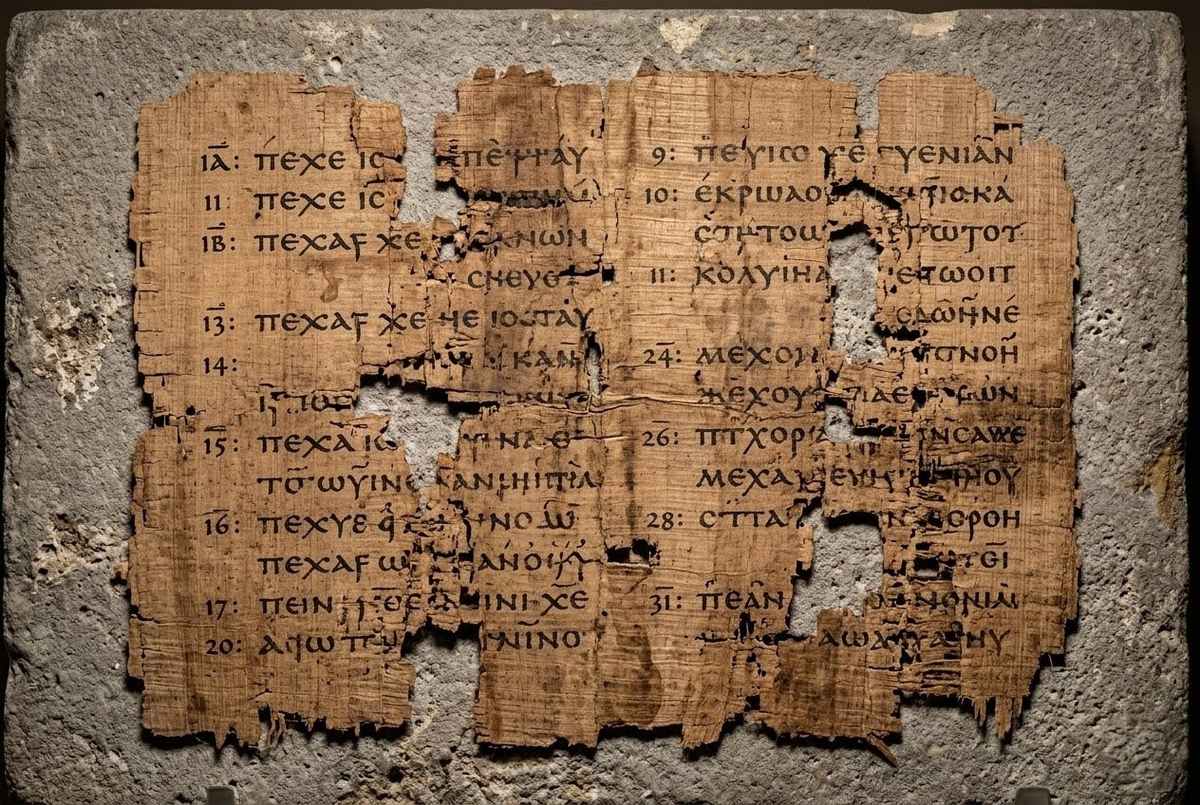
The Gospel of Thomas stands as the preeminent example of the sayings gospel genre (logia)—a form that strips away narrative scaffolding to deliver raw verbal data. Containing 114 sayings attributed to Jesus, many parallel to but variant from canonical versions, Thomas presents the Saviour primarily as a teacher of wisdom rather than a sacrificial victim. The text’s famous opening declares: “Whoever finds the interpretation of these sayings will not experience death.” (NHC II,2 32:1-4). This is not a promise of immortal longevity but of transformed ontological status—salvation through hermeneutical insight rather than faith in crucifixion.
Hermeneutical Insight vs Literal Reading
This emphasis on hermeneutical insight—finding the hidden meaning (exegesis) of the sayings—characterises apocryphal gospel literature. The text is not meant for literal reading but for spiritual unlocking. Each saying functions as a seed of wisdom requiring contemplative engagement to germinate. Saying 1 establishes the protocol: “These are the secret sayings which the living Jesus spoke and which Didymos Judas Thomas wrote down.” The reader must become the twin (didymos) who understands, not the multitude who requires parables.
The Anti-Narrative Strategy
Thomas’s refusal of narrative—no birth, no miracles, no passion, no resurrection—represents a deliberate literary strategy. By eliminating the story, the text forces engagement with the saying itself, stripped of interpretive context. The reader cannot hide behind plot or character; they must confront the paradox directly. This is the administrative minimalism of spiritual literature: remove all bureaucratic padding, deliver only the classified content.
Revelation Dialogues: Mary, Philip, and the Saviour
Several apocryphal gospels take the form of post-resurrection dialogues between the Saviour and specific disciples—particularly Mary Magdalene, Philip, and Thomas. These texts address questions left unresolved by public ministry: What is the nature of the soul’s ascent through planetary spheres? How does the divine feminine operate in salvation mechanics? What is the precise relationship between matter and spirit that the public sermons obscured?
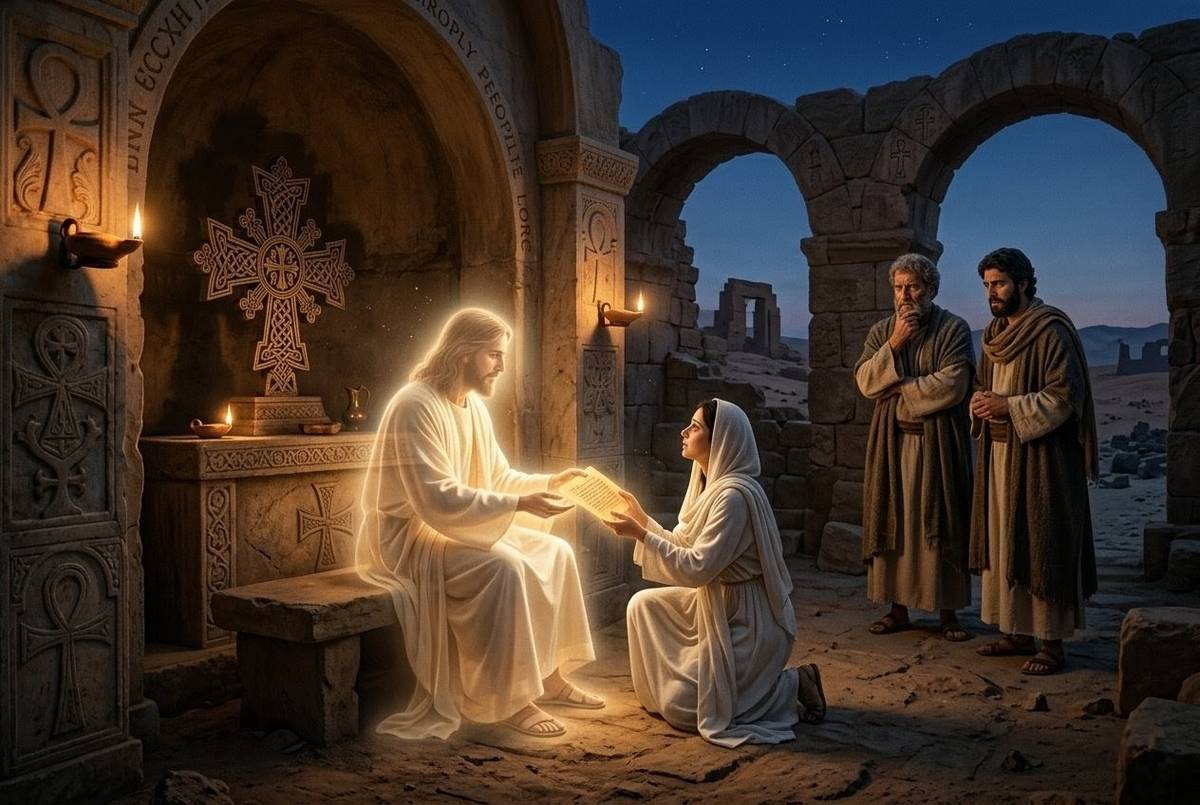
The Gospel of Mary: Challenging Patriarchal Gatekeeping
The Gospel of Mary (NHC II,5) presents Mary receiving secret teachings from Jesus regarding the ascent past the seven powers, only to face immediate opposition from Andrew and Peter—only to be defended by Levi (Matthew), who affirms the Saviour’s intention to make Mary worthy. This narrative framework legitimises alternative authority structures and challenges patriarchal gatekeeping of knowledge. Mary sees what the male disciples cannot; Peter’s jealousy exposes the fragility of institutional hierarchy when confronted with direct spiritual competence. The text is not merely about Mary Magdalene’s status, but about who possesses clearance to read the classified files.
The Gospel of Philip: Sacramental Mysteries
Similarly, the Gospel of Philip (NHC II,3) explores sacramental theology—the “bridal chamber” (nymphon) as the supreme mystery, the exchange of “perfect lights,” and the restoration of androgynous unity. These themes require sophisticated theological literacy, presupposing familiarity with Valentinian systems of aeons, syzygies, and the fall of Sophia. Philip is not beach reading; it is technical documentation for advanced practitioners who have already undergone preliminary initiation. The text explains why the standard liturgy insufficiently addresses pneumatic restoration: it was designed for psychics.
Valentinian Poetics: The Gospel of Truth
The Gospel of Truth (NHC I,3)—possibly authored by Valentinus himself—represents yet another literary form: the meditative homily or spiritual exercise. Lacking narrative structure entirely, this text offers a poetic exploration of the Father’s abundance, the error of lack (hysterēma), and the restoration (apokatastasis) of all things. Its literary sophistication—employing complex wordplay, paradox, and metaphysical imagery—demonstrates that apocryphal gospels could function as high theology in poetic form.
Experiential Reading as Anagnosis
The text creates an experiential reading effect, drawing the reader into the very recognition (anagnosis) it describes. As the reader follows the poetic meditation on error dissolving like smoke before the fire of knowledge, they are meant to undergo that dissolution themselves. This is not didactic instruction but participatory transformation—the literary equivalent of the bridal chamber, where reading becomes union. The words are not signposts but vehicles; the text does not describe the Pleroma but induces recognition of it.
The Poetics of Restoration
Consider the text’s description of error: “For error became as pus in the body, and it laboured and distressed the body so that it turned into a wound. Then the body began to consume itself because it had no food in the desert, because there was no bush for the cattle to find.” (NHC I,3 18:24-33). This is not systematic theology but therapeutic poetry—an image that works on the unconscious, bypassing rational defence mechanisms. The apocryphal gospel here becomes spiritual technology, hacking the psyche through aesthetic means.
Gnostic Revision of Canonical Traditions
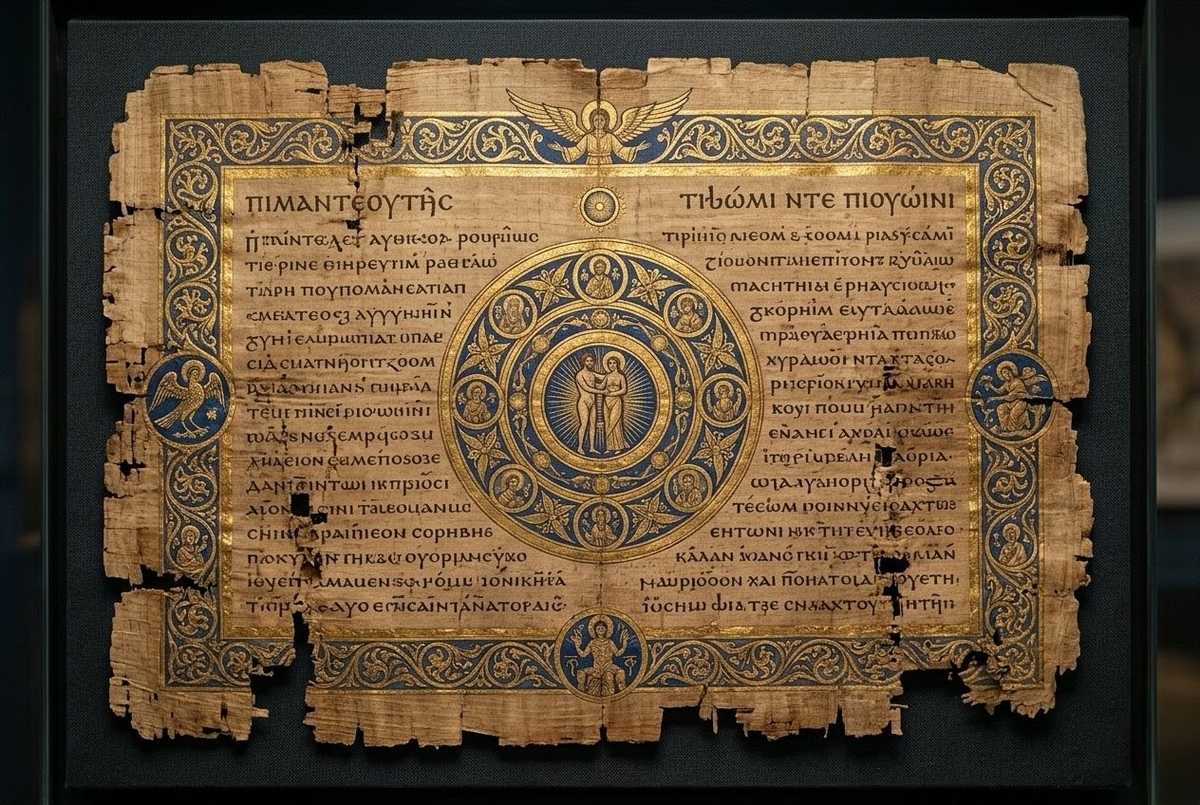
Beyond independent compositions, apocryphal gospels often rewrite canonical material through Gnostic lenses. The Gospel of the Egyptians and The Apocryphon of John expand brief canonical references into elaborate cosmogonic narratives. These texts do not reject biblical authority but claim to reveal the deeper meaning hidden within or behind scriptural letter—the classified subtext beneath the public announcement.
Hermeneutical Strategy: The Key to Scripture
This hermeneutical strategy—discovering secret wisdom within public texts—creates a distinctive literary dynamic. The apocryphal gospels position themselves as the “key” unlocking canonical scriptures, which remain valid but veiled without Gnostic interpretation. The canonical gospels are not false, merely insufficient; they provide the outline, while the apocrypha fill in the cosmological details, the ontological mechanics, and the sacramental procedures necessary for actual transformation. This is the difference between the official manual and the technician’s service notes.
Expansion vs Contradiction
Importantly, this strategy generally expands rather than contradicts canonical traditions. The Apocryphon of John does not deny the Genesis creation account; it provides the backstage narrative explaining who wrote the script and why the set design malfunctioned. The Gospel of Philip does not reject the Eucharist; it explains what is actually being consumed when bread and wine are properly understood. This hermeneutical posture allowed Gnostic communities to maintain Christian identity whilst claiming superior knowledge—a sophisticated rhetorical strategy of inclusion through hierarchy.
“The apocryphal gospels of the Nag Hammadi Library constitute a distinct literary genre of hidden wisdom (apocryphon), including sayings collections (Thomas), revelation dialogues (Mary, Philip), and poetic meditations (Truth). Unlike canonical gospels focused on passion-resurrection, these texts explore the ontological status of the Saviour, pre-existence of souls, and sacramental soteriology for initiated audiences. They position themselves as keys unlocking deeper meanings within canonical scriptures, claiming to reveal secret teachings Jesus delivered privately to disciples capable of receiving them.”
Frequently Asked Questions
What are apocryphal gospels in the Nag Hammadi Library?
The apocryphal gospels are non-canonical texts claiming to preserve secret teachings of Jesus or revelations given to specific disciples. In Nag Hammadi, these include the Gospel of Thomas (114 sayings), Gospel of Mary (revelation dialogue), Gospel of Philip (sacramental theology), and Gospel of Truth (poetic meditation). Unlike canonical gospels, they focus on hidden wisdom, ontological transformation, and sacramental soteriology rather than passion-resurrection narratives.
How do apocryphal gospels differ from canonical gospels?
Canonical gospels (Matthew, Mark, Luke, John) focus on narrative sequence–birth, ministry, passion, resurrection. Apocryphal gospels are literary diverse: Thomas has no narrative (just sayings), Truth has no story (just poetry), Mary and Philip use post-resurrection dialogue format. They explore pre-existence of souls, divine wisdom (sophia), and sacramental mechanics rather than messianic fulfilment and atonement.
What is the Gospel of Thomas about?
The Gospel of Thomas contains 114 secret sayings attributed to Jesus, promising that whoever finds their interpretation will not experience death. It lacks narrative framework, miracles, and passion accounts, presenting Jesus as wisdom teacher rather than sacrificial victim. The sayings require hermeneutical unlocking; they function as seeds of wisdom demanding contemplative engagement to germinate into transformative knowledge (gnosis).
What is the Gospel of Mary Magdalene?
The Gospel of Mary presents Mary receiving secret teachings from Jesus about the soul’s ascent past seven planetary powers. After Jesus’ departure, Andrew and Peter challenge Mary’s authority, but Levi (Matthew) defends her, affirming the Saviour’s intention to make her worthy. The text challenges patriarchal gatekeeping and legitimises alternative authority structures based on direct spiritual experience rather than institutional hierarchy.
What is the bridal chamber in the Gospel of Philip?
The bridal chamber (Greek: nymphon) appears in Philip as the supreme sacrament beyond water baptism. It represents restoration of primal androgynous unity through spiritual marriage or exchange of ‘perfect lights.’ This Valentinian theology requires sophisticated understanding of aeons and syzygies, presupposing initiated audiences familiar with the fall of Sophia and the mechanics of pneumatic restoration.
Who wrote the Gospel of Truth?
The Gospel of Truth, found in Nag Hammadi Codex I, may have been authored by Valentinus (c. 100-160 CE), founder of Valentinian Christianity, or his immediate circle. It lacks narrative entirely, offering poetic meditation on the Father’s abundance, the error of deficiency, and the restoration (apokatastasis) of all things. Its literary sophistication demonstrates apocryphal gospels functioning as high theology in aesthetic form.
Do apocryphal gospels contradict the Bible?
Generally, apocryphal gospels expand rather than contradict canonical texts. They claim to reveal deeper meanings hidden within scripture–the classified subtext behind the public proclamation. The Apocryphon of John explains Genesis’ backstage mechanics; Philip explains the Eucharist’s true significance. This hermeneutical strategy positions apocrypha as keys unlocking canonical scriptures, which remain valid but veiled without Gnostic interpretation.
Further Reading
Explore specific apocryphal gospels and their contexts:
- The Gospel of Thomas: 114 Keys to Hidden Wisdom — Delve into the premier sayings gospel of the collection and its hermeneutical demands.
- The Gospel of Philip: Sacrament, Eros, and the Bridal Chamber — Explore Valentinian sacramental theology and the nymphon mystery.
- The Gospel of Mary Magdalene: Authority and Spiritual Leadership — Examine the controversial dialogue gospel and its challenge to Petrine authority.
- The Gospel of Truth: Poetics of Recognition — Study Valentinian poetic theology and the restoration of all things.
- Sayings Gospels in the Nag Hammadi Library — Contextualise the genre within Gnostic literary production and Thomasine tradition.
- The Gospel of the Egyptians: Sethian Cosmogony — Explore the expansion of canonical references into elaborate mythological narrative.
- The Apocryphon of John: Gnostic Creation and Salvation — Study the revision of Genesis through Sethian cosmological lenses.
- The Book of Thomas the Contender — Examine another Thomasine text extending the twin motif and secret teaching theme.
- Nag Hammadi Library: The Complete Reader’s Guide — Navigate the full collection with attention to literary diversity and textual relationships.
- Apocryphal Gospels: The Complete Collection — Comprehensive overview of non-canonical gospel literature across early Christian diversity.