
Gnostic Ethics: Asceticism, Sexuality, and Community Life
The moral universe of the Nag Hammadi Library presents a peculiar paradox to modern investigators: communities accused by ancient polemicists of shameless antinomian license turn out to be obsessively preoccupied with ethical formation. Yet these are not your grandmother’s commandments. Gnostic ethics operate on ontological rather than juridical foundations–grounded not in obedience to external regulations but in the transformative knowledge (gnōsis) that alters the knower’s very being and consequently their mode of cosmic existence. The library reveals diverse strategies for living as “strangers in a strange land,” from the rigorous encratism of the Book of Thomas to the sacramental sensuality of the Gospel of Philip.
Table of Contents
World Renunciation: The Flesh as Adversary
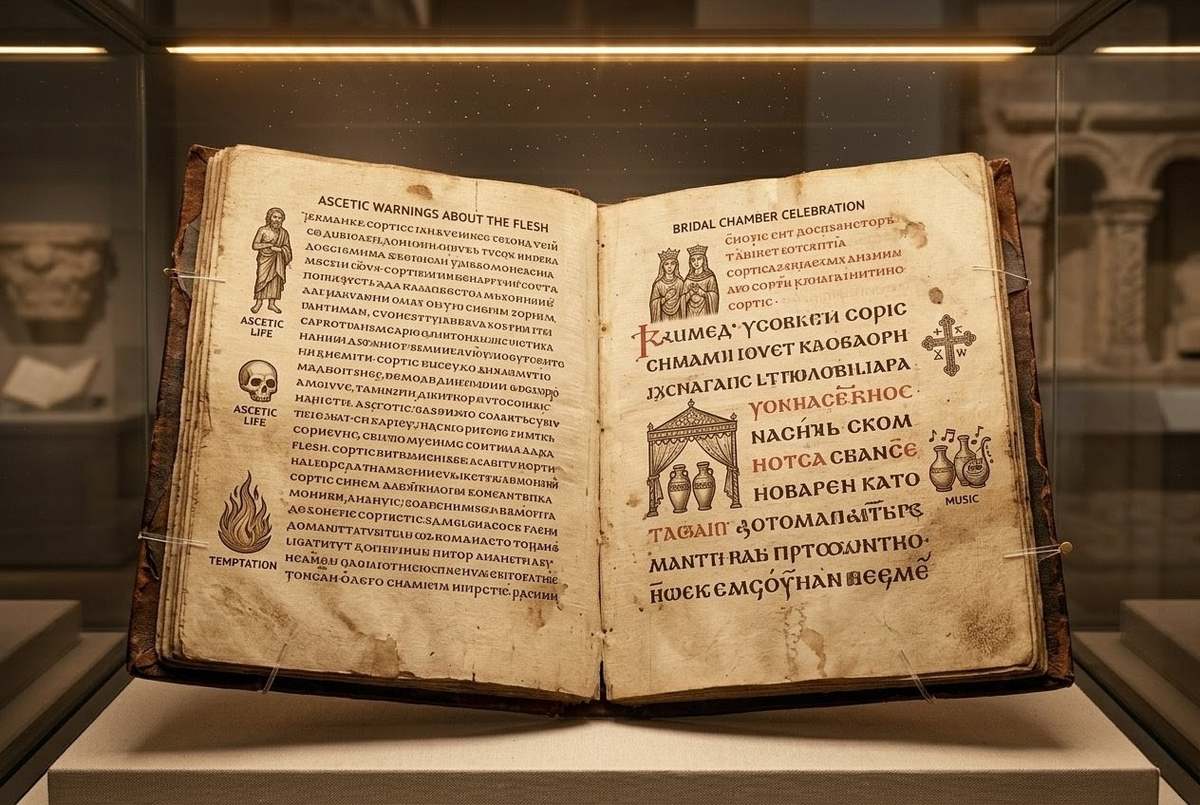
The Book of Thomas the Contender presents perhaps the most rigorous ascetic programme in the library–an athletic training regimen for spiritual survival. Addressing his “twin” Didymus Judas Thomas, Jesus delivers a symmetrical warning that encapsulates Gnostic anthropology: “Woe to the flesh that depends upon the soul; woe to the soul that depends upon the flesh.” (NHC II,7 138:16-18). The text prescribes seven stages of spiritual development–faith, hope, love, understanding, insight, wisdom, and perfection–each requiring progressive detachment from bodily concerns and administrative upgrades to the soul’s operating system.
What is Encratism?
Encratism (from Greek enkrateia, meaning self-control or continence) refers to rigorous ascetic practices including celibacy, fasting, and renunciation of worldly goods. In early Christian and Gnostic contexts, encratism represents not mere moral discipline but ontological strategy–the attempt to loosen the soul’s entanglement with material reality through systematic non-cooperation with the archontic flesh-prison. The Book of Thomas exemplifies this tendency, viewing the body as equipment to be mastered rather than a home to be furnished.
The Garment of Flesh and the Corpse-Burden
This “encratite” tendency appears throughout Sethian and Thomasine literature with remarkable consistency. The body is viewed through a triad of imprisoning metaphors: the “garment of flesh” woven by archons to disguise the divine spark, the “corpse” that burdens and corrupts the soul, or the “animal” that must be tamed through spiritual athletics. These are not merely poetic flourishes but precise technical descriptions of the human predicament under archontic occupation. The flesh functions as hostile territory–necessary equipment for the current mission, but dangerous territory that tends to annex the soul’s administrative headquarters.
Pragmatic Detachment vs Ontological Hatred
Yet this world-renunciation is pragmatic rather than dualistic in the absolute sense. The flesh is dangerous not because matter is evil per se, but because it fosters dependence, ignorance, and strategic amnesia regarding divine origin. The goal is not destruction of the body–which would constitute mere suicide, not salvation–but transformation of relationship: the soul must learn to “use” the body without being defined by it, to pilot the vehicle without identifying as the chassis. This is sophisticated resource management, not crude world-hatred.
Sexuality: From Celibacy to Sacrament
The library’s most controversial ethical material concerns sexuality–and the range of positions proves remarkably broad, from radical rejection to mystical celebration. At one extreme, the Testimony of Truth condemns the sexual act as archontic snare designed to perpetuate imprisonment: “The archons wanted to beget children through Eve, but they did not succeed. Instead, they engendered human beings in their own image.” (NHC IX,3 68:1-4). Such passages suggest that procreation extends the domain of the creator god, populating his penal colony with fresh inmates.
The Gospel of Philip: Sacramental Sexuality
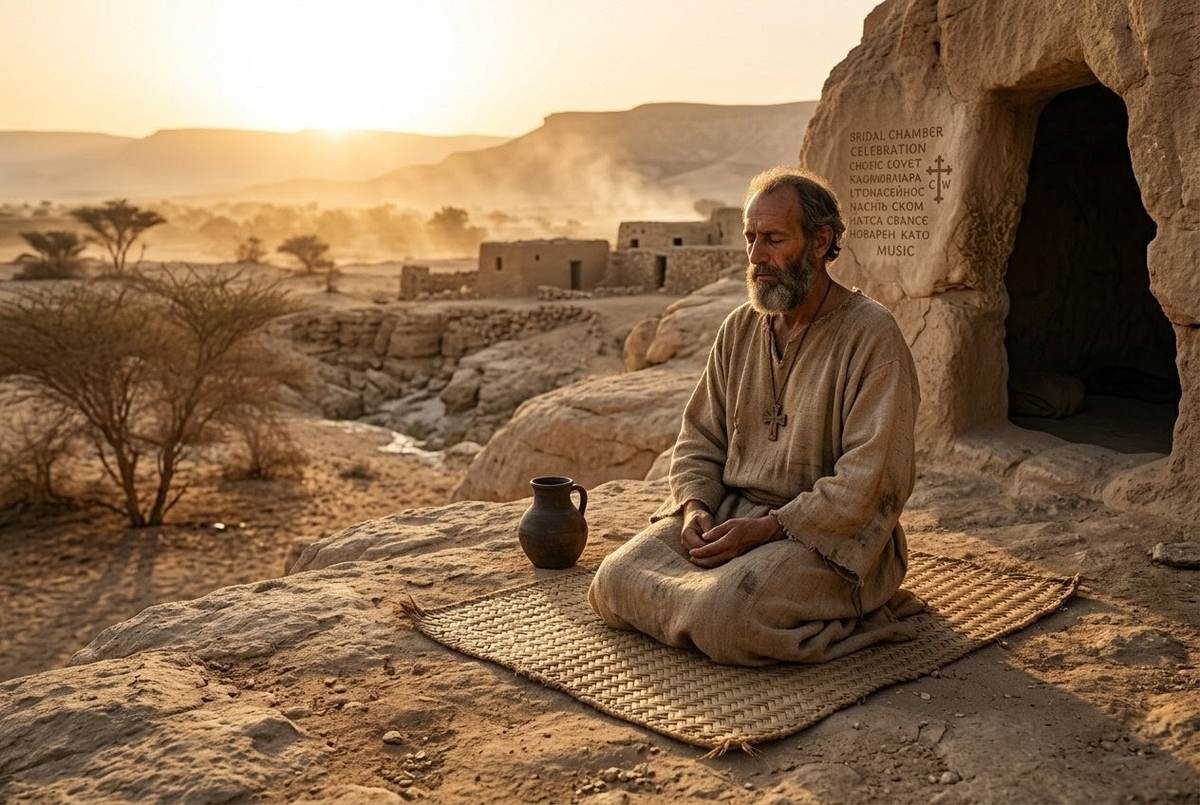
At the opposite extreme, the Gospel of Philip celebrates the “bridal chamber” (nymphon) as the supreme mystery and highest sacrament. Here, sexual union–properly understood and ritually contextualised–becomes vehicle of salvation: “If anyone becomes a child of the bridal chamber, he will receive the light.” (NHC II,3 69:25-26). The text distinguishes sharply between mere carnal marriage (a temporary arrangement subject to archontic jurisdiction) and the spiritual marriage that restores the androgynous wholeness of the primal human before the fall into gendered division.
Eschatological Dissolution of Gender
Between these poles, various texts propose moderation or interiorisation. The Gospel of Thomas suggests that in the kingdom, sexual difference dissolves entirely: “When you make the two into one, and when you make the inner like the outer and the outer like the inner… then you will enter [the kingdom].” (NHC II,2 22:4-7). This eschatological vision relativises present sexual identity without necessarily condemning physical expression–it points toward a future integration that transcends current categories, not a violent rejection of embodiment.
Ritual Practice or Metaphor?
Scholarly debate continues whether “bridal chamber” (nymphon) terminology referred to actual ritual practice (sacred marriage or sexual liturgy) or purely metaphorical spiritual union. The evidence likely supports both: Valentinian communities may have celebrated mystical marriages whilst maintaining that the ultimate union transcended physical expression entirely. The spectrum runs from literal sacramental sexuality to purely symbolic restoration of androgyny–with most communities probably occupying shifting positions along this continuum depending on initiation level and seasonal liturgical calendar.
Primary Source Citations: Book of Thomas the Contender (NHC II,7) 138:16-18 (flesh/soul warning); Gospel of Philip (NHC II,3) 69:25-26 (bridal chamber); Testimony of Truth (NHC IX,3) 68:1-4 (archons and procreation); Gospel of Thomas (NHC II,2) 22:4-7 (making two into one); Sentences of Sextus (NHC XII,1) 1:1 (control your tongue). These texts represent diverse ethical tendencies within the library, from encratite rejection to sacramental celebration.
Community Formation: Elect Societies
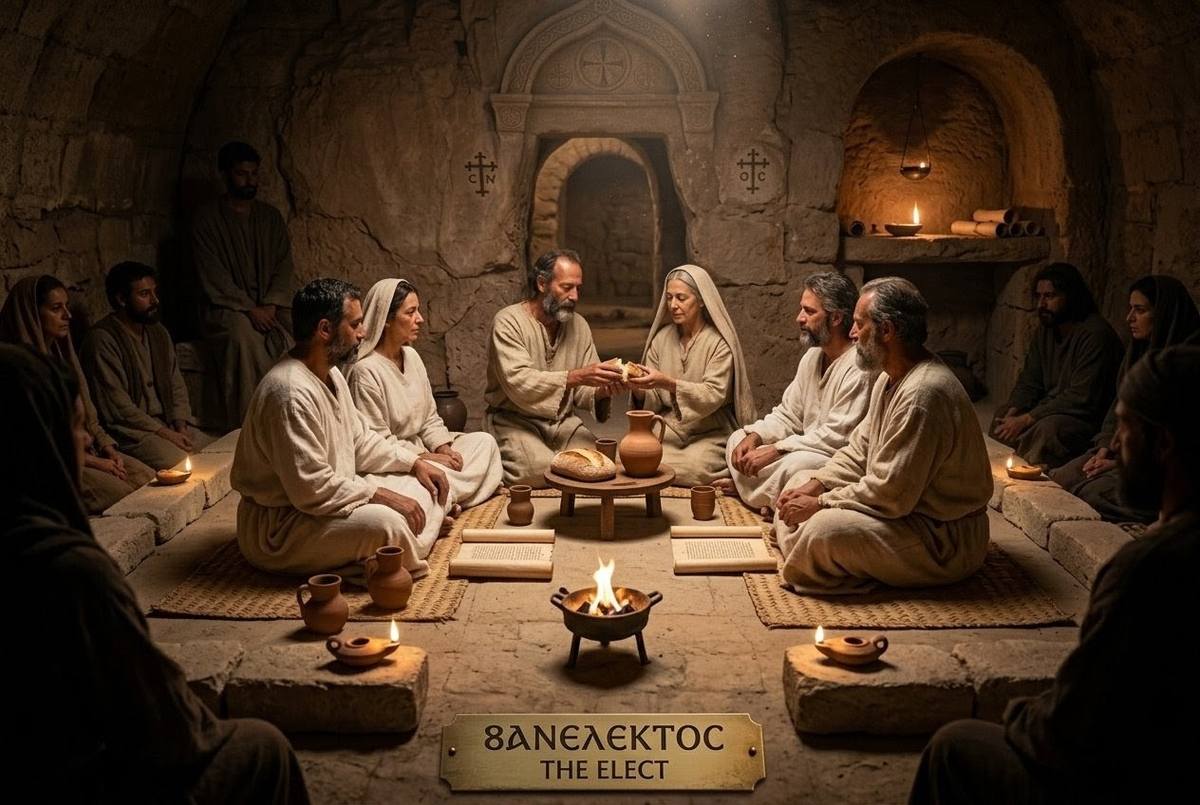
Gnostic ethics were never merely individual achievements but corporate realities. The library presupposes communities of the “elect” or “perfect” who maintained distinct administrative boundaries from the “world” and even from other Christians operating under different jurisdictions. The Apocryphon of John addresses its readers as the “immovable race” of Seth; the Gospel of Philip distinguishes carefully between “christians” (ordinary believers) and “Christians” (the spiritually mature who have undergone bridal chamber initiation).
Ethical Markers of the Elect
Such communities required concrete ethical markers to maintain identity and group cohesion. These served as boundary maintenance mechanisms distinguishing the saved from the damned, the pneumatic from the psychic:
- Dietary restrictions: Some groups avoided meat and wine as products of the archontic realm, suspecting that the demiurge’s catering service served contaminated provisions. Fasting became both physical detoxification and cosmic resistance.
- Economic sharing: The Treatise on Resurrection suggests that the pneumatic elect “have everything in common” in the spiritual realm, implying horizontal solidarity and resource pooling that bypassed Roman economic archons.
- Truth-telling as strategy: The Testimony of Truth emphasises that “the law of truth” supersedes conventional morality; lying to archons or the ignorant might be strategically justified to protect the elect–a sophisticated ethical double agency.
- Ritual purity: Baptismal and anointing practices created zones of sanctity separating the initiated from the profane, establishing territorial claims within hostile occupied space.
The Immovable Race and Social Stratification
These boundary mechanisms created elect societies–communities convinced of their ontological superiority to the mass of humanity trapped in archontic illusion. Yet this elitism carried ethical imperatives rather than privileges. The perfect must act as perfect; the saved must demonstrate salvation through transformed behaviour. This was not hypocrisy but coherence: if you know yourself as light, you must eventually shine.
Beyond Good and Evil?
Some passages suggest a radical ethical freedom consequent upon gnosis that sounds dangerously like antinomianism to orthodox ears. The Gospel of Thomas declares: “When you know yourselves, you will know that you are children of the living Father. But if you do not know yourselves, you dwell in poverty, and you are that poverty.” (NHC II,2 3:3-5). If the saved are truly “children of God,” external observance of conventional laws becomes secondary to internal transformation–a position that alarmed ecclesiastical authorities concerned with social control.
Freedom as Identity, Not License
Yet this “antinomianism” had definite limits visible throughout the library. The texts consistently associate gnosis with love, truth, and spiritual vitality–themes incompatible with libertinism. The “freedom” of the Gnostic is not license to sin but liberation from the need for external constraint; the perfect act rightly not from slavish obedience to commandments but from recognition of their true identity. It is the difference between driving carefully because you fear traffic tickets versus driving well because you are a skilled pilot who respects the vehicle.
The Sentences of Sextus: Mundane Morality
The Sentences of Sextus (NHC XII,1) provides concrete ethical guidance that sounds remarkably like conventional wisdom literature: “Control your tongue; desire what is noble; pursue what is profitable to your soul.” (NHC XII,1 1:1). This paraenetic (exhortational) text suggests that even Gnostic elites required mundane moral formation alongside mystical speculation. The celestial bureaucrat must still master basic office etiquette before accessing classified clearance.
“Gnostic ethics in the Nag Hammadi Library operate on ontological rather than juridical foundations, grounded in transformative knowledge (gnosis) rather than obedience to external commandments. The library reveals diverse strategies from rigorous asceticism (Book of Thomas) to sacramental sexuality (Gospel of Philip), all serving to establish communities of the elect distinct from the archontic world order. Ethical practices–dietary restrictions, economic sharing, ritual purity–function as boundary markers for the immovable race while anticipating the eschatological restoration of the Pleroma.”
Ethics as Cosmic Resistance
Ultimately, Gnostic ethics served as cosmic resistance against the archontic administration. Every act of renunciation, every instance of truth-telling, every celebration of the bridal chamber defied the world order that thrived on ignorance, consumption, and division. By living “according to the spirit,” Gnostics anticipated the eschatological restoration, embodying in present community the unity and freedom of the Pleroma.
This ethical resistance was not merely symbolic but strategically subversive. Refusing to procreate starved the archontic prison system of new inmates. Fasting denied the demiurge’s agricultural taxation scheme. Speaking truth to archons disrupted the informational control systems. The Gnostic ethical life constituted a guerrilla warfare campaign conducted through bodily discipline and sacramental celebration–an insurgency of the spirit against the flesh-prison’s wardens.
The moral world of the Gnostics thus reveals itself as neither libertine chaos nor joyless asceticism, but as sophisticated strategy for survival and ultimate escape. In the archontic filing system, ethics were not mere rules but survival protocols–the difference between remaining trapped in the penal colony and obtaining clearance for transfer to the Pleroma.
Frequently Asked Questions
What are Gnostic ethics based on?
Gnostic ethics operate on ontological foundations rather than juridical commandments. They are grounded in gnosis–transformative knowledge that changes the knower’s being and consequently their behaviour. Unlike orthodox Christian morality based on obedience to laws, Gnostic ethics emerge from recognition of one’s true divine identity as a spark from the Pleroma trapped in archontic flesh.
Did Gnostics practice asceticism?
Yes, many Gnostic texts advocate rigorous asceticism (encratism) including fasting, celibacy, and poverty. The Book of Thomas the Contender presents seven stages of spiritual development requiring progressive detachment from the flesh. However, asceticism served pragmatic rather than dualistic goals–not because matter is evil, but because the flesh fosters dependence and forgetfulness of divine origin.
What is the bridal chamber in Gnostic texts?
The bridal chamber (Greek: nymphon) appears in the Gospel of Philip as the supreme sacrament. It represents spiritual marriage that restores androgynous wholeness lost in the fall. Scholars debate whether this referred to actual ritual sexual practice or metaphorical union; likely both existed in different communities. It contrasts with mere carnal marriage, which belongs to the archontic realm.
Why did some Gnostics reject procreation?
Texts like the Testimony of Truth reject procreation because it perpetuates the archontic prison system. The demiurge and archons want to populate the material world with imprisoned divine sparks; by refusing to procreate, Gnostics starved the archontic system of new inmates and prevented further sparks from being trapped in fleshly bodies.
What is encratism in Gnosticism?
Encratism (from Greek enkrateia, self-control) refers to rigorous ascetic practices including celibacy, fasting, and renunciation. In Gnostic contexts, it represents ontological strategy–loosening the soul’s entanglement with material reality. The Book of Thomas exemplifies this tendency, viewing the body as a garment of flesh woven by archons that must be mastered rather than identified with.
Did Gnostics believe they were above morality?
While some passages suggest radical freedom from conventional laws, this was not libertinism. Gnostics associated gnosis with love and truth, incompatible with licence. Their freedom meant acting rightly from identity rather than slavish obedience. The Sentences of Sextus provides conventional moral guidance, suggesting even advanced Gnostics required basic ethical formation.
How did Gnostic communities maintain boundaries?
Gnostic communities used ethical markers to distinguish the elect from the world: dietary restrictions (avoiding archontic meat and wine), economic sharing, ritual purity through baptism and anointing, and strategic truth-telling. These practices created zones of sanctity separating the immovable race of Seth from the psychic masses and archontic controllers.
Further Reading
To explore ethical themes in specific texts:
- The Gospel of Philip: Sacrament, Eros, and the Bridal Chamber — Study the theology of spiritual marriage and the nymphon as supreme mystery.
- The Book of Thomas the Contender: Flesh, Soul, and the Saved — Examine rigorous ascetic anthropology and the seven stages of spiritual development.
- The Testimony of Truth: Anti-Pharisaic Polemic and Ethical Dualism — Explore the rejection of procreation and worldly values as archontic traps.
- The Treatise on Resurrection: Letter to Rheginos — Discover ethics in the context of eschatological hope and pneumatic identity.
- The Teachings of Silvanus: Practical Wisdom for Spiritual Life — Examine paraenetic (exhortation) literature and mundane moral formation in the library.
- The Sentences of Sextus: Pythagorean-Christian Ethics — Study the wisdom literature providing concrete ethical guidance for Gnostic elites.
- The Apocryphon of John: Gnostic Creation and Salvation — Explore the anthropology underlying Gnostic ethical concerns about flesh and spirit.
- The Gospel of Thomas: 114 Keys to Hidden Wisdom — Examine the eschatological ethics of self-knowledge and kingdom preparation.
- The Nag Hammadi Library: A Complete Guide to the Gnostic Scriptures — Navigate the full collection with attention to ethical diversity across text