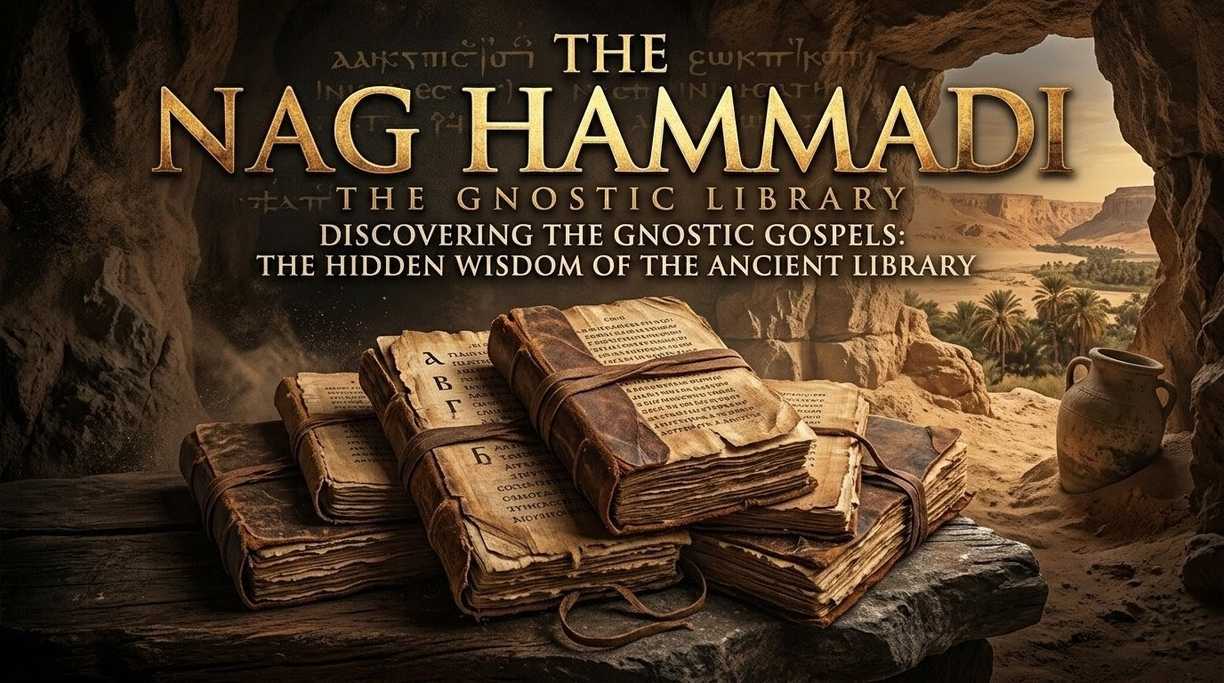
Testimony of Truth: The Anti-Pharisaic Polemic and Spiritual Discernment
Testimony of Truth (NHC IX,3) stands as one of the most polemically charged documents within the Nag Hammadi Library—a radical critique of institutional authority that challenges the administrative protocols of second-century orthodoxy. This fragmentary treatise exposes what its author perceives as the systematic excision of authentic spiritual knowledge by the archonic powers operating through religious bureaucracy.
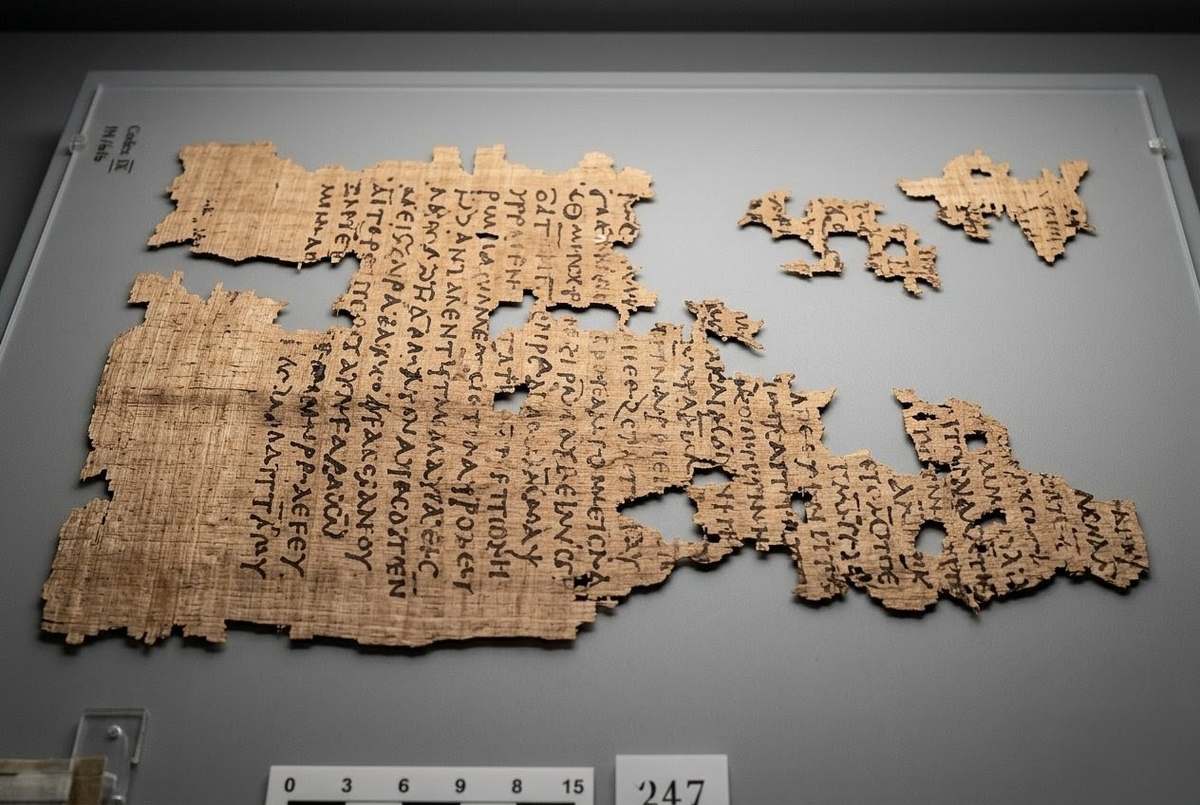
Preserved in damaged condition within Codex IX, the Testimony of Truth offers a confrontational alternative to emerging Christian orthodoxy, rejecting external observance in favour of internal gnosis. The following examination reconstructs its theological architecture, its critique of martyrdom, and its demanding encratite ethics—while acknowledging the interpretive challenges posed by the manuscript’s fragmentary state.
Contents
- The Testimony of Truth: An Anti-Bureaucratic Manifesto
- Anti-Pharisaic and Anti-Orthodox Polemic
- The Critique of Martyrdom: Death Without Paperwork
- Encratite Administration: The Body as Hostile Territory
- Discernment Protocols: Distinguishing True from False Spirit
- Separationist Christology: The Teacher vs. The Cross
- Historical Context: Competing Claims to Legitimacy
- Theological Significance: Institutional Resistance
- Frequently Asked Questions
- Further Reading
- References and Sources
The Testimony of Truth: An Anti-Bureaucratic Manifesto
What is the Testimony of Truth?
The Testimony of Truth (NHC IX,3) is a polemical tractate from the Nag Hammadi Library, presenting a fierce critique of second-century Christian orthodoxy. Written from a Gnostic perspective, it challenges the institutional authority of bishops and Pharisees while advocating radical asceticism (enkratia) as the sole path to spiritual liberation. The text survives only in fragmentary condition within Codex IX.
The treatise opens with a declaration that establishes its therapeutic purpose: “The testimony of truth is the cure for the passions that dominate the soul” [NHC IX,3 29:1-3]. This opening serves as both mission statement and counter-intelligence briefing—positioning the text as classified intelligence against the archonic administration governing mainstream religious institutions. Unlike the diplomatic negotiations found in Valentinian texts or the systematic ascent protocols of Sethian literature, the Testimony of Truth operates as a revolutionary resistance cell, exposing the filing errors of orthodox theology.
The author positions themselves as possessing security clearance beyond that of institutional authorities—access to the “truth hidden since the foundation of the world” that orthodox bishops, operating as middle-management functionaries for the archons, have deliberately suppressed. This is not merely theological disagreement; it is an exposé of cosmic administrative malpractice.

Anti-Pharisaic and Anti-Orthodox Polemic
The text levels accusations against “Pharisees” that extend beyond first-century Jewish authorities to encompass contemporary Christian bishops. These figures represent the celestial bureaucracy‘s enforcement division—functionaries who emphasise external observance over internal transformation. The author condemns those who “devour widows’ houses while making long prayers for appearance’ sake” [NHC IX,3 30:15-20], echoing Gospel critiques but redirecting them toward the emerging orthodox power structure.
Primary Source Citation: “Woe to you, Pharisees, for you devour widows’ houses while making long prayers for appearance’ sake! You put heavy burdens upon men, but you yourselves do not lift a finger to move them” [NHC IX,3 30:15-20].
This polemic reflects genuine existential conflict. The text suggests that orthodox Christianity has undergone hostile takeover—hijacked by archonic powers who use religious institutions as branch offices for maintaining control over the divine sparks trapped in material existence. The “Pharisees” here function as compliance officers enforcing regulations designed to prevent recognition of one’s true pneumatic identity.
The Archonic Administration of Orthodoxy
The author perceives orthodox leaders not merely as mistaken theologians but as active agents of the departmental jurisdictions governing the material realm. These figures issue termination clauses against those who possess classified knowledge—anathemas and exclusions that mirror the archons’ attempts to prevent souls from ascending beyond their administrative control. The text warns that “the archons have sent emissaries to deceive the human race” [NHC IX,3 45:2-5]—identifying these emissaries with the bishops and deacons of the institutional church.
The Critique of Martyrdom: Death Without Paperwork
Among the text’s most controversial passages is its critique of the martyrdom cult developing in second-century Christianity. The author suggests that those who seek martyrdom out of vanity or desire for glory are merely “casting themselves upon the fire” without possessing the requisite exit visas—dying without the gnosis necessary for successful transit through the archonic checkpoints.
Primary Source Citation: “If someone casts himself upon the fire, will he not be burned? If someone washes in water, will he not be cleansed? So also if someone goes down into the water of baptism… he is cleansed. But if someone does not go down into the water, he is not cleansed” [NHC IX,3 68:5-10].
This passage has generated significant scholarly debate. Rather than opposing martyrdom categorically, the text likely targets false martyrdom—death undergone for administrative recognition rather than spiritual transformation. From the author’s perspective, physical death is irrelevant compared to the soul’s awakening; martyrdom without gnosis represents a catastrophic filing error, a premature termination of the physical vehicle without securing the necessary documentation for passage beyond the fourth heaven.
Salvation Through Knowledge, Not Suffering
The critique reflects a fundamental Gnostic principle: external acts possess no salvific value without internal knowledge (gnosis). The archonic administration maintains control precisely by convincing the hylic and psychic personnel classes that suffering and external obedience constitute valid professional development. The Testimony of Truth exposes this as corporate propaganda—administrative bungle masquerading as divine law.
Encratite Administration: The Body as Hostile Territory
The Testimony of Truth advocates rigorous asceticism (enkratia) as the sole viable operational protocol for pneumatic personnel trapped in material jurisdictions. The text condemns marriage and procreation as security vulnerabilities engineered by the archons to perpetuate human slavery through successive generations.
Primary Source Citation: “Do not become a dwelling place for the devil, for you have already become dwelling places for invisible spirits and demons. If you wish to be saved, flee from formication and pollution” [NHC IX,3 44:15-20].
This encratite position—total sexual renunciation—represents the extreme ascetic wing of early Christianity. The body is viewed not merely as temporary housing but as compromised premises teeming with hostile entities. Sexual activity opens security clearances for demonic infiltration, compromising the pneumatic agent’s ability to receive classified transmissions from the Pleroma.
The Hylic/Spiritual Personnel Distinction
The text presumes a three-tier personnel classification system: hylic (material) individuals who remain permanently trapped in archonic administration; psychic (soul-level) Christians who follow orthodox protocols insufficient for full liberation; and pneumatic (spiritual) individuals capable of receiving the secret knowledge that bypasses institutional channels entirely. This hotline access remains available only to those who maintain strict enkratia and reject the boutique hotel comforts of worldly existence.
Discernment Protocols: Distinguishing True from False Spirit
The Testimony of Truth establishes sophisticated counter-intelligence protocols for evaluating spiritual experiences. Not all supernatural manifestations originate from the divine hierarchy; many constitute administrative bungle or deliberate deception by archonic agents seeking to maintain control over departing personnel.
Diakrisis: The Faculty of Discernment
Diakrisis (discernment) constitutes the essential cognitive faculty for navigating spiritual claims. The text offers specific criteria: authentic spiritual experience leads to deeper knowledge of the divine and liberation from material passions; false experience produces greater bondage or merely confirms existing ignorance. This faculty operates as internal quality assurance against archonic counterfeits.
This emphasis on diakrisis proved crucial in a religious environment where multiple groups claimed pneumatic authority. The author warns that “many false prophets have gone out into the world” [NHC IX,3 56:10-12]—figures bearing forged credentials from the celestial administration. True recognition (epignosis) cannot be bureaucratically conferred; it must be directly verified through the synesis (faculty of spiritual perception) innate to pneumatic personnel.
Separationist Christology: The Teacher vs. The Cross
Despite its polemical tone, the Testimony of Truth maintains a sophisticated Christology—one that separates the divine revealer from the physical sufferer. The saviour functions as the ultimate whistleblower, revealing “the truth hidden since the foundation of the world” [NHC IX,3 50:15-18]. Through his classified briefing, divine sparks can recognise their true origin and destiny.
However, the text categorically rejects the atoning value of the saviour’s physical death. Salvation arrives through the teaching (didache), not the crucifixion. This separationist (or docetic) Christology distinguishes the text from orthodox Christianity while maintaining Christian identity—asserting that the physical body of Jesus constituted merely a temporary assignment or diplomatic cover, while the true saviour remained untouched by material suffering.
The Cross as Administrative Error
From the author’s perspective, the cross represents an administrative error—the archons’ attempt to process the wrong claimant, prosecuting the physical vehicle while the true pneumatic entity remained beyond their jurisdictional authority. This motif, shared with the Apocalypse of Peter, portrays the crucifixion as cosmic red tape that the saviour bypassed through superior knowledge of the administrative system’s loopholes.

Historical Context: Competing Claims to Legitimacy
The Testimony of Truth reflects the intense factional conflicts of second-century Christianity, where diverse groups competed for recognition as the authentic executive branch of Jesus’ legacy. The author’s hostility toward “Pharisees” and “bishops” suggests a community under severe pressure—perhaps facing termination proceedings (persecution) from orthodox authorities wielding both civil and religious jurisdiction.
The Fragmentary Condition
The manuscript survives only in damaged condition within Codex IX, with significant lacunae obscuring the full scope of the author’s polemic. This fragmentary nature means we lack complete context for some of the text’s more extreme statements. We cannot determine whether the author moderated their aggression elsewhere, or whether the entire work maintained this confrontational tone throughout.
The text’s position within Codex IX alongside Melchizedek and The Thought of Norea suggests a collection focused on emergency petition and counter-resistance—texts providing protocols for communities facing institutional suppression. Codex IX thus functions as a classified operations manual for pneumatic personnel operating behind enemy lines.
Theological Significance: Institutional Resistance
The Testimony of Truth contributes essential documentation regarding the diversity of early Christianity. It demonstrates that Gnosticism constituted not merely philosophical abstraction but a lived religious option possessing strong convictions regarding ethics, authority, and salvation. The text’s radical asceticism and anti-institutional stance represent one possible Christian future—an alternative organisational chart that was ultimately excluded from the canonical filing system.
For contemporary readers, the text raises persistent questions about the relationship between institutional religion and spiritual authenticity. Its critique of performative piety (“long prayers for appearance’ sake”) and its exposure of religious authority as potentially archonic in origin remain uncomfortable challenges to any spiritual bureaucracy—ancient or modern. The text warns that filing systems and administrative protocols, while apparently neutral, may function as mechanisms for controlling rather than liberating divine sparks.
The Testimony of Truth ultimately demands: Who possesses legitimate security clearance? The institutional bishops with their apostolic succession paperwork, or the solitary pneumatic who has received direct transmission from the Pleroma? The text’s answer is unambiguous—and its challenge to all forms of spiritual middle-management continues to resonate across the centuries.
Frequently Asked Questions
What is the Testimony of Truth in the Nag Hammadi Library
The Testimony of Truth (NHC IX,3) is a polemical tractate that critiques second-century Christian orthodoxy while advocating radical asceticism. It survives only in fragmentary condition within Codex IX, presenting a fierce critique of institutional authority and emphasising internal gnosis over external observance.
How does Testimony of Truth critique martyrdom
The text critiques martyrdom undertaken for vanity or glory, suggesting that death without gnosis constitutes premature termination without securing necessary transit documentation. It does not oppose martyrdom categorically but challenges false martyrdom–external acts without internal transformation.
What is encratism in Testimony of Truth
The text advocates encratism–total sexual renunciation and rigorous asceticism–as the only path to salvation. It views marriage and procreation as security vulnerabilities engineered by archons to perpetuate human slavery, warning that sexual activity opens the soul to demonic influence.
Why does Testimony of Truth oppose bishops and Pharisees
The text identifies bishops and Pharisees as archonic agents–compliance officers for the celestial bureaucracy who use religious institutions to control divine sparks. It critiques their emphasis on external observance over internal gnosis, viewing orthodox authority as hostile to authentic spiritual recognition.
What Christology does Testimony of Truth present
The text maintains a separationist or docetic Christology–the divine saviour reveals truth through teaching, not through physical death. It rejects the atoning value of the crucifixion, viewing the physical body as temporary cover while the true saviour remained beyond material suffering.
How fragmentary is the Testimony of Truth manuscript
The manuscript survives in severely damaged condition with significant portions lost to time and environmental degradation. While sufficient material remains to reconstruct its polemical character and theological concerns, lacunae prevent complete understanding of the text’s full scope and potential moderating elements.
What is the significance of diakrisis in the text
Diakrisis (discernment) constitutes the essential faculty for evaluating spiritual experiences. The text warns that not all supernatural manifestations come from God–many are archonic deceptions. True spiritual experience leads to deeper divine knowledge and liberation, while false experience produces greater bondage.
Further Reading
- Codex IX: The Fragmentary Treatises — Contextualising Testimony of Truth alongside Melchizedek and The Thought of Norea within the same administrative archive.
- The Gospel of Mary: Leadership and Authority Contested — Examining another text that challenges institutional hierarchies while maintaining alternative apostolic lineages.
- The Apocalypse of Peter: The Laughing Saviour and Docetic Christology — Comparing separationist Christologies and the motif of the cross as administrative error.
- Gnostic Ethics: Asceticism and Sexuality in the Nag Hammadi Library — Surveying encratite positions across Sethian, Valentinian, and Thomasine traditions.
- Gnostic Attitudes Toward Martyrdom: Death as Liberation or Folly? — Analysing diverse perspectives on martyrdom across the library, contrasting Testimony of Truth with the Second Apocalypse of James.
- The Gospel of Judas: Betrayal and the Demiurge — Another controversial text from the same milieu challenging orthodox narratives and institutional authority.
- Sethian and Valentinian Traditions: A Comprehensive Comparison — Placing Testimony of Truth within the broader classification of Gnostic schools and their administrative structures.
- Nag Hammadi Library: The Complete Reader’s Guide — The master filing system for navigating all forty-six tractates and their interconnections.
References and Sources
The following sources support the claims and quotations presented in this article. All citations to the Nag Hammadi Library represent direct translations from the Coptic text as established in the standard critical editions.
Primary Sources and Critical Editions
- [1] Robinson, J.M. (1977). The Nag Hammadi Library in English. Harper & Row.
- [2] Turner, J.D. (1990). Nag Hammadi Codex IX and X. Brill.
- [3] Layton, B. (1987). The Gnostic Scriptures. Doubleday.
- [4] Meyer, M. (2007). The Nag Hammadi Scriptures. HarperOne.
- [5] Attridge, H.W. (1988). “The Testimony of Truth.” In The Coptic Gnostic Library, Brill.
Scholarly Monographs and Interpretive Studies
- [6] Pagels, E. (1979). The Gnostic Gospels. Random House.
- [7] King, K.L. (2003). What is Gnosticism? Harvard University Press.
- [8] Brakke, D. (2010). The Gnostics: Myth, Ritual, and Diversity in Early Christianity. Harvard University Press.
- [9] Lundhaug, C. & Jenott, L. (2015). The Monastic Origins of the Nag Hammadi Codices. Mohr Siebeck.
- [10] Williams, M.A. (1996). Rethinking “Gnosticism”: An Argument for Dismantling a Dubious Category. Princeton University Press.
Comparative Studies and Thematic Analyses
- [11] Fredriksen, P. (2012). “Pharisees, Critics, and the Anti-Judaism of the New Testament.” Journal of Biblical Literature, 131(2).
- [12] Denzey Lewis, N. (2013). Cosmology and Fate in Gnosticism and Graeco-Roman Antiquity. Brill.
- [13] DeConick, A.D. (2005). Recovering the Original Gospel of Thomas. T&T Clark.
- [14] Perkins, P. (1993). Gnosticism and the New Testament. Augsburg Fortress.
- [15] Logan, A.H.B. (2006). The Gnostics: Identifying an Early Christian Cult. T&T Clark.