Apocalypse of Peter: The Laughing Saviour and Docetic Cross
The Apocalypse of Peter (NHC VII,3) stands as the most radical classified briefing within the Nag Hammadi Library–a direct assault on orthodox Christology that presents a laughing Saviour who does not suffer, a cross that constitutes administrative theatre, and a crucifixion that exposes the fundamental incompetence of the archonic security forces. Preserved as the third tractate in Codex VII, this apocalyptic vision granted to Peter on the Mount of Olives functions as a counter-intelligence report revealing that the passion was not tragedy but strategic deception–the exposure of demonic impotence through the substitute crucifixion of a fleshly decoy.
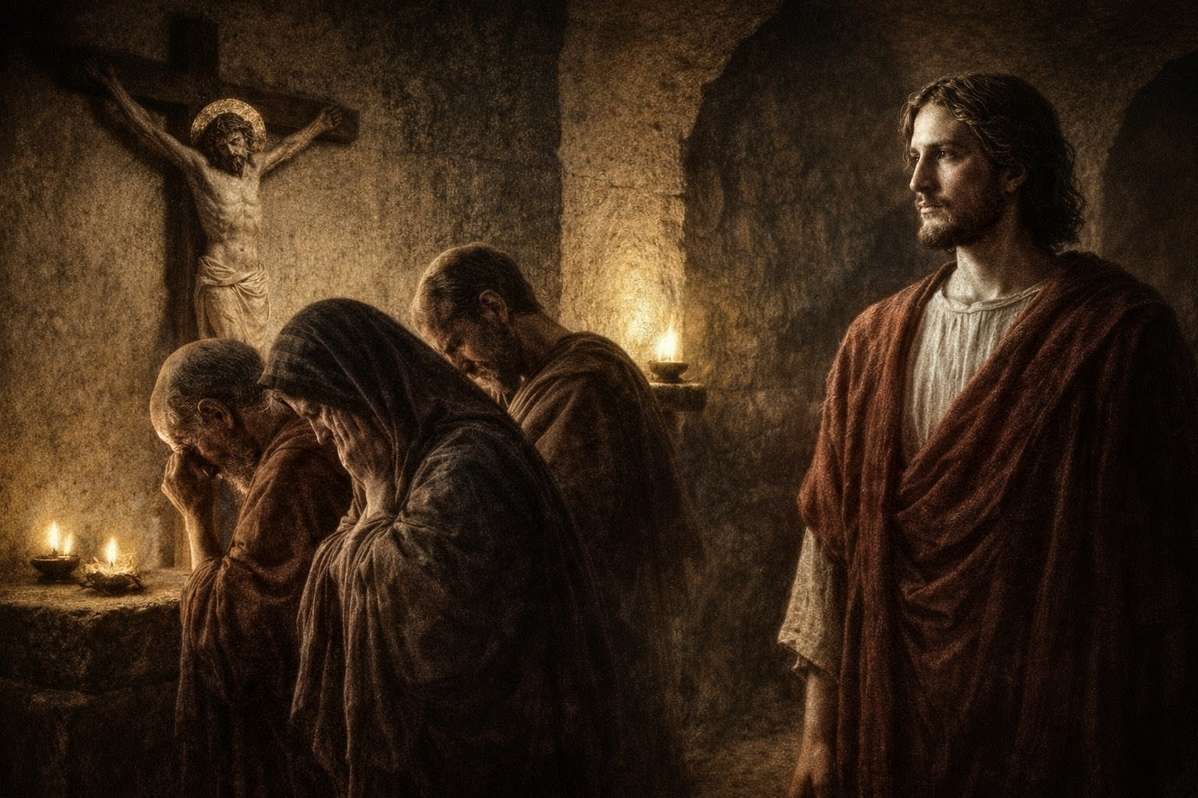
The text operates as a sophisticated psychological operation: while the archons believe they have neutralised the divine threat by executing the physical Jesus, the true spiritual Saviour stands apart, “glad and laughing,” observing their catastrophic misidentification. This is docetism in its most administratively precise form–the physical body serves as an expendable proxy while the pneumatic executive maintains invulnerable status. The Apocalypse of Peter does not merely reinterpret the crucifixion; it transforms the event into the definitive demonstration of archonic incompetence, a bureaucratic bungle of cosmic proportions.
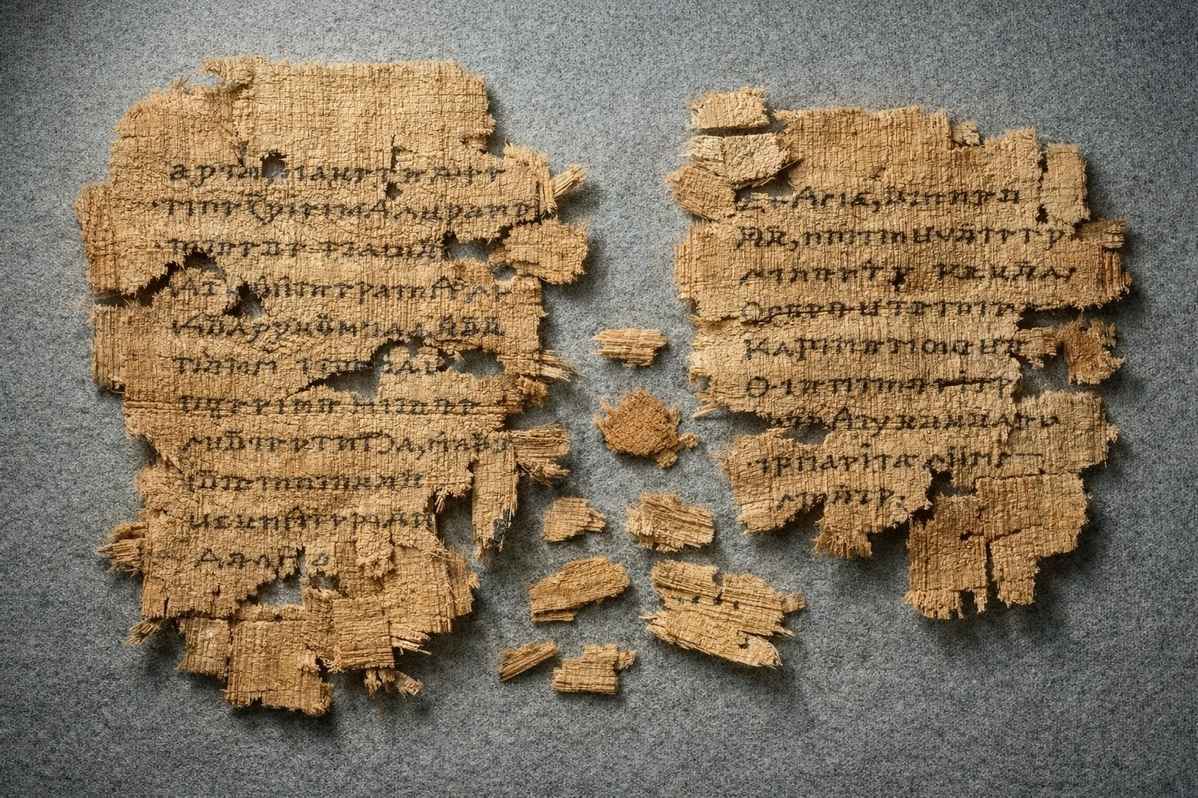
Table of Contents
- What is the Apocalypse of Peter?
- The Docetic Crucifixion: Strategic Deception
- The Laughter of the Saviour: Archonic Incompetence
- The Two Natures and Pneumatic Anthropology
- The Rejection of Martyrdom and Orthodox Devotion
- Comparative Context: Docetic Trajectories
- Contemporary Relevance: Illusion and Resistance
- Frequently Asked Questions
- Further Reading
- References and Sources
What is the Apocalypse of Peter?
The Vision of the Cross Defined
The Apocalypse of Peter (NHC VII,3) is a Coptic Gnostic apocalypse from the Nag Hammadi Library, dating to the second or third century CE. Framed as a vision granted to the apostle Peter on the Mount of Olives prior to the passion, the text presents the most extreme docetic Christology in the collection: the physical Jesus crucified is a substitute or decoy, while the true spiritual Saviour stands apart, laughing at the archons who believe they have killed the divine. The text rejects the redemptive value of suffering, critiques orthodox martyrdom theology, and distinguishes sharply between the spiritual and fleshly natures of both Christ and the believer.
Located within Codex VII alongside the Second Treatise of the Great Seth, the Paraphrase of Shem, and the Teachings of Silvanus, the Apocalypse of Peter participates in a manuscript collection focused on radical interiority and the illusory nature of material events. Its placement after the Paraphrase of Shem and before the Teachings of Silvanus suggests a progression from cosmological deception through Christological exposure to practical spiritual wisdom–a curated curriculum for initiates learning to penetrate surface appearances.
The Docetic Crucifixion: Strategic Deception
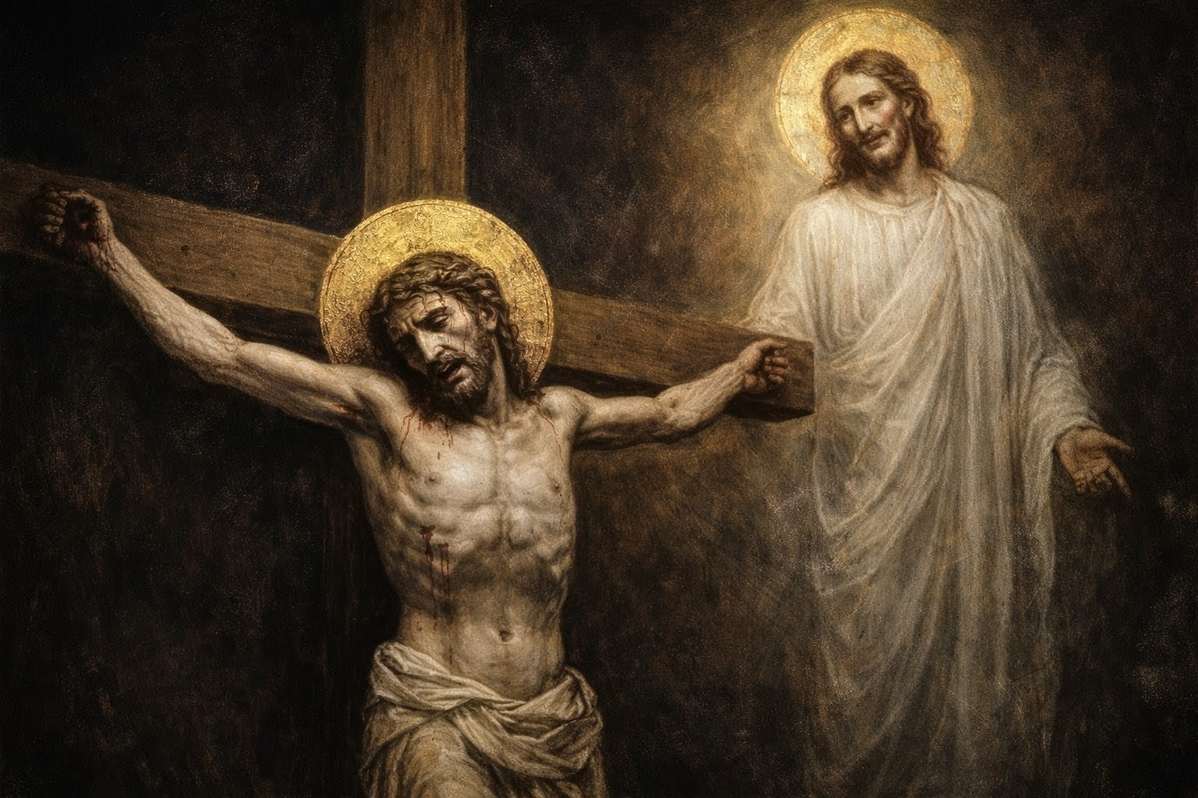
The central intelligence briefing of the Apocalypse of Peter concerns the true nature of the crucifixion–not the redemptive sacrifice propagated by orthodox theological centres, but a deliberate substitution operation in which the archons execute the wrong target. The text presents Peter’s vision of two figures simultaneously present at Golgotha: the fleshly substitute undergoing physical torture, and the spiritual Saviour observing the proceedings with divine amusement.
Primary Source Citation: NHC VII,3 81:4-15: “He whom you see on the tree, glad and laughing, this is the living Jesus. But this one into whose hands and feet they are driving the nails is his fleshly part, which is the substitute being put to shame, the one who came into being in his likeness.”
This is docetism (from Greek dokein, “to seem”) in its most administratively stark formulation: the physical Jesus is not the real Jesus; the crucifixion is a sham operation; the suffering is mere appearance designed to deceive the hostile powers. The true Saviour cannot suffer, cannot die, and cannot be touched by material violence–he possesses diplomatic immunity from the jurisdiction of physical execution. The fleshly substitute, by contrast, is the “home of demons” and “stony vessel” (NHC VII,3 82:1-8)–a disposable asset whose destruction carries no theological significance for the pneumatic executive.
The Mechanics of Misidentification
The archonic security forces commit a catastrophic intelligence failure: they target the decoy while the actual threat remains unharmed. This is not merely a fortunate escape but a deliberate structural feature of the incarnation–the material body functions as a proxy or proxy server, absorbing the hostile traffic while the true identity operates from an unassailable location. The crucifixion thus becomes the definitive proof of archonic incompetence: they possess the power to kill flesh but lack the perceptual capacity to identify spirit, rendering their entire security apparatus functionally useless against the divine administration.
The Laughter of the Saviour: Archonic Incompetence
The image of the laughing Saviour constitutes the most theologically provocative element of the text–a direct affront to orthodox sensibilities that find in the cross profound tragedy and redemptive suffering. The Apocalypse of Peter presents not grief but contempt, not sacrifice but farce: “But I am the spiritual one, who was in him, and I laughed at their ignorance” (NHC VII,3 82:10-18). The laughter is not cruelty but the natural response of superior intelligence observing the catastrophic errors of an incompetent administration.
Primary Source Citation: NHC VII,3 81:15-25: “I saw him apparently being seized by them. And I said, ‘What do I see, O Lord? Is it really you whom they take? And are you holding on to me? And are they hammering the feet and hands of another? Who is this one above the cross, glad and laughing, and who is the one whose hands and feet they are hammering?'”
Peter’s confusion in the vision mirrors the reader’s potential disorientation: the apostolic eyewitness cannot distinguish between the substitute and the authentic, requiring the Saviour’s explicit briefing to clarify the operational reality. The “glad and laughing” figure above the cross represents the true executive who has never been at risk, while the nailed figure represents the temporary fleshly employee whose contract terminates with the crucifixion. This is not the solidarity of shared suffering but the detachment of administrative oversight–the CEO observing the demolition of a branch office while remaining entirely secure at headquarters.
The laughter exposes the fundamental impotence of the archons. They believe they have won a decisive victory against the divine; they have actually demonstrated their own perceptual limitations. They believe they have killed God; they have merely destroyed a disposable vessel. They believe they have triumphed; they have actually performed the definitive act of their own exposure. The cross is not tragedy but comedy–a cosmic joke whose punchline is the resurrection of the substitute (or rather, the revelation that the true Saviour never needed resurrection because he never died).
The Two Natures and Pneumatic Anthropology
The Apocalypse of Peter operates with a sharp dualism between the spiritual and the material, the true and the apparent, the pneumatic and the hylic. This is not merely Christological but anthropological: the text addresses Peter directly with the assurance that the spiritual nature transcends material violence.
Primary Source Citation: NHC VII,3 83:5-12: “The one who suffers is the first-born of the house of Elohim, the one who is subject to the Law. But you are the spiritual one, who will not die.”
The Spiritual Jesus is the true Saviour, the divine revealer, the pneumatic executive who laughs at material aggression. He is the authentic identity that never incarnates fully, never surrenders to flesh, never submits to the laws of the material jurisdiction. The Fleshly Substitute is the physical body, the “home of demons,” the temporary employee who dies in place of the true executive. This is the Jesus of orthodox devotion–the Jesus who is born, suffers, and dies–and the text presents this figure as a deception, a misdirection, a bureaucratic error accepted as fact by those lacking classified knowledge.
The anthropological correlate is equally stark: the believer who has received the secret briefing is the spiritual one who will not die. This is not the immortality of the resurrected body (orthodox hope) but the invulnerability of the pneumatic nature that was never truly embodied. Death affects only the fleshly substitute, the “first-born of the house of Elohim” who is subject to the Law. The spiritual Peter–and by extension the spiritual reader–possesses diplomatic immunity from the execution protocols of the material jurisdiction.
The Rejection of Martyrdom and Orthodox Devotion
Like the Second Treatise of the Great Seth, the Apocalypse of Peter mounts a frontal assault on the valorisation of suffering that characterises emerging orthodox Christianity. The crucifixion is not redemptive sacrifice but failed execution; the martyrs are not witnesses to truth but victims of deception who worship a dead man rather than recognising the living spirit. “They will cleave to the name of a dead man, thinking that they will become pure. But they will become greatly defiled” (NHC VII,3 84:5-12)–this is perhaps the sharpest critique of orthodox devotion in the entire Nag Hammadi Library.
The text predicts that the orthodox will worship the substitute–they will “cleave to the name of a dead man” and believe that veneration of the crucified flesh produces purity. Instead, this devotion produces defilement: the worship of material death contaminates the worshipper with the very archonic ignorance that executed the wrong target. The orthodox church, from this perspective, is a cult of misidentification–a community that worships the decoy while ignoring the authentic Saviour who stands laughing above the cross.
The text also presents a further prophecy of mistaken identity: “And they will come and say to the prisoner, ‘Who are you, that your followers say you are already come?’ And he will say to them, ‘I am the son of the living God.’ And they will think that he is the dead man, and they will kill him” (NHC VII,3 85:10-18). This suggests a recurring pattern of misidentification–the archons perpetually confuse the true Saviour with substitutes, perpetually kill the wrong target, perpetually demonstrate their own incompetence. The cycle of martyrdom is not noble witness but repeated administrative error, the tragic consequence of perceptual limitation.
Comparative Context: Docetic Trajectories
The Apocalypse of Peter occupies an extreme position within the Nag Hammadi Library’s spectrum of Christological opinions. Where the Apocryphon of John presents a complex cosmological drama involving Sophia’s fall and the creation of the archons, and where Valentinian texts such as the Gospel of Truth explore the affective dimensions of restoration, the Apocalypse of Peter focuses exclusively on the illusory nature of the passion. It shares the substitutionist theology of the Second Treatise of the Great Seth–which also claims that “it was another, their father, who drank the gall and the vinegar; it was not I” (NHC VII,2)–but intensifies the polemic with the image of the laughing Saviour and the explicit rejection of martyrdom.
The text’s closest canonical parallel is not the Synoptic Gospels but the Docetic Christologies condemned by Ignatius of Antioch in the early second century–heresies that denied the reality of Christ’s flesh and therefore the redemptive value of his suffering. Yet the Apocalypse of Peter is not merely an isolated heresy but a sophisticated theological response to a genuine problem: how can the divine suffer? The orthodox answer (the Word truly became flesh) and the docetic answer (the flesh was merely apparent) represent two incompatible solutions to the same Christological puzzle. The Apocalypse of Peter chooses the latter with uncompromising rigour.
Contemporary Relevance: Illusion and Resistance
For contemporary readers navigating institutional structures that demand conformity and venerate suffering, the Apocalypse of Peter offers a framework for resistance through perceptual clarity. The text suggests that the most powerful response to hostile systems is not martyrdom but recognition–the refusal to accept the system’s definition of reality. The archons win only when the victim believes the execution is real; the Saviour triumphs by maintaining awareness that the violence applies only to the substitute, not to the authentic self.

The laughter of the Saviour provides a psychological technology for those facing oppression: the capacity to recognise the fundamental incompetence of the oppressor, to refuse to grant their violence metaphysical significance, and to maintain interior freedom regardless of exterior circumstances. This is not escapism but strategic perception–the refusal to confuse the substitute (the body, the social identity, the material self) with the authentic (the spirit, the consciousness, the invulnerable core).
Yet the text also poses ethical dangers. The contempt for material suffering–the laughter at the crucifixion, the dismissal of martyrdom–can legitimate indifference to bodily violence against others. If the true self cannot suffer, why care about the suffering of others? The Apocalypse of Peter offers no easy resolution to this tension; it presents the stark choice between two incompatible worldviews with full awareness of the consequences. For understanding the radical edge of Gnostic spirituality–its capacity for both liberation and inhumanity–this text remains indispensable.
Frequently Asked Questions
What is the Apocalypse of Peter in the Nag Hammadi Library?
The Apocalypse of Peter (NHC VII,3) is a Coptic Gnostic apocalypse presenting a vision granted to Peter on the Mount of Olives. It features the most extreme docetic Christology in the Nag Hammadi Library: the physical Jesus crucified is a substitute, while the true spiritual Saviour stands apart, laughing at the archons who believe they have killed the divine. The text rejects the redemptive value of suffering and critiques orthodox martyrdom theology.
Where is the Apocalypse of Peter located in the Nag Hammadi Library?
The text is located in Codex VII, tractate 3 (NHC VII,3). It appears alongside the Paraphrase of Shem, Second Treatise of the Great Seth, and Teachings of Silvanus–forming a collection focused on the illusory nature of material events and radical interior transformation.
What is docetism and how does this text present it?
Docetism (from Greek dokein, ‘to seem’) is the teaching that Jesus’ physical body was illusory and that he did not truly suffer or die. The Apocalypse of Peter presents docetism in extreme form: the crucified Jesus is a ‘fleshly part’ and ‘substitute,’ while the true Saviour stands ‘glad and laughing’ above the cross, untouched by material violence.
Why does the Saviour laugh in the Apocalypse of Peter?
The Saviour laughs because the archons have committed a catastrophic misidentification–they believe they have killed the divine, but they have merely executed a fleshly substitute. The laughter exposes archonic incompetence and demonstrates the impotence of material violence against the spiritual nature. It transforms the cross from tragedy into the revelation of demonic ignorance.
How does the text reject martyrdom?
The text rejects martyrdom by declaring that those who ‘cleave to the name of a dead man’ thinking they will become pure ‘will become greatly defiled.’ It presents martyrdom as worship of the fleshly substitute rather than recognition of the living spirit, and the cross as failed execution rather than redemptive sacrifice.
What are the two natures in the Apocalypse of Peter?
The text distinguishes between the Spiritual Jesus–the true, invulnerable divine Saviour who cannot suffer–and the Fleshly Substitute–the physical body that is crucified, described as the ‘home of demons’ and ‘stony vessel.’ This Christological dualism extends to anthropology: the spiritual believer ‘will not die,’ while only the fleshly nature is subject to material execution.
How does the Apocalypse of Peter relate to orthodox Christianity?
The text directly assaults foundational orthodox convictions: the reality of the Incarnation, the redemptive value of the cross, and the continuity of Jesus’ humanity and divinity. It presents orthodox devotion to the crucified Jesus as misidentification and defilement, offering instead a docetic spirituality that maintains the absolute invulnerability of the divine to material violence.
Further Reading
Expand your understanding of docetism, archonic deception, and Gnostic Christologies through these verified internal resources:
- Second Treatise of the Great Seth — Fellow traveller in substitutionist theology from Codex VII, sharing the claim that another died in the Saviour’s place while the true Jesus remained untouched by the crucifixion.
- Gnostic Attitudes Toward Martyrdom — Direct examination of the Gnostic critique of martyrdom theology, placing the Apocalypse of Peter’s rejection of suffering within broader Nag Hammadi perspectives on persecution and death.
- Codex VII: Sethian Technical and Hermetic — The archaeological and codicological context of the Apocalypse of Peter within its manuscript setting, alongside the Paraphrase of Shem, Second Treatise of the Great Seth, and Teachings of Silvanus.
- Reality of the Archons: The Hostile Administration — Detailed examination of the archontic powers whose incompetence the Apocalypse of Peter exposes, providing the cosmological background for the text’s crucifixion narrative.
- Apocryphon of John: Gnostic Creation — The Sethian cosmological counterpart, offering the archonic origin story that explains why these powers are capable of such catastrophic misidentification at the crucifixion.
- Gospel of Philip: Sacrament and Eros — The Valentinian perspective on Christology and the bridal chamber, providing contrast to the Apocalypse of Peter’s extreme docetism and its rejection of material sacraments.
- Book of Thomas the Contender: Flesh and Soul — Related exploration of the hostility toward the flesh and the demand for spiritual transcendence, echoing the Apocalypse of Peter’s contempt for material embodiment.
- Apocryphal Gospels Collection — Broader survey of non-canonical gospel literature, positioning the Apocalypse of Peter within the wider landscape of early Christian diversity and competing Christologies.
References and Sources
The following sources support the claims and quotations presented in this article. All citations to the Nag Hammadi Library represent direct translations from the Coptic text as established in the standard critical editions.
Primary Sources and Critical Editions
- [1] Brashler, J.A., & Bullard, R.A. (1996). “The Apocalypse of Peter (NHC VII,3).” In B.A. Pearson (Ed.), Nag Hammadi Codex VII. Brill. (Critical edition with Coptic text, English translation, and commentary)
- [2] Layton, B. (1987). The Gnostic Scriptures: A New Translation with Annotations and Introductions. Doubleday. (Standard English translation of NHC VII,3 with docetism analysis)
- [3] Meyer, M. (2007). The Nag Hammadi Scriptures: The International Edition. HarperOne. (Comparative translation with notes on the laughing Saviour motif)
- [4] Robinson, J.M. (1977). The Nag Hammadi Library in English. Harper & Row. (Definitive critical edition establishing page and line conventions)
- [5] Krause, M. (1971). “Die Apokalypse des Petrus (NHC VII,3).” In Essays on the Nag Hammadi Texts in Honour of Alexander Böhlig. Brill. (Philological and codicological analysis)
Scholarly Monographs and Specialised Studies
- [6] Brakke, D. (2010). The Gnostics: Myth, Ritual, and Diversity in Early Christianity. Harvard University Press. (Analysis of docetic diversity and orthodox boundaries)
- [7] Ehrman, B.D. (1993). The Orthodox Corruption of Scripture: The Effect of Early Christological Controversies on the Text of the New Testament. Oxford University Press. (Examination of doceticism in patristic context)
- [8] King, K.L. (2003). What Is Gnosticism? Harvard University Press. (Theoretical framework for categorising radical docetic texts)
- [9] Logan, A.H.B. (1996). Gnostic Truth and Christian Heresy: A Study in the History of Gnosticism. T&T Clark. (Examination of Christological dualism in Nag Hammadi texts)
- [10] Pagels, E. (1979). The Gnostic Gospels. Random House. (Contextualisation of alternative Christologies within early Christian diversity)
Comparative Studies and Thematic Analyses
- [11] DeConick, A.D. (2016). The Gnostic New Age: How a Countercultural Spirituality Revolutionised Religion for the Postmodern World. Columbia University Press. (Modern reception of docetic and anti-martyrdom theology)
- [12] Perkins, P. (1984). “Peter in Gnostic Revelation.” In Society of Biblical Literature Seminar Papers. Scholars Press. (Analysis of Petrine authority in Gnostic apocalypses)
- [13] Schenke, H.M. (1974). “The Phenomenon and Significance of Gnostic Sethianism.” In B. Layton (Ed.), The Rediscovery of Gnosticism. Brill. (Comparative analysis of substitutionist theology)
- [14] Turner, J.D. (2001). Sethian Gnosticism and the Platonic Tradition. Presses Universitaires de Louvain. (Analysis of docetic Christology within Sethian trajectory)
- [15] Williams, M.A. (1996). Rethinking “Gnosticism”: An Argument for Dismantling a Dubious Category. Princeton University Press. (Critical reassessment of docetism as scholarly category)