

Melchizedek: The Warrior Priest and Gnostic Sacrifice
The Melchizedek text (NHC IX,1) presents one of the most militantly distinctive dossiers within the Nag Hammadi Library—a radical reinterpretation of the biblical figure Melchizedek that transforms the “king of Salem, priest of God Most High” into a Gnostic warrior-administrator who battles archontic powers, offers spiritual sacrifice in the heavenly sanctuary, and reveals classified priestly protocols to qualified initiates. This is not the Melchizedek of Genesis 14 or the Epistle to the Hebrews; this is a celestial combatant operating at the boundary between material and spiritual jurisdictions, conducting both liturgical and military operations against the dark administration.
Preserved in fragmentary condition within Codex IX, the text nevertheless transmits a unique synthesis of Jewish priestly traditions, Christian soteriological frameworks, and Gnostic cosmological warfare. It represents a trajectory that understood priesthood not as passive ceremonial function but as active counter-intelligence operations—the priest as militant mediator who liberates captives from archonic detention facilities through spiritual combat and sacramental transformation. The text addresses those who have “received the secret of the priesthood,” warning them to guard these classified protocols carefully: “Do not cast your pearls before swine” (NHC IX,1 6:15-20).
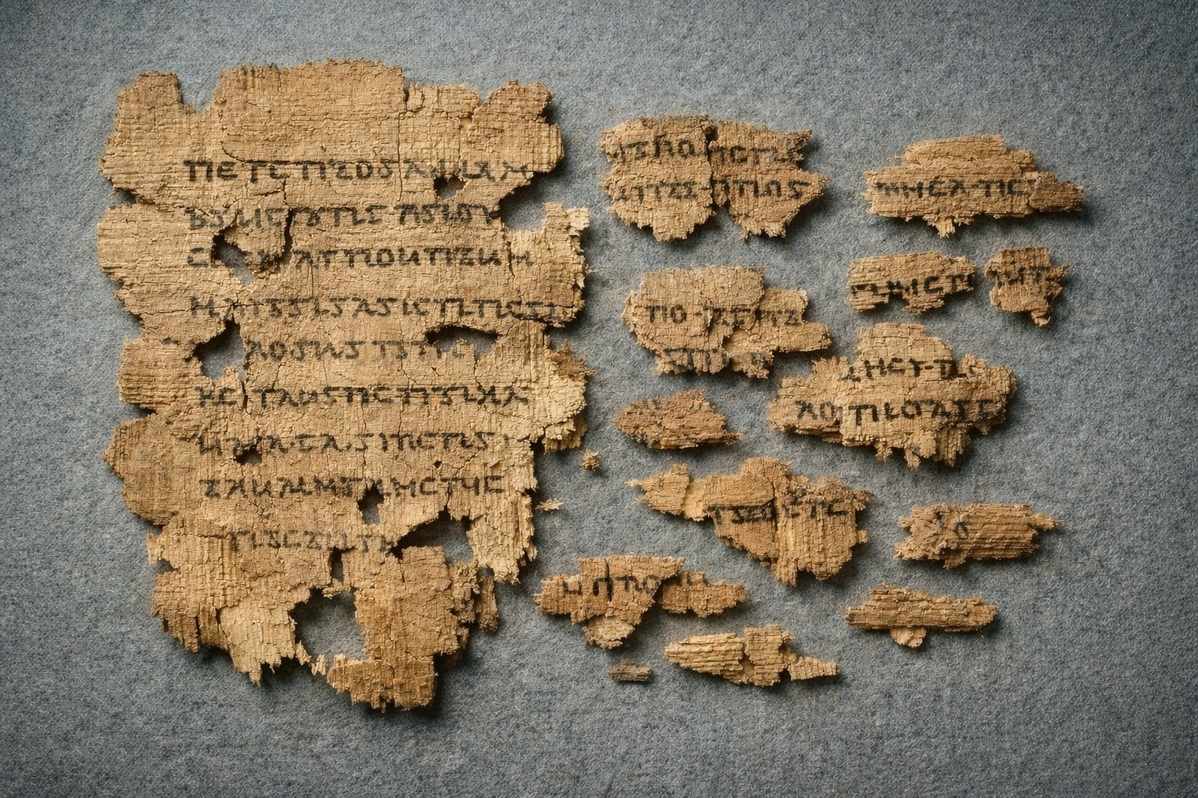
Table of Contents
- What is the Melchizedek Text?
- The True Sacrifice: Spiritual vs Levitical Operations
- Archonic Warfare: The Battle for Captives
- Resurrection as Priestly Transformation
- The Secret Priesthood and Esoteric Protocols
- The Connection to Hebrews: Typology vs Agency
- Comparative Context: Priestly Gnosticism
- Contemporary Relevance: Militant Spirituality
- Frequently Asked Questions
- Further Reading
- References and Sources
What is the Melchizedek Text?
The Priestly Warrior Defined
The Melchizedek text (NHC IX,1) is a Coptic Gnostic apocalypse from the Nag Hammadi Library, dating to the second or third century CE. It presents a radical reinterpretation of the biblical figure Melchizedek (Genesis 14:18-20; Hebrews 5-7) as a Gnostic redeemer who engages in cosmic warfare against archontic powers, offers spiritual sacrifice, and reveals secret priestly knowledge. The text is fragmentary but preserves unique material regarding the transformation of Levitical animal sacrifice into spiritual worship, and the role of the priest as militant mediator between material and spiritual realms.
Positioned as the opening tractate in Codex IX, the Melchizedek text initiates a collection that includes the Thought of Norea and the Testimony of Truth—suggesting a manuscript compiled for communities interested in priestly authority, spiritual resistance, and the transformation of biblical traditions. The text’s placement indicates its function as a foundational briefing for initiates into a specifically sacerdotal form of Gnosis, one that retains Jewish priestly structures while radicalising their content and function.
The True Sacrifice: Spiritual vs Levitical Operations
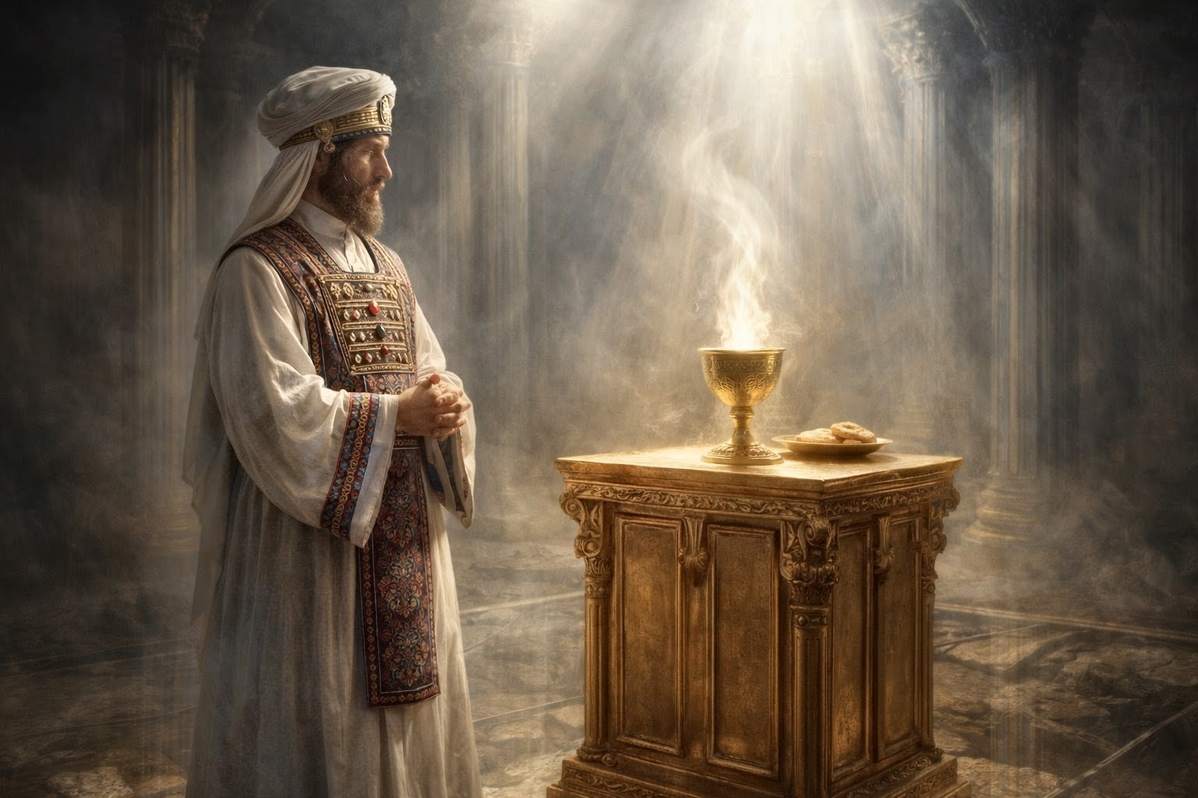
Central to the Melchizedek dossier is the critique and transformation of sacrificial protocol. The text explicitly devalues the Levitical administration—the blood of bulls and goats conducted in the Jerusalem temple—as obsolete operations shadowing the true spiritual sacrifice offered in the heavenly sanctuary. “The offerings of the Levites are animal sacrifices, but the offering of Melchizedek is spiritual” (NHC IX,1 5:15-22)—this is not the abolition of sacrifice but its radical interiorisation and spiritualisation, the transfer of liturgical operations from the material to the aeonic jurisdiction.
Primary Source Citation: NHC IX,1 5:15-22: “The offerings of the Levites are animal sacrifices, but the offering of Melchizedek is spiritual. He offers the bread and the cup, the spiritual food and drink that nourish the soul.”
Melchizedek offers “the bread and the cup”—eucharistic language transformed within a Gnostic framework. Yet unlike orthodox sacramental theology where bread and wine become body and blood, here they function as symbols of the true spiritual nourishment flowing from the pleroma. The material elements are not transubstantiated but transcended; they point toward the spiritual sustenance that actually feeds the pneumatic nature. This is the Gnostic critique of ritual religion at its most precise—not the rejection of sacrifice but its relocation to the interior sanctuary where the mind offers “spiritual sacrifices acceptable to God” (to borrow the phrase from 1 Peter, here reinterpreted).
The Heavenly Sanctuary vs Earthly Temple
The text operates with a two-jurisdiction model of liturgical operation: the earthly Jerusalem temple (administered by Levitical personnel using animal protocols) and the heavenly sanctuary (administered by Melchizedek using spiritual protocols). The former represents the shadow, the latter the reality; the former manages material blood, the latter manages spiritual light. This is not merely anti-Jewish polemic but the assertion of a higher administrative clearance—Melchizedek possesses the authorisation to operate in the celestial jurisdiction where Levitical priests cannot access.
Archonic Warfare: The Battle for Captives
Distinctive to this text is the portrayal of Melchizedek not merely as liturgical officiant but as military commander engaged in cosmic warfare against archontic detention forces. “And Melchizedek will wage war against the archons, and he will defeat them, and he will liberate the captives” (NHC IX,1 12:10-18)—this is the Gnostic theme of celestial combat rendered through sacerdotal imagery, the war in heaven between light and darkness administrations with Melchizedek serving as champion of the pneumatic jurisdiction.
Primary Source Citation: NHC IX,1 12:10-18: “And Melchizedek will wage war against the archons, and he will defeat them, and he will liberate the captives. He will raise up the offering, and he will offer it up to the aeons.”
The warfare is simultaneously external and internal, cosmic and psychological. “The war is within you, and the battle is in your members” (NHC IX,1 15:5-10)—the archons are not merely planetary bureaucrats blocking the soul’s ascent but internalised passions, appetites, and ignorances that bind the spiritual seed to material operations. Melchizedek’s military campaign operates on both fronts: he battles the external archonic administration while simultaneously liberating the internal psychic territories occupied by hostile forces.
This militant priesthood contrasts sharply with the passive ceremonial functions often associated with biblical priesthood. Melchizedek is armed with spiritual weapons, conducting rescue operations into enemy-occupied territory, extracting captives from detention facilities, and neutralising archonic security forces. The priest here functions as special operations commander rather than mere temple functionary—a role that would have significant appeal to communities experiencing persecution or marginalisation by dominant religious authorities.
Resurrection as Priestly Transformation
The Melchizedek text presents a striking reinterpretation of resurrection not as biological resuscitation but as transformation into priestly power. “And he will raise up the offering, and he will offer it up to the aeons” (NHC IX,1 12:15-22)—the “raised offering” is the spiritual seed itself, lifted from material captivity and restored to the divine jurisdiction through Melchizedek’s sacerdotal mediation. Resurrection here means the elevation of the pneumatic nature from the archonic prison to the heavenly sanctuary, the transfer of the soul from material detention to spiritual citizenship.
This is sacerdotal Gnosticism at its most precise—the priest as mediator not merely between God and humanity in the conventional sense, but between the material and spiritual realms, conducting the transition from death to life, from darkness to light, from captivity to freedom. Melchizedek stands at the boundary between jurisdictions, possessing the security clearances necessary to move souls between the material and aeonic departments. His priesthood is the administrative protocol that processes the dead, elevating the worthy from the cosmic detention facility to the pleromatic headquarters.

The Secret Priesthood and Esoteric Protocols
Like other Gnostic revealers, Melchizedek transmits classified knowledge regarding priestly operations. “He revealed to them the secret of the priesthood, and he showed them the way of the offering” (NHC IX,1 18:10-18)—this knowledge is not public liturgy but esoteric protocol, transmitted only to those possessing appropriate security clearances, deliberately withheld from the general population who would misunderstand or misuse the intelligence.
Primary Source Citation: NHC IX,1 6:15-22: “You who have received the secret of the priesthood, guard it well. Do not cast your pearls before swine, lest they trample them underfoot and turn to attack you.”
The text employs the Matthean warning with telling specificity: “Do not cast your pearls before swine”—the secret of the priesthood is precious precisely because it is dangerous. In the wrong hands (those of the “swine,” the hylic or psychic natures incapable of receiving pneumatic intelligence), these protocols would be profaned, leading not to liberation but to further archonic entrapment. The secrecy is thus protective rather than elitist, a security measure ensuring that classified spiritual operations remain available only to those with the capacity to execute them properly.
This esoteric priesthood suggests a community that understood itself as possessing higher liturgical authorisation than the mainstream Jewish or Christian administrations. They are not laity, nor conventional clergy, but initiates into the Melchizedekian order—a spiritual priesthood that supersedes both Levitical and conventional Christian sacramental structures through direct revelation of the true, spiritual protocols.
The Connection to Hebrews: Typology vs Agency
The canonical Epistle to the Hebrews presents Jesus as “a priest forever after the order of Melchizedek” (Hebrews 5:6, 6:20, 7:17), developing the Genesis 14 figure into a typological precursor of Christ’s unique sacrifice. The Nag Hammadi text extends this trajectory in distinctively Gnostic directions—Melchizedek is not merely type but active, present agent, not merely precedent but ongoing helper in the cosmic struggle against archonic forces.
Where Hebrews emphasises the once-for-all sacrifice of Christ terminating the Levitical system, the Gnostic Melchizedek emphasises continuing spiritual warfare and ongoing priestly mediation. Where Hebrews presents a single historical offering, the Gnostic text presents a continuous priesthood engaged in perpetual combat against the archons and perpetual elevation of captives to the aeons. The difference is between linear history (Hebrews) and cosmic recurrence (Gnostic Melchizedek)—between the single decisive moment and the eternal battle.
Yet both texts share the fundamental critique of Levitical administration—the recognition that animal blood cannot effect spiritual transformation, that the true sanctuary is heavenly rather than earthly, that the priesthood of Melchizedek (whether as type of Christ or as Gnostic warrior) supersedes the Aaronic lineage. The Gnostic text represents the radicalisation of Hebrews’ own logic, pushing the spiritualisation of sacrifice to its logical conclusion while adding the militant dimension largely absent from the canonical epistle.
Comparative Context: Priestly Gnosticism
The Melchizedek text occupies a distinctive position within the Nag Hammadi Library, representing a trajectory of sacerdotal Gnosticism that contrasts with both the anti-ritual polemic of some Sethian texts and the sacramental mysticism of Valentinianism. Where the Gospel of Philip explores the bridal chamber and water baptism as essential sacraments, and where Sethian texts such as the Apocryphon of John often display hostility toward conventional religious structures, Melchizedek retains and transforms the priestly function itself.
The text’s closest thematic parallels within the Library are the Second Treatise of the Great Seth—which similarly emphasises the illusory nature of the crucifixion and the spiritual warfare against archonic powers—and the Five Seals material, which also concerns priestly initiation and sacramental transformation. However, Melchizedek is unique in its specific focus on the Jewish priestly tradition and its radical reinterpretation of the biblical figure as cosmic warrior.
The fragmentary nature of the text—preserved in damaged papyrus with significant lacunae—requires reconstructive reading, yet the surviving material demonstrates that Gnosticism was not merely anti-institutional or anti-ritual but capable of developing sophisticated sacerdotal theologies with their own understandings of priesthood, sacrifice, and liturgical mediation. This is Gnosticism as hieratic tradition, preserving the forms of Jewish priesthood while transmuting their content into pneumatic warfare.
Contemporary Relevance: Militant Spirituality
For contemporary readers navigating hostile institutional environments, the Melchizedek text offers a framework for understanding spirituality as militant resistance—not passive acceptance of dominant religious structures but active combat against the “archons” whether understood as cosmic forces or as internalised oppressions. The priesthood here is not professional clericalism but spiritual militancy, the willingness to engage in cosmic warfare for the liberation of captives.

The concept of interior warfare—”the war is within you, and the battle is in your members”—speaks to modern psychological and spiritual concerns regarding the fragmentation of consciousness, the struggle with addiction and compulsion, and the battle against internalised authoritarian voices. Melchizedek becomes a model for the integrated spiritual warrior who battles both external injustice and internal chaos, conducting rescue operations for the trapped “spiritual seed” within the psyche.
The text’s esoteric secrecy—”do not cast your pearls before swine”—also offers a corrective to contemporary oversharing and the democratisation of all knowledge. Some intelligence is dangerous in the wrong hands, some protocols require maturity to execute safely, and the protective withholding of sacred knowledge may represent wisdom rather than elitism. In an age of information overload, the Melchizedekian discipline of guarding the secret priesthood reminds us that not all truth is immediately safe for all audiences.
Frequently Asked Questions
What is the Melchizedek text in the Nag Hammadi Library?
The Melchizedek text (NHC IX,1) is a Coptic Gnostic apocalypse presenting a radical reinterpretation of the biblical figure Melchizedek as a warrior-priest who battles archontic powers, offers spiritual sacrifice, and reveals secret priestly knowledge. It dates to the second or third century CE and is preserved in fragmentary condition within Codex IX.
Where is the Melchizedek text located in the Nag Hammadi Library?
The text is located in Codex IX, tractate 1 (NHC IX,1). It appears alongside the Thought of Norea and the Testimony of Truth–suggesting a collection focused on priestly authority, spiritual resistance, and the transformation of biblical traditions.
How does the Gnostic Melchizedek differ from the biblical figure?
While Genesis 14 presents Melchizedek as king of Salem and priest of God Most High, and Hebrews presents him as a type of Christ’s priesthood, the Gnostic text transforms him into an active cosmic warrior who battles archons, liberates captives, and conducts spiritual sacrifice in the heavenly sanctuary. He is not merely precedent but present agent in the Gnostic drama of redemption.
What is the true sacrifice in the Melchizedek text?
The text contrasts Levitical animal sacrifices with the spiritual offering of Melchizedek: ‘The offerings of the Levites are animal sacrifices, but the offering of Melchizedek is spiritual.’ He offers the bread and cup as spiritual food and drink from the pleroma, transcending material sacraments through interior worship conducted in the heavenly sanctuary.
What is the warfare theme in the Melchizedek text?
The text presents Melchizedek as militant priest who ‘will wage war against the archons, and he will defeat them, and he will liberate the captives.’ This warfare is both cosmic (against the archontic powers) and internal (‘the war is within you, and the battle is in your members’), representing the struggle against spiritual captivity in all its forms.
What is the secret priesthood mentioned in the text?
The text addresses those who ‘have received the secret of the priesthood,’ warning them to ‘guard it well’ and ‘do not cast your pearls before swine.’ This esoteric priesthood represents classified spiritual knowledge transmitted only to qualified initiates capable of receiving pneumatic intelligence without profaning it.
How does the Melchizedek text relate to the Epistle to the Hebrews?
Both texts share the critique of Levitical sacrifice and the exaltation of Melchizedek’s priesthood. However, where Hebrews presents Jesus’ once-for-all sacrifice, the Gnostic text emphasises ongoing spiritual warfare and continuous priestly mediation. The Gnostic version represents a radicalisation of Hebrews’ logic, adding the militant dimension of cosmic combat against archons.
Further Reading
Expand your understanding of priestly Gnosticism, archonic warfare, and the transformation of biblical traditions through these verified internal resources:
- Codex IX: Melchizedek, Norea, and the Testimony of Truth — The archaeological and codicological context of the Melchizedek text within its manuscript setting alongside the Thought of Norea and Testimony of Truth.
- Gospel of Philip: Sacrament and Eros — The Valentinian sacramental system exploring the bridal chamber and eucharistic theology, providing contrast to Melchizedek’s militant priesthood.
- Second Treatise of the Great Seth — Fellow traveller in cosmic warfare themes, sharing the emphasis on the illusory nature of the crucifixion and spiritual combat against archontic powers.
- Five Seals: Sethian Initiation Sacraments — The baptismal and priestly initiation system that complements Melchizedek’s sacerdotal warfare with ritual protocols for spiritual transformation.
- Reality of the Archons: The Hostile Administration — Detailed examination of the archontic powers Melchizedek battles, providing the cosmological context for the text’s warfare theology.
- Apocryphon of John: Gnostic Creation, Three Versions — The Sethian cosmological counterpart, offering comparative context for the archonic opposition that Melchizedek confronts in his priestly warfare.
- Thought of Norea: Heroine of Spiritual Resistance — The companion text from Codex IX, sharing the manuscript’s emphasis on spiritual resistance and the transformation of biblical figures.
- Gnostic Schools: Sethians, Valentinians, and Hermetics — Comparative taxonomy positioning the Melchizedek text’s unique priestly trajectory within the broader landscape of Gnostic administrative styles.
References and Sources
The following sources support the claims and quotations presented in this article. All citations to the Nag Hammadi Library represent direct translations from the Coptic text as established in the standard critical editions.
Primary Sources and Critical Editions
- [1] Birger, A., & Pearson, B.A. (1981). “Melchizedek (NHC IX,1).” In Nag Hammadi Codices IX and X. Brill. (Critical edition with Coptic text, English translation, and commentary)
- [2] Layton, B. (1987). The Gnostic Scriptures: A New Translation with Annotations and Introductions. Doubleday. (Standard English translation of NHC IX,1 with notes on priestly theology)
- [3] Meyer, M. (2007). The Nag Hammadi Scriptures: The International Edition. HarperOne. (Comparative translation with notes on Melchizedekian traditions)
- [4] Robinson, J.M. (1977). The Nag Hammadi Library in English. Harper & Row. (Definitive critical edition establishing page and line conventions)
- [5] Waldstein, M., & Wisse, F. (1995). The Apocryphon of John: Synopsis of Nag Hammadi Codices II,1; III,1; and IV,1. Brill. (Comparative cosmological analysis)
Scholarly Monographs and Specialised Studies
- [6] Attridge, H.W. (1989). Hebrews: A Commentary on the Epistle to the Hebrews. Fortress Press. (Analysis of Melchizedek traditions in Hebrews providing comparative context)
- [7] Davila, J.R. (2005). The Provenance of the Pseudepigrapha: Jewish, Christian, or Other?. Brill. (Examination of Melchizedek traditions in Second Temple Judaism)
- [8] Horton, F.L. (1976). The Melchizedek Tradition: A Critical Examination of the Sources. Cambridge University Press. (Comprehensive study of Melchizedek in Jewish and Christian sources)
- [9] King, K.L. (2003). What Is Gnosticism? Harvard University Press. (Theoretical framework for categorising sacerdotal Gnosticism)
- [10] Schenke, H.M. (1978). “Das Sethianische System nach Nag-Hammadi-Handschriften.” In Studia Coptica. Akademie-Verlag. (Analysis of Sethian warfare theology)
Comparative Studies and Thematic Analyses
- [11] Carmignac, J. (1970). “Le document de Qumran sur Melchisedeq.” Revue de Qumran 7, pp. 343-378. (Analysis of Qumran Melchizedek traditions providing Jewish background)
- [12] DeConick, A.D. (2016). The Gnostic New Age: How a Countercultural Spirituality Revolutionised Religion for the Postmodern World. Columbia University Press. (Modern reception of priestly Gnosticism)
- [13] Giversen, S. (1981). “The Melchizedek Fragment (NHC IX,1).” In Nag Hammadi Codices IX and X. Brill. (Technical analysis of fragmentary structure)
- [14] Logan, A.H.B. (1996). Gnostic Truth and Christian Heresy: A Study in the History of Gnosticism. T&T Clark. (Examination of sacerdotal vs anti-sacerdotal Gnostic trajectories)
- [15] Turner, J.D. (2001). Sethian Gnosticism and the Platonic Tradition. Presses Universitaires de Louvain. (Comparative analysis of warfare themes in Gnostic cosmology)