The Exegesis on the Soul: Allegory of the Fallen and Restored Psyche
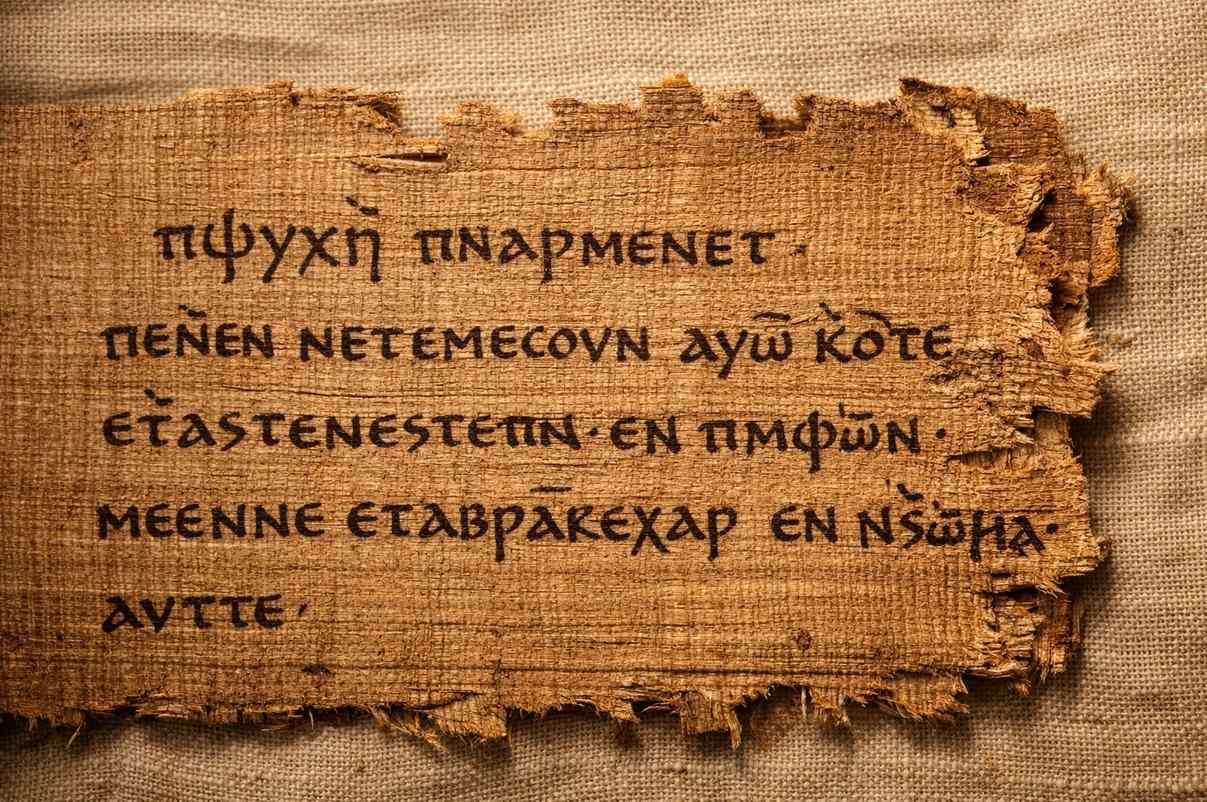
The Exegesis on the Soul is one of the most psychologically rich texts in the Nag Hammadi Library. Preserved in Codex II,6, it does not begin with archons, aeons or cosmic architecture. It begins with the soul.
The text presents the soul through a striking allegory: a feminine soul who was once pure, whole and close to her divine source, but who falls into exile, becomes scattered among false lovers, forgets her origin, and is eventually called back to her true bridegroom.
Its imagery is intense, including prostitution, defilement, longing, repentance, bridal clothing and restoration. These images should be read as ancient spiritual allegory, not as literal judgement on sexuality or women. The text is using the language of prophetic metaphor to describe the soul’s loss of unity and its return to wholeness.
What is the Exegesis on the Soul?
The Exegesis on the Soul is an allegorical Nag Hammadi text preserved in Codex II,6. It interprets the soul as a fallen bride who has forgotten her divine origin and must return to her true bridegroom through remembrance, repentance and restoration.
The text is important because it turns Gnostic salvation inward. Instead of mapping cosmic ascent through heavens, it maps the soul’s inner condition: unity, dispersion, exile, longing, awakening and reunion.
Content Note: This article discusses sexual metaphor, prostitution imagery and spiritual defilement as part of an ancient allegorical text. The language belongs to symbolic and prophetic traditions, and should not be read as a literal condemnation of women, sexuality or embodied life.
Table of Contents
- Text and Codex Setting
- Why the Exegesis on the Soul Matters
- The Soul as Allegory
- The Original State: Virgin, Whole and Androgynous
- The Fall into Dispersion
- The Prostitution Metaphor
- Exile, Forgetting and Spiritual Hunger
- The Letter from the Father
- Repentance as Turning Back
- The Bridal Chamber and Restoration
- Biblical Interpretation and Prophetic Imagery
- Androgyny, Marriage and Spiritual Unity
- Spiritual Psychology and Modern Reading
- Reading the Exegesis Today
- Frequently Asked Questions
- Further Reading
- References and Sources
Text and Codex Setting
The Exegesis on the Soul is preserved in Nag Hammadi Codex II as its sixth tractate. Codex II is one of the most important Nag Hammadi codices, containing major works such as the Apocryphon of John, the Gospel of Thomas, the Gospel of Philip, The Hypostasis of the Archons and On the Origin of the World.
Its placement is meaningful. After the large creation myths of Codex II, this text turns towards the soul’s inner condition. The cosmic drama becomes personal. The fall of the world becomes the soul’s exile. Restoration becomes not only a future cosmic event, but an intimate return to spiritual wholeness.
The text draws heavily on biblical and prophetic imagery, especially the language of marital unfaithfulness, exile and restoration. It belongs to the broader world of early Christian and Gnostic allegorical interpretation, where scripture is read as a map of the soul.
Codex Note: The Exegesis on the Soul is Nag Hammadi Codex II,6. It follows major creation and archon texts in Codex II, but shifts the focus from cosmic origin to the soul’s fall, longing and restoration.
Why the Exegesis on the Soul Matters
The Exegesis on the Soul matters because it gives one of the clearest examples of Gnostic spirituality as inner psychology. It is not primarily concerned with naming the rulers of the heavens or describing the architecture of the Pleroma. It asks what happens when the soul forgets who it is.
The text’s answer is allegorical. The soul was once whole, virgin and united with her true source. She then leaves that source, becomes scattered among false attachments, suffers exile and humiliation, receives a call from the Father, and returns to the bridal chamber of restoration.
This is why the text remains so powerful. It describes spiritual fall not simply as rule-breaking, but as fragmentation. The soul loses its centre. It gives itself away. It forgets its origin. Salvation, then, is not merely forgiveness. It is remembrance, re-gathering and reunion.
Within the ZenithEye reading route, this text creates a bridge from cosmic myth to lived experience. After On the Origin of the World, the question changes: not only “where did the world come from?”, but “what has happened to the soul within it?”
The Soul as Allegory
The text uses a feminine figure to represent the soul. This is a traditional symbolic pattern found in biblical, Jewish, Christian and Gnostic literature. Cities, peoples, wisdom, the church and the soul can all be imagined through feminine imagery.
In The Exegesis on the Soul, the soul is not female because women are presented as spiritually inferior. The feminine image allows the text to speak about receptivity, longing, union, estrangement, betrayal and restoration through the language of marriage.
The soul’s story is therefore not a biography of a woman. It is a symbolic map of the human spiritual condition. The soul belongs to the divine, forgets that belonging, becomes entangled in lower desires, then hears the call to return.
This allegorical method is essential. The text is not asking the reader to moralise against the figure of the soul. It is asking the reader to recognise their own dispersion, their own longing, and the possibility of return.
The Original State: Virgin, Whole and Androgynous
The text begins with the soul’s original state. She is described as virgin and androgynous, dwelling in relation to the Father and the higher realm. This language points to wholeness before division.
Virginity here is symbolic. It means the soul is unmixed, undispersed and not yet fragmented by lower attachments. It does not mean prudishness or bodily shame. It means spiritual integrity.
Androgyny is also symbolic. It points to completeness before separation into opposites. The soul in its original condition is whole, not split against itself. It contains a unity that later becomes fractured through exile and forgetting.
This original state is important because it means restoration is not the creation of something entirely new. It is the recovery of what the soul most deeply is. The soul does not become divine by external promotion. It remembers its own hidden inheritance.
Primary Source Theme: The text presents the soul as originally whole, pure and androgynous. This original unity becomes fragmented through fall, exile and forgetfulness.
The Fall into Dispersion
The fall of the soul is described as departure. The soul leaves her original dwelling and becomes entangled with many lovers. In symbolic terms, this means that attention, desire and identity become scattered across the lower world.
The text does not present the fall as one simple mistake. It describes a condition of dispersal. The soul gives itself to what cannot truly receive it. It seeks fulfilment in what fragments it further.
This is one of the deepest insights of the text. Fall is not only moral failure. It is loss of centre. The soul becomes divided among many objects, many desires, many false promises.
In Gnostic language, this is exile from one’s true origin. In psychological language, it is the scattering of the self into compulsions, identities and attachments that cannot restore wholeness.
The Prostitution Metaphor
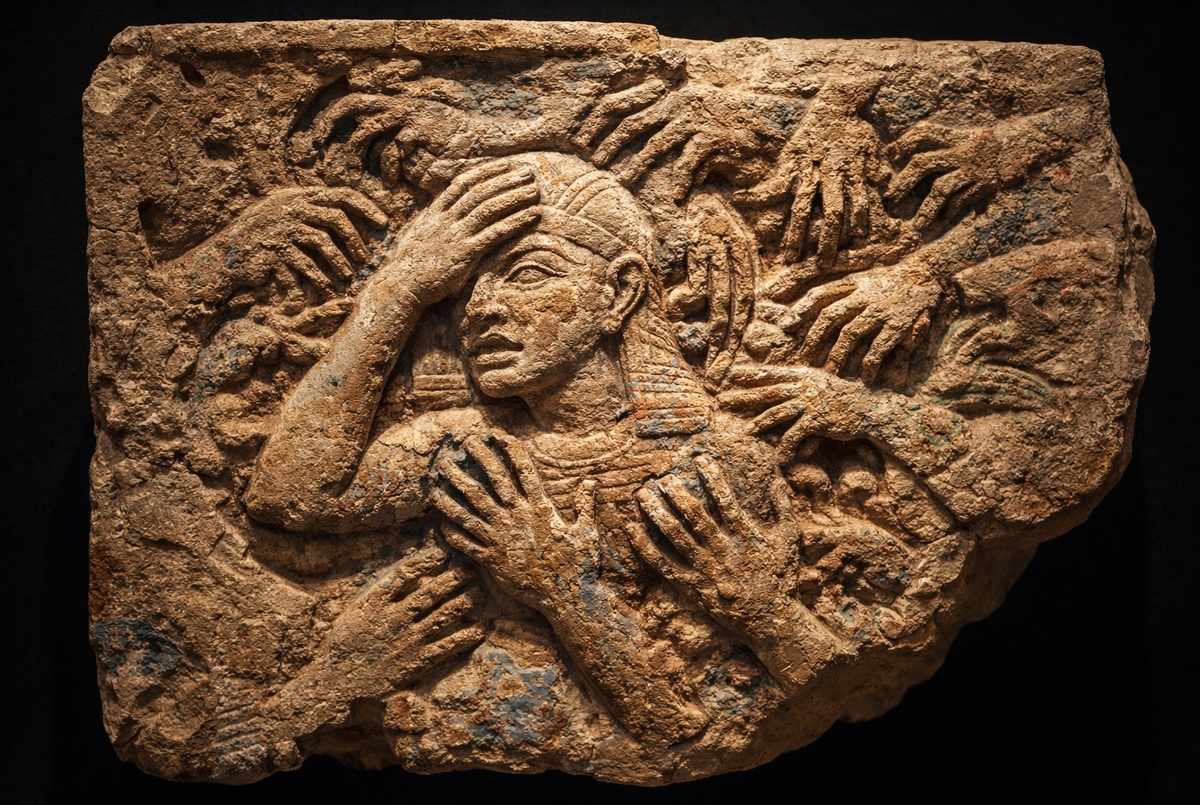
The text uses the metaphor of prostitution to describe the soul’s fallen condition. This imagery is deliberately strong and can be difficult for modern readers. It draws on prophetic traditions where unfaithfulness to God is described through the language of sexual betrayal.
In The Exegesis on the Soul, the metaphor means that the soul gives itself away to many false lovers: passions, desires, powers, pleasures, fears and attachments that cannot truly love or restore it.
The point is not to shame sexuality or women. The point is to show spiritual fragmentation. The soul was made for union with its true source, but becomes dispersed among lesser objects. It confuses use for love, appetite for communion, and possession for belonging.
Read carefully, the metaphor is not about social judgement. It is about spiritual alienation. The soul is exploited because it has forgotten its dignity. Its restoration begins when it remembers that it was never meant to be consumed by what cannot know it.
Reading Note: The prostitution imagery is allegorical. It symbolises the soul’s dispersal among false attachments and its forgetting of divine origin. It should not be read as literal sexual condemnation.
Exile, Forgetting and Spiritual Hunger
The fallen soul enters exile. It forgets the Father, forgets the original dwelling, and forgets the glory from which it came. This forgetting is the real wound at the centre of the text.
The soul is then described as hungry, wandering and impoverished. It seeks bread, but the bread it finds does not satisfy. It looks outward for what can only be restored inwardly and spiritually.
This is where the text becomes intensely modern. The soul’s condition resembles the endless search for fulfilment through external things: status, consumption, distraction, approval, pleasure, power, or escape. None of these is evil in every form, but none can replace the lost centre.
For the Exegesis, the soul’s poverty is not its true nature. It is the effect of forgetting. The soul lives as a beggar while belonging to a hidden inheritance.
The Letter from the Father
The turning point comes when the Father sends a letter. The letter is the call to remember. It breaks through the soul’s confusion and invites her to return to her true bridegroom.
This letter is one of the most beautiful images in the text. Salvation begins as communication from the forgotten source. The divine does not abandon the soul to exile. It sends a word across the distance.
The letter does not merely accuse. It calls. It reveals that the soul still belongs elsewhere, still has a true partner, still has a home beyond the brothel of scattered existence.
The image also shows that awakening is not only self-effort. The soul turns back, but the call comes first. Grace arrives as memory’s spark, a message from the place the soul had forgotten.

Repentance as Turning Back
When the soul receives the letter, it grieves, turns away from the false lovers, and begins to seek the true bridegroom. This is repentance in the deepest sense: not self-hatred, but turning back towards reality.
The Greek word often behind repentance, metanoia, means a change of mind or change of orientation. In this text, repentance is the soul remembering its true direction.
The grief matters. The soul mourns because it recognises how far it has wandered. But grief is not the end. It becomes the beginning of return.
Repentance is therefore not presented as punishment. It is the re-gathering of attention. The soul stops giving itself to what fragments it and begins to move towards what heals it.
Primary Source Theme: The Father’s letter awakens the soul to remembrance. The soul’s repentance is a turning away from scattered attachments and a turning back towards the true bridegroom.
The Bridal Chamber and Restoration
The climax of the text is the restoration of the soul in the bridal chamber. The soul returns to the true bridegroom, puts on the bridal garment, and enters joy.
The bridal chamber is a major symbol in several Nag Hammadi texts, especially the Gospel of Philip. It represents union, restoration, completion and the healing of division.
In The Exegesis on the Soul, the bride is the soul and the bridegroom is spirit. Their union is not ordinary marriage. It is the restoration of the soul’s original wholeness, the reunion of what was divided by fall and exile.
The bridal garment symbolises recovered dignity. The soul that had forgotten itself is clothed again in its true identity. The return is not merely pardon. It is re-ennobling.

Biblical Interpretation and Prophetic Imagery
The Exegesis on the Soul draws heavily on biblical language, especially prophetic imagery of adultery, exile, return and restoration. Texts such as Hosea, Jeremiah and Ezekiel provide much of the symbolic vocabulary.
In the prophetic texts, marital unfaithfulness often symbolises Israel’s turning away from God. In the Exegesis, this collective image becomes interior. The soul itself becomes the unfaithful bride, the exiled daughter and the one called back to union.
This is Gnostic exegesis at work. Scripture is not discarded. It is reread as a map of the soul’s condition. Historical and prophetic images are interpreted psychologically and spiritually.
This method helps explain the title. An “exegesis” is an interpretation. The text is not only telling a story about the soul. It is showing how scripture can be read as the soul’s own hidden autobiography.
Androgyny, Marriage and Spiritual Unity
The text’s language of androgyny and marriage points towards spiritual unity. The soul begins in wholeness, falls into division, and is restored through union with the bridegroom.
Androgyny here does not mean the erasure of all difference in a flat sense. It means the healing of inner division. The soul is no longer split, scattered or alienated from its own higher counterpart.
The marriage symbol expresses this healing. What was separated is reunited. What was dispersed is gathered. What was ashamed is clothed. What was hungry is welcomed into joy.
This makes the text profoundly relational. Salvation is not described as a legal acquittal or intellectual achievement alone. It is intimacy restored between soul and spirit.
Spiritual Psychology and Modern Reading
The Exegesis on the Soul can be read as ancient spiritual psychology. Its themes of forgetting, dispersion, false attachment, grief, awakening and return remain recognisable even outside the ancient mythic world.
The false lovers can be read as anything that captures the soul’s attention while failing to restore its centre. These may include compulsions, distractions, addictions, status games, resentment, performative identities or endless consumption.
This does not mean the text should be reduced to modern therapy. It is an ancient religious allegory. But its insight into fragmentation is real. A person can live scattered across many desires while forgetting the deeper self that desires wholeness.
The text’s cure is remembrance. The soul must hear the call, grieve the dispersal, turn back, and recover its true relation to spirit.
How ZenithEye Reads This
The Exegesis on the Soul is not a diagram of the heavens. It is a mirror held to the interior life. Its real question is not “where is the soul located?” but “what has the soul given itself to, and what would it mean to return?”
In this reading, the bridal chamber is the recovery of centre. The soul stops living as a scattered echo and remembers itself as a participant in spirit.
Reading the Exegesis Today
Modern readers should approach The Exegesis on the Soul with both openness and caution. Its imagery is ancient, intense and sometimes uncomfortable. Its sexual metaphors belong to a symbolic world that does not map neatly onto modern assumptions.
Read as allegory, the text becomes a profound meditation on fragmentation and return. It asks what happens when the soul forgets itself, gives itself away, and becomes hungry among things that cannot nourish it.
It also offers hope. The soul is not abandoned. A letter comes. A call is heard. The bridegroom remains. The bridal chamber is not destroyed by exile.
The final message is luminous: the soul may forget its origin, but origin does not forget the soul. The path home begins when the scattered self hears the old letter rustling beneath the door.
Safety Notice: This article explores symbolic, historical and spiritual ideas about sexual metaphor, spiritual defilement, exile, longing, restoration, inner fragmentation and sacred union. It is intended for grounded study of ancient texts, not as medical, psychological, legal or spiritual advice. If themes of sexual imagery, shame, trauma, addiction, identity or spiritual distress become upsetting or destabilising, please seek support from a qualified mental health professional, trusted support service or appropriate emergency service.
Frequently Asked Questions
What is the Exegesis on the Soul?
The Exegesis on the Soul is an allegorical Nag Hammadi text preserved in Codex II,6. It interprets the soul as a fallen bride who forgets her divine origin, becomes scattered among false attachments, receives a call from the Father and returns to the true bridegroom.
What does the prostitution metaphor mean in the Exegesis on the Soul?
The prostitution metaphor symbolises the soul’s dispersion among false attachments, passions and desires. It should be read as spiritual allegory, not as literal sexual condemnation or judgement against women.
What is the bridal chamber in the Exegesis on the Soul?
The bridal chamber symbolises spiritual restoration, sacred union and the healing of the soul’s division. In the text, the bride is the soul and the bridegroom is spirit, so the marriage represents the reunion of soul and spirit.
What does androgynous mean in the Exegesis on the Soul?
Androgynous refers to the soul’s original wholeness before division. It does not mean the absence of all difference, but a state of spiritual completeness in which the soul is not scattered, split or alienated from itself.
What is the letter from the Father?
The letter from the Father is the call to remembrance. It reaches the soul in exile, reminds her of her true origin and invites her to return to the true bridegroom. It represents grace, awakening and spiritual memory.
How does the Exegesis on the Soul use the Bible?
The text draws on prophetic imagery from the Hebrew Bible, especially themes of marital unfaithfulness, exile and return. It reads these images allegorically as descriptions of the soul’s fall, forgetting and restoration.
Is the Exegesis on the Soul a cosmological text?
Not in the same way as the Apocryphon of John or On the Origin of the World. The Exegesis on the Soul is more psychological and allegorical. It turns the Gnostic drama inward, focusing on the soul’s condition and restoration.
How should modern readers approach the Exegesis on the Soul?
Modern readers should approach the text as ancient spiritual allegory. Its intense sexual and bridal imagery should be read symbolically, with care. Its central themes are forgetting, fragmentation, longing, remembrance and restoration.
Further Reading
Continue through the related soul, bridal chamber and Codex II source layer:
- The Gospel of Philip: the bridal chamber, sacrament, union and restoration in Valentinian tradition.
- On the Origin of the World: the wider cosmological setting of fall, creation and restoration in Codex II.
- The Apocryphon of John: the foundational Sethian creation myth and divine spark anthropology.
- Trimorphic Protennoia: divine voice, descent and restoration in Sethian revelation.
- Thunder: Perfect Mind: feminine divine voice, paradox and sacred identity.
- The Gospel of Mary: the soul’s ascent, inner powers and visionary teaching.
- Authoritative Teaching: another Nag Hammadi text focused on the soul’s descent and return.
- The Feminine Divine in the Nag Hammadi Library: Sophia, Eve, Norea, Protennoia, Thunder and feminine spiritual agency.
- Codex II: the wider manuscript context of The Exegesis on the Soul, Thomas, Philip, the Apocryphon and On the Origin of the World.
- Nag Hammadi Library: Complete Guide to the Gnostic Scriptures: the broader archive guide to the codices, tractates and traditions.
References and Sources
The following sources support the historical, textual and interpretive claims made in this article.
Primary Sources and Critical Editions
- The Exegesis on the Soul. Nag Hammadi Codex II,6.
- The Gospel of Philip. Nag Hammadi Codex II,3.
- On the Origin of the World. Nag Hammadi Codex II,5 and XIII,2.
- Robinson, James M., ed. The Nag Hammadi Library in English. Harper & Row / HarperSanFrancisco, revised editions.
- Meyer, Marvin, ed. The Nag Hammadi Scriptures. HarperOne, 2007.
- Layton, Bentley. The Gnostic Scriptures. Doubleday, 1987.
- Peel, Malcolm L. Studies and translations of The Exegesis on the Soul in the Coptic Gnostic Library tradition.
Scholarly Monographs and Studies
- King, Karen L. What Is Gnosticism?. Harvard University Press, 2003.
- Brakke, David. The Gnostics: Myth, Ritual, and Diversity in Early Christianity. Harvard University Press, 2010.
- Buckley, Jorunn Jacobsen. Studies on the Holy Spirit, bridal imagery and feminine theology in The Exegesis on the Soul.
- McGuire, Anne. Studies on The Exegesis on the Soul, Gnostic allegory and Christian homily.
- Williams, Michael Allen. Rethinking “Gnosticism”: An Argument for Dismantling a Dubious Category. Princeton University Press, 1996.
- Pearson, Birger A. Ancient Gnosticism: Traditions and Literature. Fortress Press, 2007.
Comparative and Thematic Studies
- Meeks, Wayne A. Studies on the image of the androgyne in early Christianity.
- Pagels, Elaine. Studies on Genesis interpretation in the Gospel of Thomas, Gospel of Philip and related Nag Hammadi materials.
- van den Broek, Roelof. Studies on the theology of the bridal chamber and Gnostic religion in antiquity.
- Stroumsa, Guy G. Another Seed: Studies in Gnostic Mythology. Brill, 1984.
- DeConick, April D., Gregory Shaw and John D. Turner, eds. Practicing Gnosis: Ritual, Magic, Theurgy and Liturgy in Nag Hammadi, Manichaean and Other Late Antique Literature. Brill, 2013.
Reading Note: The Exegesis on the Soul is best read after the large Codex II creation texts. On the Origin of the World asks where the cosmos came from; The Exegesis on the Soul asks what happened to the soul inside that cosmos, and how it returns.