Marsanes: Platonizing Sethian Metaphysics
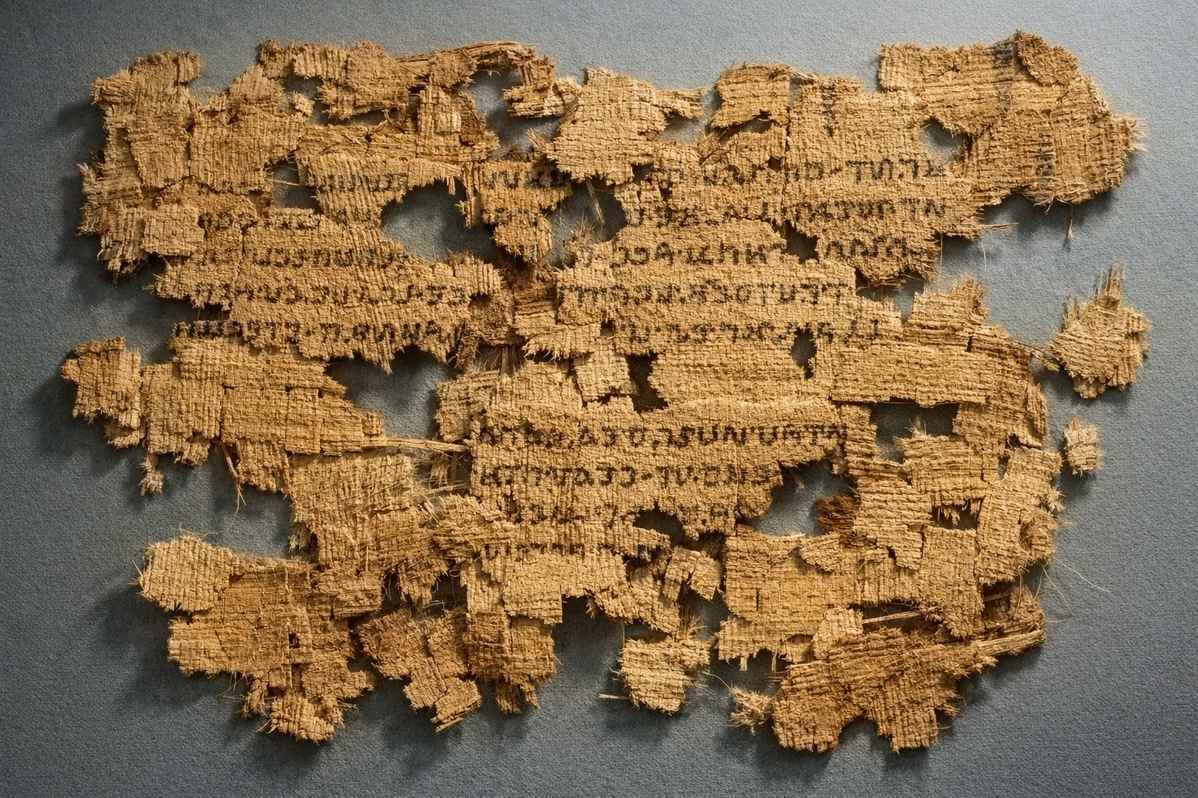
Marsanes is one of the most difficult and fragmentary texts in the Nag Hammadi Library. Preserved in Codex X, it belongs to the advanced Platonising Sethian stream, alongside Zostrianos and Allogenes.
Unlike the more narrative ascent of Zostrianos, or the apophatic discipline of Allogenes, Marsanes gives us broken glimpses of a highly technical metaphysical system. It speaks of matter, soul and spirit; ascent and return; silence and speech; the limits of knowledge; and the soul’s movement through different levels of reality.
Because the text is badly damaged, it must be read with care. We do not possess a smooth, complete treatise. What remains is more like a shattered philosophical mirror: fragments of Sethian ontology, ritual sound, sacred naming and negative theology, still catching light through the cracks.
What is Marsanes?
Marsanes is a fragmentary Platonising Sethian Gnostic text preserved in Nag Hammadi Codex X. It explores the structure of reality through matter, soul and spirit, while also using apophatic theology, sacred sound and metaphysical ascent language.
The text is important because it shows Sethian Gnosticism at its most philosophical and abstract, where myth, ritual, ontology and contemplative unknowing meet in damaged but luminous fragments.
Table of Contents
- Text and Codex Setting
- Why Marsanes Matters
- Marsanes and Platonising Sethianism
- Matter, Soul and Spirit
- Hylē: Matter and the Lower Realm
- Psychē: Soul and the Middle Realm
- Pneuma: Spirit and the Higher Realm
- Transmigration and the Journey Through Bodies
- Silence, Word and Negative Theology
- Sacred Sound, Vowels and Names
- Reading the Fragments
- Comparative Reading: Zostrianos and Allogenes
- Reading Marsanes Today
- Frequently Asked Questions
- Further Reading
- References and Sources
Text and Codex Setting
Marsanes is preserved in Nag Hammadi Codex X. The codex is badly damaged, and the text itself survives only in fragmentary condition. This makes Marsanes harder to interpret than better-preserved works such as the Apocryphon of John, Zostrianos or Allogenes.
Its fragmentary state is not a minor inconvenience. It affects everything. Arguments break off. Technical terms appear without full context. Structures can be seen only in partial outline. The reader must move carefully, resisting the temptation to turn every fragment into certainty.
Even so, what survives is remarkable. The text reveals a Sethian world deeply engaged with philosophical categories, especially the distinction between matter, soul and spirit, the ascent beyond lower realities, and the apophatic problem of how to speak about what lies beyond speech.
Codex Note: Marsanes is preserved in Nag Hammadi Codex X. Because the text is severely fragmentary, every reconstruction of its system should be treated as careful interpretation rather than complete certainty.
Why Marsanes Matters
Marsanes matters because it shows how far Sethian Gnostic thought could move into philosophical abstraction. It is not mainly concerned with retelling the fall of Sophia or describing Yaldabaoth and the archons. Instead, it explores the structure of reality itself: matter, soul, spirit, transcendence, language, silence and the soul’s movement through levels of being.
This makes it one of the key texts for understanding Platonising Sethianism. It belongs to the same advanced cluster as Zostrianos and Allogenes, but its surviving fragments suggest a special interest in ontology, sacred sound and the limits of description.
The text also matters because of its brokenness. Marsanes reminds us that the Nag Hammadi Library is not a tidy modern archive. It is a damaged survival from antiquity. Some teachings arrive whole. Others arrive as fragments, ash-lit and incomplete, asking for both scholarship and humility.
In the ZenithEye reading route, Marsanes completes the main Platonising Sethian triad: Zostrianos gives the long ascent, Allogenes gives the apophatic stranger, and Marsanes gives the fragmentary metaphysical deepening.
Marsanes and Platonising Sethianism
Platonising Sethianism refers to a group of Sethian texts that engage deeply with Platonic and later Platonic philosophical language. These works do not abandon Sethian themes, but they express them through more abstract categories: being, intellect, life, hiddenness, emanation, ascent and the ineffable source.
Marsanes belongs to this world. It shares concerns with Zostrianos and Allogenes, including the layered structure of reality, the soul’s ascent, negative theology and the relation between knowable divine levels and what lies beyond them.
This does not make Marsanes “just philosophy”. Its world remains recognisably Gnostic and Sethian. The soul must awaken, move beyond lower conditions and return towards the higher source. But the language is more technical than mythic, as if the old Gnostic fire has been passed through a philosopher’s prism.
The result is not easy reading. But it is important reading. Marsanes shows the Sethian tradition thinking at the edge of language, where myth becomes ontology and spiritual ascent becomes metaphysical anatomy.
Matter, Soul and Spirit
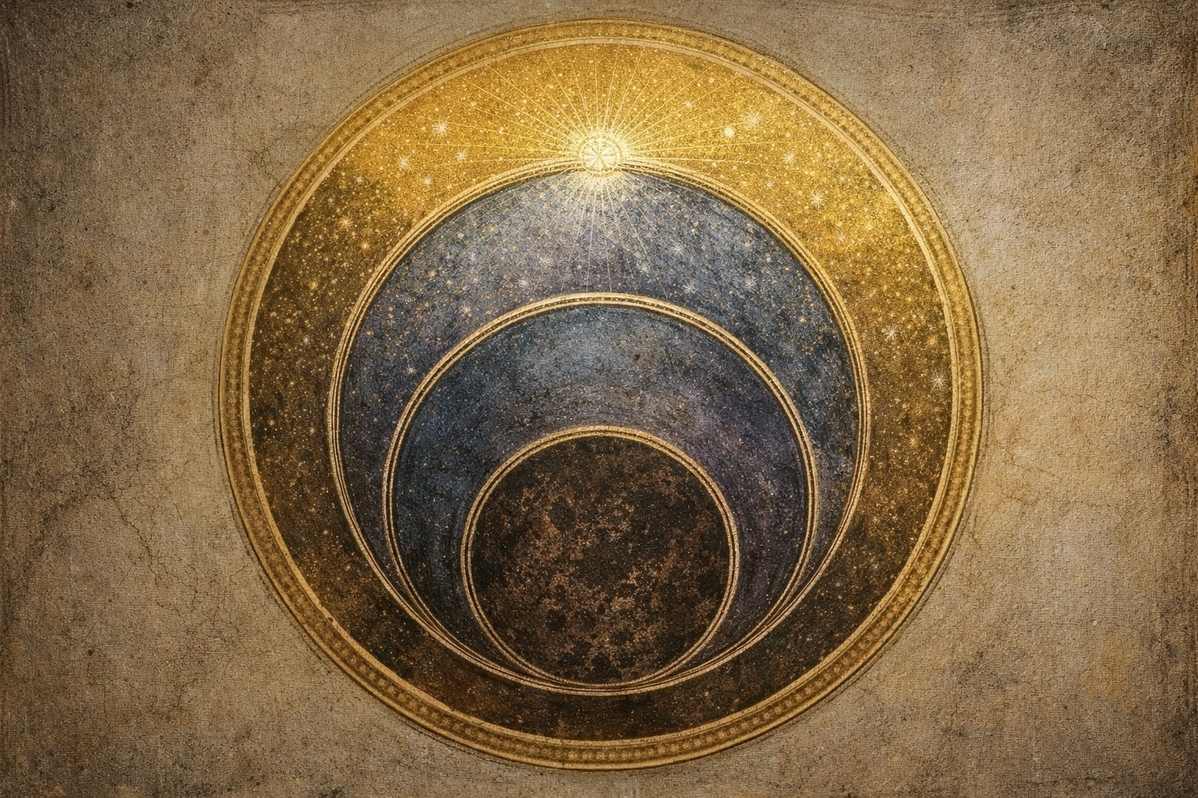
One of the central themes in Marsanes is the distinction between three levels or substances: matter, soul and spirit. These can be understood through the Greek terms hylē, psychē and pneuma.
This tripartite structure is not merely a tidy chart. It is a spiritual anthropology and cosmology. It asks what kind of reality the human being participates in, and how the soul moves from lower entanglement towards higher recognition.
Matter is the realm of density and change. Soul is the intermediate realm of movement, choice, mixture and transformation. Spirit is the higher realm of luminous knowing and stability. The journey of the soul is the movement from confusion among lower conditions towards restoration in spirit.
Modern readers should avoid turning this into contempt for the body or a simplistic hierarchy of “bad matter, good spirit”. The ancient text is more subtle. It distinguishes levels of reality in order to understand transformation, not to create a crude hatred of existence.
Primary Source Theme: Marsanes distinguishes matter, soul and spirit as levels of reality and transformation. The surviving fragments suggest a careful concern with how the soul moves through and beyond these levels.
Hylē: Matter and the Lower Realm
Hylē means matter. In many Gnostic systems, matter is associated with instability, limitation, change and the lower cosmic order. In Marsanes, the material level appears as the densest and least luminous realm, the place where spirit becomes most obscured.
This does not mean the body should be despised in a reckless or unhealthy way. It means that matter, in the text’s symbolic world, cannot provide final identity. The material realm is real as experience, but it is not ultimate as origin.
The lower realm is the place of entanglement. The soul becomes bound to processes that change, decay and distract. It forgets the higher source and identifies with what is passing.
The work of ascent begins when the soul recognises that matter is not the whole story. The material realm is encountered, known and passed through, but not worshipped as final.
Psychē: Soul and the Middle Realm
Psychē means soul. In the tripartite structure, soul occupies the middle. It is neither mere matter nor pure spirit. It is the realm of movement, feeling, thought, desire, choice and transformation.
This middle condition is important because it is unstable in both directions. The soul can sink into identification with the lower realm, or it can turn towards spirit. It is the theatre of decision, the place where gnosis can either be ignored or awakened.
In this sense, the soul is a crossing point. It carries the marks of the lower world, but it can also receive the call of the higher. It is the hinge between forgetfulness and recognition.
Marsanes appears to treat this middle realm with serious attention. The soul is not dismissed. It is the field where transformation becomes possible, the chamber where the lower and higher currents meet.
Pneuma: Spirit and the Higher Realm
Pneuma means spirit. In Gnostic language, it often refers to the divine or luminous element in the human being, the part that belongs to a higher source than the material cosmos.
In Marsanes, spirit is the highest of the three levels. It is associated with stability, knowledge and the realm beyond ordinary mixture. Spirit does not merely improve the soul. It reveals the soul’s true orientation towards the divine.
The movement from matter through soul to spirit is therefore not just moral progress. It is ontological awakening. The person comes to know what kind of reality they most deeply belong to.
Spirit is not a vague mood of uplift. It is the higher mode of being in which true knowledge becomes possible. The soul ascends by learning to recognise and participate in this higher reality.
Transmigration and the Journey Through Bodies
Marsanes also gestures towards transmigration, the movement of the soul through different forms or bodies. Because the text is fragmentary, this theme must be handled carefully. We should not overbuild a complete system from partial evidence.
Still, the surviving material suggests a vision in which the soul passes through different conditions of experience. It encounters many levels, learns through them, and eventually turns back towards ascent.
This differs from a simple escape model. The lower realms are not merely skipped. They are known, endured and transcended. The soul’s journey involves experience, recognition and release.
In symbolic terms, transmigration expresses the soul’s long education. The spirit descends into experience, but it is not meant to remain scattered there forever. The path bends back towards recollection.
Reading Note: Marsanes should not be treated as a simple manual of reincarnation. Its transmigration language is fragmentary and philosophical. It points towards the soul’s movement through levels of experience and eventual return.
Silence, Word and Negative Theology
A major theme in Marsanes is the tension between silence and word. The highest reality cannot be captured by ordinary speech, yet the text must still speak in order to guide the reader towards what lies beyond speech.
This is the classic problem of apophatic theology. The divine source is not this, not that, not light in the ordinary sense, not darkness in the ordinary sense, not life or death as lower thought understands them. Every category fails.
But the failure is instructive. By removing inadequate concepts, the text points beyond them. Silence is not emptiness. It is a higher mode of reverence before what cannot be reduced to language.
Marsanes therefore belongs beside Allogenes in the apophatic current of Sethian thought. Both texts teach that the highest source cannot be possessed by the mind. The soul must be refined until it can stand before the hidden source without trying to shrink it into a definition.
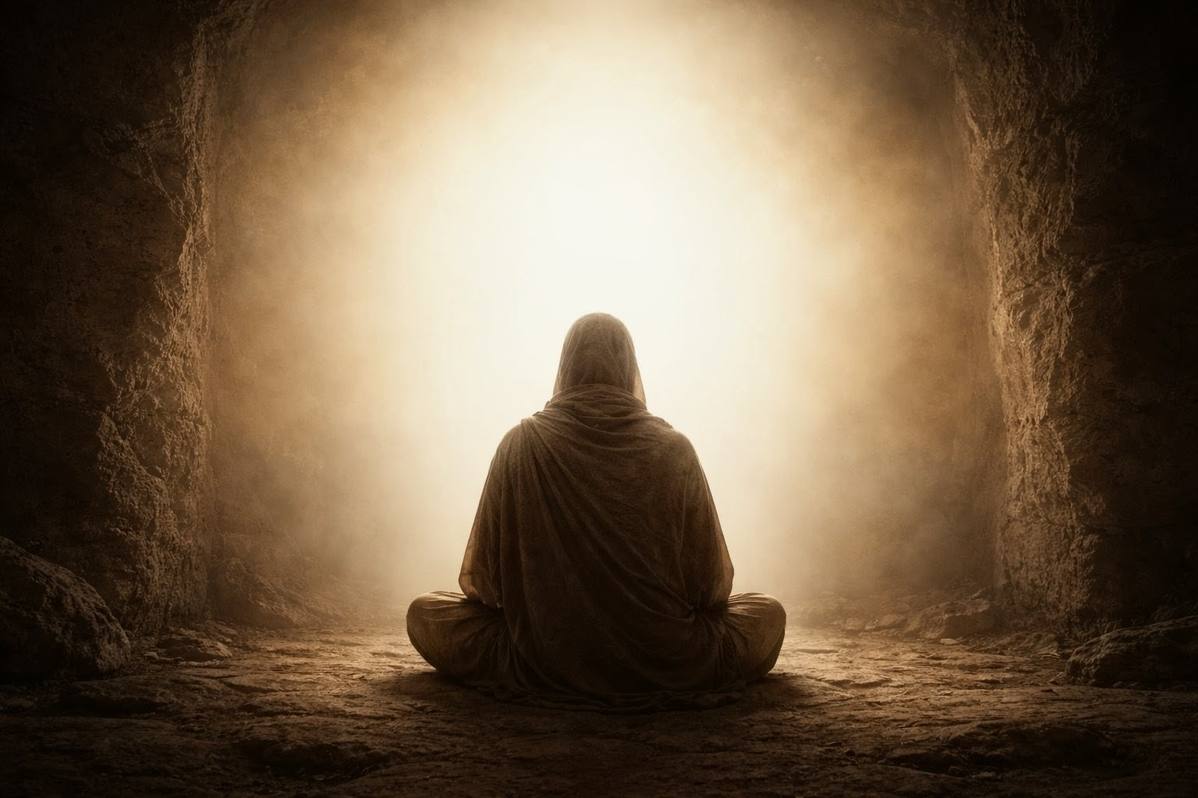
Sacred Sound, Vowels and Names
Marsanes is also associated with sacred sound, names and vowel material. This places it within a wider late antique world where divine names, vocalisation and sacred letters were understood as more than ordinary language.
In many ancient ritual and contemplative traditions, vowels could function as sounds of ascent, praise, invocation or symbolic alignment with divine order. They were not simply decorative syllables. They could mark the boundary between speech and contemplative vibration, between naming and the silence beyond names.
Because the surviving text is fragmentary, we should avoid pretending that every sound sequence can be fully decoded. The safer reading is that Marsanes preserves a world in which metaphysics, ritual sound and contemplative ascent were closely connected.
This matters because it prevents us from reducing the text to dry philosophy. Marsanes may be abstract, but it is not sterile. Its thought has breath, sound and liturgical residue clinging to the fragments.
Source Note: Sacred sounds, names and vowels in Marsanes should be treated as part of late antique ritual and contemplative language. The damaged state of the text means interpretation must remain cautious.
Reading the Fragments
Reading Marsanes means reading fragments. This requires a different kind of attention from reading a complete narrative. The gaps are not decorations. They are part of the experience of the text.
Some fragments preserve ontological distinctions. Others preserve apophatic statements. Others hint at ascent, transformation, soul movement, sacred sound and divine hiddenness. We can see the architecture, but not every corridor remains intact.
This makes humility essential. The reader should not force the fragments into a false completeness. Better to read them as surviving windows into a larger system: partial, damaged, but still rich enough to show the intellectual intensity of the tradition.
In this way, Marsanes becomes a lesson in transmission itself. Ancient wisdom rarely reaches us as a polished museum object. Sometimes it comes as scorched parchment and broken grammar, still whispering through the dust.
Comparative Reading: Zostrianos and Allogenes
Marsanes should be read beside Zostrianos and Allogenes. Together, these texts form the main Platonising Sethian cluster in the Nag Hammadi Library.
Zostrianos gives the long visionary ascent through aeons, baptisms and higher realities. Allogenes refines the ascent into apophatic contemplation of the Unknowable One. Marsanes gives us a more fragmentary but intensely philosophical concern with matter, soul, spirit, silence and transcendence.
All three texts show the Sethian tradition moving beyond mythic narration into technical metaphysics. They do not abandon the older mythic world, but they translate it into a different register, one shaped by Platonic categories and contemplative discipline.
For readers, the best sequence is to read the Apocryphon of John first, then the Five Seals and Trimorphic Protennoia, then Zostrianos, Allogenes and finally Marsanes. The path moves from myth to ritual, from ritual to ascent, and from ascent to metaphysical silence.

Reading Marsanes Today
Read Marsanes slowly and without demanding immediate clarity. It is not a beginner’s text. Its fragmentary condition and philosophical vocabulary make it one of the more challenging Nag Hammadi works.
Its modern value lies partly in its precision. In a world where spiritual language can become soft mist, Marsanes insists on distinctions: matter is not soul, soul is not spirit, and the hidden source is not any concept we use to approach it.
At the same time, the text resists dry system-building. Its silence, sacred sound and apophatic gestures remind us that the highest cannot be trapped in diagrams. Ontology must end in reverence, or it becomes another clever cage.
The best way to approach Marsanes is as damaged high-altitude theology. It is incomplete, but not empty. It is difficult, but not dead. Its fragments still speak of the soul’s passage through matter, soul and spirit towards a source that can only be approached when language learns to kneel.
Safety Notice: This article explores symbolic, historical and spiritual ideas about ascent, transmigration, hidden divinity, sacred sound, spiritual identity and levels of reality. It is intended for grounded study of ancient texts, not as medical, psychological, legal or spiritual advice. If ideas about cosmic systems, spiritual ascent, hidden powers or personal identity become distressing, obsessive or destabilising, please seek support from a qualified mental health professional or appropriate emergency service.
Frequently Asked Questions
What is Marsanes?
Marsanes is a fragmentary Platonising Sethian Gnostic text preserved in Nag Hammadi Codex X. It explores matter, soul and spirit, apophatic theology, sacred sound, ascent and the limits of language before the hidden divine source.
Where is Marsanes found in the Nag Hammadi Library?
Marsanes is preserved in Nag Hammadi Codex X. The codex is badly damaged, and the text survives only in fragmentary condition, which makes interpretation difficult and requires caution.
Why is Marsanes difficult to read?
Marsanes is difficult because the manuscript is fragmentary and the surviving material uses advanced philosophical and apophatic language. It assumes familiarity with Sethian thought, Platonising metaphysics and the symbolic language of ascent.
What are matter, soul and spirit in Marsanes?
Marsanes appears to distinguish three levels or substances: hylē, meaning matter; psychē, meaning soul; and pneuma, meaning spirit. These describe a hierarchy of reality and transformation, from lower density through the middle realm of soul towards higher spiritual being.
Does Marsanes teach transmigration of souls?
Marsanes includes fragmentary material associated with the soul’s movement through different bodies or levels of experience. Because the text is damaged, it should not be treated as a complete manual of reincarnation, but it does suggest a concern with descent, experience, return and ascent.
What is negative theology in Marsanes?
Negative theology, or apophatic theology, approaches the divine by saying what it is not. Marsanes uses this kind of language to point beyond ordinary categories such as light and darkness, speech and silence, life and death, towards a source beyond conceptual grasp.
How is Marsanes related to Zostrianos and Allogenes?
Marsanes, Zostrianos and Allogenes are usually grouped as Platonising Sethian texts. Zostrianos gives the long ascent, Allogenes focuses on apophatic approach to the Unknowable One, and Marsanes offers fragmentary but sophisticated reflections on ontology, sacred sound and transcendence.
How should modern readers approach Marsanes?
Modern readers should approach Marsanes slowly, historically and cautiously. It is best read after foundational Sethian texts and after Zostrianos and Allogenes. Its value lies in its fragmentary but powerful vision of matter, soul, spirit and the silence beyond speech.
Further Reading
Continue through the related Platonising Sethian and Nag Hammadi source layer:
- Allogenes: the companion apophatic ascent text focused on the Unknowable One and the Triple-Powered One.
- Zostrianos: the long visionary ascent through aeons, baptisms and higher divine realities.
- The Five Seals: ritual-symbolic background for Sethian sealing, baptism and restoration.
- The Apocryphon of John: the foundational Sethian mythic map of Barbelo, Sophia, Yaldabaoth and the archons.
- Trimorphic Protennoia: the threefold descent of First Thought and the divine voice of restoration.
- The Three Steles of Seth: Sethian hymns of praise and ascent centred on the immovable race.
- Ascent Literature in the Nag Hammadi Library: the wider context of heavenly ascent, archons and spiritual passage.
- Reality of the Archons: the classic Sethian text on lower cosmic rulers and spiritual liberation.
- Gnostic Schools: a comparative overview of Sethian, Valentinian, Hermetic and related currents.
- Nag Hammadi Library: Complete Guide to the Gnostic Scriptures: the broader archive guide to the codices, tractates and traditions.
References and Sources
The following sources support the historical, textual and interpretive claims made in this article.
Primary Sources and Critical Editions
- Marsanes. Nag Hammadi Codex X.
- Robinson, James M., ed. The Nag Hammadi Library in English. Harper & Row / HarperSanFrancisco, revised editions.
- Meyer, Marvin, ed. The Nag Hammadi Scriptures. HarperOne, 2007.
- Layton, Bentley. The Gnostic Scriptures. Doubleday, 1987.
- Critical editions and studies of Nag Hammadi Codex X in the Coptic Gnostic Library tradition.
Scholarly Monographs and Studies
- Turner, John D. Sethian Gnosticism and the Platonic Tradition. Presses de l’Université Laval, 2001.
- Burns, Dylan M. Apocalypse of the Alien God: Platonism and the Exile of Sethian Gnosticism. University of Pennsylvania Press, 2014.
- Brakke, David. The Gnostics: Myth, Ritual, and Diversity in Early Christianity. Harvard University Press, 2010.
- King, Karen L. What Is Gnosticism? Harvard University Press, 2003.
- Logan, Alastair H. B. Gnostic Truth and Christian Heresy. T&T Clark, 1996.
- Williams, Michael Allen. Rethinking “Gnosticism”: An Argument for Dismantling a Dubious Category. Princeton University Press, 1996.
Comparative and Thematic Studies
- Corrigan, Kevin. Studies on matter, soul and later Platonism in relation to Gnostic thought.
- Rasimus, Tuomas. Paradise Reconsidered in Gnostic Mythmaking. Brill, 2009.
- DeConick, April D., Gregory Shaw and John D. Turner, eds. Practicing Gnosis: Ritual, Magic, Theurgy and Liturgy in Nag Hammadi, Manichaean and Other Late Antique Literature. Brill, 2013.
- Shaw, Gregory. Theurgy and the Soul: The Neoplatonism of Iamblichus. Pennsylvania State University Press, 1995.
- van den Broek, Roelof. Gnostic Religion in Antiquity. Cambridge University Press, 2013.
Reading Note: Marsanes is best read after Zostrianos and Allogenes. Zostrianos gives the long ascent, Allogenes gives the apophatic stranger, and Marsanes gives the fragmentary metaphysical edge of the Platonising Sethian tradition.