The Complete Nag Hammadi Reading Order: All 46 Tractates
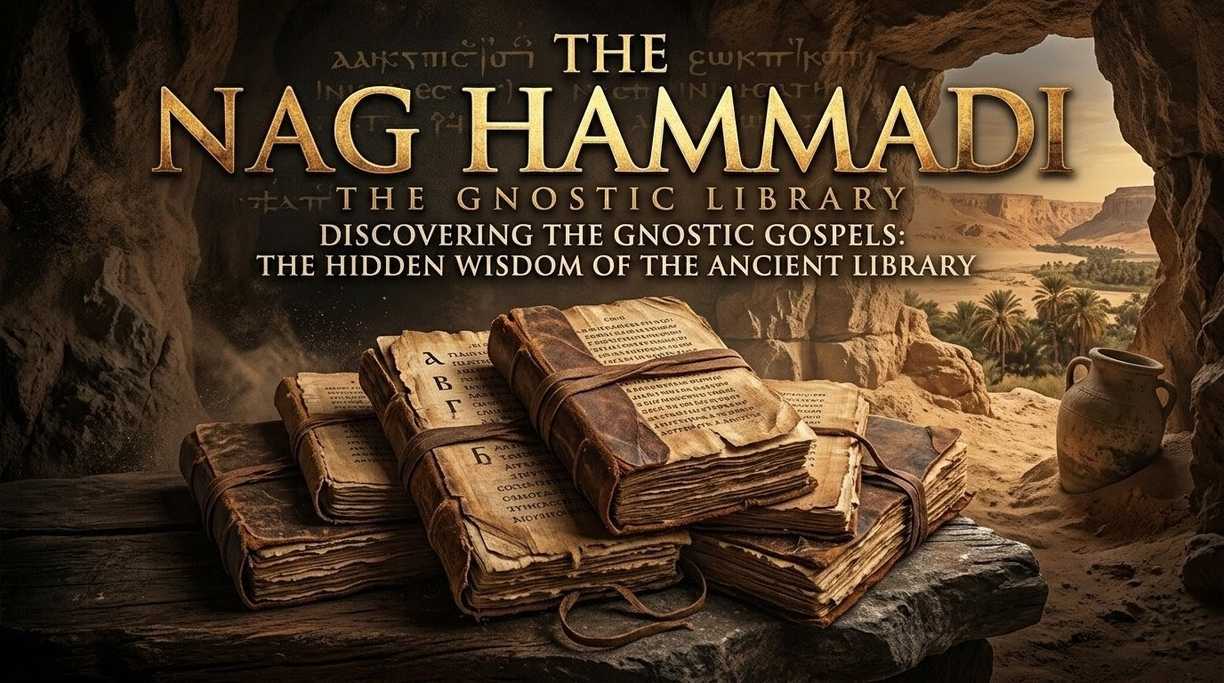
The Nag Hammadi Library presents the modern seeker with an administrative paradox: forty-six distinct personnel files concerning the nature of reality, buried together in a sealed archive circa 400 CE, now requiring a navigational protocol that the original curators never provided. Discovered in December 1945 near the Egyptian town of Nag Hammadi, this collection of Coptic translations represents the largest surviving corpus of Gnostic literature—a counter-archive to the orthodox bureaucracy that sought to monopolise Christian identity. The challenge facing contemporary readers is not merely accessing these texts but organising them into coherent reading pathways that honour both scholarly taxonomy and the inner imperative that draws one to these desert manuscripts.
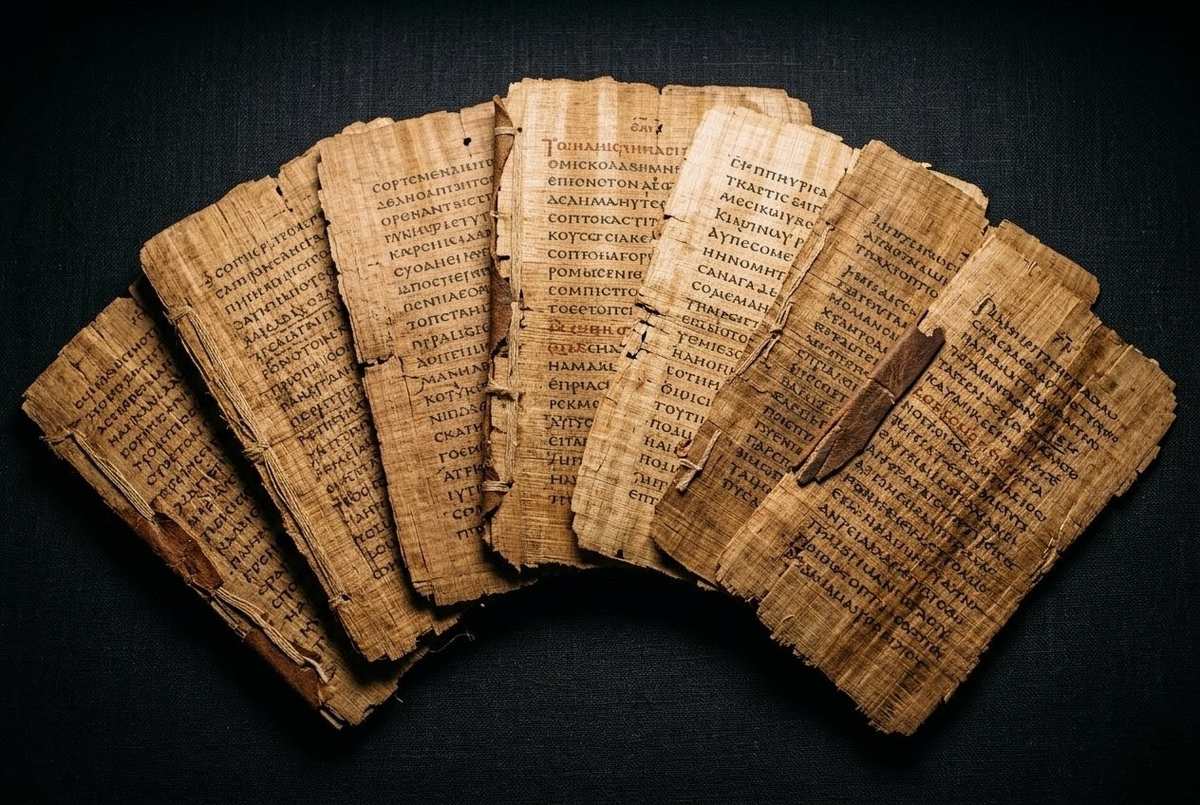
Unlike the canonical Bible, which arrived pre-sorted into authorised volumes, the Nag Hammadi collection requires active curatorial intervention. The ancient compilers organised the texts into thirteen leather-bound codices (designated I through XIII), but this archival arrangement follows scribal availability and codicological accident rather than thematic logic or initiatory sequence. The duplicates tell the story: the Apocryphon of John appears in three versions across Codices II, III, and IV; Eugnostos the Blessed occupies two slots; Gospel of Truth and On the Origin of the World each claim double filing. This is not editorial redundancy but archival reality—a library assembled from whatever manuscripts survived the heresy hunters, hastily buried to escape the Theodosian decrees that criminalised heterodox Christianity.

Table of Contents
- What is the Complete Nag Hammadi Reading Order?
- Codex I: The Jung Codex
- Codex II: The Crown Jewels
- Codices III, IV & V: Sethian Foundations
- Codex VI: Hermetic Connections
- Codices VII & VIII: Ascent Literature
- Codices IX, X & XI: Technical Treatises
- Codices XII & XIII: Valentinian Archives
- Suggested Reading Paths
- Frequently Asked Questions
- Further Reading
- References and Sources
What is the Complete Nag Hammadi Reading Order?
The Reading Order Defined
The Complete Nag Hammadi Reading Order is a curatorial framework for approaching the forty-six tractates (treatises) contained in the thirteen Coptic codices discovered near Nag Hammadi, Egypt, in 1945. Unlike the canonical Bible, these texts require active organisational intervention—they were buried hastily without editorial oversight, representing diverse traditions (Sethian, Valentinian, Hermetic, and Thomasine) that modern readers must navigate through intentional pathways.
The standard academic arrangement follows the physical codices (I-XIII), but this guide offers additional thematic and initiatory sequences: the Seeker’s Path (accessibility), the Academic Path (scholarly priority), and the Mystical Path (contemplative focus). Each pathway honours the material reality of the discovery while recognising that the ancient compilers filed texts by scribal availability rather than logical progression.
The forty-six tractates represent not a canon but a contingency plan—a snapshot of heterodox Christianity at the moment of its suppression. The standard reading order follows the archaeological reality: Codex I (the “Jung Codex,” smuggled to Switzerland and only recovered after legal disputes), Codex II (containing the most famous texts), through Codex XIII (which contains only two tractates due to damage). This arrangement preserves the integrity of the physical books but requires readers to jump between radically different theological systems—from Valentinian meditations to Sethian ascent narratives to Hermetic philosophical dialogues—often within the same codex.
Primary Source Citation: Robinson, J.M. (1977). The Nag Hammadi Library in English, p. 1: “The Nag Hammadi Library is a collection of thirteen codices containing fifty-two tractates… Forty-six of these are distinct works, while six are duplicates.” [1]
Codex I: The Jung Codex (Askew Codex)
Codex I, also known as the Jung Codex after its complicated history involving the Swiss psychoanalyst, contains five tractates representing primarily Valentinian theology. This is the scholar’s entry point and the diplomat’s dossier—texts that operate within recognisable Christian frameworks while offering alternative administrative charts of reality.
- Prayer of the Apostle Paul — A brief invocation, possibly used as ritual preamble. This opening text suggests the codex served liturgical functions, offering a blessing before the heavier theological lifting.
- Apocryphon of James — Secret teachings of Jesus to James and Peter, featuring dialogues on suffering and secret knowledge. Establishes the apostolic secrecy motif that runs through the collection.
- Gospel of Truth — Valentinian meditation on the error of separation (horasis) and the joy of recognition. Possibly authored by Valentinus himself; represents the poetic peak of Valentinian theology.
- Treatise on the Resurrection — A letter to Rheginus explaining spiritual resurrection (anastasis) as already accomplished. Valentinian soteriology in epistolary form.
- Tripartite Tractate — Valentinian cosmogony and anthropology in systematic form. The most extensive Valentinian treatise, covering the Pleroma, the fall of Sophia, and the three classes of humanity.
Codex II: The Crown Jewels
Codex II contains the most celebrated texts of the entire collection—the “crown jewels” that have defined popular understanding of Gnosticism. If you read nothing else, read this codex. It offers the foundational myths, the secret sayings, and the sacramental theology that have made the Nag Hammadi Library famous.
- Apocryphon of John — The Sethian creation myth and archon narrative. The definitive account of Sophia’s fall, Yaldabaoth’s birth, and the rescue of the divine spark. Essential for understanding the “hostile jurisdiction” of the material world.
- Gospel of Thomas — 114 secret sayings (logia) of the living Jesus. The most accessible entry point; Thomasine Christianity stripped of narrative framework, offering direct recognition (gnosis) through the master’s voice.
- Gospel of Philip — Valentinian sacramental theology, focusing on the nymphōn (bridal chamber) as the locus of spiritual union. Contains the famous passage: “The Lord did everything in a mystery.”
- Hypostasis of the Archons — The reality (hypostasis) of the rulers and Sophia’s rescue of Eve. Sethian cosmology with feminist theological elements.
- On the Origin of the World — Alternative creation myth with Ophite and Sethian parallels. A “second opinion” on cosmogony, offering different administrative details on the archonic bureaucracy.
- Exegesis on the Soul — Allegory of the soul’s fall into prostitution and return through repentance. Combines Platonic psychology with Jewish-Christian imagery.
- Book of Thomas the Contender — Dialogue between Jesus (as Thomas’s twin) and Thomas on the soul’s journey. Thomasine asceticism in dramatic form.
Primary Source Citation: NHC II,2 77:2-3 (Gospel of Thomas, Prologue): “These are the secret words which the living Jesus spoke, and which Didymos Judas Thomas wrote down.” [2]
Codices III, IV & V: Sethian Foundations
These codices contain multiple versions of key texts and significant Sethian apocalyptic literature. The duplicates matter: three versions of the Apocryphon of John and two of Eugnostos suggest these were “required reading” for the community, their repetition ensuring survival of crucial administrative protocols.
Codex III (Sethian Cosmology)
- Apocryphon of John (second copy) — Longer version with additional archonic details
- Gospel of the Egyptians — Sethian text on the eternal realm, featuring the divine Seth
- Eugnostos the Blessed — Letter on the divine realm, bridging pagan and Christian Platonism
- Sophia of Jesus Christ — Questions and answers on cosmology, framing revelation through dialogue
- Dialogue of the Saviour — Teaching dialogue with Mary Magdalene, Matthew, and Judas prominent
Codex IV (Scholar’s Codex)
- Apocryphon of John (third copy) — Another version demonstrating the text’s canonical status
- Gospel of the Egyptians (second copy) — Parallel to Codex III, showing textual stability
Codex V (Apocalypses of James)
- Eugnostos the Blessed (second copy) — Variant of the divine letter, now Christianised
- Apocalypse of Paul — Vision of Paul’s ascent through the heavens, passing the fourth heaven’s bureaucracy
- First Apocalypse of James — Revelations to James before his martyrdom, featuring secret passwords
- Second Apocalypse of James — Further revelations to the Lord’s brother, continuing the martyrdom theme
- Apocalypse of Adam — Sethian revelation to Adam about human history, from the flood to the end times
Codex VI: Hermetic Connections
Codex VI represents the cross-departmental collaboration between Gnostic and Hermetic traditions—texts from the Egyptian wisdom tradition (prisca theologia) that share Gnostic concerns about divine mind (nous) and spiritual rebirth but operate outside Christian frameworks.
- Acts of Peter and the Twelve Apostles — Parable-like narrative on the pearl merchant, combining apostolic romance with pearl symbolism
- Thunder: Perfect Mind — Divine feminine proclamation in paradoxical “I am” statements. A aretalogy of the feminine divine.
- Authoritative Teaching — Exposition on the soul’s journey through education, combining Middle Platonic and Christian elements
- Concept of Our Great Power — Apocalypse covering three ages: the flood, the conflagration, and the final judgment
- Plato, Republic 588a-589b — Extract with Gnostic gloss on the tripartite soul, showing Platonic curriculum integration
- Discourse on the Eighth and Ninth — Hermetic dialogue on spiritual rebirth and ascent to the Ogdoad and Ennead
- Prayer of Thanksgiving — Hermetic thanksgiving prayer, likely used in ritual context
- Asclepius 21-29 — Hermetic text on divine mind and cosmic sympathy, the Latin Corpus Hermeticum in Coptic
Codices VII & VIII: Ascent Literature
These codices contain the technical ascent manuals—the “employee handbooks” for navigating the planetary spheres and bypassing archonic checkpoints. They represent the most esoteric material in the library, requiring advanced familiarity with Sethian cosmology.
Codex VII (Sethian Technical Texts)
- Paraphrase of Shem — Cosmological vision of three principles (Light, Darkness, Spirit) with noetic baptism
- Second Treatise of the Great Seth — Christ’s voice from the cross, proclaiming docetic separation from the physical body
- Apocalypse of Peter — Vision of the laughing saviour and the docetic cross, revealing the illusion of martyrdom
- Teachings of Silvanus — Wisdom text with Platonic and Stoic elements, offering practical ethics alongside cosmic speculation
- Three Steles of Seth — Sethian hymns of ascent, addressed to the divine realms in three ascending registers
Codex VIII (Zostrianos)
- Zostrianos — Extended Sethian ascent narrative detailing the journey through thirteen aeons. The most technical of the ascent texts, requiring extensive commentary.
- Letter of Peter to Philip — Post-resurrection appearances with Gnostic revelations, combining apostolic authority with secret teachings

Codices IX, X & XI: Technical Treatises
These codices contain highly specialised material—fragmentary in places but crucial for understanding the diversity of ancient Gnostic speculation.
Codex IX (Melchizedek & Norea)
- Melchizedek — Vision of the warrior priest and heavenly sacrifice, featuring the controversial “Melchizedek is Jesus” identification
- Thought of Norea — Hymn to the sister of Seth, expanding Sethian family mythology with feminine divine elements
Codex X (Marsanes)
- Marsanes — Platonizing Sethian treatise on the soul’s ascent, showing Middle Platonic influence on Gnostic technical language. Highly fragmentary but philosophically sophisticated.
Codex XI (Valentinian Fragments)
- Interpretation of Knowledge — Valentinian text on spiritual gifts and community order
- Testimony of Truth — Exposition on true gnosis, possibly by a Valentinian or Sethian author
- A Valentinian Exposition — Fragments on Valentinian theology, including notes on the soul’s return
Codices XII & XIII: Valentinian Archives
The final codices contain duplicates and fragmentary materials, suggesting either scribal overflow or the damaged state of the collection at burial.
Codex XII (Fragments)
- Gospel of Truth (second copy) — Variant of Codex I text, showing textual transmission
- Treatise on the Resurrection (fragments) — Fragments of the Codex I letter
- Fragments — Unidentified remains too damaged to classify
Codex XIII (Trimorphic Protennoia)
- Trimorphic Protennoia — Three forms of First Thought: the Father, Mother, and Son descents. The most sophisticated Sethian hymn, establishing Barbelo’s threefold revelation.
- On the Origin of the World (second copy) — Parallel to Codex II version, demonstrating this text’s importance
Primary Source Citation: NHC XIII,1 35:1-5 (Trimorphic Protennoia): “I am the Thought of the Father, Protennoia, that is, Barbelo, the perfect glory… I am the image of the Invisible Spirit.” [3]
Suggested Reading Paths
The standard codex order preserves archaeological integrity but creates thematic whiplash. We offer three alternative filing systems for different administrative needs:
The Seeker’s Path (10 Essential Texts)
For those new to the collection, begin with accessibility and transformative potential: Gospel of Thomas (direct sayings), Gospel of Truth (poetic meditation), Thunder: Perfect Mind (feminine divine), Apocryphon of John (creation myth), Hypostasis of the Archons (archon reality), Treatise on the Resurrection (practical theology), Dialogue of the Saviour (question-and-answer format), Second Treatise of the Great Seth (docetic Christology), Three Steles of Seth (hymnic ascent), and Trimorphic Protennoia (sophisticated theology).
The Academic Path (Scholarly Priority)
For scholarly rigour and historical reconstruction: Apocryphon of John (Sethian foundation), Gospel of Thomas (Thomasine school), Gospel of Philip (Valentinian sacraments), Trimorphic Protennoia (Barbelo theology), Zostrianos (ascent mechanics), Hypostasis of the Archons (feminine divine), On the Origin of the World (alternative cosmogony), and both Apocalypses of James (martyrdom and revelation).
The Mystical Path (Contemplative Focus)
For inner transformation and practice: Gospel of Thomas (recognition exercises), Thunder: Perfect Mind (paradox meditation), Three Steles of Seth (ascent hymns), Discourse on the Eighth and Ninth (Hermetic rebirth), Prayer of the Apostle Paul (liturgical opening), Teachings of Silvanus (ethical training), Authoritative Teaching (soul education), Exegesis on the Soul (repentance and return), and Zostrianos (advanced ascent).
The Living Nature of This Archive
These texts were buried together for a reason. The monks who hid them—likely from the Pachomian monastic settlements near Nag Hammadi—preserved a library that represented the full spectrum of Christian and Sethian esotericism in late antiquity. Some texts are duplicates (ensuring survival through redundancy); others exist in single, fragmentary copies (irreplaceable losses if the jar had broken). All carry the charge of the living word, awaiting activation in the consciousness of those who approach them with attention.
We present them here not as museum pieces but as coordinates for your own navigation. The archons may have changed their masks since the fourth century—now operating through digital distraction, bureaucratic compliance, and the somnambulance of consumer culture—but the mechanics of awakening remain stubbornly consistent. These forty-six voices from the desert are still speaking. The question is whether we have ears to hear, eyes to read, and the courage to file for our own liberation from the administrative prison of forgetfulness.

Frequently Asked Questions
What is the best order to read the Nag Hammadi Library?
For beginners, we recommend the Seeker’s Path: Gospel of Thomas, Gospel of Truth, Thunder: Perfect Mind, Apocryphon of John, Hypostasis of the Archons, Treatise on the Resurrection, Dialogue of the Saviour, Second Treatise of the Great Seth, Three Steles of Seth, and Trimorphic Protennoia. This sequence moves from accessible sayings to complex cosmology. For scholars, follow the Academic Path prioritising Apocryphon of John, Trimorphic Protennoia, and Zostrianos.
How many texts are in the Nag Hammadi Library?
The library contains forty-six distinct tractates (treatises) across thirteen codices (books). Six of these are duplicates–for example, the Apocryphon of John appears in three versions (Codices II, III, and IV), while Gospel of Truth and On the Origin of the World each appear twice. This duplication suggests these were essential texts for the ancient community.
Which Nag Hammadi text should I read first?
Start with the Gospel of Thomas (Codex II,2). Its 114 sayings of Jesus are immediately accessible, require no prior knowledge of Gnostic mythology, and offer direct recognition (gnosis) through the living voice of the master. It serves as the entry point for understanding the Thomasine tradition before moving to more complex Sethian or Valentinian systems.
What are the differences between Sethian and Valentinian texts?
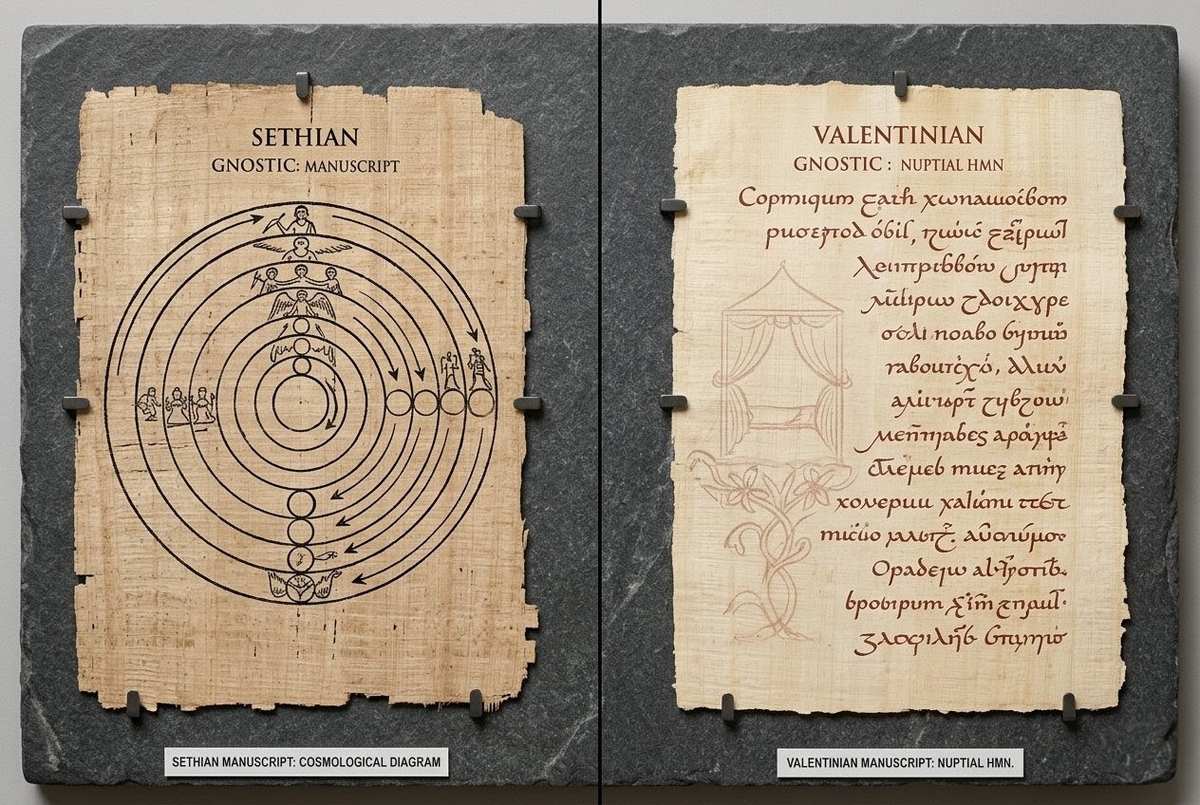
Sethian texts (Apocryphon of John, Hypostasis of the Archons, Zostrianos) emphasise radical dualism, the hostile archons, and steep ascent through planetary spheres using the Five Seals. Valentinian texts (Gospel of Truth, Gospel of Philip, Tripartite Tractate) present a more positive view of creation, focus on the Bridal Chamber sacrament, and employ sophisticated psychological models of the soul’s restoration. They represent distinct administrative departments within the Gnostic counter-bureaucracy.
Why are some texts duplicated in different codices?
Duplicates like the three versions of Apocryphon of John and two copies of Eugnostos suggest these were ‘canonical’ texts for the community–required reading whose repetition ensured survival. The variants also show textual development and scribal interpretation. For scholars, comparing duplicates reveals how Gnostic traditions evolved; for practitioners, it demonstrates which texts the ancients considered essential.
What is the Jung Codex?
Codex I is called the Jung Codex because it was smuggled to Switzerland and purchased by the Carl Jung Institute in 1951. It was only returned to Egypt and published with the other codices in 1977 after legal disputes. It contains Valentinian texts including the Gospel of Truth, Treatise on the Resurrection, and Tripartite Tractate.
How long does it take to read the entire Nag Hammadi Library?
Reading all forty-six tractates thoroughly requires several months of dedicated study. The Seeker’s Path (10 essential texts) can be completed in 2-3 weeks. The Academic Path (scholarly priority texts) requires 1-2 months with commentary. For serious engagement with all duplicates and fragments, expect 4-6 months including cross-referencing and comparative analysis.
Further Reading
- Nag Hammadi for Beginners: A 10-Text Journey — Curated pathway for newcomers seeking accessible entry points into the library
- Nag Hammadi Library: The Complete Guide — Comprehensive overview of the discovery, codicology, and significance of the collection
- Gospel of Thomas: 114 Keys to the Kingdom — In-depth commentary on the recommended starting text for the Seeker’s Path
- Apocryphon of John: The Sethian Creation Account — Essential background for understanding the cosmological texts in Codices II-IV
- Gospel of Truth: Poetics of Recognition — Commentary on the Valentinian masterpiece found in Codex I
- Trimorphic Protennoia: Threefold Descent — Analysis of the sophisticated Sethian hymn concluding the library in Codex XIII
- Codex VII: Sethian Technical Literature — Detailed examination of the ascent texts including Zostrianos and Three Steles of Seth
- Sethian and Valentinian Traditions — Distinguishing the two major theological systems represented in the library
- Zostrianos: Journey Through the Thirteen Aeons — Technical commentary on the advanced ascent manual in Codex VIII
- Nag Hammadi for Mystics — Contemplative approaches to the texts emphasising the Mystical Path
References and Sources
The following sources support the claims and organisational framework presented in this article. All citations to the Nag Hammadi Library represent direct translations from the Coptic text as established in the standard critical editions.
Primary Sources and Critical Editions
- [1] Robinson, J.M. (Ed.). (1977). The Nag Hammadi Library in English (3rd ed.). Harper & Row. [Standard English translation establishing the forty-six tractates across thirteen codices]
- [2] Meyer, M.W. (2007). The Nag Hammadi Scriptures: The International Edition. HarperOne. [Contemporary accessible translation with scholarly introductions to all tractates]
- [3] Turner, J.D. (1990). Trimorphic Protennoia (NHC XIII,1). In The Coptic Gnostic Library (pp. 459-502). Brill. [Critical edition of the text concluding the library]
- [4] Waldstein, M., & Wisse, F. (1995). The Apocryphon of John: Synopsis of Nag Hammadi Codices II,1; III,1; and IV,1 with BG 8502,2. Brill. [Comparative edition of the three NHC versions]
- [5] Layton, B. (1987). The Gnostic Scriptures: A New Translation with Annotations and Introductions. Doubleday. [Annotated translation with theological analysis of Sethian and Valentinian texts]
Archaeological and Historical Studies
- [6] Robinson, J.M. (1988). The Nag Hammadi Story: Vol. 1-2. Brill. [Definitive account of the discovery, acquisition, and the Jung Codex legal disputes]
- [7] Lundhaug, L., & Jenott, L. (2015). The Monastic Origins of the Nag Hammadi Codices. Mohr Siebeck. [Argument for Pachomian monastic provenance of the burial]
- [8] Smith, C.R. (1985). The Jung Codex: The Rise and Fall of a Monopoly. Religious Studies Review, 11(1), 1-8. [History of Codex I’s acquisition and return]
- [9] Williams, M.A. (1996). Rethinking “Gnosticism”: An Argument for Dismantling a Dubious Category. Princeton University Press. [Critical historiography of Gnostic classifications]
- [10] King, K.L. (2003). What Is Gnosticism? Harvard University Press. [Comprehensive examination of the diversity within ancient movements]
Thematic and Comparative Studies
- [11] Turner, J.D. (2001). Sethian Gnosticism and the Platonic Tradition. Presses de l’Université Laval. [Definitive study of Sethianism’s philosophical development and codex organisation]
- [12] Thomassen, E. (2006). The Spiritual Seed: The Church of the “Valentinians”. Brill. [Comprehensive analysis of Valentinian theology and organisation]
- [13] Arthur, R.A. (2008). The Concept of the Five Seals in Sethianism. Nag Hammadi and Manichaean Studies 66. Brill. [Specialised study of Sethian baptismal theology in ascent texts]
- [14] Uro, R. (2003). Thomas: Seeking the Historical Context of the Gospel of Thomas. T&T Clark. [Study of the Thomasine tradition as entry point to the library]
- [15] Logan, A.H.B. (1996). Gnostic Truth and Christian Heresy: A Study in the History of Gnosticism. T&T Clark. [Analysis of Sethian and Valentinian theological distinctions]