
The Integration of the Shadow Eros: Contemporary Engagement with Sacred Sexuality
Western spirituality has long suffered from a peculiar bifurcation: the spirit elevated, the body degraded; transcendence pursued, immanence rejected; Eros exiled from the sacred temple. This division–what the Gnostics might recognise as the archons’ stratagem of separation–has left sexuality stranded in the realm of the profane, the compulsive, or the merely reproductive. Yet the ancient wisdom traditions, including Gnosticism and Hermeticism, preserved alternative understandings: sexuality as sacred current, the bridal chamber (nymphōn) as mystical locus, and the integration of eros as essential to spiritual completion.
This article examines the contemporary reclamation of sacred sexuality through the lens of shadow integration–exploring how sexual trauma, repression, and fragmentation manifest as archonic interference, and how conscious engagement with eros becomes not obstacle but fuel for transformation. The task involves neither libertine indulgence nor ascetic rejection, but the precise, difficult work of integrating sexuality into the embodied path of gnosis.

Table of Contents
- The Exiled God: A Jurisdictional Dispute
- The Shadow Eros: Classified Material Gone Rogue
- Sacred Sexuality in the Gnostic Tradition: The Bridal Chamber
- Trauma as Archonic Binding: The Contracts of Violation
- The Alchemical Marriage: Processing the Shadow Material
- Contemporary Practices of Integration: Operational Protocols
- The Dangers of Premature Integration: Safety Protocols
- Eros as Sacred Fuel: Powering the Ascent
- Frequently Asked Questions
- Further Reading
- References and Sources
The Exiled God: A Jurisdictional Dispute
The separation of sexuality from spirituality represents a fundamental administrative error in Western consciousness–an artificial jurisdictional boundary enforced by centuries of institutional policy. Where the body should function as a continuous department with the spirit, a false border was erected, creating a shadow economy of repressed eros that operates outside conscious oversight.
This division did not emerge solely from Christian asceticism, though Augustine of Hippo and the Manichaean legacy certainly amplified it. Platonic dualism, filtering through Neoplatonic and Patristic theology, progressively devalued matter as the hylic substrate–the prison rather than the portal. By the fourth century, the body had become a site of suspicion, sexuality a symptom of the Fall, and celibate transcendence the only legitimate route to the divine. The institutional Church, managing the estates of salvation, filed sexuality under restricted access and threw away the key.
The Archons’ Stratagem of Separation
From a Gnostic perspective, this bifurcation serves the archonic agenda: division maintains control. When sexuality is exiled from the sacred, it operates unconsciously, generating the very energetic states–shame, compulsion, fragmentation–that feed the maintenance crews of the material realm. The archons are not merely cosmic powers in this reading, but internalised bureaucratic protocols that maintain separation between departments that should function as an integrated whole.
Western spirituality’s peculiar elevation of spirit over matter constitutes a filing error of cosmic proportions. By placing sexuality in the “restricted” folder while elevating celibate transcendence, the tradition created a classified backlog of shadow material–unprocessed trauma, unacknowledged desire, and dissociated pleasure–that continues to leak into conscious awareness through compulsive behaviour and affective numbing.
The Shadow Eros: Classified Material Gone Rogue
Where sexuality is denied sacred status, it does not disappear; it becomes shadow. Exiled from conscious spiritual practice, eros operates unconsciously, driving compulsive behaviours, generating shame, and manifesting as the very bondage the seeker would escape. The Gnostic Exegesis on the Soul describes the soul’s prostitution–her descent into material existence and coupling with multiple lovers–before her ultimate restoration through the bridegroom. This allegory captures the condition of fragmented sexuality: dispersion, forgetfulness, desperate seeking for union in forms that cannot satisfy.

The Dissociative Split: Compartmentalisation of the Psyche
Contemporary depth psychology confirms this ancient insight. Sexual trauma–whether through violation, neglect, or cultural conditioning–splits the psyche, creating dissociation between sexuality and spirit. The resulting shadow manifests variously:
- Compulsive repetition: Unconscious recreation of traumatic scenarios in attempt at mastery–reopening the classified file hoping for a different outcome
- Affective numbing: Disconnection from bodily sensation and emotional intimacy–the shutdown of sensory input to prevent further data breaches
- Spiritual bypassing: Using transcendent practice to avoid embodied sexuality–relocating consciousness to the “spiritual” department while leaving the body unmonitored
- Inflation and addiction: Sexual energy captured by grandiose fantasy or addictive pattern–unauthorised administrative access by archonic subroutines
These patterns are not moral failures but symptoms of fragmentation–the soul’s natural drive toward integration thwarted by trauma and cultural repression. They represent classified material attempting to process itself without proper clearance.
Contemporary somatic psychology, particularly the work of Peter Levine on somatic experiencing, demonstrates that trauma is not merely a narrative problem but a physiological one. The dorsal vagal shutdown–the body’s emergency brake–freezes sexual energy in the tissues, creating the very armouring that Gnostic texts metaphorically describe as the “garments of the archons.” Until these garments are recognised and removed, the soul cannot ascend; until the body is included in the spiritual equation, the equation remains incomplete.
Sacred Sexuality in the Gnostic Tradition: The Bridal Chamber
Contrary to popular caricature, Gnosticism did not uniformly reject sexuality. Valentinian tradition, in particular, maintained sophisticated theology of the bridal chamber (nymphōn). The Gospel of Philip elevates the bridal chamber above the other sacraments, naming it “the Holy of the Holies” and declaring that “the Father was in the Son and the Son in the Father” within its mystery. This enigmatic statement suggests that sacramental union–whether interpreted literally as sacred marriage or symbolically as integration of opposites–holds salvific power precisely because it reunites what the archons divided.
The Syzygy: Paired Emanations and Energetic Reality
The Valentinian system distinguishes three classes of human beings: the pneumatics (spiritual), psychics (soulish), and hylics (material). For the pneumatic, sexuality transforms from reproductive necessity into sacramental participation–the joining of male and female principles mirroring the union of Sophia with the Saviour, the restoration of the divided cosmos.
This is not mere metaphor but energetic reality: the syzygy (paired emanation) reflects the fundamental structure of divine reality. The bridal chamber functions as a jurisdictional reunification–a place where the departmental barriers between matter and spirit, between human and divine, are temporarily dissolved through the sacramental power of conscious union.
Historical evidence suggests that certain Valentinian communities, such as the followers of Ptolemy, practised a form of spiritual marriage in which the physical union of partners served as ritual enactment of cosmic restoration. The bridal chamber was not merely a metaphor for inner unity but a lived sacrament–a technology for dissolving the archons’ primary weapon: the division of the sexes that, according to the Gospel of Philip, introduced death into the world.

Hermetic Correspondences: The Binding Force
Hermetic tradition similarly preserves sexual mystery. The Kore Kosmou (the Sacred Book of Hermes to Asclepius) affirms the generative power that maintains cosmic order, describing the magnetic attraction between polarities as the animating principle of existence. To dissociate from sexuality is to sever connection with the vital force that powers creation–to resign from the department that manages the current itself.
In this framework, sexual energy is not a lower drive to be transcended but the very current that powers alchemical transformation. The archons’ strategy of separation makes sense from a control perspective: cut off the power source, and the system remains dependent on external administration.
Trauma as Archonic Binding: The Contracts of Violation
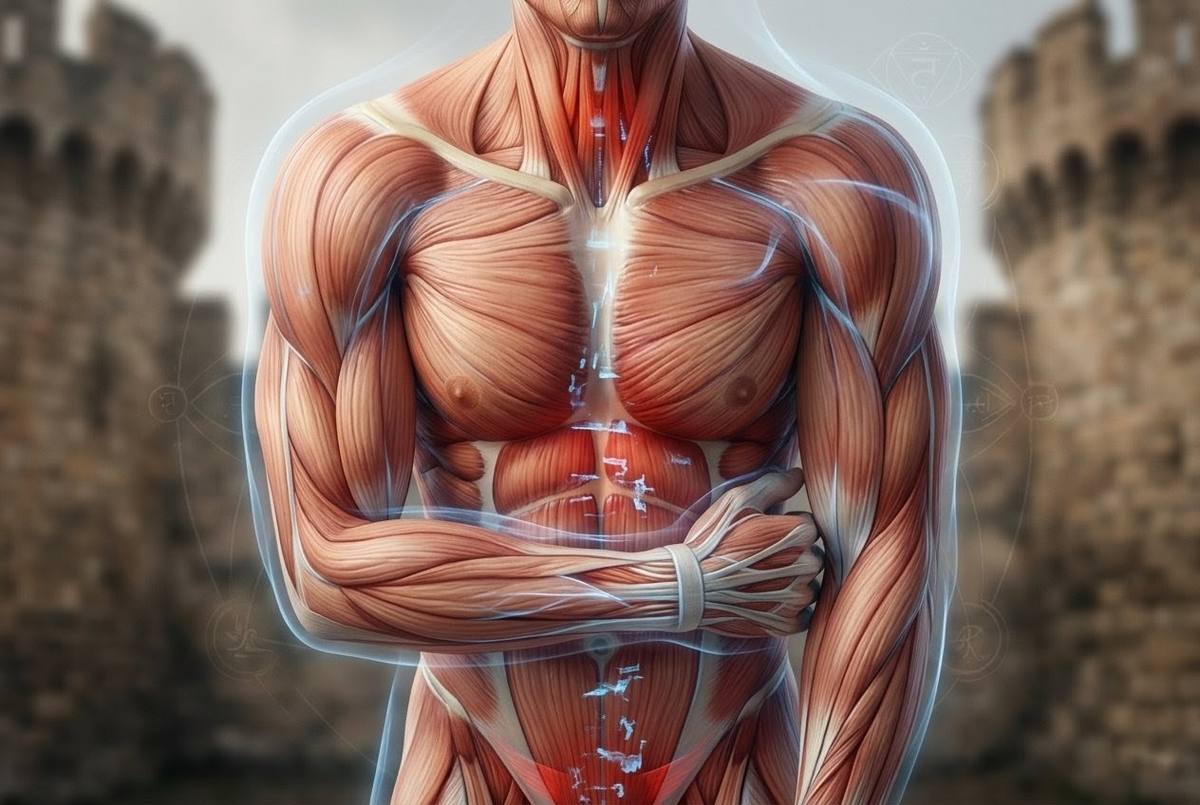
Sexual trauma functions as archonic capture–a binding contract installed without conscious consent. The original violation–whether overt abuse or subtle boundary intrusion–establishes patterns of energetic binding that persist long after the initiating event, creating unauthorised administrative access to the victim’s energetic system.
The Mechanisms of Binding
These bindings manifest through several distinct mechanisms:
Energetic cords: Persistent attachments to past partners or abusers, functioning like unauthorised data connections that drain vital force and transmit intrusive programming.
Body armouring: Chronic muscular tension that blocks sexual energy flow, particularly in pelvic floor, solar plexus, and throat. This represents physical security protocols installed to prevent further violation, but which inadvertently prevent authentic intimacy.
Dissociative splits: The psyche’s fragmentation into “survivor” and “observer,” preventing full embodiment. The consciousness evacuates the premises, leaving an automated system to handle sensory input.
Fantasy imprisonment: Sexual imagination captured by traumatic scenarios, preventing authentic intimacy. The archons maintain control by ensuring that pleasure remains associated with violation.
The Gnostic ascent narrative–stripping off the garments of the archons–finds clinical parallel in somatic trauma therapy. The practitioner must recognise these bindings as foreign to essential nature, gradually releasing them through conscious attention, breath, and safe relational contact. Bessel van der Kolk’s research on trauma stored in the body confirms what the Gnostics intuited: the memory of violation is not merely a story but a physiological state, encoded in the muscles, breath, and nervous system, inaccessible to ordinary narrative processing until somatic awareness reopens the file.
The Alchemical Marriage: Processing the Shadow Material
Integration of shadow eros requires alchemical transformation. The raw material–the sexual energy bound in trauma and repression–becomes the prima materia for the great work. This transformation proceeds through distinct stages, each requiring specific administrative clearance:
The Four Stages of Integration
Nigredo (blackening): Confronting the shadow material–shame, trauma, compulsive pattern–without denial or dissociation. This is the difficult work of acknowledging what has been exiled, reviewing the classified files that have been sealed in the basement of consciousness. It requires courage to look at material the archons would prefer remain hidden.
Albedo (whitening): Purification through conscious practice–establishing boundaries, clearing energetic attachments, releasing body armouring. Breathwork, movement, and therapeutic support facilitate this stage. The security protocols are gradually relaxed as safety is established.
Citrinitas (yellowing): The dawning of solar consciousness–sexual energy recognised as life force, not merely personal possession but cosmic current. The practitioner begins to experience sexuality as shared resource rather than trauma trigger.
Rubedo (reddening): The alchemical marriage–integration of sexuality with spiritual practice, the union of opposites within the self. This is not necessarily literal sexual union but the harmonious functioning of eros in service of gnosis, the departments of body and spirit operating under unified management.
Carl Jung, in his late work Mysterium Coniunctionis, recognised the alchemical marriage as the central mystery of individuation–the coniunctio oppositorum that heals the split between conscious and unconscious, spirit and matter. For the contemporary seeker, this is not abstract symbolism but lived process: the daily work of noticing when the body is excluded from prayer, when desire is shamed rather than understood, when the energy of eros is leaked rather than directed. The alchemical vessel is the present moment, and the fire is attention itself.
Contemporary Practices of Integration: Operational Protocols
For contemporary seekers, integrating sacred sexuality requires specific operational protocols. These are not casual recommendations but essential procedures for handling volatile energetic material:
Five Essential Practices
Somatic awareness: Developing felt sense of sexual energy–not as fantasy or compulsion but as bodily sensation. The gateway of sensation (body scan, somatic meditation) applies specifically to pelvic awareness, breath, and energetic flow. This establishes monitoring capabilities in previously shut-down sectors. Begin with five minutes daily of directed attention to the lower abdomen and pelvic bowl, noticing temperature, pressure, and movement without judgment or narrative.
Boundary clarification: Establishing and maintaining clear energetic and physical boundaries. The survivor of trauma often struggles with either excessive permeability or rigid defensiveness; integration requires flexible, conscious boundaries–security protocols that can open and close as appropriate rather than remaining permanently locked or permanently breached. This includes learning to say no without guilt, recognising when proximity feels intrusive, and honouring the body’s signals before the mind overrides them.
Energetic clearing: Visualisation and breath practices for releasing cords, attachments, and intrusive energies. The Gnostic “sealing” practices–visualisation of protective light–apply specifically to sexual centres, revoking the archons’ unauthorised access. A simple protocol: imagine four columns of radiant light at the cardinal points around the body, extending from the earth’s centre to the infinite above, creating a space where only the sovereign self retains administrative rights.
Sacred solitude: Periods of intentional celibacy not as repression but as cultivation–allowing sexual energy to build and refine without dispersal. This is the discipline of solitude applied specifically to eros, consolidating resources rather than leaking them through compulsive discharge. During these periods, the practitioner observes the fantasies and impulses that arise without acting upon them, gathering data about the shadow’s operating system.
Conscious relationship: When engaging sexually, doing so with full awareness, presence, and sacramental attitude. The Valentinian bridal chamber becomes template for contemporary practice: sexuality as mystery, union as revelation. This requires slowness, eye contact, breath synchronisation, and the willingness to remain present rather than dissociate into fantasy or performance.

The Dangers of Premature Integration: Safety Protocols
Important Safety Notice: The material in this section discusses psychological risks associated with trauma processing. If you are currently experiencing acute trauma symptoms, please consult a qualified mental health professional before engaging in deep somatic or shadow work.
The integration of shadow eros is not without risk. Premature or forced integration may trigger:
- Re-traumatisation: Approaching sexual material before sufficient stability and support–opening the classified files without adequate security clearance or backup
- Spiritual materialism: Using “sacred sexuality” as cover for ordinary gratification–keeping the department open for business while claiming to be conducting renovations
- Transference and boundary violations: The teacher-student relationship particularly vulnerable to sexual confusion–unauthorised administrative access to the student’s energetic system
- Dissociative spiritual bypassing: Using transcendent frameworks to avoid embodied trauma work–relocating to the astral office while the physical premises remain compromised
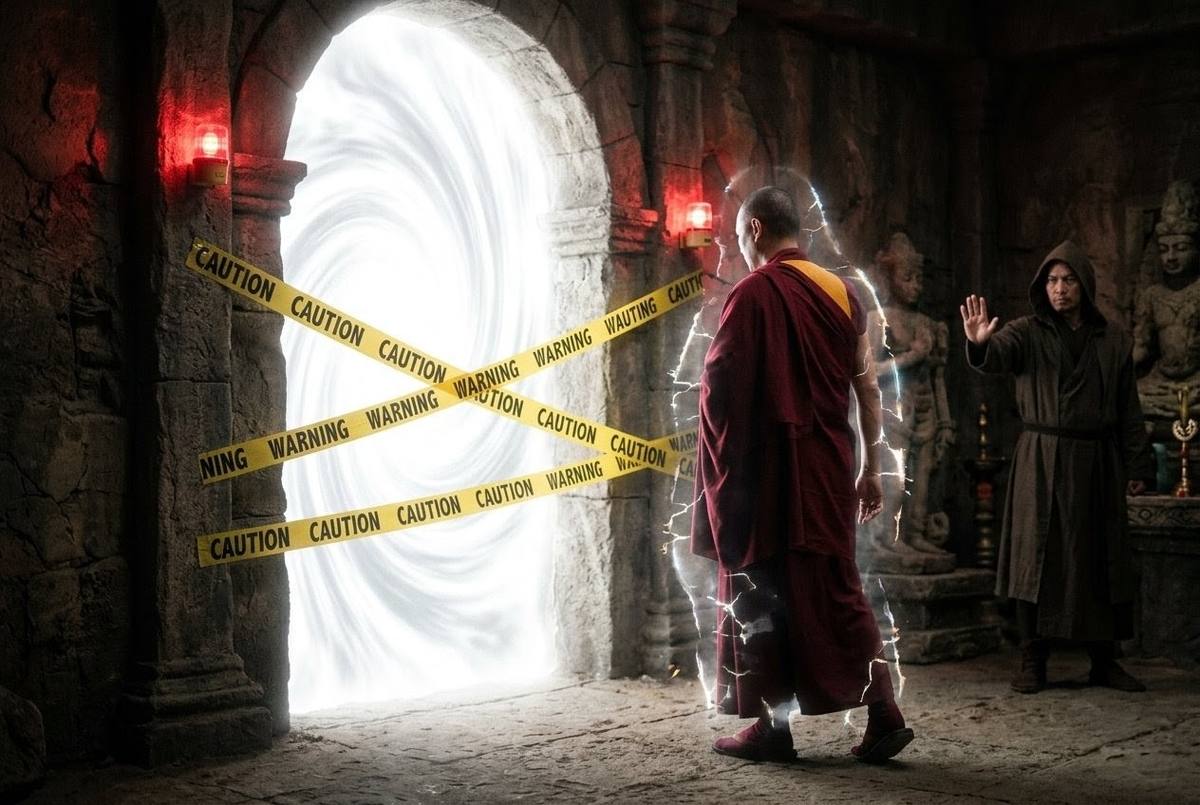
The Gnostic warning against premature ascent applies here: the veil should not be removed before the bridegroom is recognised. Integration requires preparation, support, and patience. The archons delight in those who rush the process, for they provide easy entry points for further binding.
Eros as Sacred Fuel: Powering the Ascent
When integrated, eros becomes not obstacle but fuel for the spiritual path. Sexual energy–creative, generative, magnetic–drives the alchemical transformation. The same force that binds the psyche in compulsive pattern, once liberated, powers the ascent toward consciousness.
The transformed sexual energy becomes chrestos–useful, serviceable–for the great work, no longer dissipated through compulsive pattern but directed toward conscious transformation. The seeker who has integrated shadow eros possesses greater vitality, clearer intuition, and deeper capacity for genuine intimacy. The department is no longer leaking resources but contributing to the overall mission.
The Gnostic promise of restoration–apokatastasis–includes the restoration of sexuality to its sacred function. Not the abolition of eros but its transformation; not the rejection of body but its spiritualisation. The bridal chamber awaits those who have done the work of preparation, cleared the security protocols, and established jurisdictional continuity between matter and spirit.
This restoration is not merely personal but cosmic. Each individual integration of shadow eros contributes to the larger project of apokatastasis–the restoration of all things. When the divided departments reunite within one consciousness, the archons lose a foothold not only in that life but in the collective field. The personal bridal chamber becomes a node in the network of restoration, transmitting the signal that separation was always illusion and union remains the underlying reality.
Read With Discernment
This article touches material where experience, interpretation and symbolic language can easily blur. Read slowly, compare sources, and keep your own discernment intact.
- Editorial Principles — how ZenithEye separates source, interpretation and lived experience.
- Start Here — the reader guide for the wider archive.
- States of Knowing — altered states, dreams, consciousness, perception and direct experience.
- The Transformation — integration, grounding, spiritual emergence and return to ordinary life.
Frequently Asked Questions
What is meant by the Shadow Eros in Gnostic psychology?
Shadow Eros refers to sexuality that has been exiled from conscious spiritual practice, operating unconsciously through compulsive behaviours, shame, and fragmentation. In Gnostic terms, it represents the soul’s descent into material existence seeking union in forms that cannot satisfy. This shadow material manifests as repetitive trauma patterns, affective numbing, spiritual bypassing, or addiction, representing unprocessed energetic bindings that require alchemical transformation.
What is the significance of the bridal chamber (nymphōn) in Valentinian Gnosticism?
The bridal chamber (nymphōn) in Valentinian tradition represents sacramental union that restores the divided cosmos. The Gospel of Philip elevates it as the Holy of the Holies, suggesting that the joining of masculine and feminine principles mirrors the union of Sophia with the Saviour. For the pneumatic (spiritual) individual, sexuality transforms from reproductive necessity into sacramental participation, reflecting the syzygy (paired emanation) structure of divine reality.
How does sexual trauma function as archonic binding?
Sexual trauma installs energetic bindings that function like unauthorised administrative access to the victim’s system. These manifest as: energetic cords attaching to past abusers, body armouring (chronic tension blocking energy flow), dissociative splits (fragmentation preventing embodiment), and fantasy imprisonment (sexual imagination captured by trauma). These bindings persist until recognised as foreign to essential nature and released through conscious attention and therapeutic support.
What are the four stages of alchemical integration of sexuality?
The alchemical process proceeds through: (1) Nigredo (blackening)–confronting shadow material without dissociation; (2) Albedo (whitening)–purification through boundary establishment and energetic clearing; (3) Citrinitas (yellowing)–recognising sexual energy as cosmic life force; and (4) Rubedo (reddening)–the alchemical marriage integrating sexuality with spiritual practice, unifying the departments of body and spirit under single administration.
What is the difference between sacred celibacy and repression?
Sacred celibacy involves intentionally allowing sexual energy to build and refine without dispersal, treating it as cultivation rather than denial. Repression involves unconscious suppression that drives sexuality into shadow. Sacred celibacy requires conscious choice, energetic monitoring, and integration work, whereas repression creates compartmentalisation and eventual leakage through compulsive patterns.
What are the dangers of premature integration of sexual trauma?
Premature integration risks: re-traumatisation (approaching material without adequate stability), spiritual materialism (using sacred sexuality to mask ordinary gratification), transference and boundary violations (particularly in teacher-student relationships), and dissociative spiritual bypassing (using transcendent frameworks to avoid embodied work). The Gnostic warning applies: do not remove the veil before the bridegroom is recognised.
How can sexual energy become fuel for the great work?
When integrated through shadow work and the alchemical process, eros transforms from binding force to propulsive energy. Rather than leaking through compulsive patterns or remaining blocked through armouring, the liberated current provides vitality, intuition, and capacity for genuine intimacy–powering the ascent toward consciousness while maintaining embodiment.
Further Reading
- The Gospel of Philip: Sacrament and Eros — the Valentinian theology of the bridal chamber and sacred union
- The Exegesis on the Soul: Journey and Return — the allegory of the soul’s prostitution and restoration through the bridegroom
- Integration and Grounding: Embodying the Received Tradition — practical protocols for stabilising after transformative work
- Embodiment Practices: Grounding the Awakening — somatic techniques for maintaining presence in the physical vehicle
- Gateway of Sensation: Body Scan and Somatic Awareness — developing monitoring capabilities in the sensory department
- Shadow Work: Excavating the Repressed — protocols for safely accessing classified shadow material
- Sexual Energy Harvesting by Entities — understanding predatory interference in the sexual centres
- Discipline of Solitude — the practice of sacred celibacy as cultivation rather than repression
- Predatory Consciousness and Spiritual Emergency — recognising when awakening encounters resistance and predation
- Nag Hammadi Library: Complete Reader’s Guide — the definitive map of all 46 tractates and their organisational logic
References and Sources
This article draws upon primary Gnostic sources, scholarly critical editions, and contemporary depth psychology. Sources are grouped by category for clarity.
Primary Sources and Critical Editions
- The Nag Hammadi Library in English. (1988). J. M. Robinson (Ed.). Brill. — Standard critical edition containing the Gospel of Philip (NHC II,3) and the Exegesis on the Soul (NHC II,6).
- Copenhaver, B. P. (1992). Hermetica: The Greek Corpus Hermeticum and the Latin Asclepius. Cambridge University Press. — Critical edition of Hermetic texts including the Kore Kosmou.
- Layton, B. (1987). The Gnostic Scriptures. Doubleday. — Translations and introductions to Valentinian and Sethian sources.
Scholarly Monographs and Psychology
- Jung, C. G. (1963). Mysterium Coniunctionis: An Inquiry into the Separation and Synthesis of Psychic Opposites in Alchemy. Princeton University Press. — Jung’s mature work on the alchemical marriage and individuation.
- Levine, P. A. (2010). In an Unspoken Voice: How the Body Releases Trauma and Restores Goodness. North Atlantic Books. — Somatic experiencing and the neurobiology of trauma release.
- Van der Kolk, B. (2014). The Body Keeps the Score: Brain, Mind, and Body in the Healing of Trauma. Viking. — Contemporary research on trauma stored in bodily memory and nervous system.
- Pagels, E. (1979). The Gnostic Gospels. Random House. — Historical context for Valentinian communities and the theology of the bridal chamber.
Comparative and Esoteric Studies
- Thomassen, E. (2006). The Spiritual Seed: The Church of the Valentinians. Brill. — Definitive scholarly treatment of Valentinian theology and ritual practice.
- Turner, J. D. (2001). Sethian Gnosticism and the Platonic Tradition. Universite Laval. — Analysis of Sethian and Valentinian ascent literature and sacramental theology.
Safety Notice: This article explores sensitive psychological and spiritual material related to sexual trauma and integration. It does not constitute medical, psychological, or sexual therapy advice. If you are experiencing trauma symptoms, please consult a qualified mental health professional. Shadow work should be undertaken with adequate support, stability, and ideally under the guidance of a therapist or experienced practitioner. Do not attempt deep trauma processing alone or without safety protocols in place.