Trimorphic Protennoia: Three Forms of Divine Thought
Trimorphic Protennoia: The Barbelo Aeon speaks in three descents. Explore this Sethian hymn of divine self-revelation, baptismal theology, and the five seals.

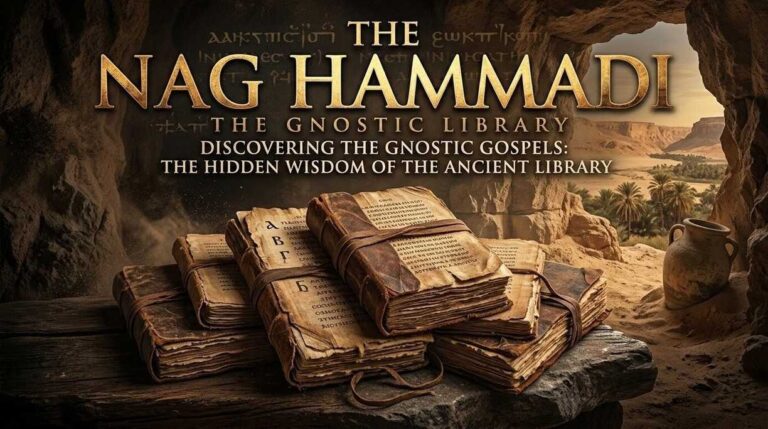
The Nag Hammadi Library gathers ZenithEye articles on the Coptic codices discovered near Nag Hammadi and the Gnostic, apocryphal and contemplative texts they preserve. This archive route explores individual tractates, codex structure, Sethian and Valentinian traditions, ascent literature, feminine divine symbolism, reading paths and the wider significance of these texts for modern seekers, scholars and readers of gnosis.
Trimorphic Protennoia: The Barbelo Aeon speaks in three descents. Explore this Sethian hymn of divine self-revelation, baptismal theology, and the five seals.
A doctrine-focused path through Nag Hammadi: Christology, soteriology, Trinitarian theology, and the alternative Christian visions in the Gnostic Gospels.
A scholarly approach to the Nag Hammadi Library: textual criticism, historical context, codicology, and academic methodologies for studying Gnostic texts.
Explore non-canonical Gospels in Nag Hammadi: Thomas, Philip, Truth, and Egyptian Gospels. Sayings collections vs narratives, docetism, and theology.
Explore Sethian ascent literature: heavenly journeys, planetary archons, the Ogdoad, and the Five Seals ritual in Nag Hammadi texts.
Explore the Feminine Divine in Nag Hammadi texts: Barbelo, divine mothers, female prophets, and gender symbolism in Gnostic traditions.
Discover Valentinian Christianity: Pleroma structure, three natures, sacramental theology, and influence on Nag Hammadi texts. Complete guide to the Valentinian system.
Explore the Sethian tradition of Gnosticism: Barbelo, divine triads, creation mythology, and the five seals. Complete overview of Nag Hammadi Sethian texts.
Learn to read Coptic texts from Nag Hammadi: alphabet guide, basic grammar, and resources for beginners exploring ancient Egyptian Gnostic scriptures.
Trace Gnosticism from 2nd century origins through medieval survival, modern rediscovery in 1945, to contemporary scholarship. Complete chronological guide.