The Gospel of Truth: The Poetics of Recognition
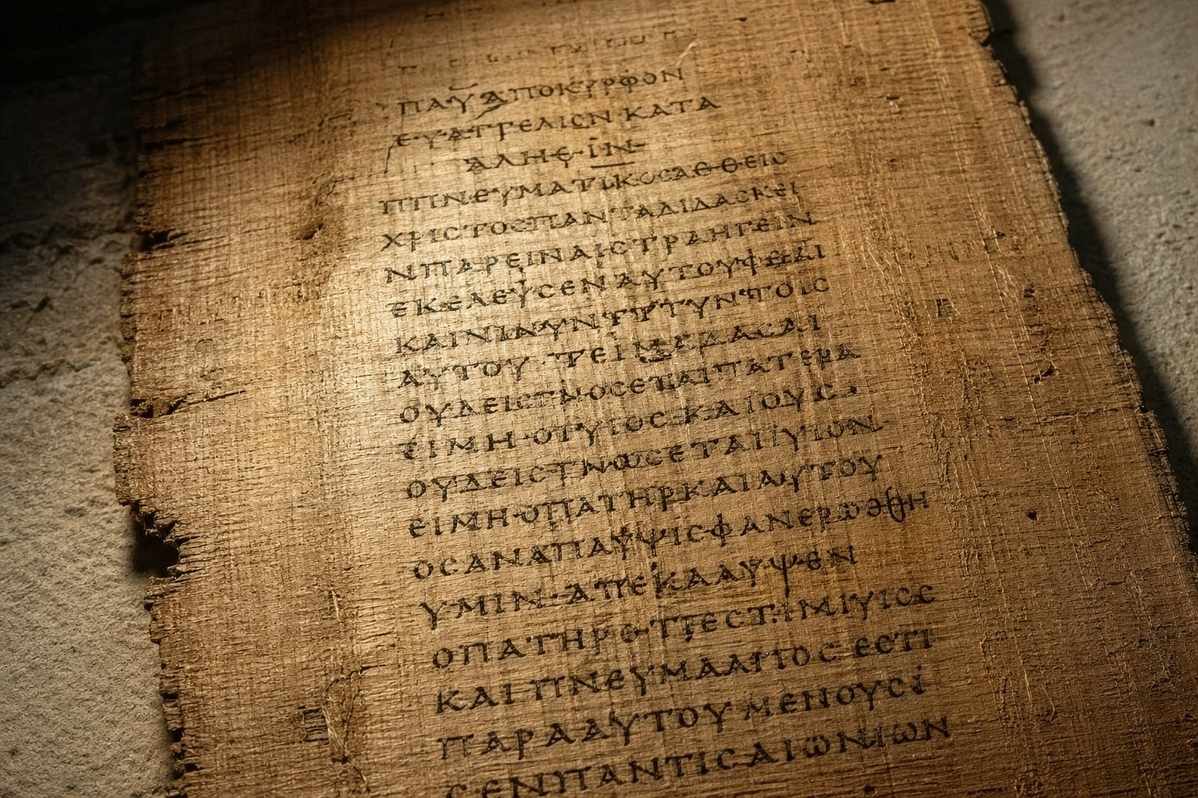
The Gospel of Truth is one of the most beautiful and contemplative texts in the Nag Hammadi Library. Preserved as Nag Hammadi Codex I,3, it is usually associated with the Valentinian tradition and reads less like a narrative gospel than a theological poem of awakening.
It does not tell the story of Jesus’ life, miracles, death and resurrection in the familiar narrative form. Instead, it meditates on truth, error, forgetfulness, joy, the Father’s name, the living book, the Saviour as revealer, and the soul’s return from wandering into recognition.
The text opens with joy. That matters. Its vision of salvation is not centred on terror, punishment or spiritual anxiety, but on the grace of knowing the Father. Error is not final. Forgetfulness is not the deepest truth. The hidden name can be remembered, and the wandering heart can come home.
What is the Gospel of Truth?
The Gospel of Truth is a Valentinian or Valentinian-related Nag Hammadi text preserved in Codex I,3, also known as the Jung Codex. It is not a narrative gospel, but a lyrical meditation on truth, error, forgetfulness, the Father, the Saviour and the joy of spiritual recognition.
The text is important because it gives one of the clearest expressions of Valentinian spirituality as awakening: the soul does not need to be crushed by error, but restored through knowledge, remembrance and the revelation of the Father’s name.
Table of Contents
- Text and Codex Setting
- Why the Gospel of Truth Matters
- Why It Is Called a Gospel Without Being a Narrative Gospel
- The Valentinian Setting
- The Gospel Begins with Joy
- Error as Wandering and Forgetfulness
- The Saviour as Revealer and Guide
- The Father’s Name and the End of Forgetting
- The Book of the Living
- The Garment of Flesh and False Identity
- Fragrance, Light, Taste and Rest
- Philip, the Tripartite Tractate and Valentinian Recognition
- How to Read the Gospel of Truth
- Reading the Gospel of Truth Today
- Frequently Asked Questions
- Further Reading
- References and Sources
Text and Codex Setting
The Gospel of Truth is preserved in Nag Hammadi Codex I, commonly called the Jung Codex. Codex I contains the Prayer of the Apostle Paul, the Apocryphon of James, the Gospel of Truth, the Treatise on the Resurrection and the Tripartite Tractate.
This codex has a strong Valentinian flavour. The Tripartite Tractate gives a more systematic theological architecture, while the Gospel of Truth gives the same current in a more lyrical and experiential voice.
The text is written in Coptic, probably translated from Greek or Greek-influenced material. It is anonymous. Some scholars have connected it with Valentinus or his school, but direct authorship remains debated. What can be said more safely is that the work belongs within a Valentinian or Valentinian-related world of thought.
The title Gospel of Truth comes from the text’s opening words. It is a gospel in the ancient sense of “good news”, not because it narrates the earthly life of Jesus, but because it proclaims the joy of truth recognised.
Codex Note: The Gospel of Truth is Nag Hammadi Codex I,3. It belongs beside the Treatise on the Resurrection and the Tripartite Tractate as one of the central Valentinian texts in the Jung Codex.
Why the Gospel of Truth Matters
The Gospel of Truth matters because it gives one of the most tender and luminous versions of Gnostic salvation. It does not begin with fear. It begins with joy for those who receive the grace of knowing the Father.
Its central drama is not a battle between equal cosmic forces. It is the tragedy of error and the healing of recognition. Error wanders because it does not know the truth. Souls become strangers because they do not know their source. The Saviour comes as revealer, guide and awakener.
The text also matters because it shows Valentinian Christianity at its most poetic. Instead of technical diagrams of aeons, it gives images: book, name, garment, fragrance, sweetness, light, rest and the heart. It is theology that sings in a low, golden register.
For the ZenithEye reading route, this text follows naturally after the Gospel of Philip. Philip gives sacrament and bridal chamber. The Gospel of Truth gives recognition and joy. Together they open the Valentinian layer as a path of restoration rather than simple escape.
Why It Is Called a Gospel Without Being a Narrative Gospel
Modern readers often expect a gospel to be a story about Jesus. The canonical gospels contain narrative: birth traditions, teaching journeys, healings, conflict, crucifixion and resurrection. The Gospel of Truth does not work that way.
It contains no continuous biography, no list of miracles, no Galilean itinerary and no ordinary passion narrative. Its form is meditative. It is closer to a theological homily, hymn or rhapsody than a story.
This does not make the title meaningless. In the ancient world, “gospel” means good news. Here, the good news is that truth has appeared, error has been exposed, the Father is knowable, and those who wandered in forgetfulness can return.
The text therefore asks to be read differently. It is not a window into Jesus’ daily biography. It is a lamp placed inside the experience of recognition.
The Valentinian Setting
The Gospel of Truth is usually read as Valentinian because of its language of the Father, the Pleroma, the Word, error, knowledge, restoration and the spiritual seed. It shares the Valentinian interest in how ignorance produces disorder and how knowledge restores relation to the source.
Valentinian thought often differs from more sharply dualistic forms of Gnostic myth. It tends to emphasise repair, recognition and integration. Error is serious, but not ultimate. The world is marked by deficiency, but the Fullness remains the deeper reality.
In this text, the Saviour does not merely defeat an enemy. He reveals the Father, gathers the scattered, awakens the sleeping and brings rest to those who wandered. Salvation is less a courtroom verdict than the end of estrangement.
This gives the text its distinctive warmth. It is metaphysical, but not cold. It carries the feeling of a lost child hearing the old name called across a dark field.

The Gospel Begins with Joy
The opening movement of the text is joy. This is not a decorative mood. It is the theological key. Truth brings joy because it restores what error concealed.
The text does not present knowledge as cold information or superior cleverness. Gnosis is relational. To know the Father is to receive grace, rest, sweetness and belonging.
This makes the Gospel of Truth very different from caricatures of Gnosticism as gloomy world-hatred. Its tone is not despairing. It is sorrowful only because forgetfulness has happened. Its deeper music is gladness.
Joy is the sign that recognition is not merely mental. The whole being relaxes when it no longer has to live under the false weight of error. Truth is not a hammer here. It is a door opening.
Primary Source Theme: The text opens by declaring that the gospel of truth is joy for those who receive the grace of knowing the Father. Joy is not secondary. It is the first sign of recognition.
Error as Wandering and Forgetfulness
One of the text’s central figures is Error. Error is not simply a personal mistake, and not simply a devil in disguise. It is a condition of wandering, ignorance and misrecognition.
Error becomes powerful because it does not know the truth. It creates a substitute world of confusion, anxiety and false appearance. The soul caught inside error becomes estranged from the Father and from its own true identity.
This is one of the most psychologically subtle parts of the text. Error is not only wrong belief. It is misdirected existence. The soul wanders because it has forgotten where it came from.
The tragedy is therefore amnesia. The soul does not need to be made into something entirely foreign to itself. It needs to remember. Recognition breaks the spell because error has no true substance when truth is known.
The Saviour as Revealer and Guide
In the Gospel of Truth, the Saviour appears primarily as revealer, guide and healer. He comes to those who have wandered, awakens those who sleep, and restores knowledge of the Father.
This does not mean the text denies the wider Christian story. It means its emphasis falls elsewhere. The central act is revelation: the Saviour makes the Father known and shows the lost ones where they truly belong.
The Saviour’s work is gentle in tone. He is not imagined as a violent conqueror, but as one who guides the errant back. He cures forgetfulness by revealing truth.
This gives the text its healing quality. Salvation is not presented as terror before a judge, but as awakening from a bad dream into a remembered home.
Reading Note: The Saviour in the Gospel of Truth is above all a revealer. His work is to make the Father known, awaken the sleeping and guide the wandering into rest.
The Father’s Name and the End of Forgetting
The Father’s name is one of the great themes of the text. In Valentinian thought, the name is not just a label. It is presence, recognition and relation.
To know the Father’s name is to know the source from which one comes. It is to stop living as a stranger. The name gathers the scattered self back into belonging.
Forgetfulness makes the soul nameless in a deep sense. It may have worldly names, roles and identities, but it no longer knows the name that joins it to the Father.
Recognition restores that hidden relation. The name becomes the soundless centre of identity, the secret signature beneath all borrowed masks.
The Book of the Living
The Gospel of Truth also speaks of a living book. This image should not be flattened into a crude ledger of reward and punishment. The book belongs to the Father’s thought and mind.
To be written in the living book is to be known by the Father. The image is about recognition, not bureaucracy. The living are those who are no longer strangers to their source.
The book also suggests that truth is not invented by the wandering soul. It already exists in the Father. The Saviour reveals what is written in the deepest mind of reality.
For the reader, the image asks a quiet question: what would it mean to live from the page where your true name is already known?
Primary Source Theme: The book of the living is written in the Father’s thought and mind. It symbolises recognition, belonging and the truth of those known by the source.
The Garment of Flesh and False Identity
The text uses the image of garments to speak about identity. A garment can cover, reveal, dignify or disguise. In the Gospel of Truth, perishable garments suggest the temporary identities worn in the world of error.
These garments are not only bodies. They can also be social roles, fears, defensive selves, borrowed names, inherited scripts and forms of identity that conceal the deeper truth.
The Saviour strips away what is perishable and puts on imperishability. This is a symbol of transformation: the false self is removed, and the hidden truth becomes visible.
The image is tender and sharp at once. The soul is not asked to decorate the old garment. It is invited to remember what cannot be taken away.
Fragrance, Light, Taste and Rest
The Gospel of Truth is filled with sensory language. It speaks of sweetness, fragrance, light, water, rest and the heart. This makes its theology embodied and experiential rather than merely abstract.
The Father is not presented as a remote concept. The Father is known through sweetness and rest, through a quality of presence that the soul can taste inwardly.
Fragrance is especially evocative. Truth is not only something one proves. It is something that fills the atmosphere. It changes the air around the soul.
This sensory theology matters because it prevents the text from becoming dry metaphysics. Recognition is felt. The lost one does not merely solve a puzzle. The lost one breathes again.

Philip, the Tripartite Tractate and Valentinian Recognition
The Gospel of Truth belongs naturally beside the Gospel of Philip and the Tripartite Tractate. These texts show different faces of the Valentinian current.
The Gospel of Philip gives sacrament, bridal chamber, anointing, sacred union and the transformation of visible signs. It shows Valentinian spirituality through ritual and symbol.
The Tripartite Tractate gives a more systematic theological account of origin, fall, restoration, the three types of humanity and the unfolding of the Father’s economy.
The Gospel of Truth gives the interior experience of the same restoration. It is not the map, and not the ritual chamber, but the moment of recognition itself: the heart hearing its true name.
How to Read the Gospel of Truth
Read the Gospel of Truth slowly. It does not reward speed. Its movement is poetic and contemplative, not linear in a modern argumentative sense.
It can help to read it aloud. The rhythm matters. The text works through repetition, image and emotional movement: joy, error, wandering, compassion, revelation, rest.
Do not expect every passage to behave like a doctrinal statement. Some lines are closer to prayer than proposition. They are meant to open recognition rather than close debate.
The best approach is to follow its images. Ask what error feels like. Ask what the garment hides. Ask what the name restores. Ask what joy knows before the mind has finished explaining it.
Reading the Gospel of Truth Today
For modern readers, the Gospel of Truth offers a powerful alternative to spiritual anxiety. It does not begin by telling the reader they are filthy, doomed or abandoned. It begins with the possibility of joy through recognition.
Its language of error remains deeply relevant. Many people live inside false names, borrowed fears, restless identities and half-lit stories about who they are. The text calls that condition wandering.
Its remedy is not frantic self-improvement, but remembrance. The soul returns by knowing the source, receiving the name, shedding the perishable garment and resting in what was true before error became loud.
Read carefully, the Gospel of Truth becomes a small lamp in the Valentinian archive. It does not shout. It glows. And in that glow, error is seen for what it always was: not the truth, only a fog that forgot the sun.

Safety Notice: This article explores symbolic, historical and spiritual ideas about truth, error, hidden identity, awakening, forgetfulness, spiritual rest and return to the divine source. It is intended for grounded study of ancient texts, not as medical, psychological, legal or spiritual advice. If themes of spiritual identity, hidden truth, error, fear or awakening become distressing, obsessive or destabilising, please seek support from a qualified professional, trusted support service or appropriate emergency service.
Frequently Asked Questions
What is the Gospel of Truth?
The Gospel of Truth is a Valentinian or Valentinian-related Nag Hammadi text preserved in Codex I,3. It is not a narrative gospel, but a lyrical meditation on truth, error, forgetfulness, the Father, the Saviour and the joy of spiritual recognition.
Is the Gospel of Truth a story about Jesus?
No. The Gospel of Truth does not tell the life story of Jesus in narrative form. It contains no continuous biography, miracle cycle or ordinary passion narrative. It is a theological meditation on revelation, recognition and the return from error.
Why is it called a gospel if it has no narrative?
It is called a gospel because gospel means good news. The text proclaims the good news that truth restores what error concealed, and that those who wandered in forgetfulness can receive the joy of knowing the Father.
Is the Gospel of Truth Valentinian?
The Gospel of Truth is widely associated with Valentinian Christianity because of its themes of the Father, the Pleroma, error, knowledge, restoration and recognition. Direct authorship by Valentinus is debated, but the text belongs within a Valentinian or Valentinian-related theological world.
What does error mean in the Gospel of Truth?
Error is a condition of wandering, ignorance and forgetfulness. It is not simply a personal mistake. It represents the soul’s estrangement from truth and from the Father, a fog of misrecognition that dissolves when truth is known.
How does the Gospel of Truth describe the Saviour?
The Saviour appears mainly as revealer, guide and healer. He awakens the sleeping, guides the wandering and makes the Father known. The text emphasises revelation and recognition more than a narrative of sacrifice or legal atonement.
What is the book of the living in the Gospel of Truth?
The book of the living symbolises those known in the Father’s thought and mind. It is an image of recognition and belonging, not merely a simple ledger of reward and punishment.
How should modern readers approach the Gospel of Truth?
Modern readers should approach the Gospel of Truth slowly and contemplatively. It is a poetic text of recognition, best read through its images of joy, error, name, book, garment, fragrance, light and rest.
Further Reading
Continue through the related Valentinian, recognition and Codex I source layer:
- The Gospel of Philip: Valentinian sacrament, bridal chamber, sacred union and transformation through mystery.
- The Tripartite Tractate: the systematic Valentinian architecture behind many of the themes in the Gospel of Truth.
- The Treatise on the Resurrection: resurrection as present transformation and spiritual understanding in Codex I.
- Codex I: The Jung Codex: manuscript context for the Gospel of Truth, Tripartite Tractate and related works.
- Valentinian Gnosticism: the wider school of Pleroma, error, restoration and recognition.
- A Valentinian Exposition: a technical Valentinian text from Codex XI.
- The Exegesis on the Soul: the soul as fallen bride, called back into restoration.
- The Gospel of Thomas: a sayings gospel of hidden recognition, useful for comparison with Philip and Truth.
- Gnostic Schools: a comparison of Sethian, Valentinian, Hermetic and related currents.
- Nag Hammadi Library: Complete Guide to the Gnostic Scriptures: the broader archive guide to the codices, tractates and traditions.
References and Sources
The following sources support the historical, textual and interpretive claims made in this article.
Primary Sources and Critical Editions
- The Gospel of Truth. Nag Hammadi Codex I,3.
- The Tripartite Tractate. Nag Hammadi Codex I,5.
- The Treatise on the Resurrection. Nag Hammadi Codex I,4.
- Attridge, Harold W., and George W. MacRae. Nag Hammadi Codex I: The Jung Codex. Brill.
- Robinson, James M., ed. The Nag Hammadi Library in English. Harper & Row / HarperSanFrancisco, revised editions.
- Meyer, Marvin, ed. The Nag Hammadi Scriptures. HarperOne, 2007.
- Layton, Bentley. The Gnostic Scriptures. Doubleday, 1987.
Scholarly Monographs and Studies
- Thomassen, Einar. The Spiritual Seed: The Church of the Valentinians. Brill, 2006.
- Dunderberg, Ismo. Beyond Gnosticism: Myth, Lifestyle, and Society in the School of Valentinus. Columbia University Press, 2008.
- Markschies, Christoph. Valentinus Gnosticus? Mohr Siebeck, 1992.
- King, Karen L. What Is Gnosticism?. Harvard University Press, 2003.
- Williams, Michael Allen. Rethinking “Gnosticism”: An Argument for Dismantling a Dubious Category. Princeton University Press, 1996.
- Brakke, David. The Gnostics: Myth, Ritual, and Diversity in Early Christianity. Harvard University Press, 2010.
Comparative and Thematic Studies
- Pagels, Elaine. The Gnostic Gospels. Random House, 1979.
- Jonas, Hans. The Gnostic Religion. Beacon Press, revised editions.
- Rudolph, Kurt. Gnosis: The Nature and History of Gnosticism. HarperSanFrancisco, 1987.
- Pearson, Birger A. Ancient Gnosticism: Traditions and Literature. Fortress Press, 2007.
- van den Broek, Roelof. Gnostic Religion in Antiquity. Cambridge University Press, 2013.
Reading Note: The Gospel of Truth is best read after the Gospel of Philip and before the Tripartite Tractate. Philip gives the sacramental chamber, Truth gives the joy of recognition, and the Tripartite Tractate gives the larger Valentinian architecture behind them both.