Contemporary Gnostic Experiences in a Digital Age: Why These Ancient Texts Speak to Modern Seekers
Discover why these ancient texts speak to modern seekers: direct knowing, paradox, present realisation, and Gnostic practice in the digital age.

Discover why these ancient texts speak to modern seekers: direct knowing, paradox, present realisation, and Gnostic practice in the digital age.
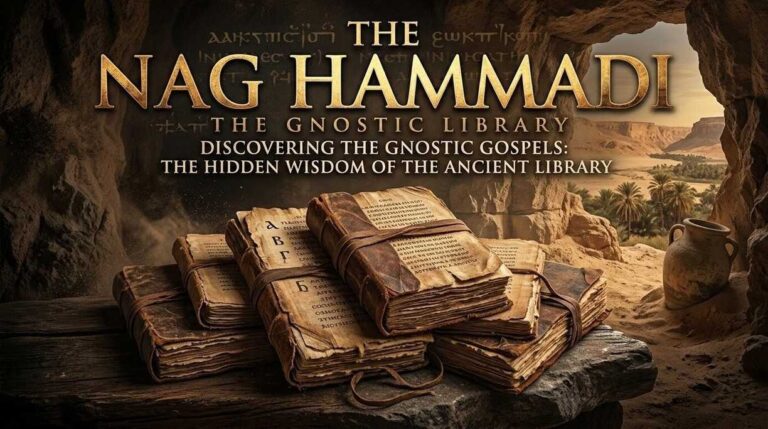
Explore the Book of Thomas the Contender (NHC II.7): the ascetic, world-negating strain of Gnosticism, secret teachings for those who are worthy, and the soul’s liberation from flesh.
Discover why the Gospel of Thomas speaks to modern seekers: direct knowing, paradox, present realisation, and Gnostic practice in the digital age.

Examine asceticism as spiritual technology: the deliberate use of restraint and discipline to break habitual patterns, conserve energy, and facilitate Gnostic awakening.

Practical techniques for using the Nag Hammadi text Thunder: Perfect Mind as ritual technology — vocalisation, somatic anchoring, and contemplative methods for ego dissolution and non-dual awareness.
The Acts of Thomas: Complete guide to the apocryphal acts of the apostle, including the Hymn of the Pearl, his missionary journeys, and Gnostic theology.
Interpretation of Knowledge presents Valentinian theology on spiritual gifts, church order, and the interpretation of spiritual knowledge within the community.

In the beginning was the word–but before the word, there was the tongue, that muscular organ capable of shaping breath into meaning, of translating the silent movements of consciousness into vibrations that can travel across space and time. The ancient Egyptians understood what we have largely forgotten: that the tongue is not merely a biological…

There exists a realm that you inhabit more continuously than the physical world, yet whose nature remains largely mysterious to you. This is the mental plane–the dimension where thoughts take form, where ideas become the templates for manifestation, and where consciousness creates the patterns that shape your experience. You are on this plane now, as…

Consider the word spelling. To spell is to arrange letters into words, yes–but it is also to cast a magical influence, to bind reality through the articulation of intention. This double meaning is not etymological accident but preserved knowledge–the recognition, maintained in the very structure of language, that words are not merely descriptive labels but…