Allogenes: The Sethian Ascent to the Unknowable One
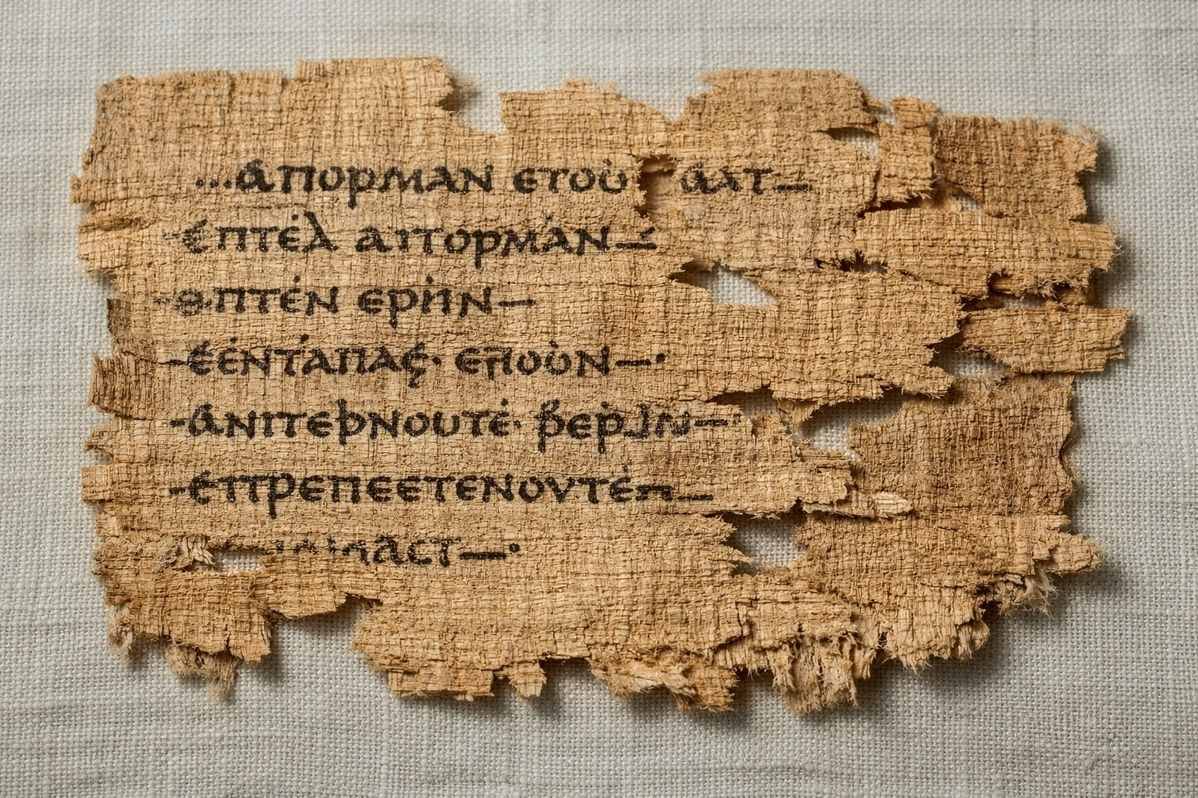
Allogenes, meaning “the Stranger” or “the one of another kind”, is one of the most technically demanding texts in the Nag Hammadi Library. Preserved as Nag Hammadi Codex XI,3, it belongs to the Platonising Sethian stream, alongside Zostrianos and Marsanes.
The text is framed as a revelation given to Allogenes and then transmitted to his son Messos. Its central concern is not the creation of the lower world, nor the drama of Sophia and the archons. Instead, it asks how consciousness approaches the highest divine reality, especially when that reality exceeds ordinary knowledge.
This makes Allogenes one of the great apophatic texts of the Nag Hammadi collection. It teaches that the highest source cannot be grasped as an object. The seeker must pass through knowledge, then beyond knowledge, into a disciplined unknowing where the Unknowable One is approached without being reduced to thought.
What is Allogenes?
Allogenes is a Platonising Sethian Gnostic text preserved in Nag Hammadi Codex XI,3. Its name means “the Stranger” or “one of another kind”, suggesting a spiritual identity that does not fully belong to the lower cosmic order.
The text describes revelation from the angelic figure Youel, contemplation of the Barbelo Aeon, ascent through the Triple-Powered One, and the apophatic approach to the Unknowable One beyond ordinary thought.
Table of Contents
- Text and Codex Setting
- Why Allogenes Matters
- The Meaning of Allogenes: The Stranger
- Youel and the Angelic Revelation
- The Three-Tiered Structure of Reality
- The Barbelo Aeon
- The Triple-Powered One
- The Unknowable One
- Negative Theology and Learned Ignorance
- The Hundred-Year Contemplation
- The Ascent Beyond Ordinary Knowing
- Return and Transmission to Messos
- Platonising Sethianism and Plotinus
- Reading Allogenes Today
- Frequently Asked Questions
- Further Reading
- References and Sources
Text and Codex Setting
Allogenes is preserved in Nag Hammadi Codex XI as its third tractate. The surviving Coptic text is fragmentary in places, but its structure and theological ambition remain clear. It belongs to the advanced Sethian ascent and contemplation texts, where the language becomes increasingly philosophical, abstract and apophatic.
The text is usually grouped with Zostrianos and Marsanes. These works share a complex Sethian-Platonic vocabulary: the Barbelo Aeon, the Autogenes, Kalyptos, Protophanes, the Triple-Powered One, Existence, Vitality, Mentality and the unknowable divine source.
This is not beginner-level Nag Hammadi reading. Allogenes assumes familiarity with Sethian mythic structures, but it pushes beyond myth into contemplative metaphysics. The lower drama of archons and cosmic error is not the focus. The focus is the limit of knowledge itself.
Codex Note: Allogenes is Nag Hammadi Codex XI,3. It belongs to the Platonising Sethian source layer and is best read beside Zostrianos and Marsanes.
Why Allogenes Matters
Allogenes matters because it shows Sethian Gnosticism at its most apophatic and philosophically refined. Earlier Sethian texts often explain the origin of the lower world, the fall of Sophia, the arrogance of Yaldabaoth and the awakening of the divine spark. Allogenes turns towards a subtler problem: what happens when the soul approaches a divine source that cannot be known in ordinary ways?
The answer is not more information. The answer is transformed knowing. The seeker must learn how to know, then learn where knowing fails, then remain in a luminous unknowing that does not collapse into ignorance.
This makes the text especially important for the history of mysticism. Allogenes stands near later apophatic traditions that insist the highest reality is beyond name, image, category and concept. Yet it remains Sethian in its architecture: Barbelo, the Triple-Powered One, the Autogenes and the spiritual stranger all remain part of the ascent.
In the ZenithEye reading route, Allogenes belongs after Zostrianos. Zostrianos gives the long visionary journey through aeons. Allogenes gives the sharper, quieter ascent towards the threshold where thought itself must bow and step aside.
The Meaning of Allogenes: The Stranger
The name Allogenes means “stranger”, “alien” or “one of another kind”. In the context of Sethian Gnosticism, this does not simply mean someone socially foreign. It points to spiritual displacement. The true self does not fully belong to the lower order.
The stranger is one whose origin lies elsewhere. This is a common Gnostic theme: the awakened person feels out of place in the world not merely from mood or temperament, but because the deepest part of the soul belongs to another level of reality.
In Allogenes, strangeness becomes a spiritual qualification. The one who does not fully belong to the lower cosmos can ascend beyond it. The stranger carries a hidden kinship with the higher realm and is therefore capable of receiving revelation from beyond ordinary limits.
This should not be romanticised into ordinary alienation. The text is not praising social isolation for its own sake. It is describing a metaphysical identity: the spiritual person is “strange” because their root is higher than the visible world.
Youel and the Angelic Revelation
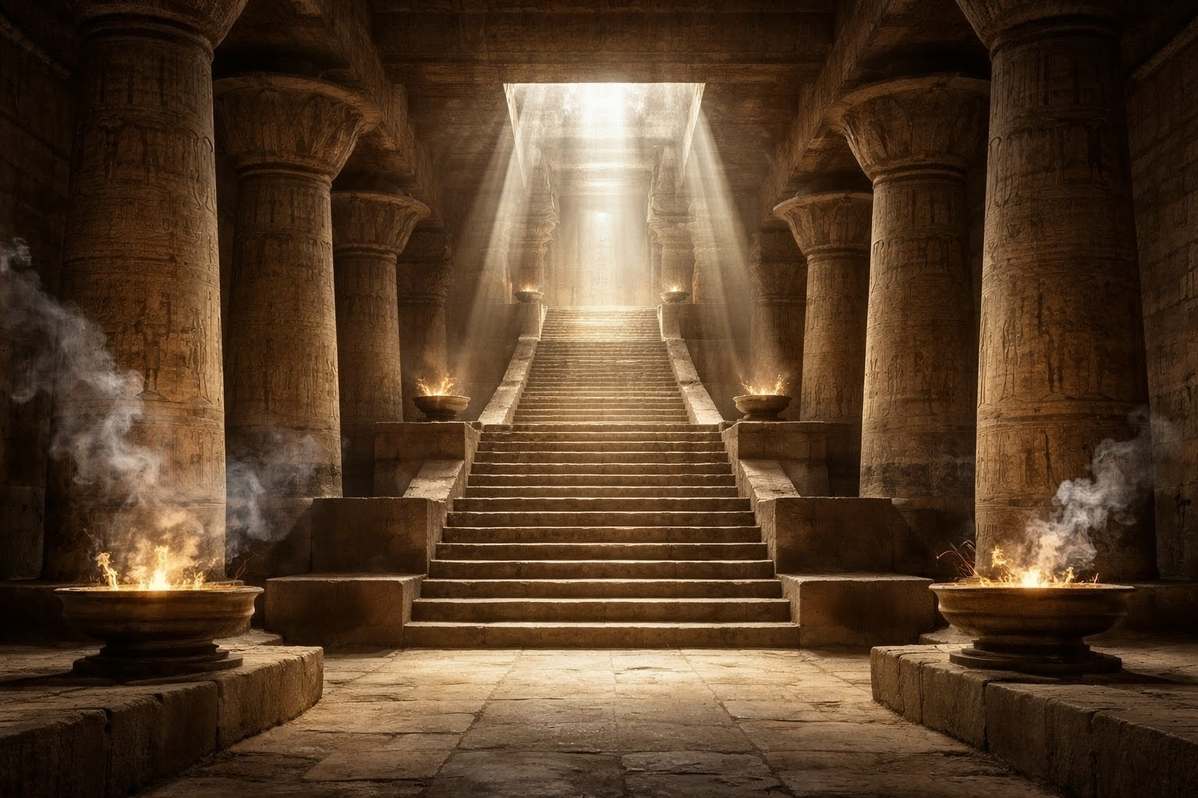
The revelation begins through Youel, an angelic revealer who instructs Allogenes concerning the higher divine realities. Youel is not merely a messenger delivering information. She functions as a guide into a level of knowledge that cannot be reached by ordinary reasoning alone.
In the Sethian and Nag Hammadi world, revealer figures often mediate between the human seeker and the hidden divine realm. Their purpose is not to replace direct knowledge, but to prepare the soul for it. Youel opens the path, names the higher structures and teaches Allogenes how to approach what exceeds speech.
This gives the text its pedagogical shape. Allogenes does not simply burst into the highest reality by force. He receives instruction, contemplates, waits and is gradually brought towards a more refined mode of awareness.
The revelation is therefore staged. First there is teaching. Then contemplation. Then ascent. Then transmission. The text is not a ladder thrown into heaven; it is a training in how to approach the ungraspable without turning it into an object.
Primary Source Theme: Youel instructs Allogenes in the higher divine realities, preparing him to pass from ordinary knowledge into contemplative ascent and apophatic recognition.
The Three-Tiered Structure of Reality
Allogenes presents reality in layered form. At the summit is the Unknowable One, the hidden source beyond all ordinary description. Beneath that threshold is the Triple-Powered One, the highest knowable divine principle. Beneath that is the Barbelo Aeon, the realm of divine fullness, manifestation and first thought.
This structure should not be imagined as a simple stack of places. It is a metaphysical architecture. Each level marks a different way in which divine reality can be present, known, approached or not approached.
The Barbelo Aeon is knowable in a qualified sense. The Triple-Powered One stands at the edge of knowability. The Unknowable One is beyond grasp. The soul ascends by learning the proper mode of relation to each level.
This is why the text is so careful with language. Ordinary speech reaches only so far. As Allogenes rises, the language becomes less descriptive and more apophatic. It tells the reader what the highest source is not, because saying what it is would make it too small.
The Barbelo Aeon
The Barbelo Aeon is the divine realm of first manifestation. Barbelo is already familiar from other Sethian texts such as the Apocryphon of John, where she appears as First Thought, Mother-Father and the first emanation of the Invisible Spirit.
In Allogenes, Barbelo’s realm functions as the knowable divine field through which the soul begins its approach to higher realities. It is not the final source, but it is a luminous threshold where hidden divinity becomes present enough to be contemplated.
Within the Barbelo Aeon, the text refers to figures or levels such as Kalyptos, Protophanes and Autogenes. These are part of the Platonising Sethian vocabulary of hiddenness, manifestation and self-generation.
The Barbelo Aeon therefore holds a delicate position. It is not the lower world, and it is not the utterly unknowable source. It is the divine realm where manifestation begins, where the soul first learns to contemplate what lies beyond ordinary existence.
The Triple-Powered One
The Triple-Powered One is one of the central figures in Allogenes. It represents the highest knowable divine principle, standing between the Barbelo Aeon and the utterly unknowable source.
The text describes this principle through three modes often rendered as Existence, Vitality and Mentality, or Being, Life and Mind. These are not three separate gods. They are three ways of speaking about the highest knowable reality: its stable presence, its living movement and its luminous intelligence.
The Triple-Powered One is difficult because it sits at a threshold. It can be spoken of, but only carefully. It can be approached, but not possessed. It is knowable enough to guide the ascent, but subtle enough to break the ordinary habits of thought.
This triadic structure also shows why Allogenes is important for the history of Platonising Sethianism. The text uses a philosophical vocabulary of being, life and mind to express a distinctly Sethian ascent towards the hidden source.
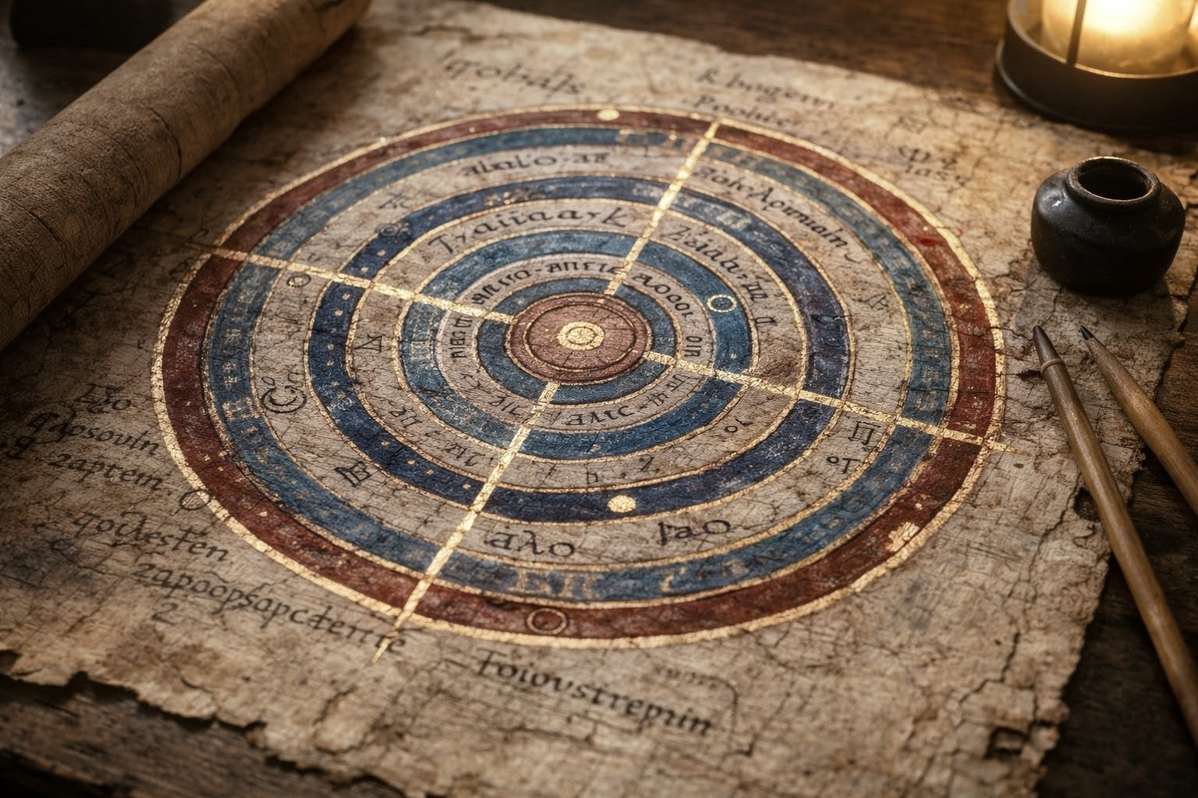
Primary Source Theme: The Triple-Powered One is approached through three modes: Existence, Vitality and Mentality. These point towards the highest knowable divine reality before the soul reaches the threshold of the unknowable.
The Unknowable One
At the summit of Allogenes is the Unknowable One. This is the hidden source beyond all ordinary categories. It cannot be known as an object, described as one being among others or contained by any concept.
The text insists on this point with unusual force. The highest source is not merely difficult to know. It is unknowable in the sense that ordinary knowing does not apply to it. To turn it into a definable object would already be to miss it.
This is the heart of the text’s apophatic theology. The seeker must pass beyond the desire to grasp, define and possess. The highest reality is approached through reverence, stillness and unknowing rather than through conceptual capture.
Yet this unknowing is not empty confusion. It is a refined spiritual discipline. The soul learns the limits of thought so that it can stand before what thought cannot contain.
Negative Theology and Learned Ignorance
The most famous teaching in Allogenes is its instruction not to know the Unknowable One in the ordinary way. The text’s paradox can sound strange, but its meaning is precise: the seeker must remain aware that the highest source exceeds every act of possession by thought.
This is sometimes called negative theology or apophatic theology. Instead of saying what the divine source is, one says what it is not. It is not limited. It is not visible. It is not graspable. It is not one object among others. It is not captured by being or non-being as ordinary thought understands them.
The phrase “learned ignorance” is useful here. It does not mean stupidity or lack of study. It means the wisdom that comes after study, when the seeker understands that concepts are tools, not cages for the divine.
In this sense, Allogenes is a stern little angel standing at the border of speech, politely confiscating every overconfident definition before the soul approaches the silence.
Reading Note: Negative theology does not deny the divine. It protects the divine from being reduced to an object of ordinary thought. The highest source is approached by releasing the need to possess it conceptually.
The Hundred-Year Contemplation
After receiving instruction, Allogenes enters a long period of contemplation. The text speaks in symbolic time, describing a hundred years of inward deliberation. This should not be read only as a literal diary entry. It is a way of saying that the revelation must be digested beyond ordinary haste.
The hundred years mark the difference between receiving information and becoming capable of it. Allogenes does not rush immediately into the highest ascent. He reflects, waits, deepens and becomes receptive to what cannot be forced.
This is one of the quiet lessons of the text. Higher knowledge cannot be seized by impatience. The soul must become spacious enough for what it seeks. The stranger must learn how to stand before the unfamiliar without dragging it back into familiar categories.
Only after this contemplative ripening does Allogenes enter the deeper ascent. The revelation becomes not only something heard, but something lived through.
The Ascent Beyond Ordinary Knowing
The ascent in Allogenes is not a busy travelogue through many heavenly stations. Compared with Zostrianos, it is more focused and more austere. Its drama is interior, philosophical and contemplative.
Allogenes is taken up by eternal light and enters a pure place whose likeness cannot be shown in the world. This language signals a shift beyond ordinary imagery. The ascent is not simply visual spectacle. It is a movement into a mode of reality that cannot be represented by earthly likeness.
The soul approaches the Triple-Powered One, passes through modes of being, life and mind, then reaches the limit where the Unknowable One cannot be grasped. The final movement is not acquisition but release.
This is why Allogenes feels different from more mythic Gnostic texts. There are fewer monsters at the gates and more silent thresholds. The battle is not against a dramatic outer enemy, but against the mind’s own hunger to make the infinite manageable.
Return and Transmission to Messos
The text is framed as a transmission to Messos, the son of Allogenes. This matters because revelation is not left floating as private experience. It is entrusted, preserved and passed on.
Like Zostrianos, Allogenes follows a pattern of ascent and return. The one who has received vision becomes responsible for transmission. The stranger returns with a teaching for those capable of hearing it.
This does not mean the teaching becomes ordinary public information. The text often feels deliberately restricted, as though it belongs to a prepared audience already familiar with Sethian terms and contemplative discipline.
Transmission here is not mass broadcasting. It is lineage. The teaching passes from one who has ascended to one who can receive the discipline of ascent.

Platonising Sethianism and Plotinus
Allogenes is historically important because it stands near the meeting point between Sethian Gnosticism and late antique Platonism. Ancient reports suggest that texts under names such as Zostrianos and Allogenes circulated among groups known to Plotinus and his circle.
This does not mean Allogenes is simply Neoplatonism in Gnostic costume. Nor does it mean it is isolated from philosophy. It belongs to a shared intellectual world where questions about the One, intellect, being, life, mind, hiddenness and ascent were being explored with great intensity.
The text’s triadic language of Existence, Vitality and Mentality is especially important. It shows a deep interest in how the highest knowable reality can be described without collapsing the hidden source into ordinary being.
For readers, this means Allogenes should be treated as serious metaphysical literature. It is not only myth. It is not only ritual. It is a finely tuned instrument of late antique contemplative thought, humming somewhere between Sethian revelation and Platonic silence.
Reading Allogenes Today
Read Allogenes slowly, and do not expect it to behave like a story. Its movement is inward, upward and finally beyond conceptual grasp. It rewards patience more than speed.
A good reading route is to begin with the Apocryphon of John for the Sethian mythic map, then read Trimorphic Protennoia and The Three Steles of Seth for voice and liturgy, then Zostrianos for the long ascent, and finally Allogenes for apophatic refinement.
The text’s modern value lies in its warning against spiritual possession. It refuses to let the seeker turn the highest source into an idea, image, brand, slogan or personal trophy. The Unknowable One remains unknowable, not because the soul is abandoned, but because the divine is greater than the soul’s grasp.
At its deepest level, Allogenes teaches humility before mystery. The stranger ascends not by conquering the hidden source, but by becoming capable of standing before it without reducing it. The final wisdom is not a louder claim. It is a quieter knowing that knows when to fall silent.
Safety Notice: This article explores symbolic, historical and spiritual ideas about ascent, hidden divinity, cosmic levels, altered awareness and spiritual identity. It is intended for grounded study of ancient texts, not as medical, psychological, legal or spiritual advice. If ideas about hidden powers, cosmic systems, spiritual ascent or unseen realities become distressing, obsessive or destabilising, please seek support from a qualified mental health professional or appropriate emergency service.
Frequently Asked Questions
What is Allogenes?
Allogenes is a Platonising Sethian Gnostic text preserved in Nag Hammadi Codex XI,3. Its name means the Stranger or one of another kind, and it presents a revelation about the Barbelo Aeon, the Triple-Powered One and the approach to the Unknowable One.
What does the name Allogenes mean?
Allogenes means stranger, alien or one of another kind. In the text, this points to spiritual identity: the awakened person does not fully belong to the lower cosmic order, but has their origin in a higher realm.
Who is Youel in Allogenes?
Youel is the angelic revealer who instructs Allogenes about the higher divine realities, including the Barbelo Aeon and the Triple-Powered One. She prepares him for contemplative ascent beyond ordinary knowledge.
What is the Triple-Powered One?
The Triple-Powered One is the highest knowable divine principle in Allogenes. It is described through three modes often rendered as Existence, Vitality and Mentality, or Being, Life and Mind.
What is the Unknowable One in Allogenes?
The Unknowable One is the hidden divine source beyond ordinary knowledge, description and conceptual grasp. Allogenes teaches that the seeker must approach this source through apophatic unknowing rather than by trying to possess it as an object of thought.
What is negative theology in Allogenes?
Negative theology, or apophatic theology, is the practice of approaching the divine by recognising what cannot be said or known. In Allogenes, the highest source is approached by releasing ordinary concepts and remaining in disciplined unknowing.
How is Allogenes related to Zostrianos and Marsanes?
Allogenes, Zostrianos and Marsanes are often grouped as Platonising Sethian texts. They combine Sethian themes with advanced philosophical language about ascent, the hidden source, divine intellect and the layered structure of reality.
How should modern readers approach Allogenes?
Modern readers should approach Allogenes slowly, historically and symbolically. It is not a simple narrative but a contemplative and apophatic ascent text. It is best read after foundational Sethian texts such as the Apocryphon of John and Zostrianos.
Further Reading
Continue through the related Sethian ascent and Nag Hammadi source layer:
- Zostrianos: the long Sethian ascent through aeons, baptisms and higher divine realities.
- Marsanes: another advanced Platonising Sethian text focused on metaphysics, ascent and divine structure.
- The Five Seals: ritual-symbolic background for Sethian baptism, sealing and spiritual restoration.
- The Apocryphon of John: the foundational Sethian mythic map of Barbelo, Sophia, Yaldabaoth and the archons.
- Trimorphic Protennoia: the threefold descent of First Thought and the divine voice of restoration.
- The Three Steles of Seth: Sethian hymns of praise and ascent centred on the immovable race.
- Hypsiphrone: a fragmentary ascent text associated with seal imagery.
- Ascent Literature in the Nag Hammadi Library: the broader context of heavenly ascent, archons and spiritual passage.
- Gnostic Schools: a comparative overview of Sethian, Valentinian, Hermetic and related currents.
- Nag Hammadi Library: Complete Guide to the Gnostic Scriptures: the broader archive guide to the codices, tractates and traditions.
References and Sources
The following sources support the historical, textual and interpretive claims made in this article.
Primary Sources and Critical Editions
- Allogenes. Nag Hammadi Codex XI,3.
- Funk, Wolf-Peter. L’Allogène (NH XI,3). Bibliothèque copte de Nag Hammadi, Section “Textes” 30. Presses de l’Université Laval / Peeters, 2004.
- Turner, John D. “Allogenes: Introduction, Translation, and Notes,” in Nag Hammadi Codices XI, XII, XIII. Brill.
- King, Karen L. Revelation of the Unknowable God: With Text, Translation, and Notes to NHC XI,3 Allogenes. Polebridge Press, 1995.
- Robinson, James M., ed. The Nag Hammadi Library in English. Harper & Row / HarperSanFrancisco, revised editions.
- Meyer, Marvin, ed. The Nag Hammadi Scriptures. HarperOne, 2007.
Scholarly Monographs and Studies
- Turner, John D. Sethian Gnosticism and the Platonic Tradition. Presses de l’Université Laval, 2001.
- Burns, Dylan M. Apocalypse of the Alien God: Platonism and the Exile of Sethian Gnosticism. University of Pennsylvania Press, 2014.
- Brakke, David. The Gnostics: Myth, Ritual, and Diversity in Early Christianity. Harvard University Press, 2010.
- Logan, Alastair H. B. The Gnostics: Identifying an Early Christian Cult. T&T Clark, 2006.
- Williams, Michael Allen. The Immovable Race: A Gnostic Designation and the Theme of Stability in Late Antiquity. Brill, 1985.
- Williams, Michael Allen. Rethinking “Gnosticism”: An Argument for Dismantling a Dubious Category. Princeton University Press, 1996.
Comparative and Thematic Studies
- Burns, Dylan M. “Apophatic Strategies in Allogenes (NHC XI,3).” Harvard Theological Review, 2010.
- Turner, John D. “The Gnostic Threefold Path to Enlightenment: The Ascent of Mind and the Descent of Wisdom.” Novum Testamentum, 1980.
- Mazur, Zeke. Studies on the Platonising Sethian background of Plotinus’s mysticism.
- van den Broek, Roelof. Gnostic Religion in Antiquity. Cambridge University Press, 2013.
- DeConick, April D., Gregory Shaw and John D. Turner, eds. Practicing Gnosis: Ritual, Magic, Theurgy and Liturgy in Nag Hammadi, Manichaean and Other Late Antique Literature. Brill, 2013.
Reading Note: Allogenes is best read after Zostrianos. Zostrianos gives the long ascent through layered realms, while Allogenes refines the ascent into apophatic contemplation of the Unknowable One.