The Tripartite Tractate: Valentinian Theology in Systematic Form
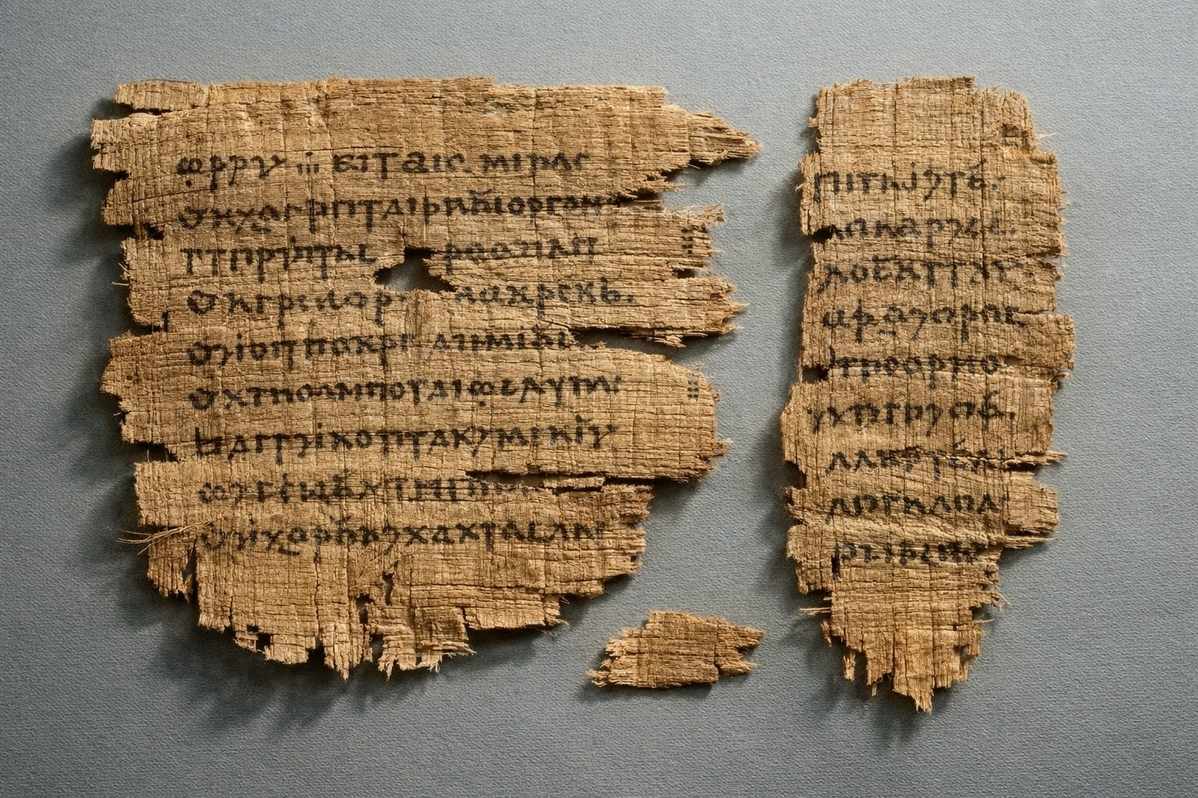
The Tripartite Tractate is the longest and most systematic Valentinian text preserved in the Nag Hammadi Library. Found in Nag Hammadi Codex I,5, also known as the Jung Codex, it offers a wide theological account of divine fullness, cosmic deficiency, creation, the Saviour, the Church, threefold humanity and final restoration.
Where the Gospel of Truth sings of joy, error and recognition, and the Gospel of Philip speaks through sacrament, image and bridal chamber, the Tripartite Tractate gives the larger Valentinian architecture. It is less lyrical than the Gospel of Truth, less symbolic than Philip, but much more expansive as a theological map.
The text is called “tripartite” because it moves through three broad movements: the divine realm, the fall or deficiency, and the work of restoration. It also reflects a threefold anthropology: spiritual, psychic and material. Read carefully, this is not merely a rigid classification system. It is an attempt to explain why people respond differently to truth, how restoration unfolds, and how the Fullness heals what has become divided.
What is the Tripartite Tractate?
The Tripartite Tractate is a long Valentinian or Valentinian-related theological treatise preserved in Nag Hammadi Codex I,5. It explains the Father, the Son, the Church, the Pleroma, the emergence of deficiency, the creation of the world, the threefold structure of humanity, and the Saviour’s work of restoration.
The text is important because it gives one of the fullest surviving accounts of Valentinian systematic theology, turning the poetic recognition of the Gospel of Truth into a broad map of origin, fall and return.
Table of Contents
- Text and Codex Setting
- Why the Tripartite Tractate Matters
- Why Is It Called Tripartite?
- The Father Beyond Comprehension
- The Son, the Church and the Fullness
- The Pleroma and the Aeons
- Deficiency, Ignorance and Cosmic Disorder
- Creation and the Lower World
- Threefold Humanity: Spiritual, Psychic and Material
- The Saviour and the Work of Restoration
- The Church as Body and Fullness
- The Economy of Salvation
- Comparison with the Gospel of Truth and Gospel of Philip
- Reading the Tripartite Tractate Today
- Frequently Asked Questions
- Further Reading
- References and Sources
Text and Codex Setting
The Tripartite Tractate is preserved in Nag Hammadi Codex I, the Jung Codex. It appears as the fifth tractate in a codex that also contains the Prayer of the Apostle Paul, the Apocryphon of James, the Gospel of Truth and the Treatise on the Resurrection.
This setting matters. Codex I is one of the strongest Valentinian or Valentinian-flavoured collections in the Nag Hammadi Library. The Gospel of Truth gives a poetic meditation on error and recognition. The Treatise on the Resurrection explores resurrection as present spiritual reality. The Tripartite Tractate then offers a much larger theological account of how all things come from the Father and return through restoration.
The text is long, careful and systematic. It does not have the quick flash of a sayings gospel or the dramatic mythic force of the Apocryphon of John. Its power lies in architecture. It builds a world of thought layer by layer.
Codex Note: The Tripartite Tractate is Nag Hammadi Codex I,5. It belongs beside the Gospel of Truth and the Treatise on the Resurrection as part of the Jung Codex’s strongly Valentinian source layer.
Why the Tripartite Tractate Matters
The Tripartite Tractate matters because it gives one of the most complete surviving examples of Valentinian theological reflection. It is not content with a single image or theme. It tries to explain the whole movement of reality: from the Father, through the Fullness, into deficiency, creation and restoration.
It also matters because it complicates easy stereotypes about Gnosticism. The text is not simply anti-cosmic rage. It is ordered, careful and deeply concerned with integration. The problem is ignorance and deficiency, not a universe ruled by equal and opposite gods.
Its anthropology is also important. The distinction between spiritual, psychic and material humanity can sound harsh to modern ears, and it should not be imported into modern life as a judgemental ranking system. In its ancient setting, it attempts to explain different levels of response to truth, different capacities for recognition, and the staged work of restoration.
For the ZenithEye reading route, this text is best read after the Gospel of Truth. The Gospel of Truth gives the felt experience of recognition. The Tripartite Tractate gives the theological scaffolding behind that recognition.
Why Is It Called Tripartite?
The modern title Tripartite Tractate points to the text’s threefold structure. It is often understood as moving through three large theological divisions: the divine realm, the emergence of deficiency and creation, and the Saviour’s work of restoration.
The title also resonates with the text’s threefold anthropology: spiritual, psychic and material. This threefold pattern is one of the most recognisable features of Valentinian thought.
But the word “tripartite” should not make the text sound dry. Its threefold structure is not just a filing system. It is a movement: fullness, fracture and healing. Origin, estrangement and return.
The text’s deepest concern is restoration. Division is real, but not final. The threefold drama exists so the reader can understand how what has become separated may be gathered back into the Fullness.
The Father Beyond Comprehension
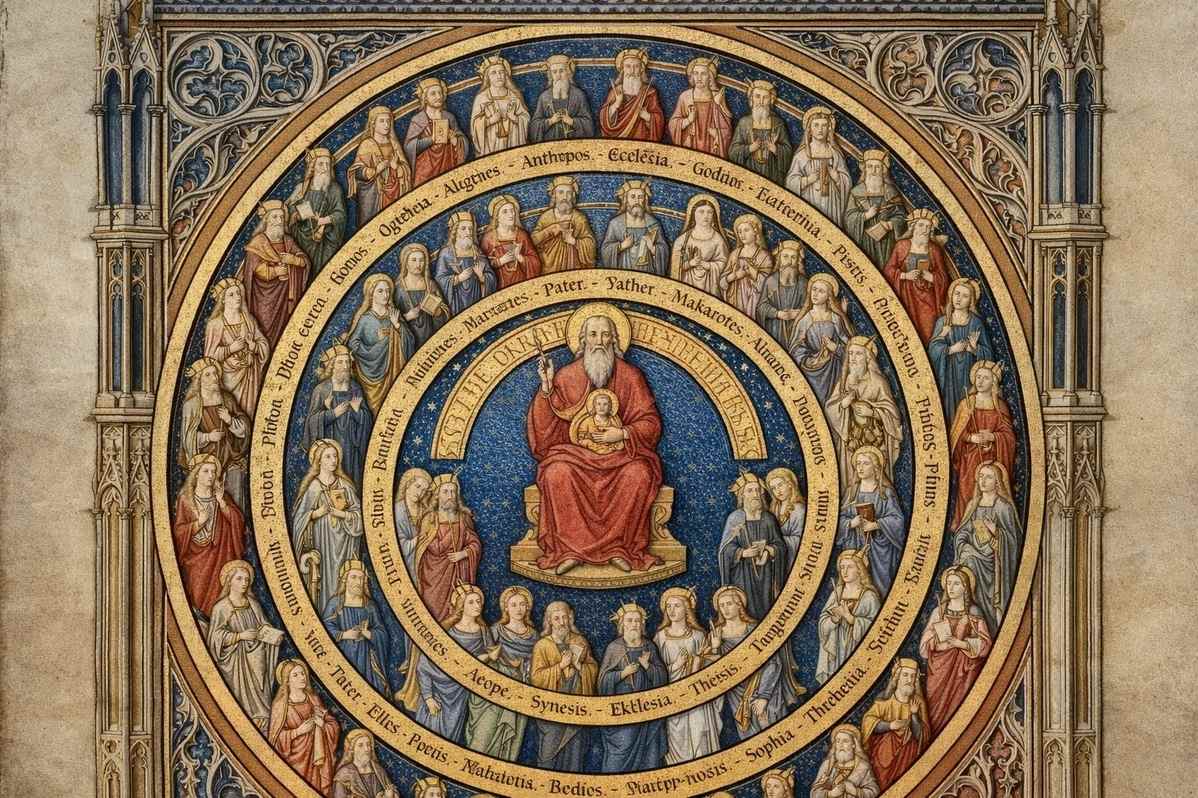
The first great theme of the Tripartite Tractate is the Father. The Father is the root and source of all things, yet remains beyond ordinary comprehension. He is not one object among others, not even the greatest object. He is the hidden source from which all fullness proceeds.
Valentinian theology often speaks of the Father through language of depth, silence, root and source. This is apophatic language: it gestures towards what cannot be contained by ordinary names.
The Father is not absent, but transcendent. He is hidden because he exceeds direct grasp, not because he is indifferent. The whole drama of revelation is the movement by which what is hidden becomes known through the Son and through the unfolding of the Fullness.
This gives the text a contemplative foundation. All theology begins in the recognition that the source is deeper than the mind’s grasp. The map begins with mystery.
The Son, the Church and the Fullness
The Tripartite Tractate gives major importance to the Son and the Church. The Son is the one through whom the Father becomes knowable. The Church is not merely an earthly institution, but a spiritual reality connected to the Saviour and the Fullness.
This is one of the places where Valentinian theology differs from simpler anti-institutional stereotypes. The text can speak positively of Church, body, head, members and fullness, while still interpreting these realities through a deeper spiritual framework.
The Church is not only a social organisation. It is a symbolic and mystical body. It belongs to the drama of restoration, because the scattered are gathered into relation with the Saviour.
This makes the text unusually integrative. Revelation is not only private interior experience. It has a communal and cosmic dimension. What is divided must become body again.
Primary Source Theme: The text presents the Saviour and the Church through images of head, body and fullness. Restoration is not only individual awakening, but the re-gathering of the divided into living relation.
The Pleroma and the Aeons
The Pleroma means Fullness. In Valentinian theology, it is the divine realm of fullness, relation and emanation. The aeons are not ordinary gods in competition with the Father, but aspects or expressions of divine reality within the Fullness.
Valentinian sources often speak of aeons in paired structures called syzygies. These paired emanations suggest that divine life unfolds relationally. Fullness is not sterile isolation. It is generative harmony.
The Tripartite Tractate is less interested in giving a simple mythic cartoon of heaven than in explaining how fullness can overflow, how relation can become complex, and how deficiency can arise without making the Father the author of evil.
The Pleroma therefore serves as the text’s north star. Everything begins in fullness, everything suffers when fullness is not known, and everything is restored by returning to relation with fullness.
Deficiency, Ignorance and Cosmic Disorder
In the Tripartite Tractate, deficiency arises through ignorance. This is a crucial Valentinian idea. The problem is not simply rebellion, wickedness or matter itself. The problem is lack of knowledge of the Father.
Ignorance produces disorder because what does not know its source cannot remain properly ordered towards that source. It becomes unstable, partial and deficient.
This makes Valentinian thought psychologically subtle. Error is not only moral failure. It is misrelation. A being that does not know where it comes from cannot know what it is for.
Deficiency is therefore not equal to the Fullness. It is a shadow cast by not knowing. Its healing comes through revelation, recognition and the Saviour’s work of restoration.
Reading Note: In Valentinian theology, ignorance is not mere lack of information. It is estrangement from source. Knowledge restores relation, and relation heals deficiency.
Creation and the Lower World
The text’s account of creation is part of its larger attempt to explain how the lower world arises without making the highest Father directly responsible for deficiency. Creation belongs to the realm of mixture, development and correction.
Compared with sharper Sethian myths, Valentinian creation theology often feels less combative. The lower world is marked by ignorance and limitation, but it is also part of a process through which what is deficient may be educated, ordered and restored.
This does not mean the material world is simply good in an uncomplicated way. It is still a realm of deficiency, ignorance and limitation. But it is not beyond the reach of restoration.
The lower world becomes a place where the spiritual seed can awaken, where the Saviour can appear, and where the drama of return can unfold. Matter is a veil, but not an absolute wall.
Threefold Humanity: Spiritual, Psychic and Material
One of the most famous and difficult features of Valentinian thought is its threefold account of humanity. The Tripartite Tractate reflects a distinction between the spiritual, the psychic and the material.
The spiritual are associated with the divine seed and the capacity for direct recognition of the higher source. They belong most deeply to the Pleroma and are awakened by gnosis.
The psychic are associated with soul, faith, formation and moral development. They stand in an intermediate place, capable of response, growth and participation in salvation.
The material are associated with the level of matter, ignorance and dissolution. In ancient Valentinian anthropology, this category marks the part of reality that does not endure as spiritual life.
Modern readers should handle this carefully. It should not be used as a spiritual caste system or as permission to judge living people. In context, the threefold structure is a mythic and theological attempt to describe different levels of relation to truth, not a tool for contempt.
In Plain Terms
The threefold humanity theme asks why people respond differently to truth. Some recognise it inwardly, some grow towards it through faith and formation, and some remain bound to surface life. Read as spiritual anthropology, it describes levels of awakening. Read badly, it becomes arrogance. The text needs care.
The Saviour and the Work of Restoration
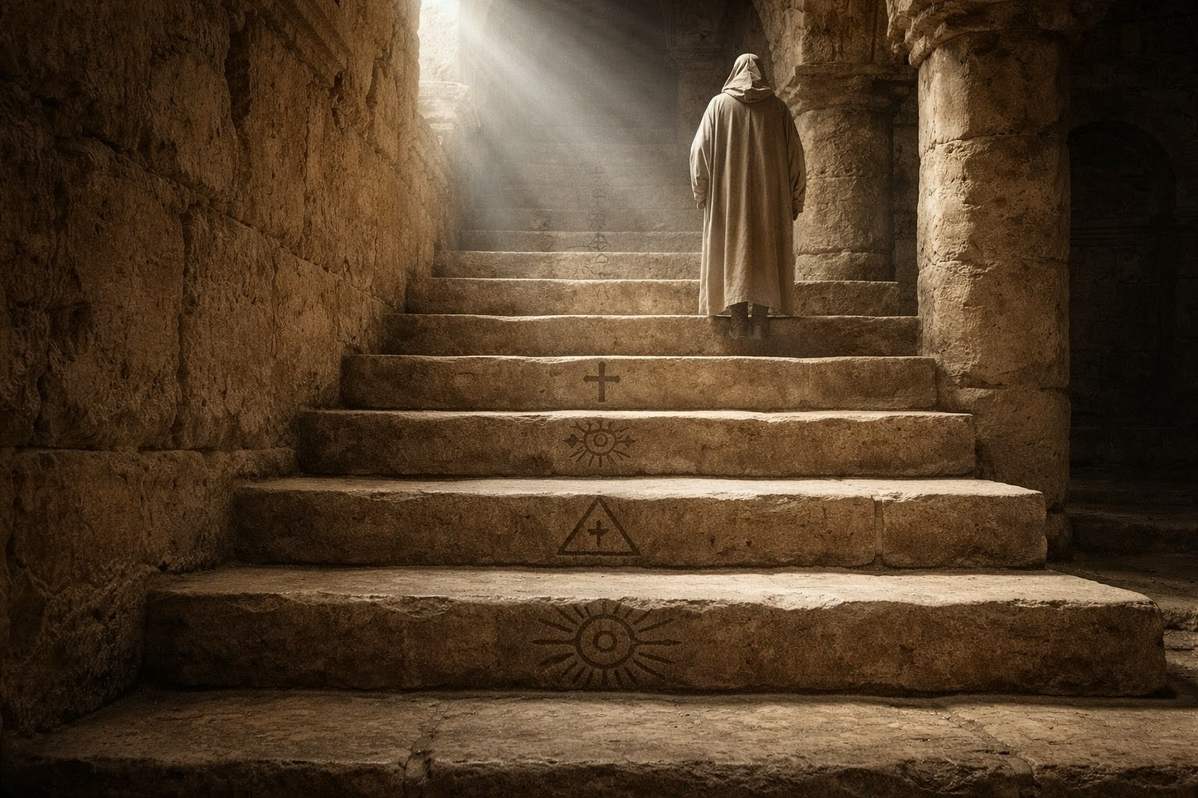
The Saviour enters the text as the one who restores what has become deficient. His work is not merely to punish error or destroy the lower world. It is to reveal, heal, gather and return.
This is one of the clearest continuities with the Gospel of Truth. The Saviour reveals the Father and awakens those who have wandered. In the Tripartite Tractate, that same work is placed inside a larger theological sequence.
The Saviour makes the hidden known. He shows beings their true relation to the source. He brings order where ignorance produced disorder. He gathers the spiritual seed and restores relation to the Fullness.
The result is not escape alone. It is reintegration. What was scattered is brought back into living order.
The Church as Body and Fullness
The Tripartite Tractate gives notable importance to the Church as the body of the Saviour. This is one reason the text feels closer to wider Christian theological language than some more sharply mythic Gnostic texts.
But “Church” here should be read in a mystical sense as well as an institutional one. It is the gathered body of those restored through the Saviour. It is the form that relation takes when the scattered are no longer scattered.
The Saviour is the head, and the Church is the body. The image implies mutual belonging. The body is not a prison, but a living organism of restored relation.
This is an important Valentinian theme: gnosis does not have to mean isolation. Recognition can create communion. The awakened are not only removed from the world; they are gathered into a body of meaning.
The Economy of Salvation
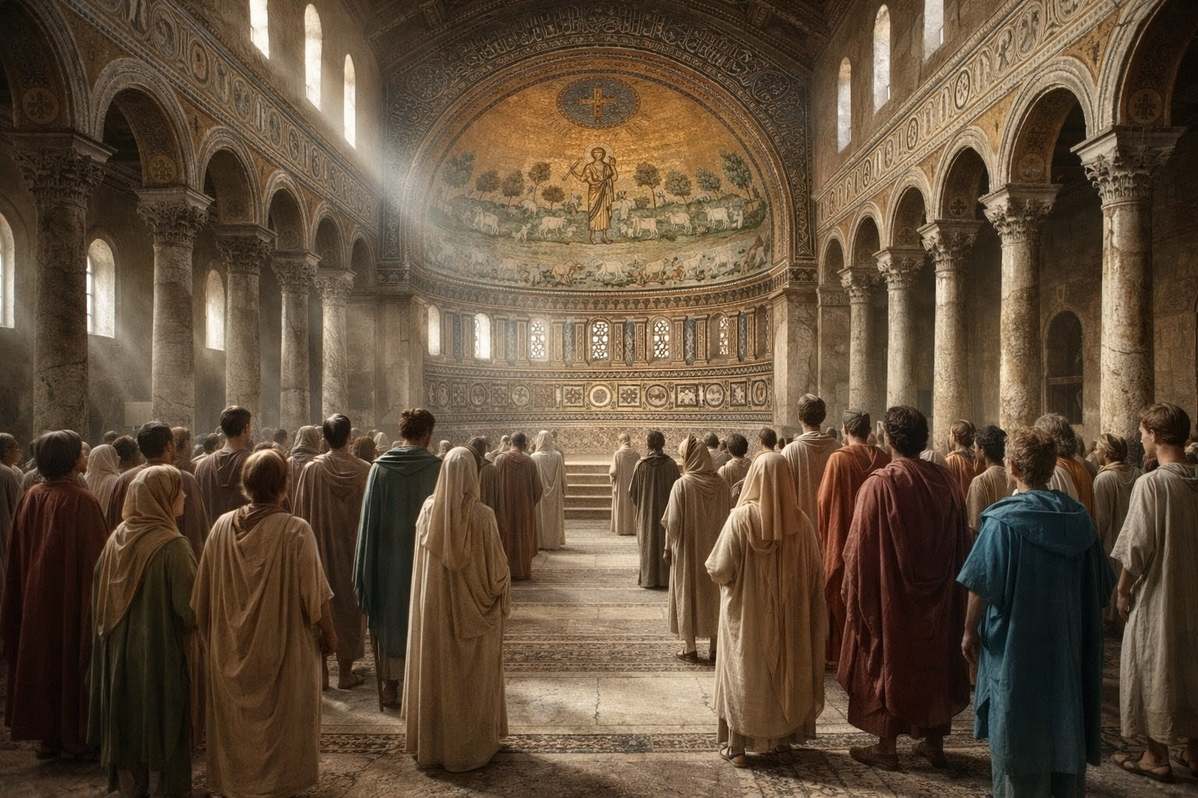
The text presents salvation as an unfolding economy rather than a single isolated moment. Calling, turning, faith, knowledge and union can be read as stages in the movement from ignorance to restoration.
Calling is the first stirring. Something in the person hears that the present condition is not final.
Repentance is turning. The soul begins to reorient away from deficiency and towards the source.
Faith is trust in the revelation given through the Saviour. It is not blind belief, but relational confidence before full understanding.
Knowledge is recognition. The spiritual reality becomes known inwardly, not merely accepted from outside.
Union is the final movement of restoration. The divided returns to Fullness. What was known in fragments is known in wholeness.
This gradual approach is one of the text’s gifts. It recognises spiritual development as a process. The seed awakens, grows, turns, recognises and returns.
Comparison with the Gospel of Truth and Gospel of Philip
The Tripartite Tractate becomes easier to understand when read beside the Gospel of Truth and the Gospel of Philip.
The Gospel of Truth gives Valentinian recognition in poetic form. It speaks of joy, error, the Father’s name, the living book, the garment and the rest of those who know.
The Gospel of Philip gives Valentinian restoration in sacramental form. It speaks of baptism, chrism, eucharist, redemption, bridal chamber, names, images and sacred union.
The Tripartite Tractate gives Valentinian theology in systematic form. It explains the larger structure behind joy and sacrament: Father, Fullness, deficiency, creation, humanity, Saviour, Church and final restoration.
Together, these three texts offer a powerful route through the Valentinian source layer: recognition, sacrament and system. A little triad of lamps in the Nag Hammadi labyrinth.
Reading the Tripartite Tractate Today
Modern readers should approach the Tripartite Tractate patiently. It is not the easiest Nag Hammadi text, and it does not sparkle with quick aphorisms. It is long, layered and theological.
Its value lies in seeing how Valentinian Christians thought in depth. They were not only collectors of secret sayings or lovers of mythic drama. They could build a complete theological world with its own logic, anthropology, ecclesiology and vision of restoration.
The threefold anthropology needs special caution today. It should not be used to rank people, spiritualise superiority or turn gnosis into elitism. The better reading is developmental and symbolic: people live at different levels of recognition, and restoration works according to capacity, response and grace.
At its best, the Tripartite Tractate offers a sober and spacious theology of return. The world is deficient, but not hopeless. The soul is mixed, but not abandoned. The Fullness is hidden, but not lost. Restoration moves quietly through the whole structure, gathering what wandered until the broken grammar of existence begins to speak its original name again.
Safety Notice: This article explores symbolic, historical and spiritual ideas about spiritual classes, hidden knowledge, cosmic deficiency, restoration, ecclesiology and the return to divine Fullness. It is intended for grounded study of ancient texts, not as medical, psychological, legal or spiritual advice. Do not use tripartite anthropology to rank or diminish living people. If themes of spiritual identity, hierarchy, hidden status or cosmic systems become distressing, obsessive or destabilising, please seek support from a qualified professional, trusted support service or appropriate emergency service.
Frequently Asked Questions
What is the Tripartite Tractate?
The Tripartite Tractate is a long Valentinian or Valentinian-related theological treatise preserved in Nag Hammadi Codex I,5. It explains the Father, the Pleroma, deficiency, creation, threefold humanity, the Saviour, the Church and final restoration.
Where is the Tripartite Tractate found?
The Tripartite Tractate is found in Nag Hammadi Codex I, also known as the Jung Codex. It appears as tractate 5, after the Treatise on the Resurrection.
Why is it called tripartite?
It is called tripartite because the text has a threefold structure and also reflects a threefold anthropology. It moves through divine fullness, deficiency and restoration, while also distinguishing spiritual, psychic and material humanity.
Is the Tripartite Tractate Valentinian?
Yes, the Tripartite Tractate is widely understood as a Valentinian or Valentinian-related text. Its themes of the Father, Pleroma, deficiency, threefold humanity, the Saviour and restoration belong strongly to the Valentinian theological world.
What is tripartite anthropology?
Tripartite anthropology is the distinction between spiritual, psychic and material humanity. In Valentinian thought, these categories describe different levels of relation to truth, capacity for recognition and participation in restoration. They should not be used as a modern caste system or judgement of living people.
How does the Tripartite Tractate differ from the Gospel of Truth?
The Gospel of Truth is lyrical and contemplative, focused on joy, error and recognition. The Tripartite Tractate is systematic and theological, giving the wider Valentinian structure behind those themes: Father, Pleroma, deficiency, creation, Saviour, Church and restoration.
What does the Tripartite Tractate teach about the Church?
The text presents the Church as connected to the Saviour’s body and fullness. This gives it a more integrative ecclesiology than some Gnostic texts, showing the gathered community as part of restoration rather than merely an obstacle to knowledge.
How should modern readers approach the Tripartite Tractate?
Modern readers should approach the Tripartite Tractate patiently as a systematic Valentinian text. It is best read after the Gospel of Truth and Gospel of Philip, and its threefold anthropology should be handled carefully as ancient symbolic theology, not modern social ranking.
Further Reading
Continue through the related Valentinian, Codex I and systematic theology source layer:
- The Gospel of Truth: the poetic Valentinian meditation on joy, error, recognition and the Father’s name.
- The Gospel of Philip: the sacramental Valentinian text of bridal chamber, chrism, names, images and sacred union.
- The Treatise on the Resurrection: resurrection as present transformation and spiritual understanding in Codex I.
- Codex I: The Jung Codex: the manuscript setting of the Gospel of Truth, Treatise on the Resurrection and Tripartite Tractate.
- Valentinian Gnosticism: the wider school of Pleroma, deficiency, spiritual seed and restoration.
- A Valentinian Exposition: another technical Valentinian text from Codex XI.
- The Interpretation of Knowledge: Valentinian teaching on spiritual and psychic humanity, community and recognition.
- The Exegesis on the Soul: the soul as fallen bride, called back into restoration and sacred union.
- Gnostic Schools: a comparison of Sethian, Valentinian, Hermetic and related currents.
- Nag Hammadi Library: Complete Guide to the Gnostic Scriptures: the broader archive guide to the codices, tractates and traditions.
References and Sources
The following sources support the historical, textual and interpretive claims made in this article.
Primary Sources and Critical Editions
- The Tripartite Tractate. Nag Hammadi Codex I,5.
- The Gospel of Truth. Nag Hammadi Codex I,3.
- The Treatise on the Resurrection. Nag Hammadi Codex I,4.
- Attridge, Harold W., and Elaine Pagels. Studies and editions of The Tripartite Tractate in the Nag Hammadi Codex I critical tradition.
- Attridge, Harold W., and George W. MacRae. Nag Hammadi Codex I: The Jung Codex. Brill.
- Robinson, James M., ed. The Nag Hammadi Library in English. Harper & Row / HarperSanFrancisco, revised editions.
- Meyer, Marvin, ed. The Nag Hammadi Scriptures. HarperOne, 2007.
- Layton, Bentley. The Gnostic Scriptures. Doubleday, 1987.
Scholarly Monographs and Studies
- Thomassen, Einar. The Spiritual Seed: The Church of the Valentinians. Brill, 2006.
- Dunderberg, Ismo. Beyond Gnosticism: Myth, Lifestyle, and Society in the School of Valentinus. Columbia University Press, 2008.
- Markschies, Christoph. Valentinus Gnosticus? Mohr Siebeck, 1992.
- King, Karen L. What Is Gnosticism?. Harvard University Press, 2003.
- Williams, Michael Allen. Rethinking “Gnosticism”: An Argument for Dismantling a Dubious Category. Princeton University Press, 1996.
- Brakke, David. The Gnostics: Myth, Ritual, and Diversity in Early Christianity. Harvard University Press, 2010.
Comparative and Thematic Studies
- Pagels, Elaine. The Gnostic Paul: Gnostic Exegesis of the Pauline Letters. Fortress Press, 1975.
- Pagels, Elaine. The Gnostic Gospels. Random House, 1979.
- Pearson, Birger A. Ancient Gnosticism: Traditions and Literature. Fortress Press, 2007.
- Logan, A.H.B. Gnostic Truth and Christian Heresy: A Study in the History of Gnosticism. T&T Clark, 1996.
- Turner, John D. Sethian Gnosticism and the Platonic Tradition. Presses de l’Université Laval, 2001.
Reading Note: The Tripartite Tractate is best read after the Gospel of Truth and the Gospel of Philip. Truth gives the joy of recognition, Philip gives the sacramental mystery of restoration, and the Tripartite Tractate gives the wider Valentinian structure of Fullness, deficiency and return.