Where Do New Souls Come From? 5 Spiritual Perspectives on Population Growth & Reincarnation
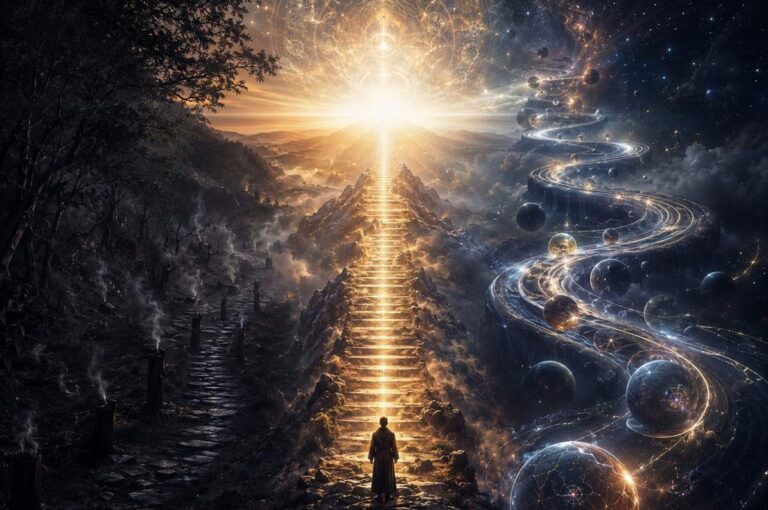
The mathematics seems impossible. Two thousand years ago, Earth hosted roughly 300 million people. Today? Over 8 billion conscious beings walking this planet. If souls recycle through reincarnation—a belief held by billions across Hindu, Buddhist, and New Age traditions—where do new souls come from when the population multiplies twenty-fold?

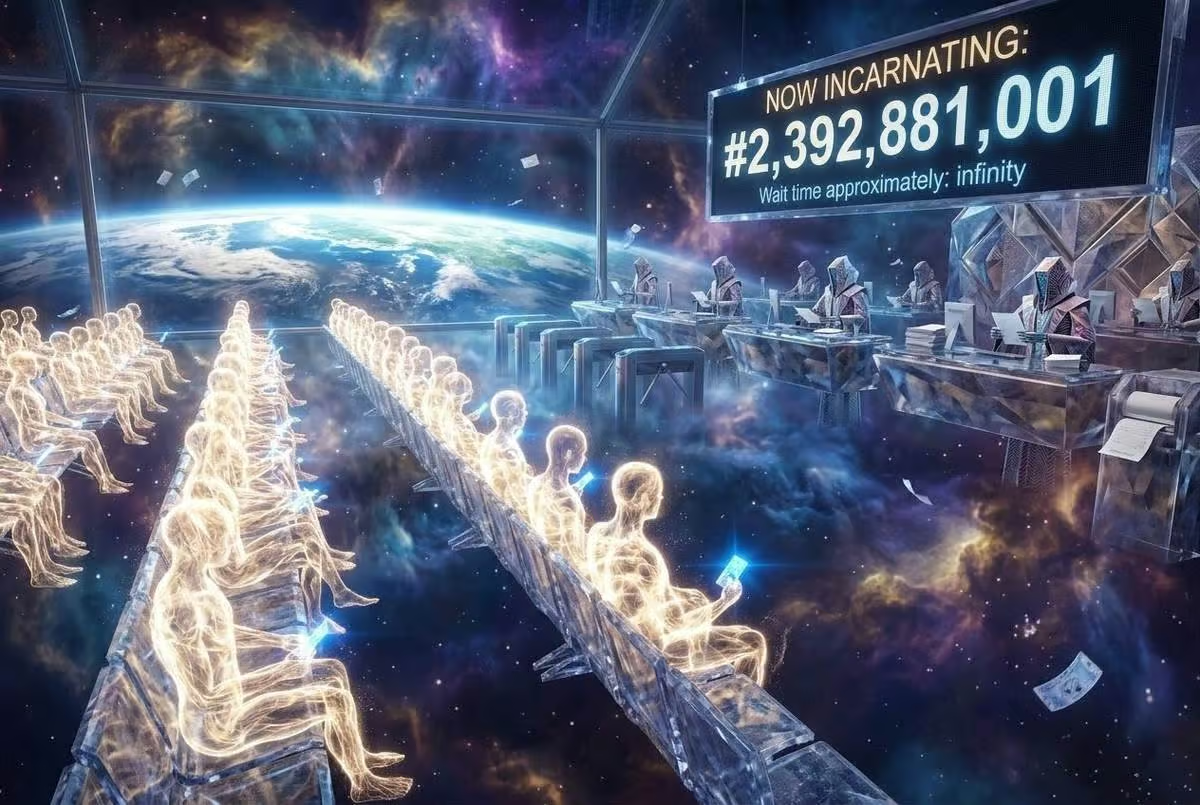
The celestial accounting department faces a crisis. How does one balance the cosmic ledger when the debit side shows 300 million ancient entries, yet the credit column swells to 8 billion contemporary manifestations? Perhaps the archons’ filing system isn’t as rigid as we supposed. Perhaps souls aren’t static entities locked in perpetual recycling, but dynamic consciousness capable of expansion, fragmentation, and fresh emergence.
1. The Soul Splitting Hypothesis – Division Without Diminution
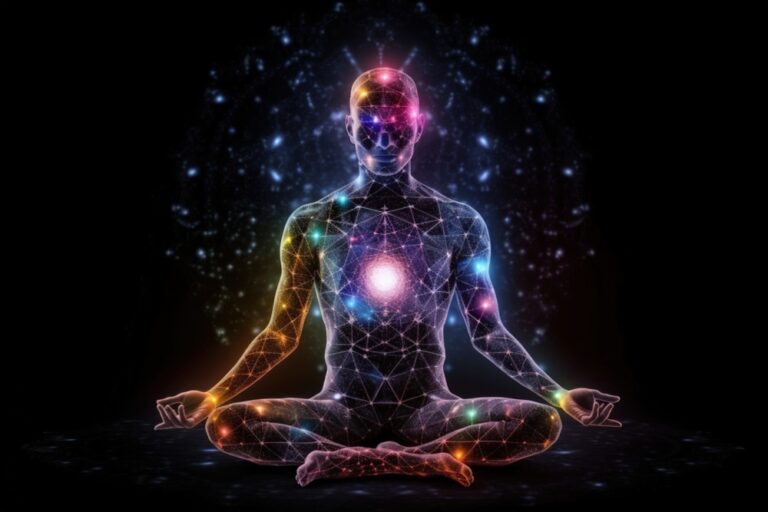
One elegant solution suggests souls aren’t static entities but capable of fragmentation and expansion. Like a hologram where each piece contains the whole, ancient souls may divide their essence to birth entirely new consciousness.

Theosophical traditions propose that advanced souls—having accumulated vast experience across millennia—can voluntarily “splinter” aspects of themselves. These fragments evolve independently, eventually maturing into fully autonomous souls. Think of it as spiritual mitosis: the parent soul doesn’t diminish; rather, it propagates wisdom outward whilst maintaining its core.
This mirrors observed patterns in nature: cells divide, forests expand through root systems, and knowledge spreads through teaching without depleting the source. The cosmic bureaucracy, it seems, operates on holographic principles—each division creates multiplicity without loss of original data.
2. The Cosmic Waiting Room – Souls Beyond Earth
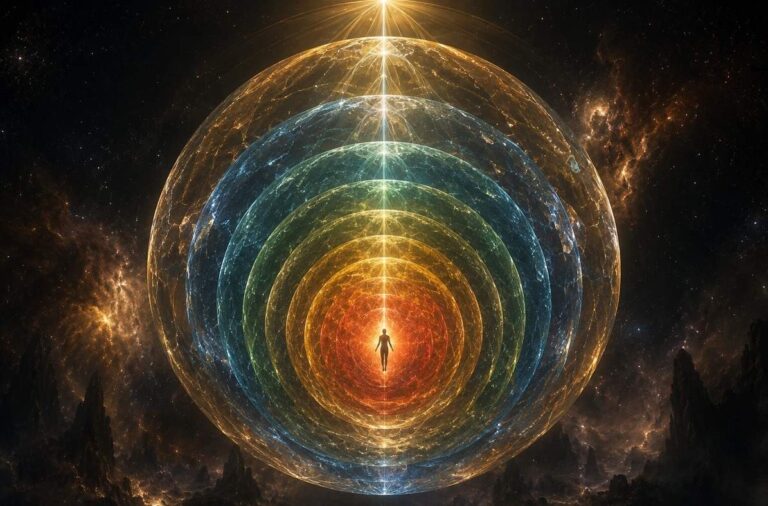
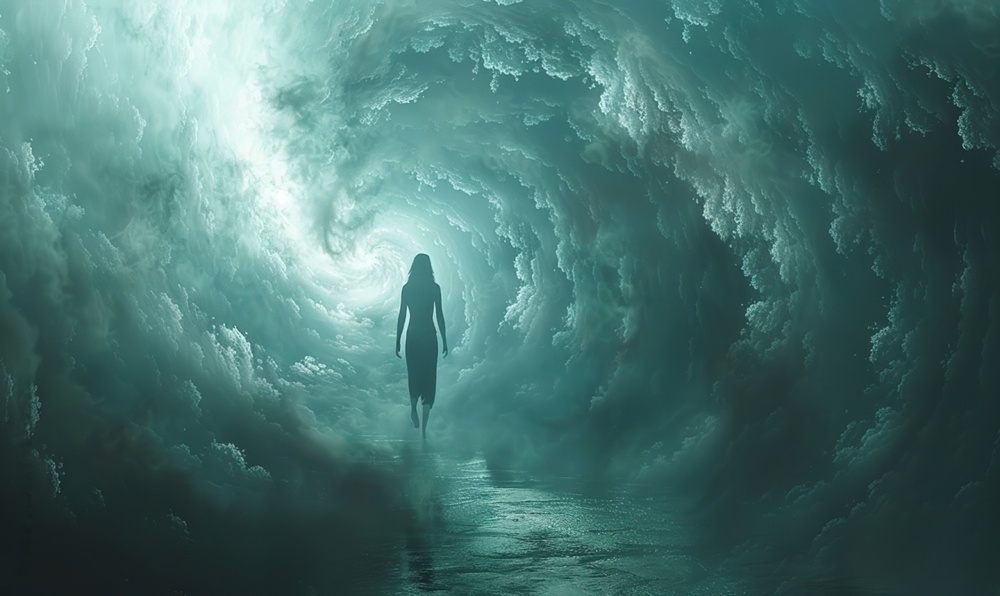
Where do new souls come from if we consider Earth merely one classroom among infinite others? Many esoteric traditions describe soul pools existing beyond terrestrial boundaries—consciousness reservoirs awaiting incarnation.
Eastern philosophies reference lokas (realms) and bardos (intermediate states) populated by beings seeking physical experience. As Earth evolved suitable biological vessels—particularly Homo sapiens with our complex neocortex—souls from across the cosmos may have migrated here, drawn by unprecedented opportunities for growth.
The population explosion coincides with humanity’s technological and cultural complexity. Perhaps the universe sent its seekers here precisely because Earth now offers lessons unavailable elsewhere—a kind of spiritual immigration surge attracted by the intensity of our planetary curriculum.
3. The New Soul Emergence Theory – Fresh Consciousness Creation
Some contemporary spiritual thinkers propose that souls are continuously created, not merely recycled. The Source—whether conceived as God, Universal Consciousness, or the Ground of Being—doesn’t operate with finite resources.
In this view, older souls provide templates and mentorship, whilst brand-new souls enter existence constantly, bringing fresh perspectives unburdened by karmic history. These “newcomers” might explain certain generational shifts: the rapid adaptation to digital existence, alternative relationship structures, or unprecedented environmental consciousness observed in younger cohorts.
They arrive without ancestral baggage, offering revolutionary rather than evolutionary contributions to collective human development. Like new hires entering a staid corporation, they question procedures the old guard accepted as immutable.
4. The Parallel Incarnation Model – One Soul, Many Bodies
Quantum physics introduced Western minds to non-locality—particles existing in multiple locations simultaneously. Applied to consciousness, this suggests individual souls might incarnate across multiple bodies.
If one soul can occupy thousands of bodies across temporal boundaries, population growth requires no additional souls—merely increased fragmentation of existing ones across the time-space continuum. Your soul might be experiencing the Roman Empire, the distant future, and your current Tuesday morning simultaneously, each incarnation a different finger of the same hand.
5. The Species Expansion Principle – Beyond Human Form
Finally, we might question the assumption that souls are exclusively human. As Earth’s biomass has transformed—forests expanding, ecosystems diversifying, domesticated animal populations exploding—souls may graduate between species.
Ancient traditions including Pythagorean, Hindu, and certain Indigenous beliefs describe consciousness evolution through mineral, plant, animal, and finally human forms. The dramatic increase in complex lifeforms over millennia suggests more souls reaching “graduation thresholds,” ascending into human incarnation.
Your soul might have experienced oak, wolf, and dolphin before its first human birth. The population surge reflects not new soul creation, but accelerated evolution through kingdoms of nature—promotions from the vertebrate department to the primate division.
Which Soul Are You? A Contemplative Inventory
Beyond theological puzzle-solving, this inquiry offers profound self-discovery.
The question where do new souls come from ultimately transforms into what kind of soul am I, and what is my purpose in this particular historical moment?
Which perspective resonates suggests something about your soul’s perceived age and origin:
Drawn to soul splitting? You may identify as an “old soul,” potentially carrying fragmentary memories of multiple lineages. You sense you’ve been here before, many times, wearing different masks but recognising the same backstage corridors.
Intrigued by cosmic migration? Perhaps you sense yourself as a spiritual traveller, Earth not your first planetary home. You experience culture shock in human society, a persistent sense of not quite belonging to this particular script.
Connected to new soul emergence? You might recognise yourself as a “fresh” consciousness, here to disrupt rather than maintain traditions. You question why things must be as they are, bringing eyes unclouded by historical precedent.
How can reincarnation account for population growth from 300 million to 8 billion people?
Several theories address this mathematical puzzle: soul fragmentation (where advanced souls split like cells), cosmic migration (souls from other realms incarnating on Earth), continuous new soul creation by the Source, parallel incarnation (one soul occupying multiple bodies across time), and species evolution (souls graduating from animal to human forms). These models suggest soul populations aren’t fixed but dynamically expanding.
What is the soul splitting or fragmentation theory?
The soul splitting hypothesis proposes that advanced souls—having accumulated vast experience—can voluntarily “splinter” aspects of themselves. Like a hologram where each piece contains the whole, these fragments evolve independently into fully autonomous souls. This spiritual mitosis allows the parent soul to propagate wisdom without diminishing its core essence.
Can entirely new souls be created, or are all souls recycled?
Many traditions suggest both processes occur simultaneously. While many souls reincarnate with karmic histories, “new soul emergence” theory proposes the Source continuously creates fresh consciousness. These newcomer souls arrive without ancestral baggage, bringing revolutionary perspectives and explaining rapid generational shifts in technology and culture.
What is the cosmic waiting room theory of soul origins?
This perspective views Earth as one classroom among infinite others. Soul pools exist beyond terrestrial boundaries—consciousness reservoirs in lokas (realms) and bardos (intermediate states). As Earth evolved complex biological vessels, particularly Homo sapiens, souls from across the cosmos migrated here seeking unprecedented opportunities for growth.
Can one soul incarnate in multiple bodies simultaneously?
The parallel incarnation model, inspired by quantum non-locality, suggests individual souls might occupy thousands of bodies across temporal boundaries. If consciousness operates beyond linear time, population growth requires no additional souls—merely increased fragmentation of existing ones across the time-space continuum.
Do souls evolve through animal forms before becoming human?
The species expansion principle suggests consciousness evolves through mineral, plant, animal, and finally human forms. As Earth’s biomass diversified and complex lifeforms expanded, more souls reached “graduation thresholds,” ascending into human incarnation. Your soul may have experienced oak, wolf, or bird before its first human birth.
How can I tell if I’m an old soul or a new soul?
Your resonance with different origin theories offers clues. Drawn to soul splitting? You may identify as an “old soul” carrying fragmentary memories. Intrigued by cosmic migration? Perhaps you’re a spiritual traveller. Connected to new soul emergence? You might recognise yourself as fresh consciousness here to disrupt rather than maintain traditions. The question becomes: what is your purpose in this historical moment?
Further Reading & Exploration
Continue your investigation into soul mechanics and cosmic bureaucracy:
- The Soul Trap Hypothesis: A Critical Examination – Navigating the bureaucratic barriers to liberation
- Archons and the Soul Trap: Navigating Cosmic Bureaucracy – Understanding the administrators of the incarnation system
- Holographic Universe Theory: Consciousness and Reality – How fragmentation preserves wholeness
- Simulation Hypothesis: Clues in the Reality Code – Digital metaphors for soul replication
- Planes of Consciousness: Mapping Higher Dimensions – The geography of the waiting rooms
- The Mental Plane Explained: Where Thoughts Become Reality – The substrate of pre-incarnation
- Quantum Mind 2026: Evidence Consciousness is Fundamental – Scientific validation for non-local souls
- Predatory Consciousness: Recognising the Watchers – Discerning the immigration officers from the genuine guides
What resonates with your understanding of soul origins? The mystery, perhaps, is precisely the point—inviting us into deep relationship with the unknown.