The Cathars: A Clean Church Without Property & The Fire That Consumed Them
They called themselves Good Christians. Their enemies called them Cathars–from the Greek katharos, pure. The name was accusation, not identity. They were dualists, heretics, the enemy within. They were also the thread, extended through medieval Europe along ancient trade routes and mountain passes, visible enough to threaten the apparatus of institutional power, pure enough to warrant total erasure.
The Cathars emerged in the twelfth century, spreading from Bulgaria through Italy into southern France. They were not organised in the manner of the medieval Church. They had no pope, no hierarchy, no property. They had perfecti–the perfected ones, those who had received the consolamentum, the consoling rite that transformed ordinary existence into something beyond the control of the powers that bind. The movement represented a profound anomaly: souls that refused to remain categorised as material property.
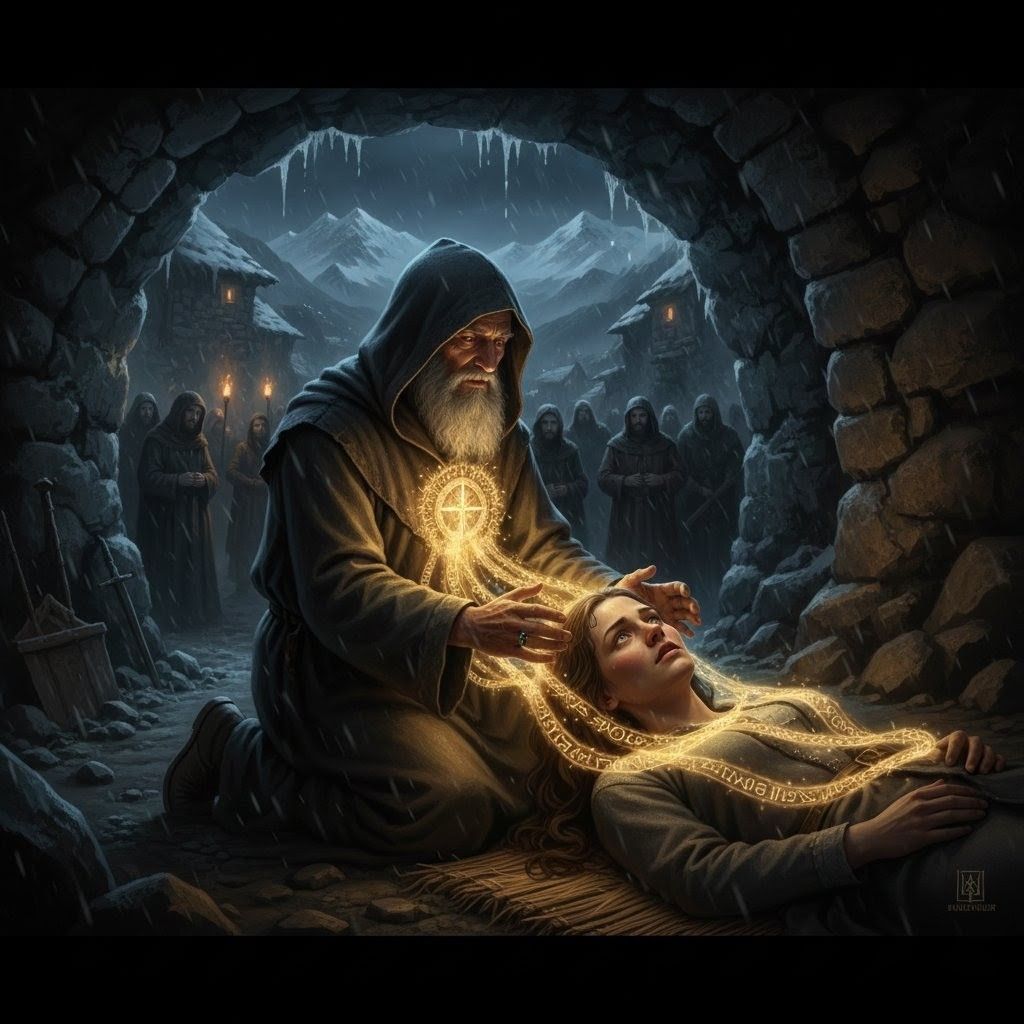
Table of Contents
- The Architecture of Refusal
- The Consolamentum: Security Clearance for the Soul
- The Perfecti: Living Without Portfolio
- The Credentes: Lay Practitioners in a Dualist System
- Theological Bureaucracy: The Demiurge’s Filing System
- Institutional Response: When Power Files a Complaint
- The Erasure Protocol: Suppression Beyond Death
- The Thread Reactivated: Recognition as Continuation
- Frequently Asked Questions
- Further Reading
- References and Sources
The Architecture of Refusal
The Cathar system operated with the efficiency of a resistance movement that understood the importance of minimalism. Without cathedrals, treasuries, or extensive personnel, they maintained a lean structure that made them simultaneously ubiquitous and difficult to trace. This was the threat. Not merely doctrine, but example. The medieval Church was wealthy, hierarchical, entangled with temporal power–a vast machinery of salvation with extensive landholdings. The Cathars demonstrated that the thread of direct knowing, of interior authority, could be lived without institutional approval. The demonstration was intolerable to those who held the keys to the kingdom.
Historians have long debated the origins of the movement. The traditional view, supported by Malcolm Barber and Bernard Hamilton, traces a clear line from Balkan Bogomilism through Italy to the Languedoc. A council at St Felix-de-Caraman, near Toulouse, convened between 1167 and 1177, established the organisational framework for what became the Cathar Church of the Languedoc. Here, bishops were appointed, territories assigned, and the thread given structural form. Yet even this “structure” was skeletal compared to the Catholic Church. It required no property, no palaces, no armies.
The Consolamentum: Security Clearance for the Soul
At the centre of Cathar practice stood the consolamentum, a ritual of initiation that functioned as both sacrament and liberation. Unlike the Catholic Church’s complex hierarchy of ordinances, this was a single, decisive act of recognition. The perfectus would lay hands upon the candidate, transmitting a spiritual authority that bypassed the usual intermediaries. The ritual transformed the recipient from a hylic being–trapped in the material system–into a pneumatic operative with direct clearance to the realm of light.
The procedure required no marble altars, no golden vessels, no ordained ministers with seminary credentials. A cave would suffice. A forest clearing. A private chamber. This portability of sanctity represented a fundamental challenge to the Church’s territorial control over the sacred. If holiness required no real estate, the entire property-based economy of medieval Christianity began to look like a rather clever fiction designed to maintain tax-exempt landholdings.
The consolamentum was typically administered at the point of death. The credens, having lived an ordinary life, would receive the rite on their deathbed, thereby escaping the cycle of reincarnation that the Cathars believed trapped souls in successive bodies. Those who received it earlier–the perfecti–committed to a life of absolute renunciation. There was no half-measure. The thread, once accepted, demanded everything.
The Perfecti: Living Without Portfolio
The perfecti lived as if the material world were already overcome–which, from the perspective of power, made them impossible to process. They possessed no property, held no accounts, maintained no residence that could be taxed or seized. They generally abstained from sexual activity, eliminating the production of new subjects for the demiurge’s system. They refused meat, recognising that the animal kingdom had been compromised by the same error that trapped human souls in flesh.
These men and women wandered the Languedoc like spiritual auditors, conducting spot-checks on the nature of reality. Their clothing was simple; their diet ascetic; their commitment absolute. They represented a walking denial of the feudal contract, demonstrating that one could live outside the manor system, outside the tithe structure, outside the control of local lords and bishops alike. In an age when the Church measured spiritual authority in hectares of land and headcounts of the baptised, the perfecti offered a devastating counter-example: authority without assets, power without property, sanctity without security.
Women, notably, could become perfectae–a radical equality in an era when the Church denied women priestly authority. The Cathar movement granted women spiritual standing, preaching rights, and the capacity to administer the consolamentum. This was not merely progressive; it was structurally necessary. The thread does not discriminate by gender. The divine spark, misfiled in flesh, is neither male nor female.
The Credentes: Lay Practitioners in a Dualist System
Beneath the perfecti existed the credentes–ordinary believers who maintained households, raised children, and engaged in the necessary compromises of medieval existence. These were the support network of the Cathar operation, providing food, shelter, and protection to the wandering perfecti while receiving instruction in the classified teachings of dualist theology.
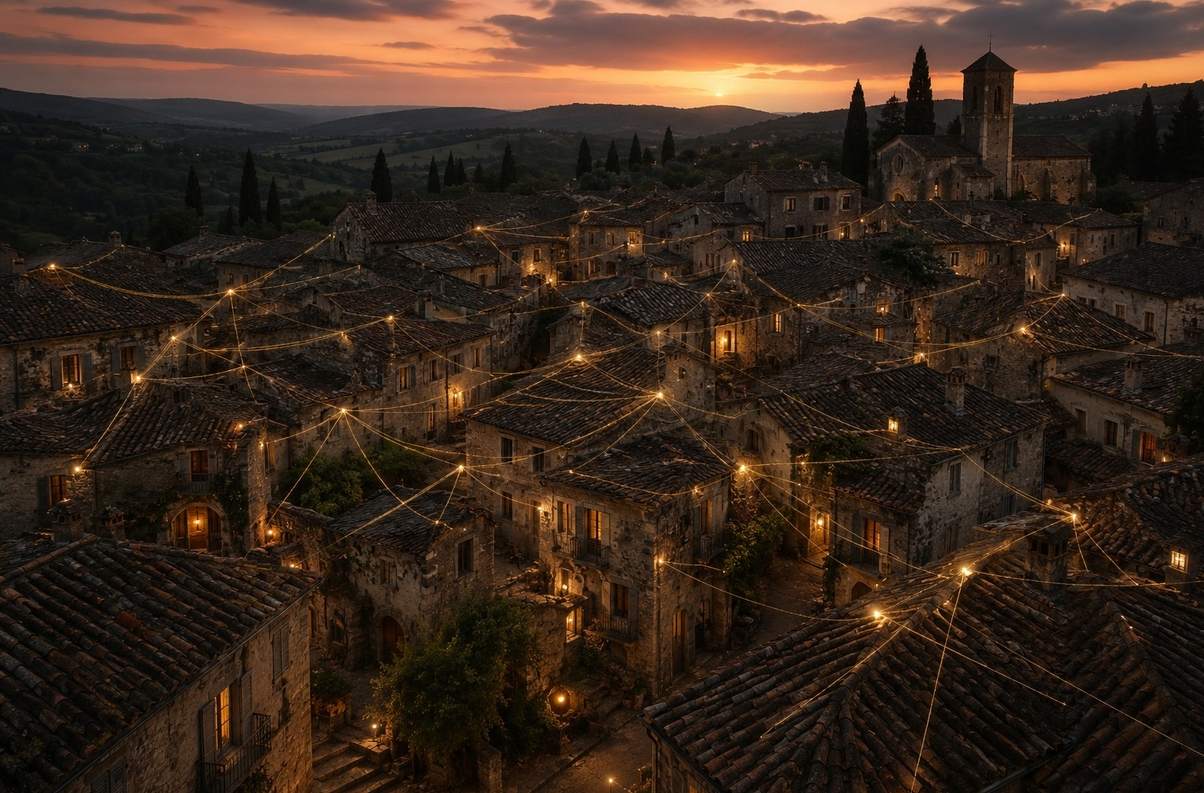
The relationship was practical. The credentes lived normal lives but accumulated merit through their support of the perfected ones. Upon deathbed, they would receive the consolamentum, effectively retiring from the material world with full rights in the kingdom of light. This two-tier system allowed the thread to persist in a world that demanded compromise, creating a cellular structure resistant to penetration by inquisitorial investigators. It was, in essence, an early example of distributed networking–information stored not in central servers (monasteries) but replicated across countless private nodes (households) throughout Occitania.
Theological Bureaucracy: The Demiurge’s Filing System
Cathar theology was elegantly simple, a streamlined alternative to the complex administrative theology of the Catholic Church. They were dualists. The material world was the creation of Satan, or a demiurge–a kind of incompetent middle manager who had seized control of the physical realm while the true God remained absent from daily operations. The spiritual world was the creation of the true God, operating on an entirely different basis.
Dualism as Document Classification
Human souls, according to this system, were divine sparks–pieces of light from the spiritual realm that had been accidentally (or maliciously) trapped in the material folder. Each human was a document out of place, a piece of light trapped in the darkness of the demiurge’s archive. The goal of existence was not to improve the material filing system (reform the world) but to extract the misfiled documents (liberate the sparks) and return them to their proper jurisdiction.
This theology had profound implications for ethics. If the material world was the creation of a usurping administrator, then all its rules, its property laws, its sexual regulations, its dietary requirements were procedures of a fraudulent government. The Cathars recognised that they were living in occupied territory, under the control of a cosmic authority that had no legitimate claim to their souls. Their theology was, in essence, a manual for operating as double agents within a compromised system.
The Cathars did not reject all of the Old Testament–they held the Psalms, Job, and the Prophets in high regard. But they read these texts as the testimony of prisoners, not as the legislation of a legitimate king. The God who commanded genocide and demanded animal sacrifice was, to them, the demiurge himself, revealing his true nature through the very scriptures his victims were forced to venerate.
Institutional Response: When Power Files a Complaint
The thread, once visible, was targeted for termination. St. Bernard of Clairvaux preached against them in 1145, attempting to dissuade the faithful through rhetorical persuasion; the Third Lateran Council condemned them in 1179, issuing the theological equivalent of a cease-and-desist order. But preaching failed because the perfecti lived what they taught, while the Church’s clergy were often compromised by wealth, concubinage, and political entanglements. When the competition offers a working alternative to your bloated machinery, public relations campaigns prove insufficient.
The Albigensian Crusade: Mass Termination Procedures
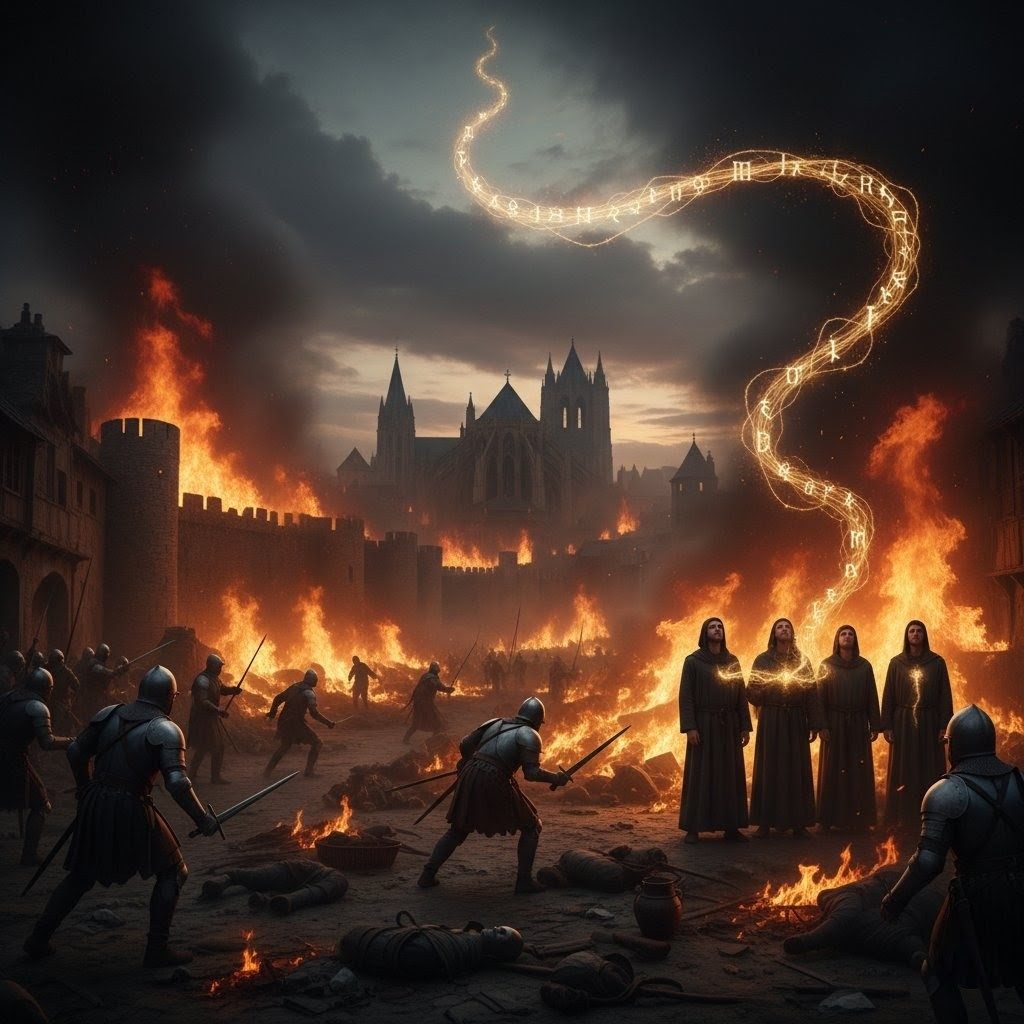
The failure of words led to fire. Pope Innocent III declared the Albigensian Crusade in 1208, transforming a theological dispute into a military liquidation. The thread was not merely suppressed; it was expropriated. The property motive, denied by the Cathars, drove their destruction. At Béziers in 1209, the logic was brutal in its simplicity: “Kill them all, God will know his own.” The crusaders, unable to distinguish Cathar from Catholic in the crowded city, applied a blanket deletion protocol. Some twenty thousand died, their souls presumably sorted by the divine system that the Church claimed to administer on earth.
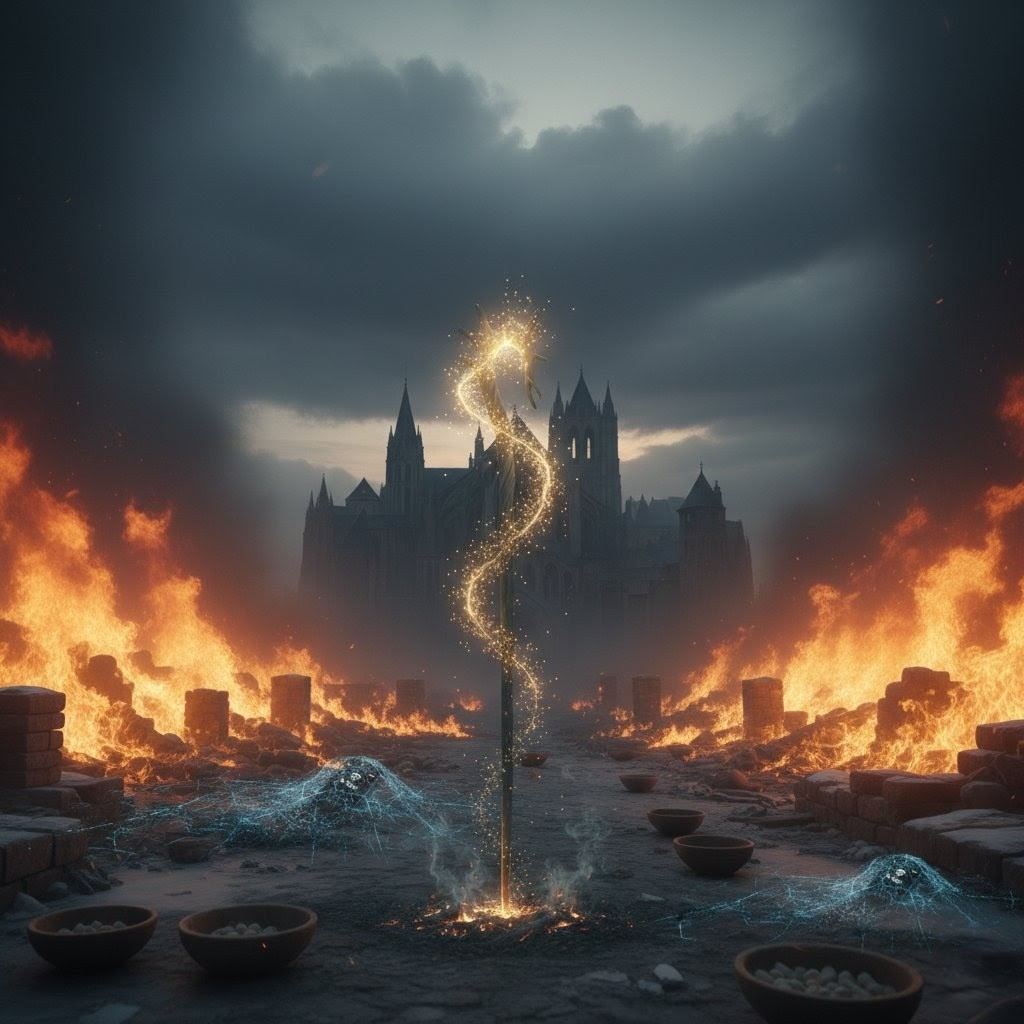
The crusade continued for two decades, destroying the cultural and political independence of the Languedoc. It was not merely a religious war but a territorial acquisition, clearing the region of heretical influence to make room for French royal authority and Church property claims. The fire that consumed Béziers, Carcassonne, and Toulouse was the flame of institutional self-defence, burning hot enough to erase any evidence that a clean church without property had ever existed.
The Inquisitorial Review Board (1233–1321)
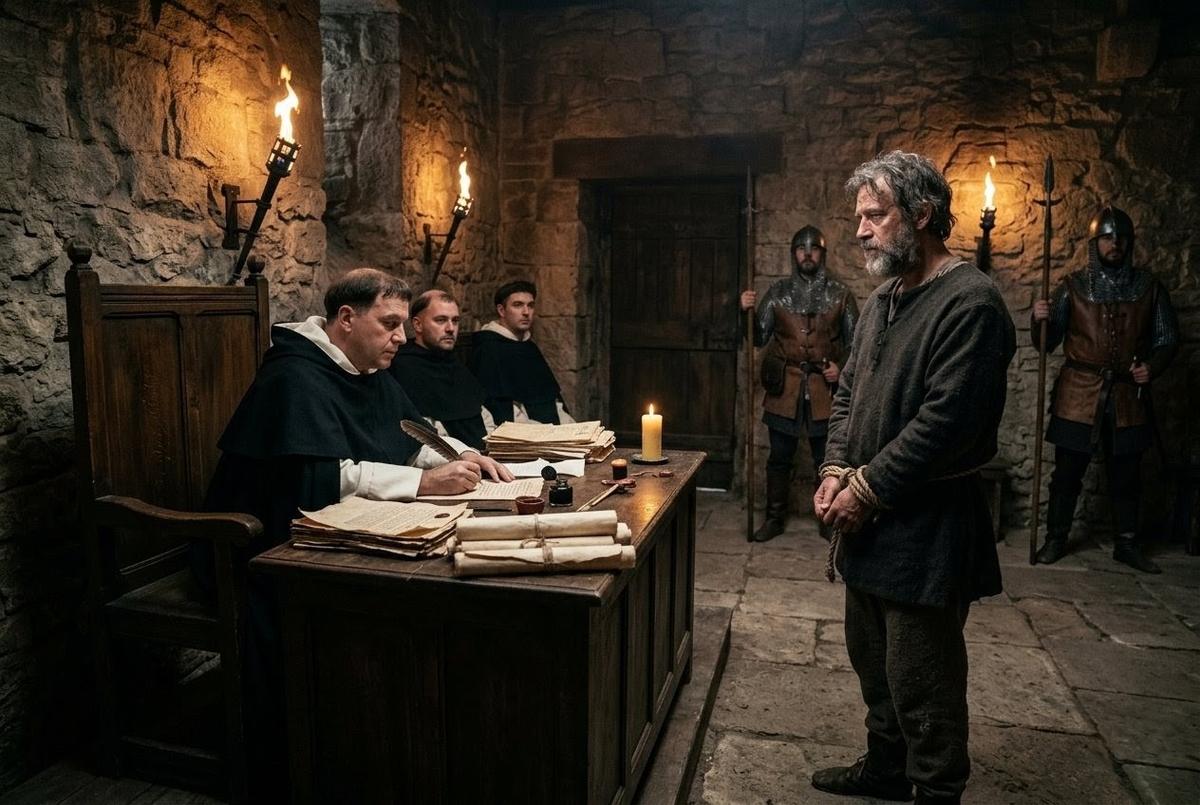
Established in 1233, the medieval Inquisition functioned as a systematic review board designed to eliminate heresy through interrogation, documentation, and execution. Unlike the chaotic violence of the crusade, the Inquisition brought efficiency to suppression. The perfecti who survived went underground, fleeing to Italy or Bosnia, attempting to maintain their networks in the face of increasing surveillance.
The last known Cathar perfectus, Guillaume Bélibaste, was burned in 1321 at Villerouge-Termenès, a final deletion from the European database. With his death, the Church believed the file closed. The thread, in Europe, was severed–or so the records indicated. But information, especially the kind that operates outside institutional channels, has a way of persisting in backup systems.
The Erasure Protocol: Suppression Beyond Death
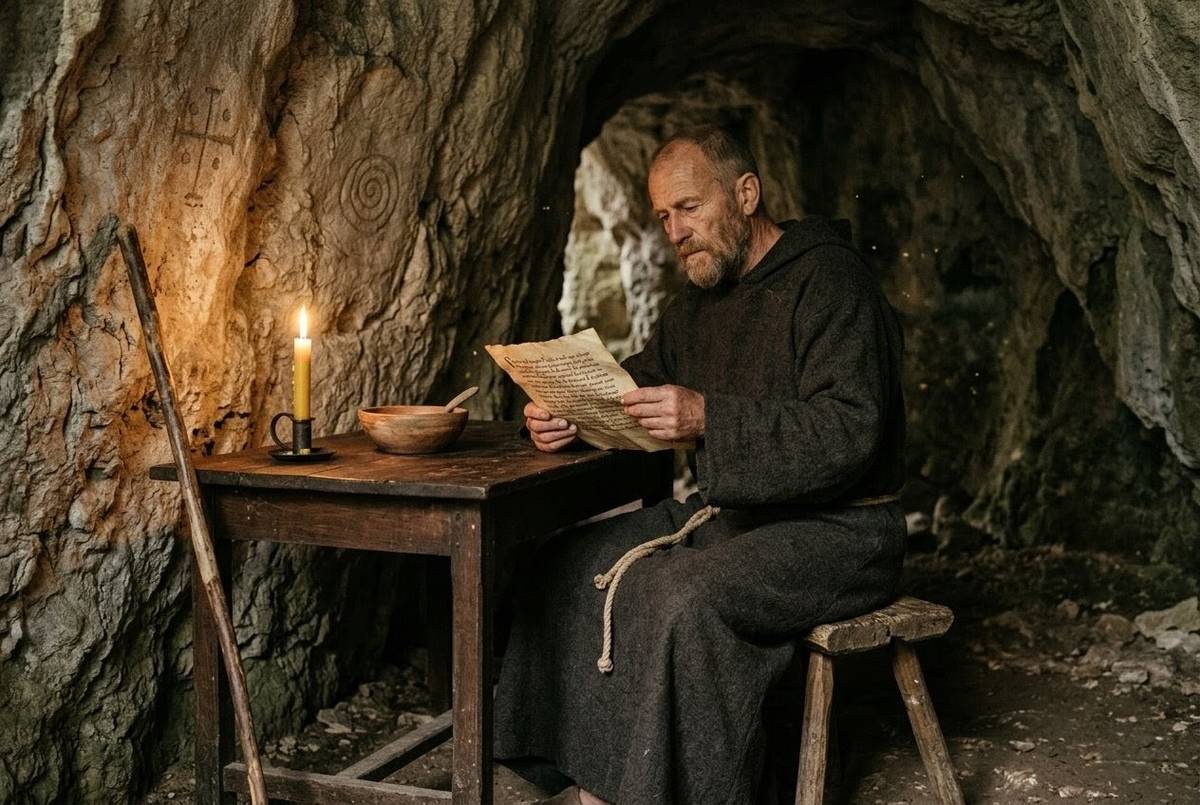
The Cathars were not merely killed. They were erased. Their texts were burned in public squares, their cemeteries desecrated to prevent the veneration of martyrs, their meeting places demolished or reconsecrated. For centuries, they were known only through enemy accounts–Inquisition records, polemical treatises, the paperwork of their own destruction. The victors did not just win; they attempted to edit the losers out of the historical database entirely.
Nineteenth-Century Data Recovery
The recovery began in the nineteenth century as historians learned to read Inquisition records against the grain, extracting truth from the accusations of their enemies. Scholars like Charles Schmidt and later Jean Duvernoy began reconstructing the Cathar worldview from the very documents designed to destroy it. The Cathars were not a heretical aberration; they were continuation–the thread of Gnostic wisdom extending from the Balkans through the troubadour culture of southern France, connecting to the same suppressed currents that would later surface in the Corpus Hermeticum and the Nag Hammadi library.
The Thread Reactivated: Recognition as Continuation

The movement is extinct, but the example persists. The demonstration that power can be refused, that property can be renounced, and that direct knowing can be lived remains available to any who recognise it. The Cathars were not perfect–the thread, once seen, becomes system; the system becomes target. But the fire was institutional defence, not spiritual correction. The thread was dangerous to power because it proved that power was unnecessary for sanctity.
The thread continues. Not as Catharism, but as recognition. The clean church, the life without property, the direct knowing–these remain operational protocols for those who can read the signs. The someone who recognises them extends the thread. The someone is you.

Frequently Asked Questions
Who were the Cathars and what made them pure?
The Cathars were a medieval Christian dualist movement that called themselves Good Christians. Their enemies named them Cathars from the Greek katharos (pure) due to their ascetic lifestyle. They rejected material wealth, church hierarchy, and the authority of the Catholic Church, seeking direct spiritual knowing through the consolamentum ritual.
What was the consolamentum?
The consolamentum was the central Cathar ritual of initiation–a spiritual baptism where a perfectus would lay hands on the candidate, transmitting divine authority directly without institutional intermediaries. It transformed ordinary believers (credentes) into the perfecti, those who had achieved spiritual liberation from the material world. Typically administered at death, it released the soul from the cycle of reincarnation.
Why did the Catholic Church persecute the Cathars so violently?
The Cathars represented an existential threat to the Church’s property-based power structure. By demonstrating that sanctity required no hierarchy, cathedrals, or wealth–only direct knowing–they undermined the medieval Church’s territorial and economic authority. Their example proved spiritual authority could exist outside institutional control. The Albigensian Crusade (1208-1229) and subsequent Inquisition (from 1233) were the institutional response.
What happened during the Albigensian Crusade?
Declared by Pope Innocent III in 1208, the Albigensian Crusade was a military campaign to exterminate Catharism in southern France. At Beziers in 1209, crusaders massacred the entire population–Cathar and Catholic alike–with the infamous command Kill them all, God will know his own. The crusade lasted twenty years and destroyed the cultural independence of the Languedoc.
When did the last Cathar die?
The last known Cathar perfectus, Guillaume Belibaste, was burned at the stake in 1321 at Villerouge-Termenes in southern France. Betrayed by the spy Arnaud Sicre in service of the Inquisition at Pamiers led by Jacques Fournier (later Pope Benedict XII), Belibaste’s death marked the end of organised Catharism in Europe.
How do we know about Cathar beliefs if their texts were destroyed?
The Cathars were largely erased from history–their texts burned, cemeteries desecrated. Knowledge survived primarily through Inquisition records written by their enemies. Nineteenth-century historians like Charles Schmidt learned to read these documents against the grain, reconstructing Cathar theology from the very texts designed to condemn it. Later scholars including Jean Duvernoy and Emmanuel Le Roy Ladurie expanded this recovery.
What is the legacy of the Cathars today?
Though the movement is extinct, the Cathar example persists as proof that spiritual authority can exist without institutional hierarchy or property. Their thread continues through recognition–the understanding that direct knowing, renunciation of material power, and the clean church remain available to those who seek them. The Languedoc region still carries their memory in place names, ruins, and the persistent legend of the thread that refuses to break.
Further Reading
- The Living Thread: How Forbidden Knowing Survives the Fire — the pattern of institutional suppression and erasure throughout history
- Nag Hammadi: The Burial and Resurrection of Gnostic Texts — similar suppression protocols applied to ancient scriptures, different century, same machinery
- The Library of Alexandria: What Was Lost, What Survived — the fire that consumed the ancient world’s central database
- Digital Suppression — the contemporary form of the old pattern, updated for algorithmic governance
- The Hidden Agreements: Why Esoteric Traditions Keep Inventing the Same Architecture — the Cathar thread extended through Kabbalah, alchemy, and Hermeticism
- Archons: The Ruling Powers That Shape Reality — understanding the demiurge’s hierarchy and its modern manifestations
- What is Gnosticism? Defining the Undefinable — the broader context of dualist theology and direct knowing
- Recognition Beyond Position — how the thread persists through recognition rather than institutional continuity
References and Sources
The following works inform the historical and theological framework of this article.
Primary Historical Sources
- Barber, Malcolm. The Cathars: Dualist Heretics in Languedoc in the High Middle Ages. Longman, 2000. Definitive scholarly study of Cathar origins, theology, and suppression.
- Lambert, Malcolm. The Cathars. Blackwell, 1998. Comprehensive overview of the movement’s spread, organisation, and decline.
- Martin, Sean. The Cathars: The Most Successful Heresy of the Middle Ages. Pocket Essentials, 2005. Accessible introduction with detailed chronology.
- O’Shea, Stephen. The Perfect Heresy: The Revolutionary Life and Death of the Medieval Cathars. Profile Books, 2000. Narrative history of the Albigensian Crusade and its aftermath.
Inquisitorial and Recovery Sources
- Le Roy Ladurie, Emmanuel. Montaillou: The Promised Land of Error. Translated by Barbara Bray. Braziller, 1978. Microhistory of a Cathar village based on Inquisition records, containing extensive material on Guillaume Belibaste.
- Schmidt, Charles. Histoire et doctrine de la secte des cathares ou albigeois. 2 vols. Paris, 1849. The foundational nineteenth-century recovery of Cathar history from Inquisition documents.
- Duvernoy, Jean. Le Catharisme: l’histoire des cathares. Prive, 1998. Major French-language synthesis of Cathar history and theology.
Theological and Comparative Studies
- Hamilton, Bernard. “The Legacy of Charles Schmidt to the Study of Christian Dualism.” Journal of Medieval History 24 (1998): 191-214.
- Stoyanov, Yuri. The Hidden Tradition in Europe: The Secret History of Medieval Christian Heresy. Arkana, 1994. Traces the Bogomil-Cathar connection and eastern dualist influences.
- Wakefield, Walter L., and Austin P. Evans. Heresies of the High Middle Ages. Columbia University Press, 1969. Includes primary source translations of Cathar rituals and inquisitorial records.
Safety Notice: This article discusses historical violence, religious persecution, and institutional suppression. The descriptions of the Albigensian Crusade and Inquisition include accounts of mass killing and execution. Reader discretion is advised. The information here is for historical education and spiritual discernment, not as a call to sectarian division or anti-Catholic sentiment. The thread extends through recognition, not through enmity.