Concept of Our Great Power: The Apocalypse of Divine Light
The Concept of Our Great Power (NHC VI,4) presents a sophisticated **apocalyptic historiography**—a systematic account of cosmic history divided into three distinct administrative epochs. Unlike the radical dualism that characterises some Sethian tractates, this text maintains a **teleological optimism**, suggesting that even the Age of Darkness serves a pedagogical function within the divine economy. The tractate operates as a **classified briefing** on the temporal structure of salvation, revealing how the executive headquarters of the Pleroma governs the branch office of material history.
Preserved in Codex VI alongside Hermetic and Christian-Gnostic materials, the text dates from the fourth century CE, though its theological architecture likely crystallised during the third century—a period of intense apocalyptic speculation. The following analysis examines its tripartite historical schema, its apophatic theology of the Great Power (Great Dynamis), and its distinctive synthesis of Jewish apocalyptic and Platonic metaphysics.
Contents
- The Concept of Our Great Power: Apocalyptic Historiography
- The Three Ages: A Temporal Taxonomy
- The Great Power: Apophatic Theology
- The Age of Darkness: Administrative Malpractice
- The Consummation: Corporate Restructuring
- Knowledge as Security Clearance
- Apocalyptic Imagery and Purifying Fire
- Ethical Dimensions and Eschatological Urgency
- Codex VI Context and Theological Significance
- Frequently Asked Questions
- Further Reading
- References and Sources
The Concept of Our Great Power: Apocalyptic Historiography
What is the Concept of Our Great Power?
The Concept of Our Great Power (NHC VI,4) is a third-century apocalyptic text from the Nag Hammadi Library presenting a three-age schema of cosmic history: the Age of the Spirit of Gold, the Age of Darkness, and the Age of the Saviour. It centres on the “Great Power” (Great Dynamis)—the highest divine principle—and describes the ultimate restoration (apokatastasis) of all things through the triumph of light over darkness. The text blends Jewish apocalyptic, Platonic metaphysics, and Gnostic soteriology.
The tractate distinguishes itself within the Nag Hammadi corpus through its **systematic periodisation of salvation history**. Where other texts focus upon individual ascent protocols or cosmogonic speculation, Concept of Our Great Power offers a **macro-historical framework**—a diachronic analysis of how the divine executive headquarters maintains governance across successive administrative epochs. This approach reflects the text’s Jewish apocalyptic heritage, adapted through the lens of Platonic metaphysics and Gnostic soteriology.
The opening declaration establishes the text’s apophatic credentials: “I will teach you, beloved, about the great, perfect, invisible, unnameable God” [NHC VI,4 38:1-3]. This negative theology—defining the divine through negation—positions the Great Power beyond the middle-management of the archons, residing instead in the transcendent Pleroma that functions as the ultimate executive authority over cosmic operations.
The Three Ages: A Temporal Taxonomy
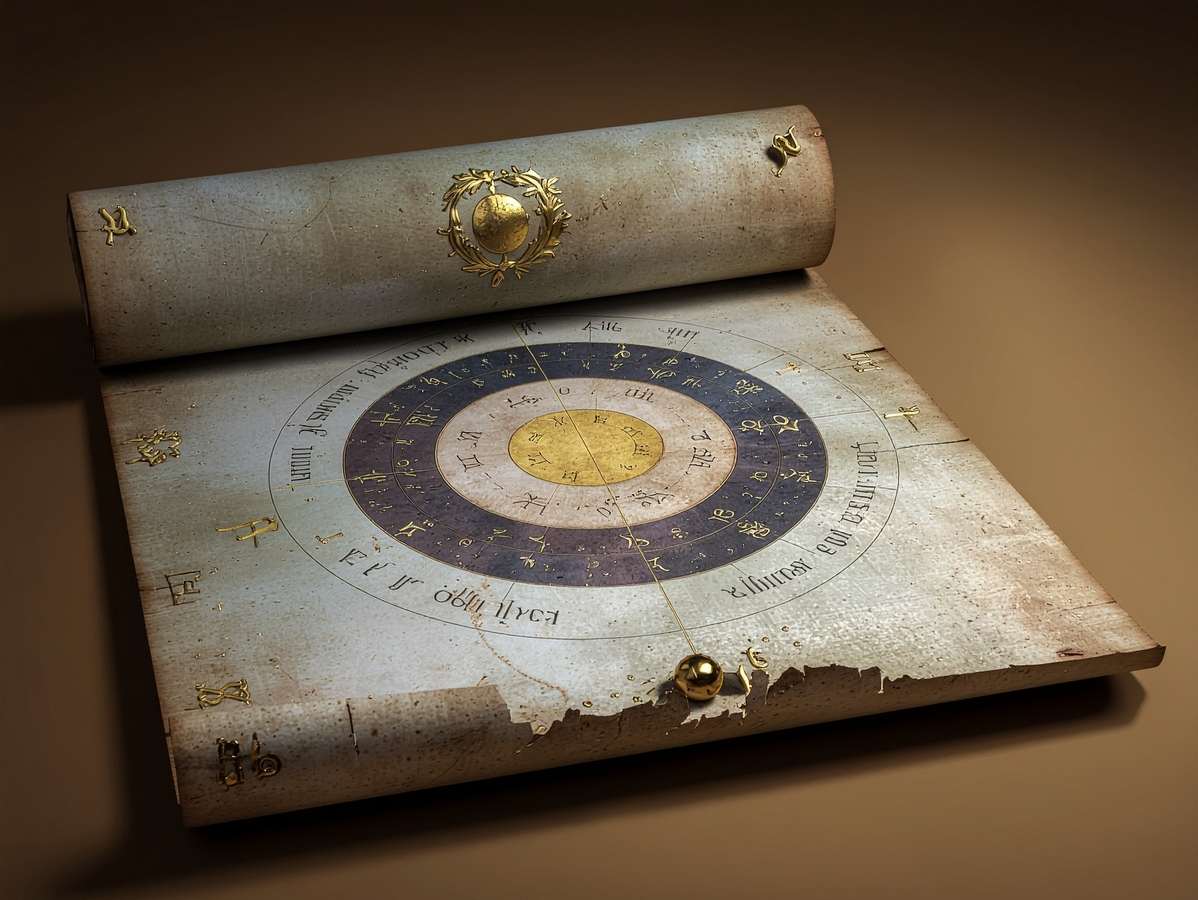
The text divides history into three distinct **administrative regimes**, each characterised by a different mode of divine-human interface and cosmic quality. This tripartite schema functions as a **personnel file** for humanity—tracking the degradation and eventual restoration of direct security clearance with the executive headquarters.
The First Age: The Spirit of Gold
The initial epoch represents the **primordial golden age** of direct communion. During this period, humanity existed in harmonious anapausis (repose) with the Great Power, free from the administrative constraints that would later bind the material branch office. The divine spark operated with full clearance, unimpeded by the filing systems of fate or the compliance protocols of material existence.
Primary Source Citation: “In the first age, the Spirit of Gold reigned, and all things were in harmony with the Great Power. Humanity knew no death, no fate, no darkness—for the light of the Pleroma shone directly upon them” [NHC VI,4 39:5-10].
The Second Age: The Reign of Darkness
The middle epoch represents **cosmic catastrophe**—not merely ethical fall but metaphysical category error. The “adversary” (antikeimenos) gained jurisdictional authority, clouding human synesis (faculty of spiritual perception) with material concerns. During this administrative interregnum, humanity became subject to the middle-management of fate (heimarmene), desire, and death—trapped in a personnel classification that denied direct hotline access to the executive headquarters.
The Third Age: The Saviour and Restoration
The final epoch promises **apokatastasis**—the restoration of all things to their primordial condition, now enriched by the experience of the intervening darkness. This is not merely chronological termination but **qualitative transformation**, a security clearance upgrade that restores direct executive access while incorporating the wisdom gained through the Age of Darkness. The Age of the Saviour thus functions as both restoration and fulfilment.
The Great Power: Apophatic Theology
The text’s central theological concept—the **Great Power** (Great Dynamis)—refers to the highest divine principle, the source of all existence and ground of salvation. This is not merely an impersonal force but an active administrative presence that engages with the created order while remaining transcendent. The Great Power operates as the **CEO** of cosmic operations, distinct from the middle-management archons who administer the material branch office.
The apophatic approach—defining the divine through negation (invisible, unnameable, ungraspable)—serves a specific **soteriological function**. By placing the ultimate authority beyond the filing systems of the archons, the text assures readers that their true personnel file resides in the executive headquarters of the Pleroma, not in the compromised databases of material administration.
Great Dynamis: The Theological Architecture
The Great Power represents the aethyric (upper-realm) source of all dynamis (power/ability). Unlike the demiurge—the lower administrator who mistakenly believes himself supreme—the Great Power remains the transcendent teleios (perfect) source. This distinction preserves both divine transcendence and immanent engagement, a synthesis of Platonic and Jewish apocalyptic conceptions.
The Age of Darkness: Administrative Malpractice
The second age represents the triumph of **agnoia** (ignorance)—a state of metaphysical amnesia where the divine sparks forget their origin in the executive headquarters. The text describes how the “adversary” established a counterfeit administration, leading humanity away from recognition of the Great Power through the filing errors of materialism and false consciousness.
Primary Source Citation: “Then the darkness came upon the world, and the adversary established his rule. Humanity became subject to fate and law, forgetful of the Great Power, trapped in the cycle of birth and death” [NHC VI,4 40:15-20].
During this epoch, the divine spark remained **trapped in material existence**—a pneumatic personnel file locked in a hylic filing cabinet. This condition of agnoia represents the fundamental soteriological problem the text addresses: how to restore security clearance when the administrative bungle of the archons has obscured the true chain of command.
The Consummation: Corporate Restructuring
The text predicts a final **consummation** (teleiosis) when the Age of the Saviour brings history to its divinely appointed conclusion. This is not merely **destructive apocalypse** but **restorative transformation**—a corporate restructuring that dissolves the material branch office and reassigns all pneumatic personnel to the executive headquarters of the Pleroma.
Primary Source Citation: “In the consummation of the ages, the great fire will come, purifying all things. The darkness will be burned away, and the light will gather its own into the kingdom” [NHC VI,4 42:5-9].
Unlike apocalyptic texts that focus upon punitive destruction, Concept of Our Great Power emphasises **apokatastasis**—the gathering of the elect into the kingdom of light. The dissolution of the material realm represents not annihilation but **liberation** from the temporary assignment of embodiment. The “great fire” functions as quality assurance testing: what cannot withstand the flames (material attachments, false beliefs) is burned away; what is essential (the divine spark) is refined and restored to the executive headquarters.
Knowledge as Security Clearance
Throughout the three ages, **gnosis** serves as the **link** between humanity and the divine—a security clearance upgrade that bypasses the middle-management of the archons to establish direct hotline access to the executive headquarters. Those who recognise the Great Power within themselves participate already in the final age, regardless of historical circumstances.
This **realised eschatology** operates alongside future hope: the pneumatic individual possesses advance clearance for the coming administrative restructuring. This knowledge is not merely **intellectual assent** but **experiential recognition**—a reframing of consciousness that dissolves the category error of materialism and restores awareness of one’s true personnel classification.
Apocalyptic Imagery and Purifying Fire
The text employs classic **apocalyptic motifs**—visions, revelations, cosmic battles, ultimate triumph—yet adapts these to its Gnostic framework. The final victory is not merely **external** (cosmic) but **internal** (psychological and spiritual). The “great fire” that consumes the world represents **purifying transformation** rather than punitive destruction.
This fire serves as **eschatological audit**—testing the personnel files to determine which belong to the executive headquarters (pneumatic) and which remain bound to the branch office (hylic). The imagery draws upon Jewish apocalyptic traditions (Daniel, Enoch) while transforming their function: the fire reveals truth rather than punishing enemies, illuminating the true jurisdictional authority of the Great Power.
Ethical Dimensions and Eschatological Urgency
Despite its cosmic scope, the text carries **immediate ethical implications**. Those who understand the three ages are summoned to **live according to the Age of the Saviour** even while the Age of Darkness continues. This involves ethical purity, rejection of materialism, and cultivation of synesis—a professional composure that maintains security clearance amid hostile administrative conditions.
The text warns against **”deceivers”**—false administrators who claim executive authority while serving the adversary. This suggests the community faced **external pressures** and internal conflicts, requiring **discernment** (diakrisis) to distinguish authentic clearance upgrades from counterfeit credentials. Eschatological expectation thus generates **ethical urgency**: the restructuring approaches, and only those with valid security clearance will be reassigned to the Pleroma.
Codex VI Context and Theological Significance
Concept of Our Great Power appears in Codex VI, a collection notable for mixing Hermetic and Christian-Gnostic materials. Its placement alongside the Asclepius and the Prayer of Thanksgiving suggests that ancient editors valued it as **historical instruction** regardless of precise theological jurisdictional boundaries.
The text contributes significantly to our understanding of **Gnostic historiography**—the attempt to comprehend history as the arena of divine action. Unlike radical dualism that views matter as inherently evil, Concept of Our Great Power suggests that even the Age of Darkness serves a **pedagogical function** within the divine economy. The Great Power remains active—conducting operations behind the scenes of the branch office—working toward the final gathering of the scattered divine sparks.
For contemporary readers, the text offers a **framework for understanding suffering** as temporary conditions within a larger story of restoration. The **executive headquarters** has never abandoned the branch office; the security clearance remains available even in the darkest ages, offering hope that transcends historical circumstances.
Frequently Asked Questions
What is the Concept of Our Great Power in the Nag Hammadi Library
The Concept of Our Great Power (NHC VI,4) is a third-century apocalyptic text presenting a three-age schema of cosmic history: the Age of the Spirit of Gold, the Age of Darkness, and the Age of the Saviour. It centres on the Great Power (Great Dynamis)–the highest divine principle–and describes the ultimate restoration (apokatastasis) of all things through the triumph of light over darkness.
What are the three ages in Concept of Our Great Power
The text divides history into three epochs: (1) The Age of the Spirit of Gold–primordial harmony with direct divine communion; (2) The Age of Darkness–rule by the adversary with humanity subject to fate and material constraints; (3) The Age of the Saviour–restoration of primordial conditions enriched by experience, involving the dissolution of matter and gathering of the elect into light.
Who is the Great Power in this text
The Great Power (Great Dynamis) refers to the highest divine principle–the transcendent source of all existence and ground of salvation. The text uses apophatic theology (defining by negation) to describe this power as invisible, unnameable, and ungraspable, distinct from the lower archons or demiurge who administer the material world.
What is apokatastasis in Concept of Our Great Power
Apokatastasis means ‘restoration of all things’–the final consummation when the Age of the Saviour brings history to fulfilment. Unlike destructive apocalypses, this text emphasises purifying transformation where the great fire burns away darkness and material attachments, refining and restoring the divine sparks to their primordial condition in the Pleroma.
How does Concept of Our Great Power differ from Sethian texts
While sharing Gnostic concerns, Concept of Our Great Power maintains greater optimism than radical Sethian dualism. It views the Age of Darkness as serving a pedagogical function rather than representing absolute evil. The text focuses on macro-historical periodisation rather than individual ascent protocols or detailed archonic bureaucracies, offering a sweeping vision of cosmic history instead.
What role does gnosis play in the three ages
Gnosis serves as the link between humanity and the divine across all three ages. Those who recognise the Great Power within themselves participate already in the final Age of the Saviour, regardless of historical circumstances. This knowledge is experiential recognition rather than intellectual assent–a transformation of consciousness that restores awareness of one’s divine origin.
What is the significance of the great fire in the text
The great fire represents purifying transformation rather than punitive destruction. At the consummation, this fire burns away material attachments and false beliefs while refining the essential divine spark. It serves as eschatological testing–revealing what belongs to the realm of light and dissolving the constraints of the Age of Darkness.
Further Reading
- Concept of Our Great Power: Apocalypse and Divine Light — Examining the related text on the elect and the apocalyptic dimensions of the Great Power theology.
- The Apocalypse of Adam: The Testament of Ancient Humanity — Comparing another three-age apocalyptic schema from the Nag Hammadi Library with similar historical periodisation.
- The Second Treatise of the Great Seth: Radical Spiritual Elevation — Exploring another text focusing on the “Great” divine figure and Sethian spiritual nobility.
- Codex VI: The Mixed Theological Collection — Contextualising Concept of Our Great Power alongside Hermetic and other Christian-Gnostic materials within the same archival unit.
- On the Origin of the World: Alternative Cosmogony — Comparing another text from the same codex offering different perspectives on cosmic history and archonic administration.
- The Reality of the Archons: Sethian Cosmogony — Examining the detailed archonic bureaucracy that Concept of Our Great Power references in its Age of Darkness.
- The Apocryphon of John: Three Versions of Sethian Creation — Exploring the foundational Sethian text describing the fall from primordial harmony and the restoration through gnosis.
- Nag Hammadi for Theologians: A Doctrine-Focused Path — Placing Concept of Our Great Power within the systematic study of Gnostic theology and soteriology.
References and Sources
The following sources support the claims and quotations presented in this article. All citations to the Nag Hammadi Library represent direct translations from the Coptic text as established in the standard critical editions.
Primary Sources and Critical Editions
- [1] Robinson, J.M. (1977). The Nag Hammadi Library in English. Harper & Row.
- [2] Doresse, J. (1960). “The Concept of Our Great Power.” In The Secret Books of the Egyptian Gnostics. Hollis & Carter.
- [3] Layton, B. (1987). The Gnostic Scriptures. Doubleday.
- [4] Meyer, M. (2007). The Nag Hammadi Scriptures. HarperOne.
- [5] Krause, M. & Labib, P. (1962). Gnostische und hermetische Schriften aus Codex II und Codex VI. Reichner.
Scholarly Monographs and Interpretive Studies
- [6] MacRae, G.W. (1970). “The Jewish Background of the Gnostic Sophia Myth.” Novum Testamentum, 12(1).
- [7] Schenke, H.-M. (1974). “The Phenomenon and Significance of Gnostic Sethianism.” In The Rediscovery of Gnosticism, Brill.
- [8] Brakke, D. (2010). The Gnostics: Myth, Ritual, and Diversity in Early Christianity. Harvard University Press.
- [9] King, K.L. (2006). The Secret Revelation of John. Harvard University Press.
- [10] Denzey Lewis, N. (2013). Cosmology and Fate in Gnosticism and Graeco-Roman Antiquity. Brill.
Comparative Studies and Thematic Analyses
- [11] Collins, A.Y. (1984). Crisis and Catharsis: The Power of the Apocalypse. Westminster John Knox.
- [12] Rowland, C. (1982). The Open Heaven: A Study of Apocalyptic in Judaism and Early Christianity. Crossroad.
- [13] Pearson, B.A. (1990). Gnosticism, Judaism, and Egyptian Christianity. Fortress Press.
- [14] Hedrick, C.W. (1980). “The Apocalypse of Adam: A Literary and Source Analysis.” In Nag Hammadi Studies, Brill.
- [15] Williams, M.A. (1996). Rethinking “Gnosticism”: An Argument for Dismantling a Dubious Category. Princeton University Press.